Skoda Kylaq First Drive Review - Looking Into the Crystal Ball
A Skoda under ₹10 lakh? The Kylaq will be exactly that when it arrives next year. At least that is what the promising first impressions suggest.
By Manav Sinha


Skoda has announced that its upcoming SUV, set to launch in India in the first quarter of 2025, will be named the Kylaq, derived from the Sanskrit word for ‘Crystal’. But why discuss it now when the launch is still some time away? The reason is that we have already driven a near-production-ready model of the Kylaq to get a sense of what’s brewing in Skoda’s garage. It offers a glimpse of their approach to this new offering and helps answer whether it’s worth waiting for. It’s more or less like peering into a ‘crystal’ ball to get a glimpse of the future.
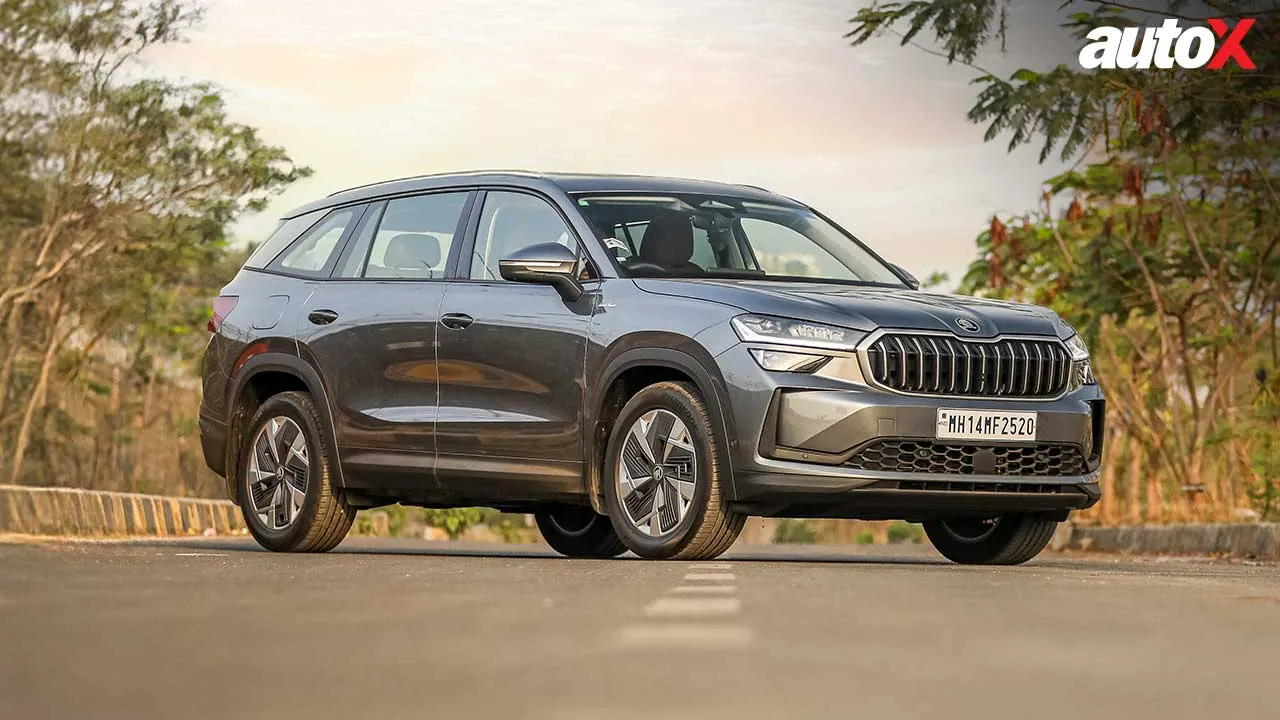
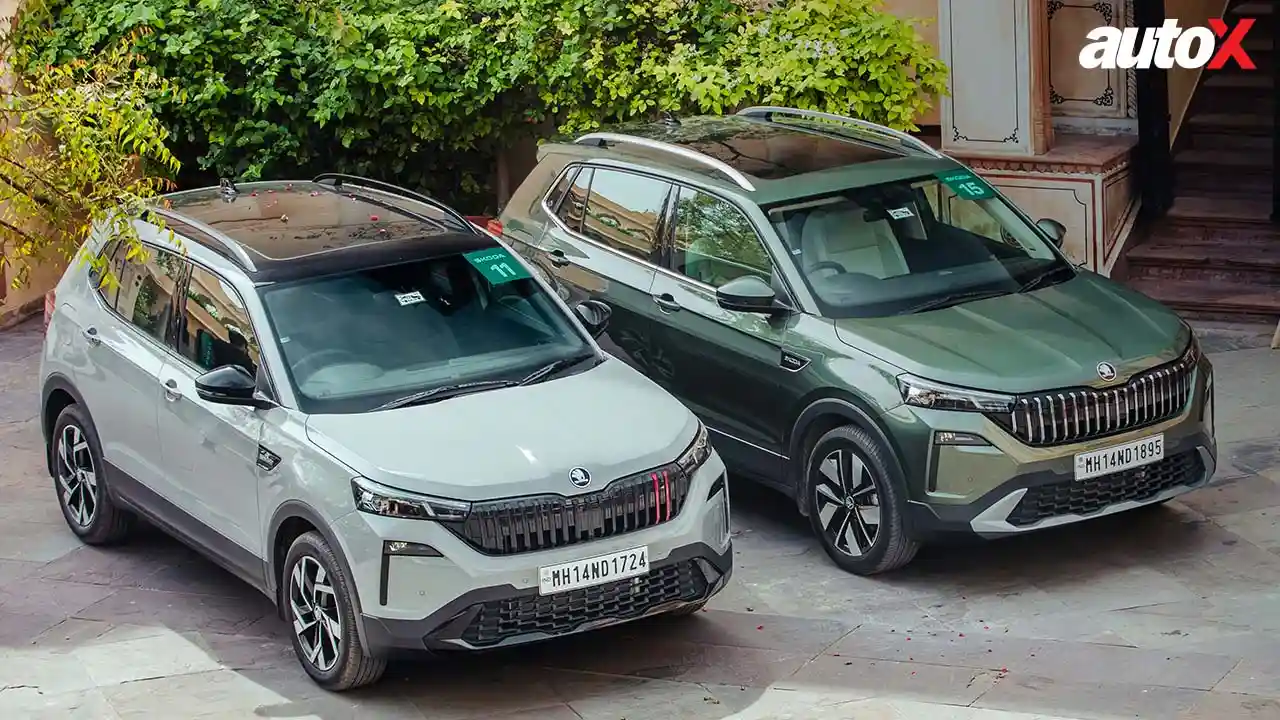
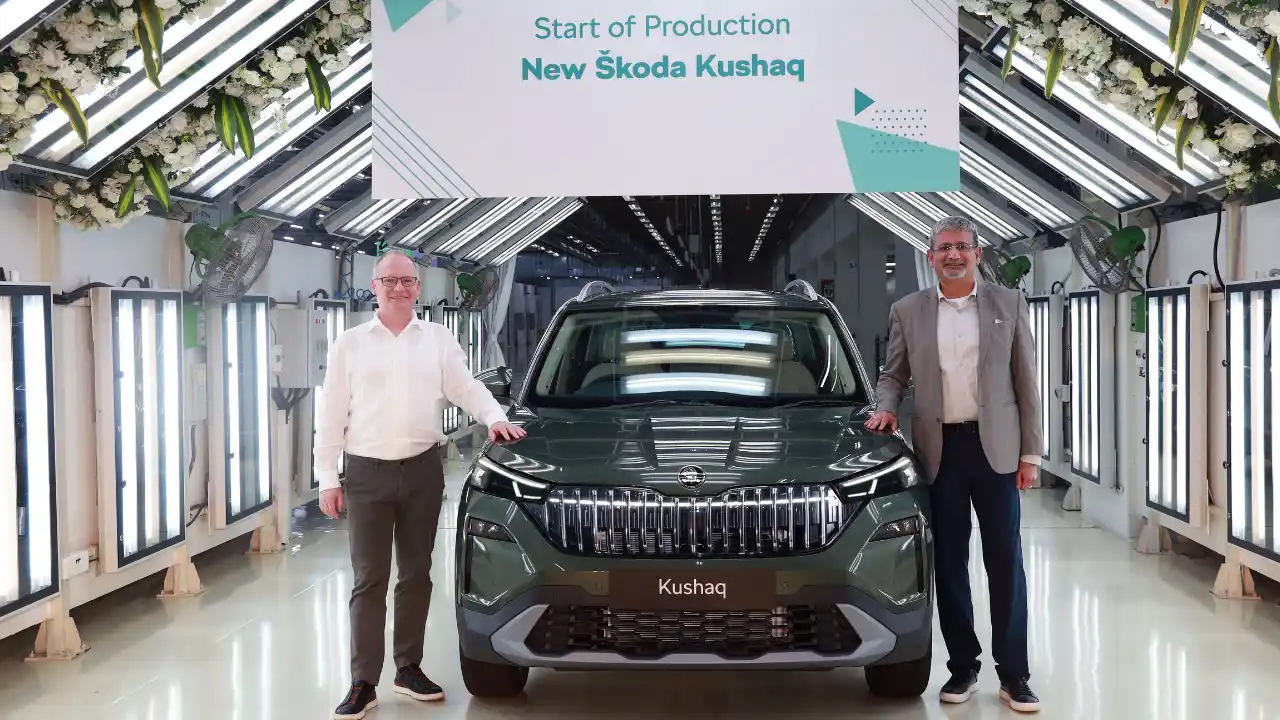
This launch marks a significant milestone for the Czech automaker in the Indian market for two key reasons. First, it signals Skoda’s entry into one of the most competitive segments in the country – sub-4 metre compact SUVs. To put it into perspective, nearly one in every three cars sold in India belongs to this segment. Second, the Kylaq will be the first sub-4 metre model to be based on the Skoda Auto Volkswagen India Group’s MQB-A0-IN platform. For context, there are already four vehicles based on this platform – the Skoda Kushaq, Skoda Slavia, Volkswagen Taigun, and Volkswagen Virtus.
Adopting a ‘if it ain’t broke, don’t fix it’ approach, Skoda has borrowed the drivetrain from the Kushaq. This means the Kylaq will be powered by the familiar 1.0-litre turbocharged petrol engine, delivering 114bhp and 178Nm of torque. Buyers will also have the same gearbox choices – a 6-speed manual or a 6-speed torque converter automatic unit.

Despite identical output figures, the drivetrain has been tuned a bit differently for the Kylaq, which is 38kg lighter than the Kushaq. This weight reduction makes the Kylaq Skoda’s lightest made-in-India vehicle, giving it the best power-to-weight ratio in their line-up. Additionally, the Kylaq has 189mm of ground clearance. On the features front, it will offer first-in-class six-way adjustable driver and passenger seats with ventilation, adding a touch of luxury.
Skoda revealed that they have invested over 250 million Euros in the Kylaq project. Given that the platform is largely the same, the drivetrain is identical, and many interior and feature components are expected to be borrowed from its larger siblings, one might wonder where the focus of this investment has been. When I posed this question to Skoda, they explained that a significant portion of the budget has gone towards the high localisation of the car, enabling them to offer it at a competitive price point. Additionally, they view the Kylaq as a strong candidate for export markets.
Our drive took place at the CoASTT facility in Coimbatore, and after a few laps, as well as some braking and slalom exercises with the Kylaq, I can confidently say that it upholds one of the core expectations from a Skoda – an exceptional driving experience. The car felt planted and inspired confidence throughout, and the fact that it gets either a fast automatic transmission or an engaging manual gearbox further adds to its appeal. However, the final driving experience will depend significantly on the tyres fitted to the production model – something for which we will have to wait and watch.
Another major expectation from a Skoda vehicle is safety, and it seems they have addressed this thoroughly. Skoda states that over 25 active and passive safety features will come as standard across all variants of the Kylaq, and around 30 in specific trims. Standard safety features will include six airbags, traction and stability control, ABS, EBD, Electronic Differential Lock, and ISOFIX child seat anchors across the range. And let’s not forget that all four cars built on the MQB-A0-IN platform have already achieved five-star ratings for adult and child occupant protection from Global NCAP.
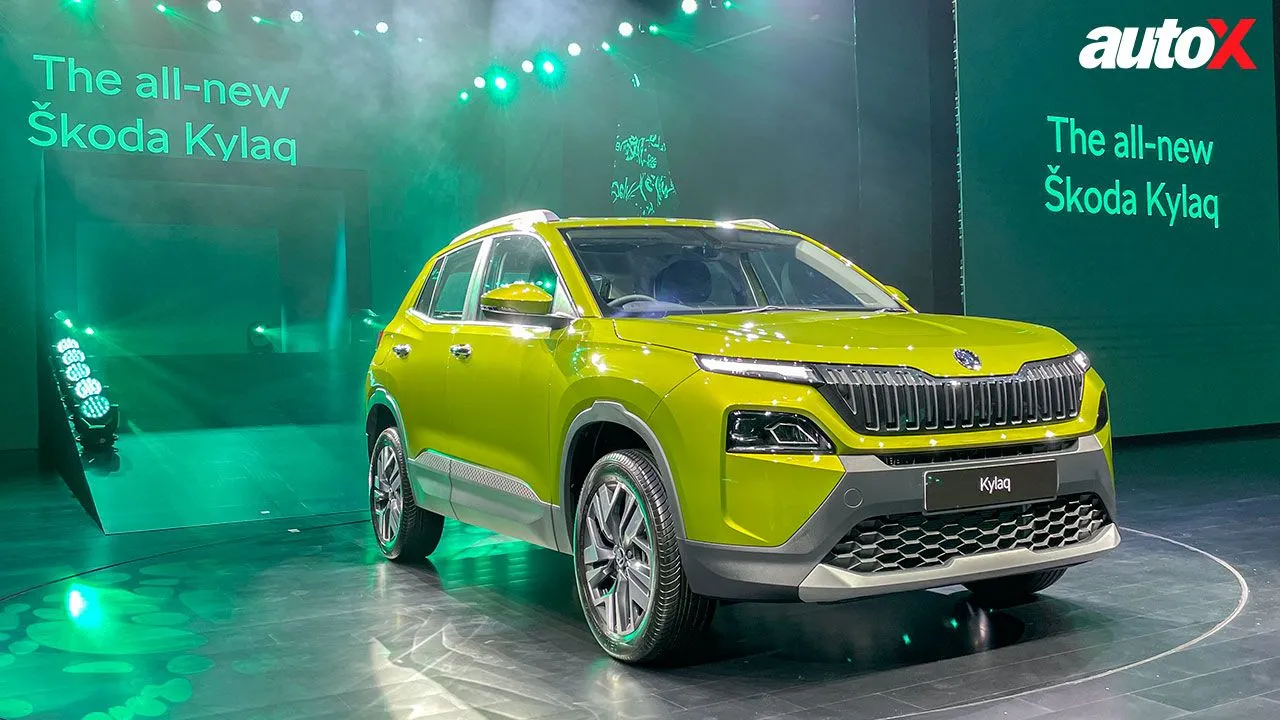
While the prototype of the Kylaq that we drove was under wraps at the time of testing, it has now been unveiled officially, along with the announcement of a lucrative starting price tag – ₹7.89 lakh (ex-showroom). Bookings will commence from December 2 and deliveries will happen next year.
The Kylaq’s styling is based on Skoda’s new ‘Modern Solid’ design language, which was first introduced with the Elroq just last month. In terms of testing, Skoda claims that the Kylaq has undergone an impressive 800,000 kilometres of testing, all within India. As Skoda proudly points out, that distance is greater than the round trip from Earth to the moon.
Overall, the Skoda Kylaq is shaping up to be an exciting product, as the brand appears to be doubling down on its core strengths – driving dynamics, features, and safety. The only key detail that remains to be revealed is the full pricing list, which we’ll know next year. However, it’s worth noting that Skoda already enjoys strong brand value and market positioning, making the Kylaq an inherently aspirational product.
What remains to be seen is whether Skoda can meet market demand efficiently, without delays or hiccups. And who knows, perhaps we’ll see a Kylaq ‘RS’ variant with a 1.5 TSI engine someday – that certainly wouldn’t be a bad idea for enthusiasts.
-1774949027373.webp "Skoda Peaq Electric SUV, Based on Vision 7S Concept, to Offer Over 600 km Range")