Tata Punch EV First Drive Review - Upper Cut for Rivals
With new battery options, improved efficiency, and prices slashed by up to Rs 1.85 lakh, the updated Tata Punch EV aims to strengthen its grip on the compact EV segment.
By Kingshuk Dutta
Photography By Sunil Chauhan
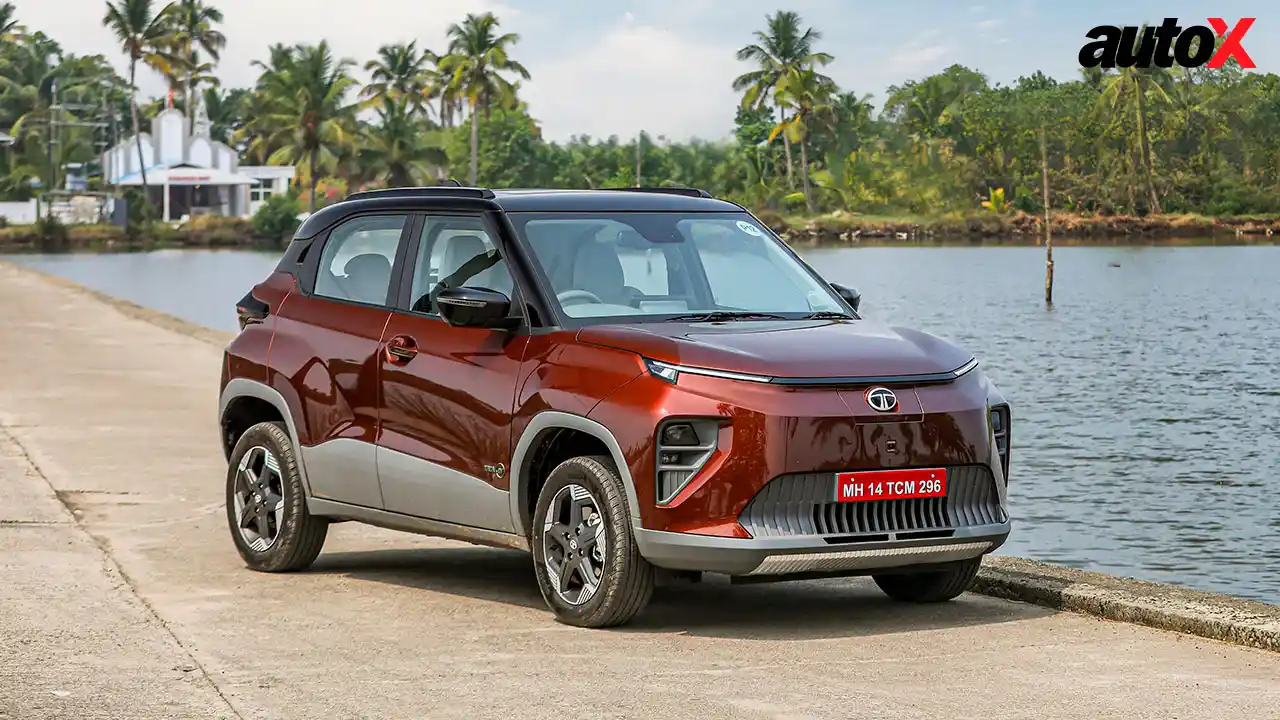
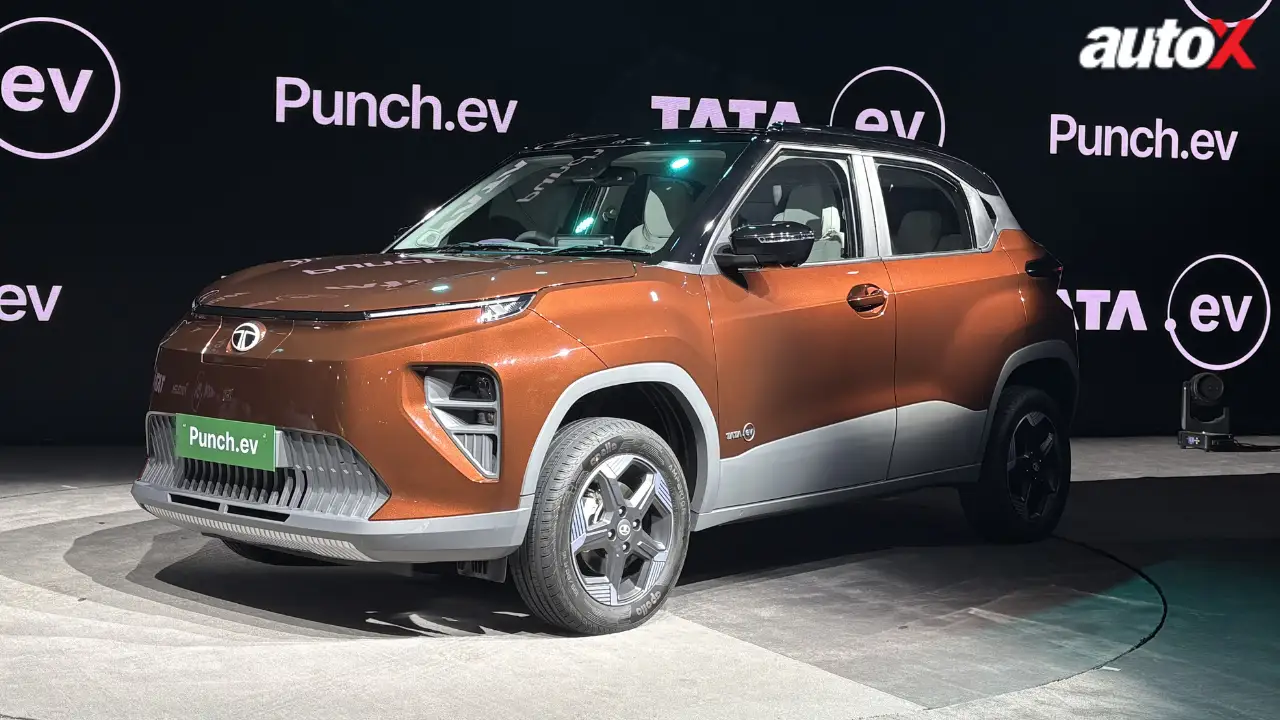
The 2026 Tata Punch EV has received an update, and this isn’t just a cosmetic nip-and-tuck. The new Punch now comes with a lightly refreshed design, new battery options, and, most notably, a significant price drop. In fact, the top-spec variant is now up to Rs 1.85 lakh cheaper than before, which isn’t something you come across every day.
Of course, there are a few compromises. The ambient lighting has been removed, and the rear disc brakes have been replaced with drums. According to Tata, the new integrated powertrain has helped reduce costs considerably, making this aggressive pricing possible.
So, is it still a smart buy? Let’s find out.
2026 Tata Punch EV Design Changes
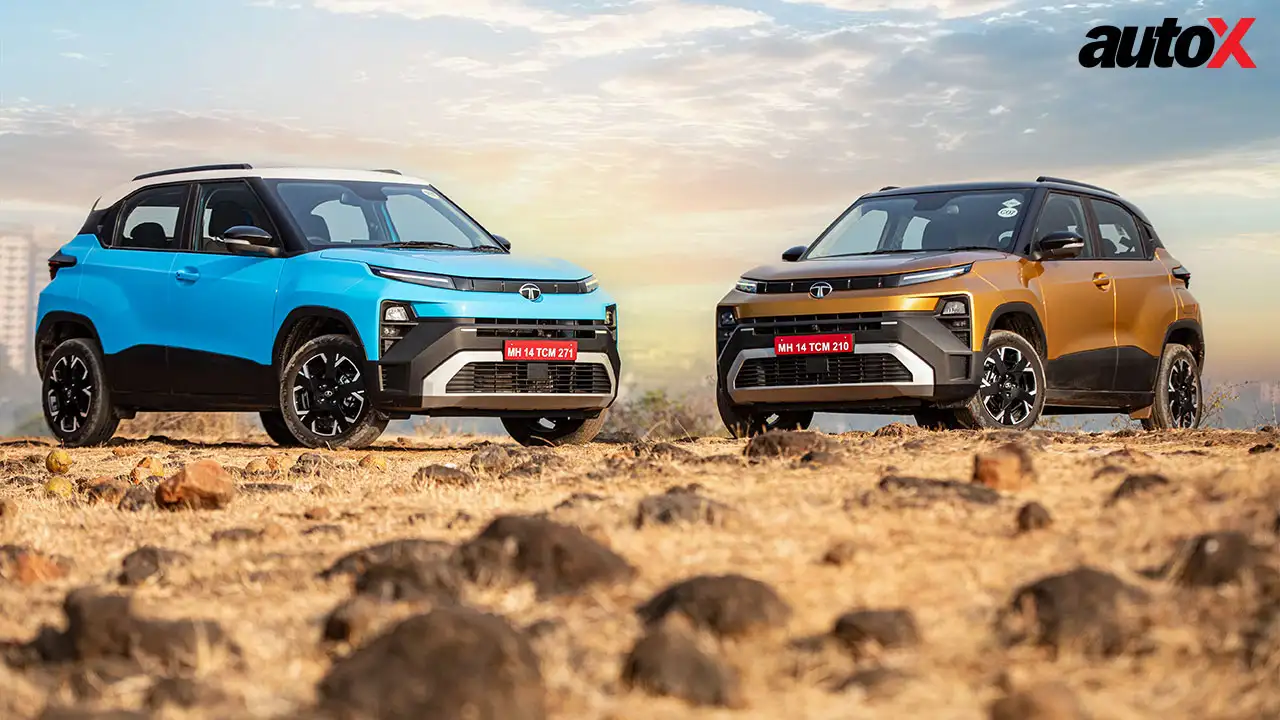
The changes at the front are subtle but certainly noticeable. Gone is the LED light bar that used to bridge the headlamps, replaced by a reshaped bumper for a sharper, more defined look. If I’m honest, I preferred the earlier front-end design; this one feels just a touch overworked. The cladding now sports a new Udaipur Slate Grey finish.
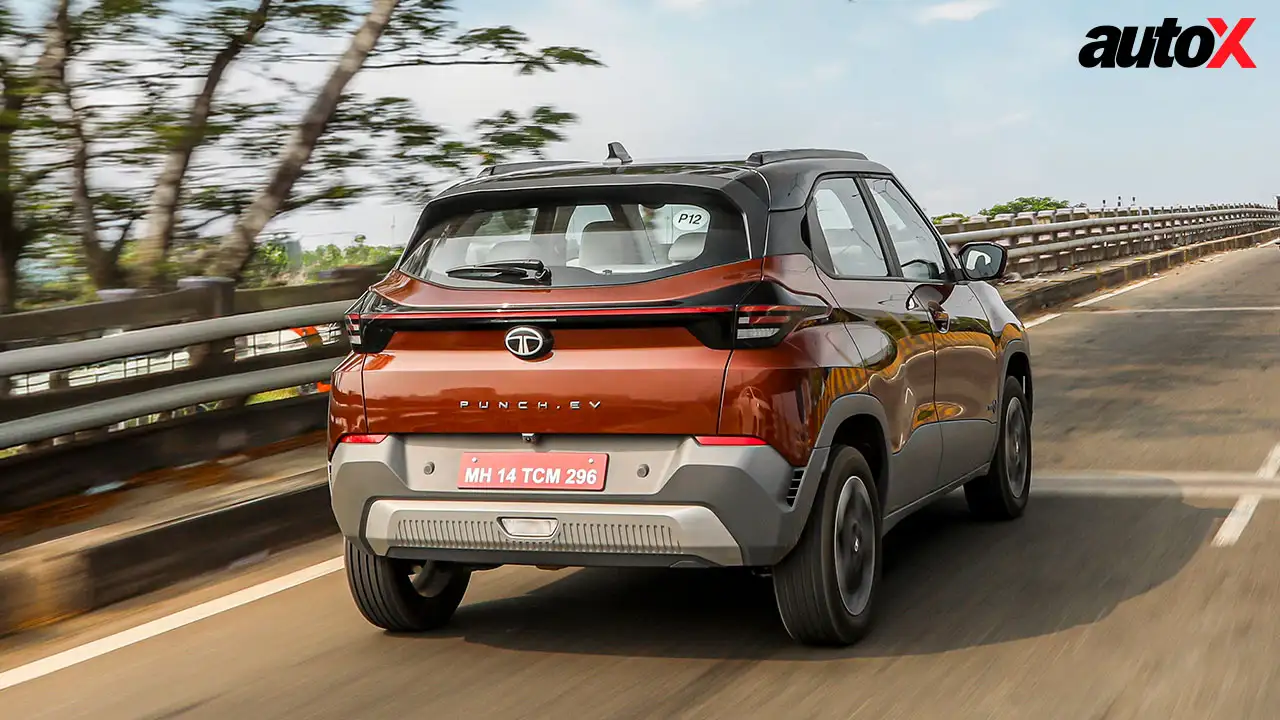
At the rear, the tail-lamps are now connected – a look that feels modern, even if connected lights are rapidly becoming the automotive equivalent of a trending Instagram filter. That said, one very practical improvement is the increased ground clearance, which has gone from 190mm to 195mm. Those extra five millimetres might seem negligible on paper, but on Indian roads, they absolutely matter.
2026 Tata Punch EV Features and Equipment
The Punch EV continues to punch above its weight when it comes to equipment. You get twin 10.25-inch displays – one for the digital instrument cluster and another for the infotainment system – wireless Apple CarPlay and Android Auto, along with multiple voice assistants.
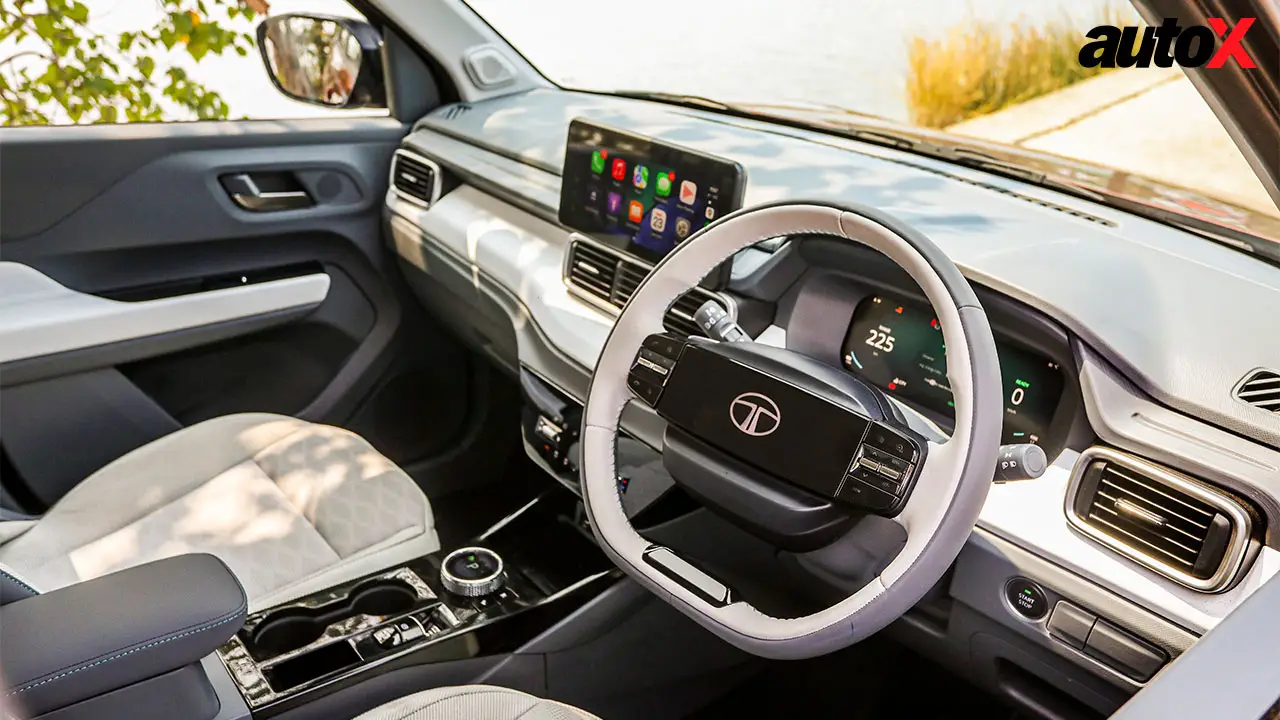
Other features include USB Type-C fast chargers, a wireless charging pad, and a navigation system that can also be displayed directly on the driver’s cluster for easier viewing. Higher variants even offer ventilated front seats, a voice-assisted electric sunroof, and automatic climate control, making the car feel well-appointed for its size and price.
2026 Tata Punch Battery Options
The real update, however, lies beneath the surface. The Punch EV now uses an integrated 6-in-1 EV drive unit including the motor, gearbox, charger, and DC converter. This integrated design does not only make the powertrain lighter and more efficient, but also significantly easier to manufacture.
Buyers now have a choice between two battery options: a 30kWh pack and a larger 40kWh version. We tested the 40kWh variant, which produces 127.4bhp and 153.8Nm of torque and supports DC fast charging up to 65kW. The claimed range stands at 468km, but more on the real-world range in a bit. On the road, the updated Punch EV feels noticeably more eager than its predecessor. The 0 – 100km/h sprint time has dropped from 9.6 seconds to a flat 9 seconds.
2026 Tata Punch EV Performance
Power delivery now feels much smoother and more predictable, making for a more polished driving experience. The brakes, however, could still use a bit more bite; the pedal feels slightly spongy and requires more travel than is ideal. While Tata maintains that the switch to rear drum brakes meets all necessary safety standards, a sharper, more immediate response would have been welcome.
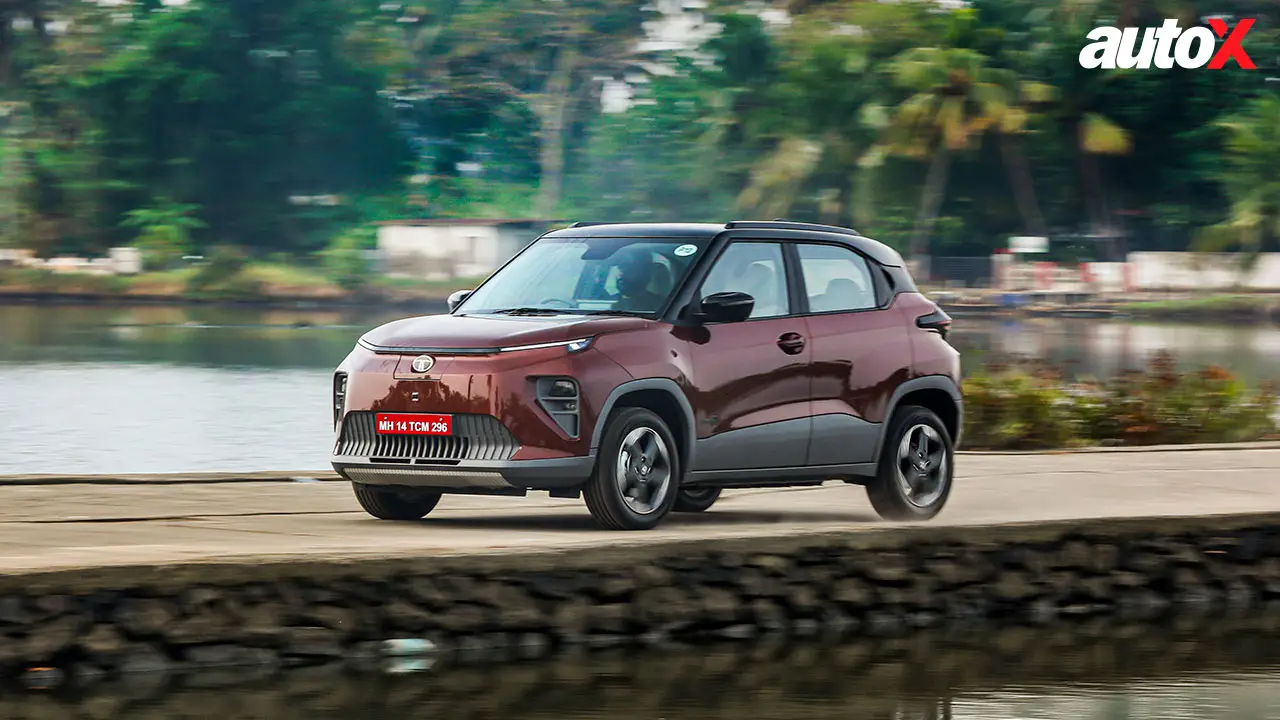
The ride quality continues to be one of the Punch EV’s strongest traits, as it absorbs potholes and broken roads with impressive ease. For a compact EV, it feels remarkably mature and well-sorted, maintaining a level of composure that belies its size. Handling is equally tidy; the car changes direction confidently and remains stable even through fast corners. Its compact dimensions make it a breeze to manoeuvre through dense traffic or slot into tight urban parking spaces, making it feel perfectly suited to the demands of daily city life.
2026 Tata Punch EV Range
During our 80km drive around Kochi – which included a mix of highways and heavy city traffic – the battery dropped from 100% to 69%. The indicated range decreased from approximately 350km to 220km, with average consumption hovering between 168Wh/km and 172Wh/km. In real-world terms, this translates to a realistic range of roughly 310 to 320km with the larger 40kWh battery pack.
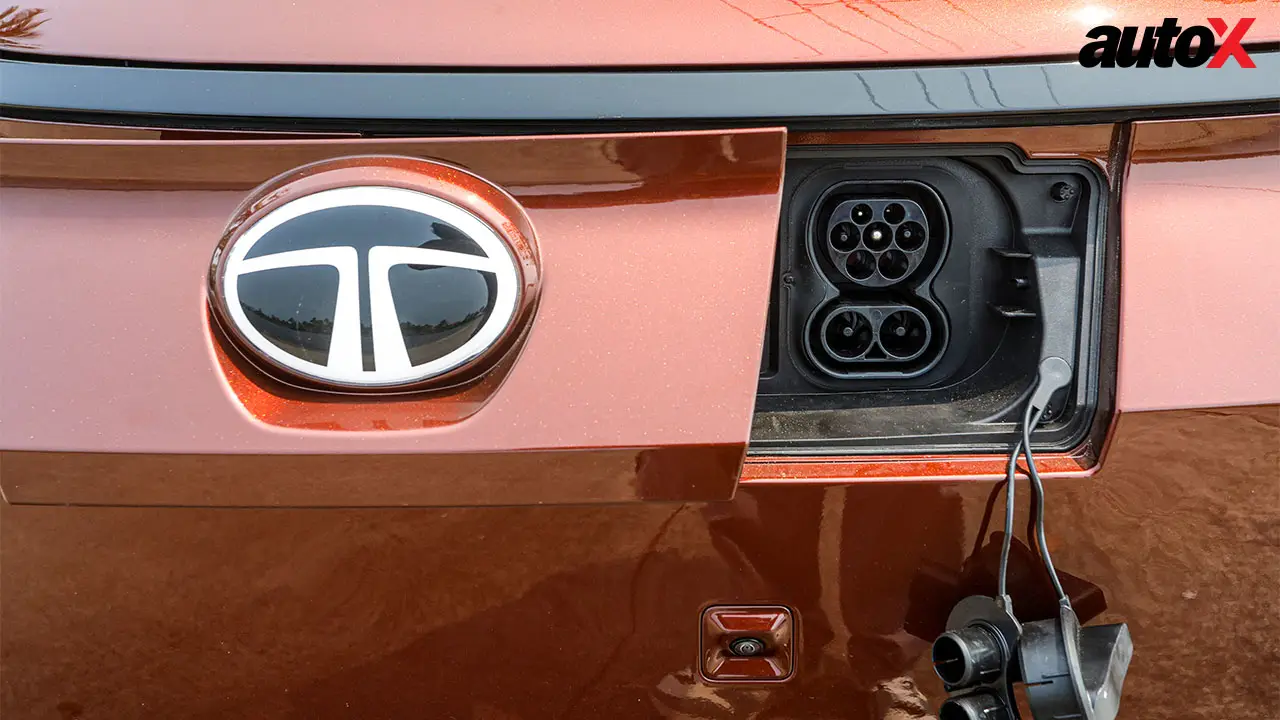
A DC fast charger can take the battery from 10 to 80% in about 25 to 30 minutes, and even a brief 15-minute top-up can add roughly 135km of real-world range.
2026 Tata Punch EV Price in India and Rivals
The new Punch’s prices now range from Rs 9.69 lakh to Rs 12.59 lakh, but the real headline here is the substantial price drop. The top-spec variant is now almost Rs 1.85 lakh cheaper than before, while even the base version costs Rs 30,000 less than the outgoing model. If you opt for the battery-as-a-service option, the starting price drops to Rs 6.49 lakh – a refreshing strategy in a market where prices usually only creep upwards. (All prices are ex-showroom)
2026 Tata Punch EV Review Verdict
Overall, the Punch EV facelift makes a very strong case for itself. It drives better than before, offers a genuinely usable real-world range, and comes at a much more attractive price point. If you drive largely within the city and are looking for an electric car that is practical, comfortable, and easy to live with, the Punch EV makes a great deal of sense. It may have lost a couple of features along the way, but it has gained something far more important: a significant increase in value.
Engine: Single Motor FWD
Battery: 40kWh
Power: 127bhp
Torque: 154Nm
Range: 468km (ARAI)
Price: Rs 12.59 Lakh (ex-showroom)
X-Factor: Aggressive pricing and the absence of direct rivals make this a default choice.
|
Pros |
Cons |