Tata Sierra First Drive Review - History Hits Refresh
The return of the Tata Sierra nameplate is now old news. The question to ask is: will it pose a problem for its rivals, old and new? We believe it will.
By Kingshuk Dutta
Photography By Sunil Chauhan
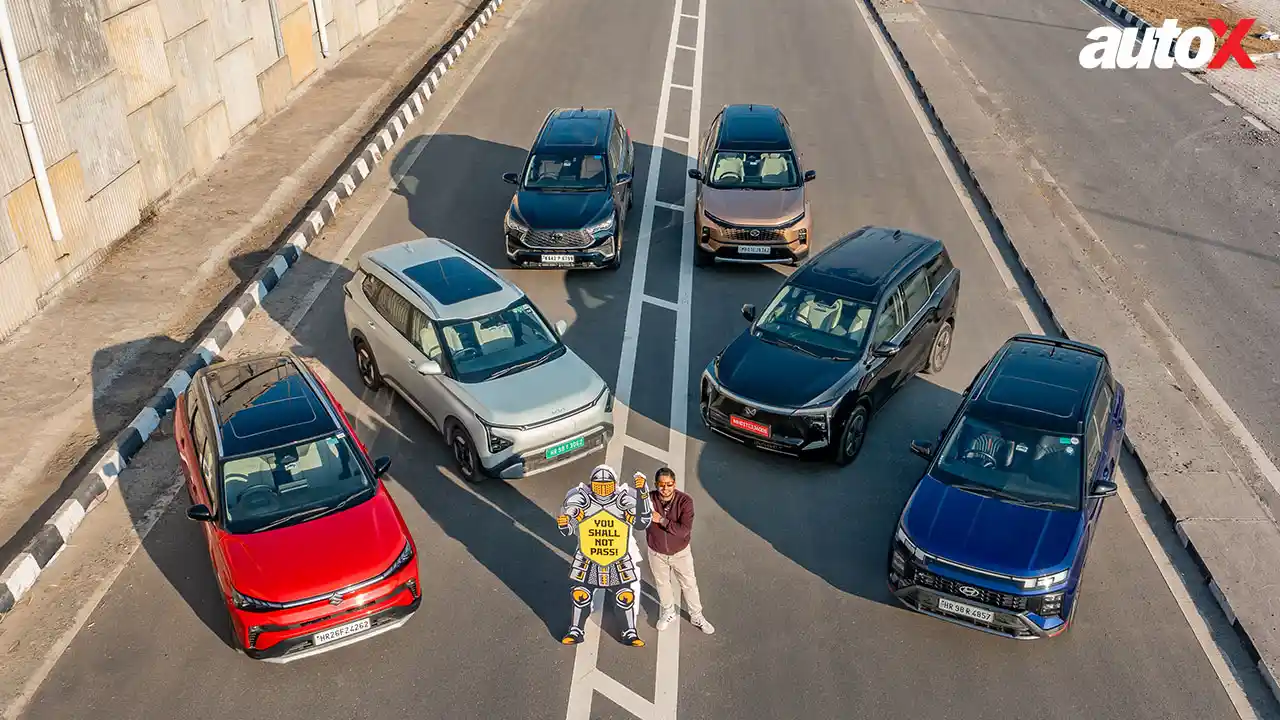
When a brand name carries the weight of nostalgia, the challenge isn’t simply to revive it; it is to redefine it, re-arm it with purpose and modernise its packaging. With the all-new Sierra, Tata Motors didn’t just bring back an icon from the 1990s; it catapulted it into the modern SUV arena with a bold design language, cutting-edge tech, and a package that aims squarely at segment heavyweights like the Hyundai Creta, Maruti Suzuki Victoris, Kia Seltos and the newly-launched Mahindra XUV 7XO.
Tata Sierra Exterior Design & Road Presence
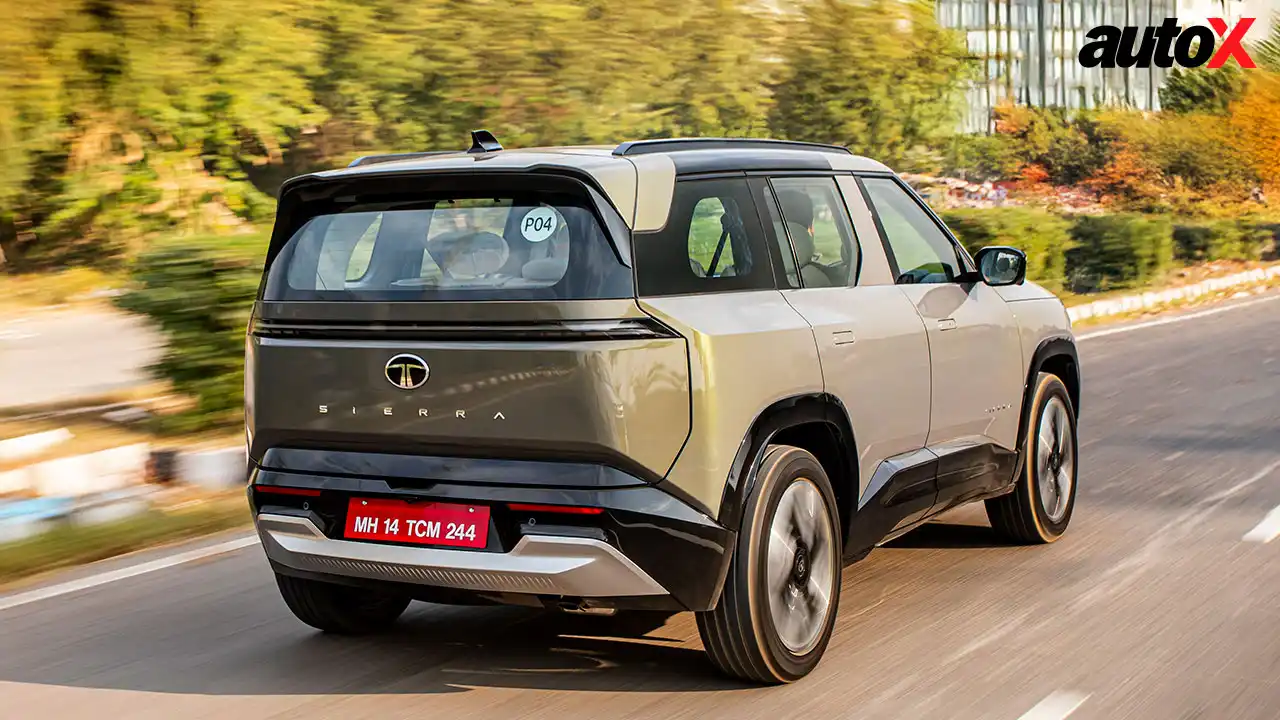
There’s a distinct pull the moment you first lay eyes on the new Sierra. Its boxy silhouette makes for a bold stance, giving it presence in a segment where most rivals look homogenised. The design pays homage of sorts to the original, with hints of the classic upright stance and signature rear Alpine windows.
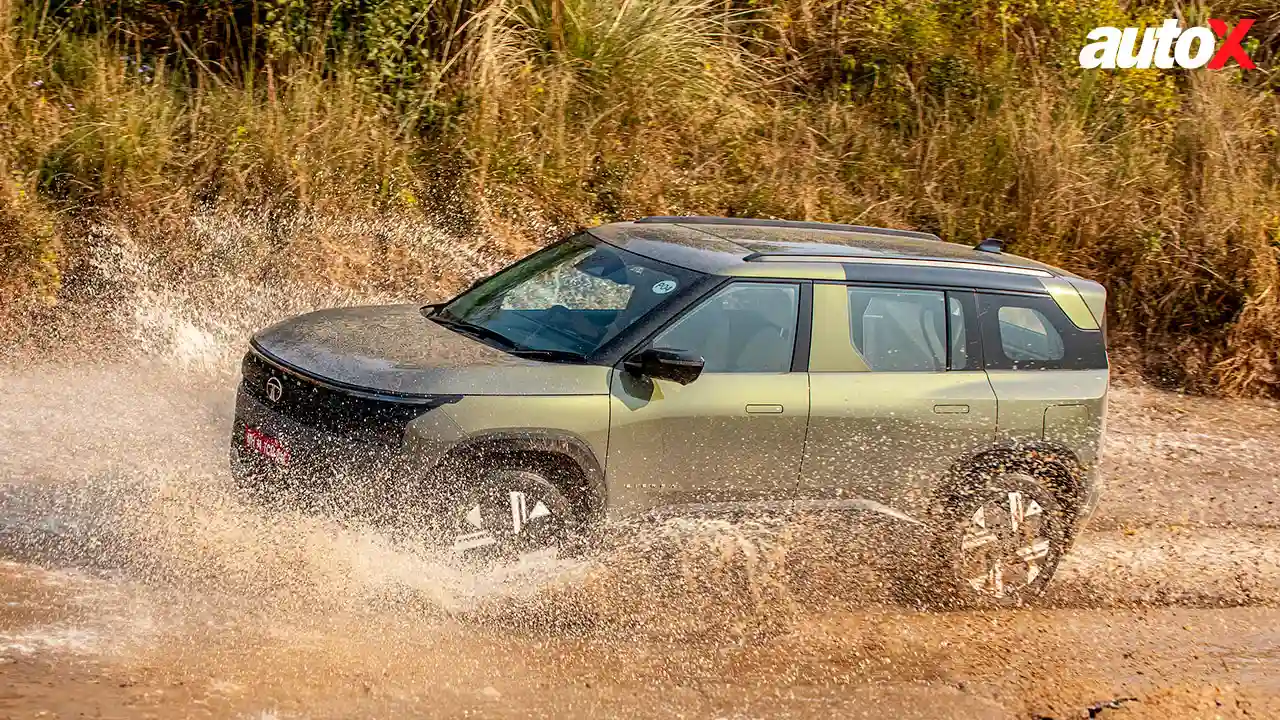
The front fascia is futuristic, ultra-slim LED headlights sit above a bold grille, while the lightsaber LED DRLs and connected rear LED bar lend a distinctive lighting signature. The new 19-inch alloy wheels and roof rails add a rugged flavour. It’s among the tallest, widest and longest in its class, translating into a commanding road presence and generous interior space.
Tata Sierra Interior, Space & Comfort
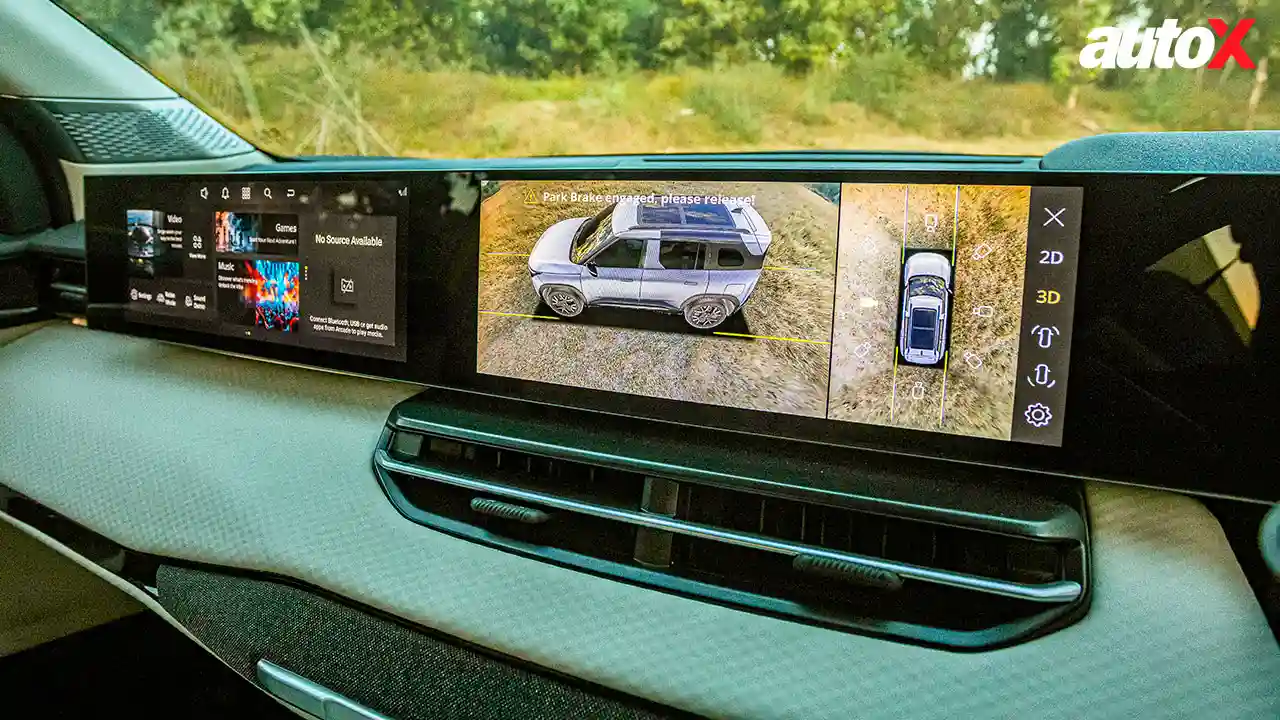
Stepping inside the Sierra signals a departure from the regular Tata interiors. There’s a sense of occasion, with premium materials and thoughtful execution. The highlight is undoubtedly the triple-screen setup on higher trims, a 12.3-inch central touchscreen flanked by a 10.25-inch digital cluster and a 12.3-inch passenger display. The screens offer a crisp, intuitive interface, and Tata has added features like wireless Android Auto/Apple CarPlay. Tata also lets you connect the passenger screen separately via wireless headphones, independent of the central infotainment screen.
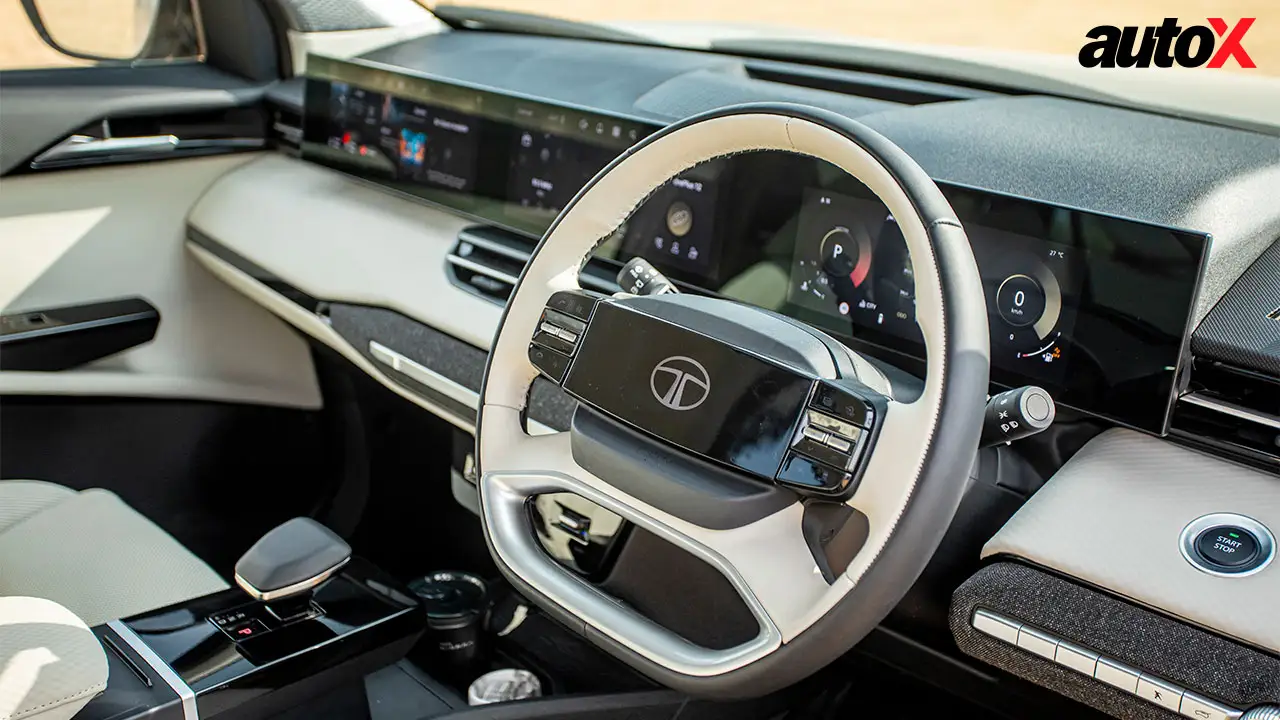
The steering wheel is borrowed from Tata’s other new-age cars and feels right at home in the Sierra as well, complete with an illuminated centre logo. Although I am still not a big fan of gloss-black finishes on the steering, which are tough to maintain and prone to scratches. The seats are spacious and supportive, with manually extendable under-thigh support up front and a reclining rear bench that comfortably accommodates three adults. The passenger sitting on the rear-left side also benefits from ‘Boss Mode’, which allows them to move the front seat with ease. The light-coloured dual-tone upholstery will be a pain to keep clean over the years. Thoughtful touches like rear window blinds, dedicated AC vents, and multiple USB chargers reinforce the Sierra’s family-centric design. With 450 litres of luggage space, and up to 1,250 litres with the rear seats folded, luggage capacity is generous and practical.
Tata Sierra Features, Technology & Safety
Tata has clearly thrown in a laundry list of features in the Sierra. The top-spec variant ticks off a long checklist that includes a panoramic sunroof, a 360-degree camera, wireless phone charging, a 12-speaker JBL system with Dolby Atmos that delivers a great aural experience, and Level 2 ADAS tech.
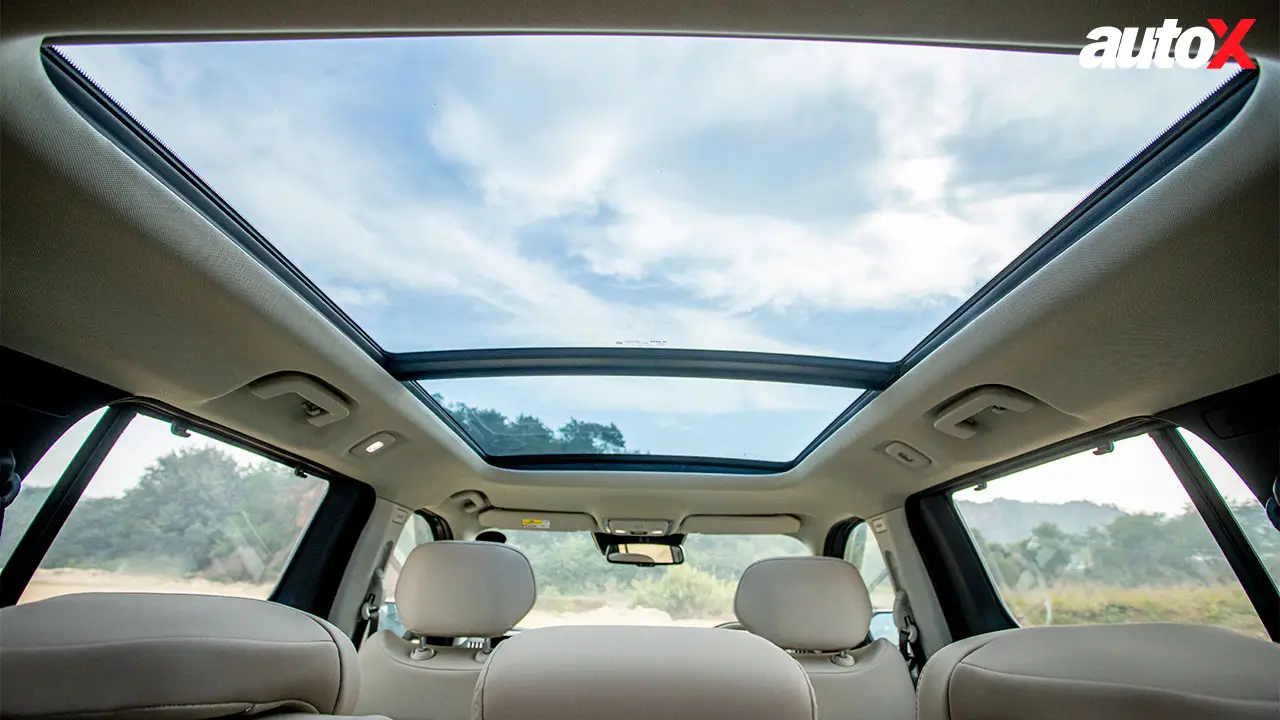
While official crash test ratings are awaited, Tata says the Sierra is engineered with future safety norms in mind, which means it is gunning for a 5-star BNCAP rating.
Tata Sierra Engine Options & Performance Review
The Sierra’s engine lineup includes a new 1.5-litre Hyperion turbo-petrol engine along with a 1.5-litre naturally aspirated unit and a 1.5-litre diesel. I drove the turbo-petrol variant along with the diesel, and between the two, it is an easy choice. It is, of course, the Hyperion turbo-petrol that offers good refinement, strong acceleration, and decent tractability. The lag is nearly non-existent, and the 6-speed Aisin automatic gearbox does a decent job of holding on to the gears as you tap on the throttle for an overtake.
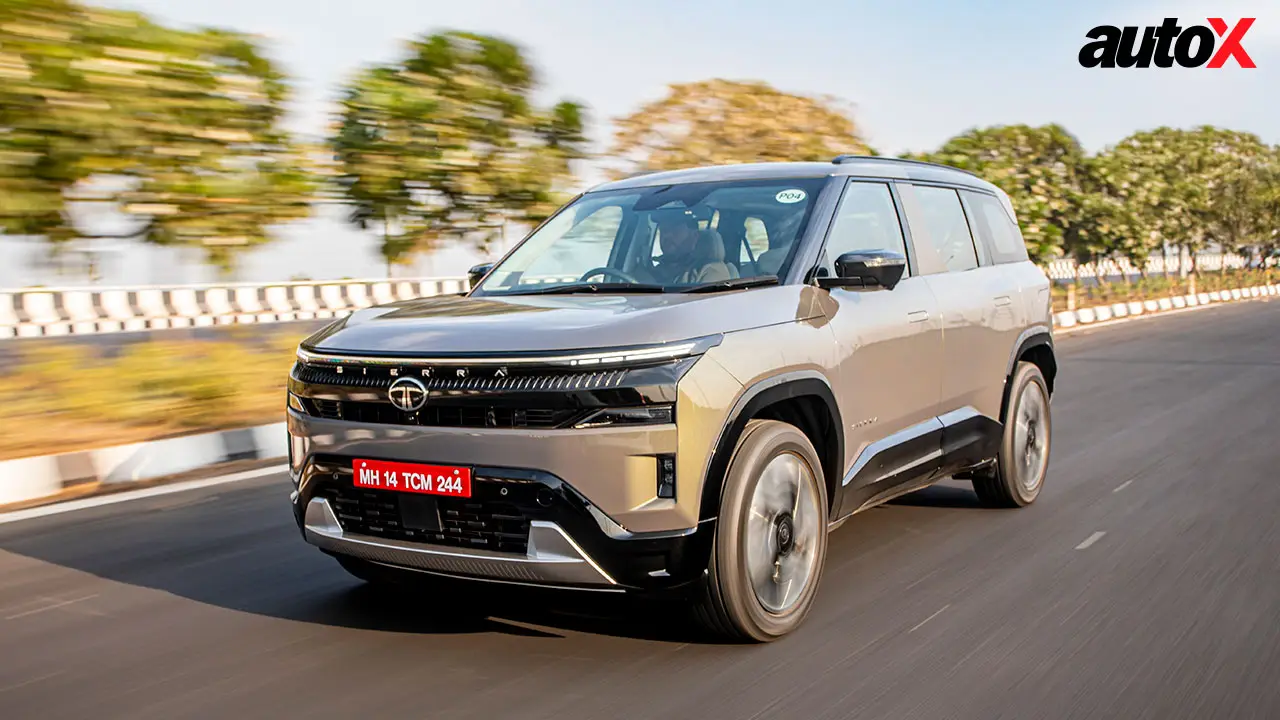
Coming to the diesel, it feels significantly more lethargic than the turbo-petrol and is noisier, too. Surprisingly, the diesel engine lacks that typical mid-range dollop of grunt that you would want from, well, a diesel engine. Acceleration is slower, too, and you feel near-constant vibrations from the engine at all times. It will likely be the more frugal option, but if performance is what you seek, then the turbo-petrol is what you should consider.
Tata Sierra Ride Quality, Handling & Off-Road Ability
The Sierra’s chassis strikes a supple balance. Tata’s engineers have dialled in a suspension setup that soaks up broken urban roads with composure yet doesn’t feel floaty on open stretches. Frequency-dependent dampers help tame body movement and reinforce confidence on twisty roads.
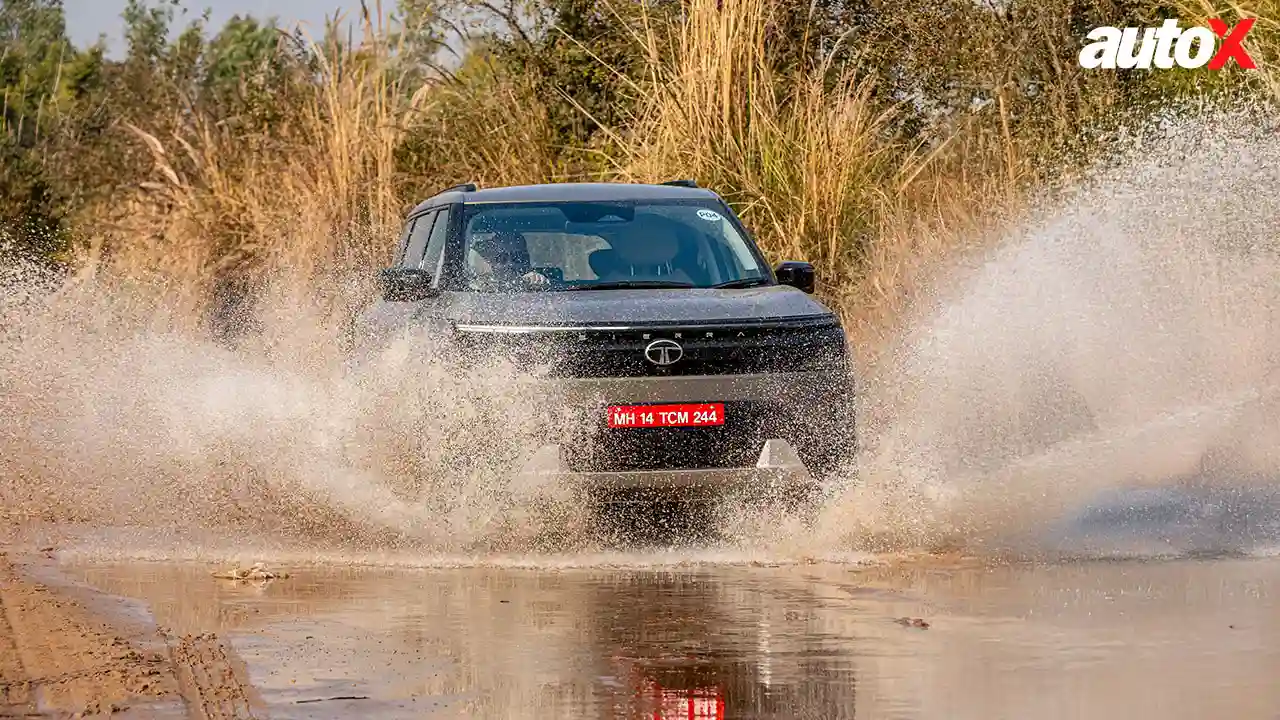
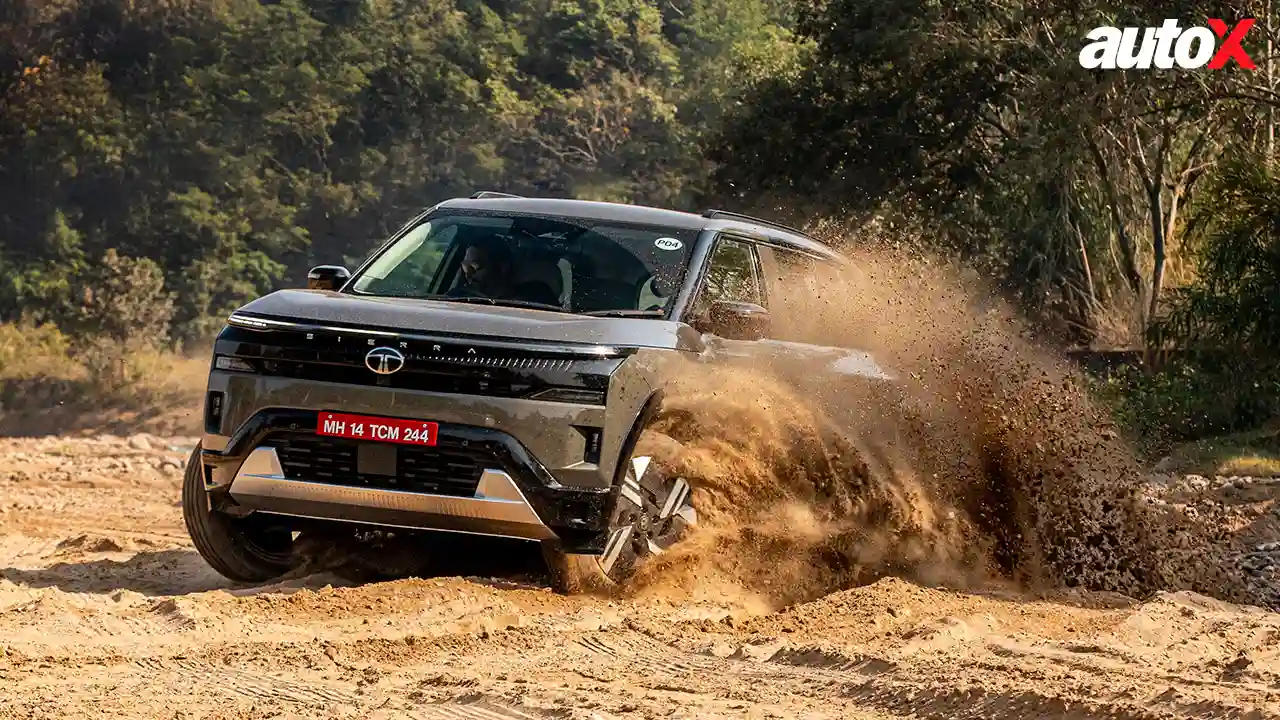
While steering feedback isn’t razor-sharp, it’s predictable and feels reassuring at speed. A ground clearance of 205mm keeps scrubs at bay on rougher terrain, and the Sierra even tackled light off-road sections with confidence.
Tata Sierra Price, Variants & Value Proposition
The Sierra’s pricing strategy is premium rather than being disruptive. The prices start at Rs 11.49 lakh and go up to Rs 21.29 lakh. The diesel variants start at Rs 12.99 lakh, and the turbo-petrol variants are priced from Rs 17.99 lakh, which I think could have been more aggressive. Also, there’s no DCT with the turbo-petrol; it is only available on the 1.5-litre naturally-aspirated engine option, which is a miss.
There are a few nitpicks, though. The road and tyre noise are intrusive at times, the diesel engine isn’t the quietest, and some rivals feel sharper when it comes to driving dynamics. But the Sierra’s many strengths, coupled with its emotional appeal, make it a good choice in the mid-size SUV space. With prices of the 2026 Kia Seltos and the new Mahindra XUV 7XO announced, the Sierra has its work cut out. The fact that the prices of the Hyundai Creta undercuts the Sierra's only makes its job that much tougher.
Tata Sierra Review Verdict
The 2026 Sierra is much more than just a reboot. It blends old-school Sierra appeal with thoughtful modernity. From its bold design to tech-rich cabin and refined turbo-petrol performance, the Sierra offers something that feels both familiar and excitingly new. If the build quality and long-term reliability pass the test of time, the Sierra nameplate could very well have a new legend to its story.
Engine: 1,498cc 4-Cylinder
Transmission: 6-Speed AT FWD
Power: 158bhp
Torque: 255Nm
Fuel: Petrol
Price: ₹20.99 Lakh Ex showroom
X-Factor: Possibly the best-looking SUV in its segment. Plus, gets loads of features.
|
Pros |
Cons |