Toyota Fortuner Neo Drive 48V First Drive Review - King's Gambit
The new mild-hybrid Fortuner brings welcome updates in terms of tech and efficiency, but at the baffling cost of a key comfort feature. So, is the upgrade truly worth it?
By Karan Mathur
Photography By Sunil Chauhan

In the Indian automotive kingdom, the Toyota Fortuner doesn’t just wear the crown – it rules the throne. For years, it has been the default choice for those seeking a full-size SUV that blends commanding road presence with rock-solid reliability. It’s a machine that demands respect. Now, in response to shifting norms and growing competition, Toyota has given its king a mild jolt of electricity with the new 48V ‘Neo Drive’ mild-hybrid system. The question is – does this mark a meaningful evolution in the Fortuner’s reign, or is it merely a case of playing catch-up?
Toyota Fortuner Neo Drive 48V Features - What’s New, & What’s Gone?
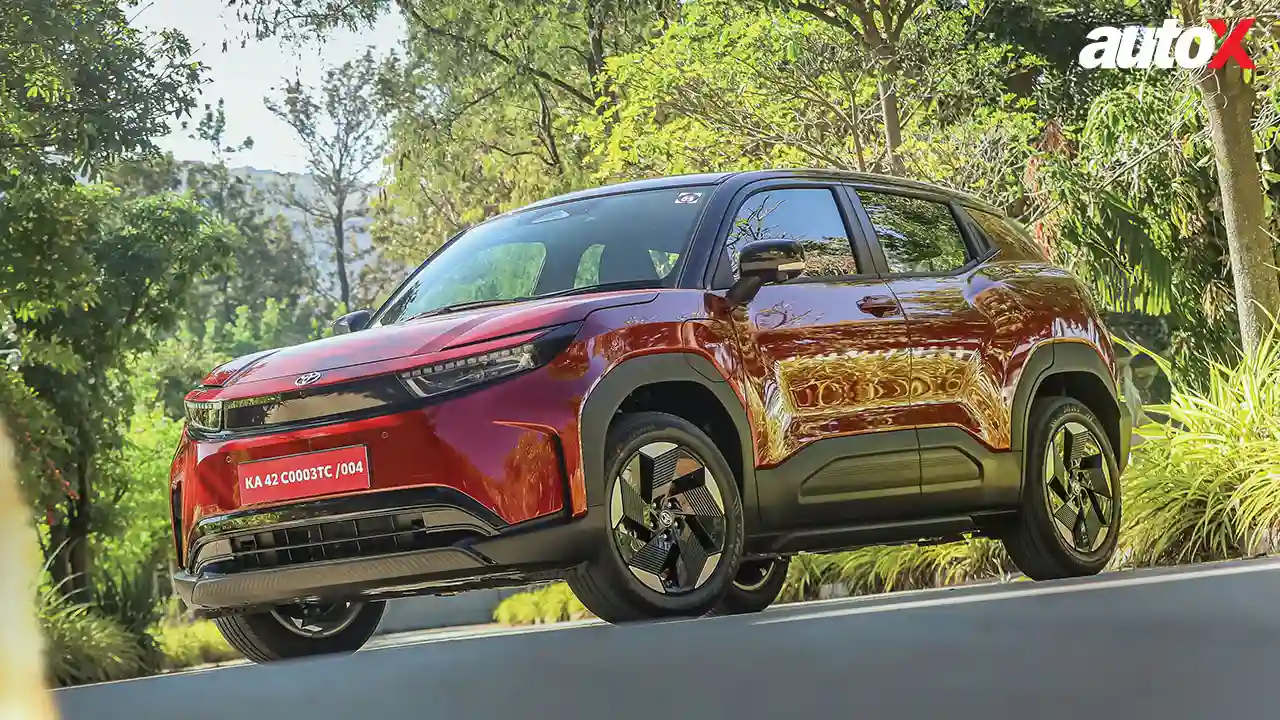
From the outside, you’d be hard-pressed to spot any changes. The Fortuner Neo Drive retains the same muscular, intimidating design that has made it a legend on Indian roads. Toyota knows better than to tamper with a winning formula, so its iconic look remains untouched. The only giveaway? A subtle ‘Neo Drive’ badge at the rear.

But here’s where it gets controversial. In a baffling move, Toyota has axed the ventilated front seats. Yes, in a country where summers are brutal, they’ve dropped one of the most comfort-critical features. At this price point, it feels like a tone-deaf omission, putting a damper on an otherwise sensible update. Toyota’s justification? The battery placement inside the cabin supposedly created an electrical incompatibility. Fair enough, but that doesn’t make it any less of a letdown.
Toyota Fortuner Neo Drive 48V Powertrain Review - Has the Performance Changed?
The ‘Neo Drive’ name refers to the introduction of Toyota’s 48V mild-hybrid system. But let’s be clear – this is not a full hybrid. You can’t drive it on pure electric power. Instead, the system is designed to improve efficiency and refinement. The heart of the beast – the torquey 2.8-litre diesel unit – remains untouched, still churning out a solid 204bhp and 500Nm of torque in the automatic variant.

So, what does the 48V system actually do? It performs two primary functions. First, it enables a Smart Start-Stop system, which shuts the engine off at idle to save fuel and restarts it smoothly, thanks to the electric motor. Second, it provides ‘Torque Assist’ during acceleration. It’s not about extra power; it’s about filling in the gaps caused by turbo lag, easing the strain on the diesel engine. The result? Better fuel economy and noticeably smoother throttle response. While we can’t confirm the former, we can confidently vouch for the latter.
On the road, the difference is subtle but perceptible. The engine now shuts off silently at stoplights and restarts without the typical shudder of traditional systems. Acceleration from a standstill feels marginally smoother. These changes do not redefine the driving experience; they refine it.

For off-road enthusiasts, the Neo Drive variants now feature a Multi-Terrain Select system, which fine-tunes throttle response, braking, and traction control to optimise performance across challenging surfaces like mud, sand, and rock. You also get dedicated terrain modes for both 4-High and 4-Low settings on the transfer case.
Toyota Fortuner Neo Drive 48V First Drive Review Verdict
The Toyota Fortuner Neo Drive gets a true mild-hybrid system, which adds a welcome layer of refinement and a marginal improvement in fuel efficiency, making the undisputed king a bit more conscientious. The inclusion of a 360-degree camera and a wireless charger is a welcome and necessary update that helps the Fortuner keep pace with its rivals. However, the puzzling removal of ventilated seats somewhat undermines its premium appeal. So, does the Neo Drive update secure the Fortuner’s throne? Absolutely. Its core strengths – bulletproof reliability, commanding road presence, and off-road capabilities – remain untouched. The King still rules, but not without a curious chink in its armour.

Engine: 2,755cc 4-Cylinder
Transmission: 6-Speed AT 4WD
Power: 204bhp
Torque: 500Nm
Fuel: Diesel
Price: ₹44.72 Lakh Ex showroom
X-Factor: Gets everything that made the Fortuner a legend, with added refinement and efficiency
|
Pros |
Cons |