Toyota Urban Cruiser Ebella First Drive Review - Sensible Spark
The Ebella may be late to the EV party, but armed with Toyota’s bulletproof reputation, it could be the electric SUV we’ve been waiting for.
By Karan Mathur
Photography By Sunil Chauhan
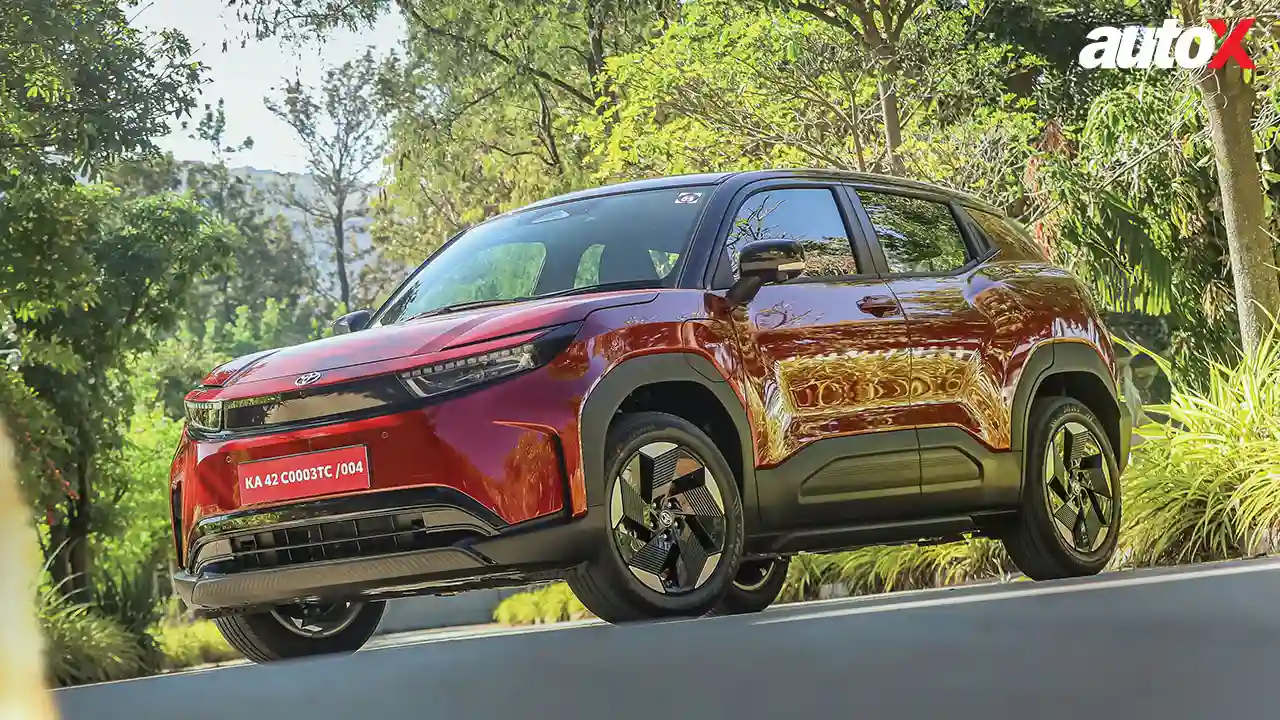
Within Toyota’s lineup, if the Innova was the car that got Indians used to the luxury of captain seats and the Fortuner redefined road presence, the new Toyota Ebella arrives carrying the weight of immense expectations. It isn’t just another SUV; it is Toyota’s first foray into the Indian EV space. Launching in 2026 – nearly 30 years after Toyota first experimented with the RAV4 EV globally – the Ebella isn’t just late to the party, but the party, in fact, is already in full swing, with the likes of the Tata Curvv EV and its own sibling, the Maruti Suzuki e Vitara, already vying for attention.
The question, then, is: has Toyota used this time to perfect the recipe, or is the Ebella simply a rebadged exercise in brand loyalty? To find out, I took it on a 100km road test through the winding roads of Nandi Hills.
Toyota Urban Cruiser Ebella vs Maruti Suzuki e Vitara: What’s Different?
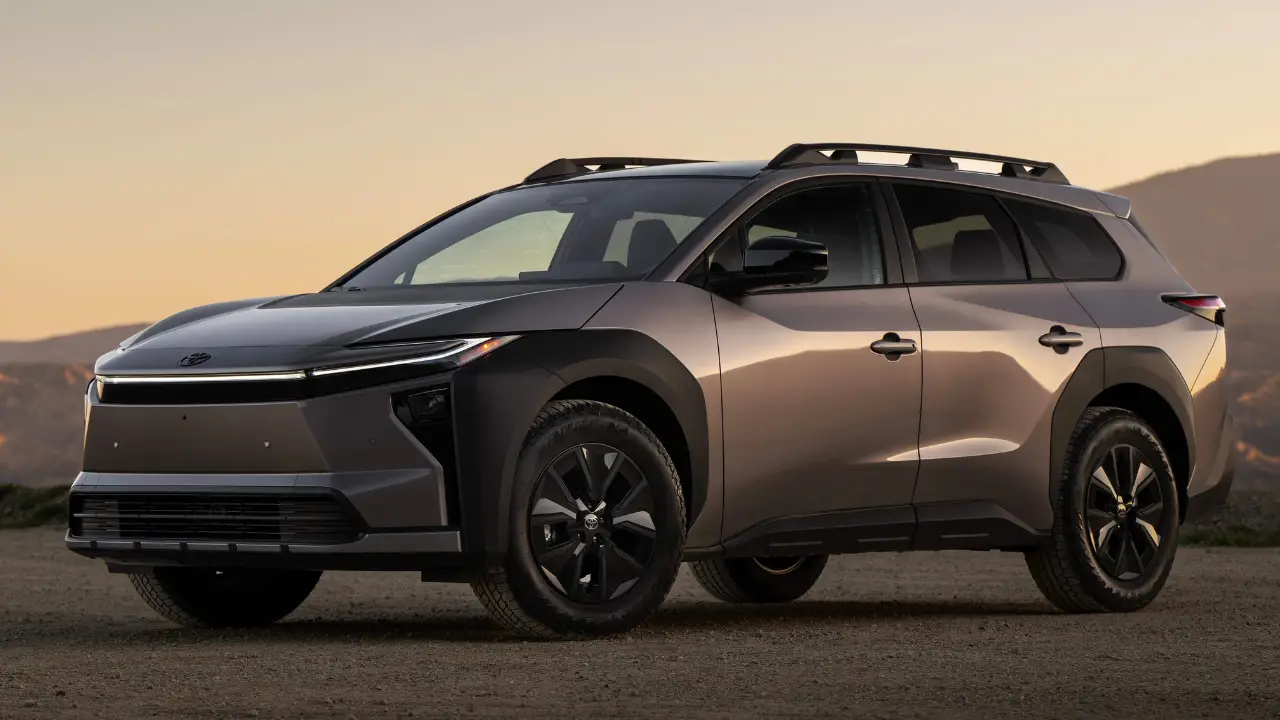
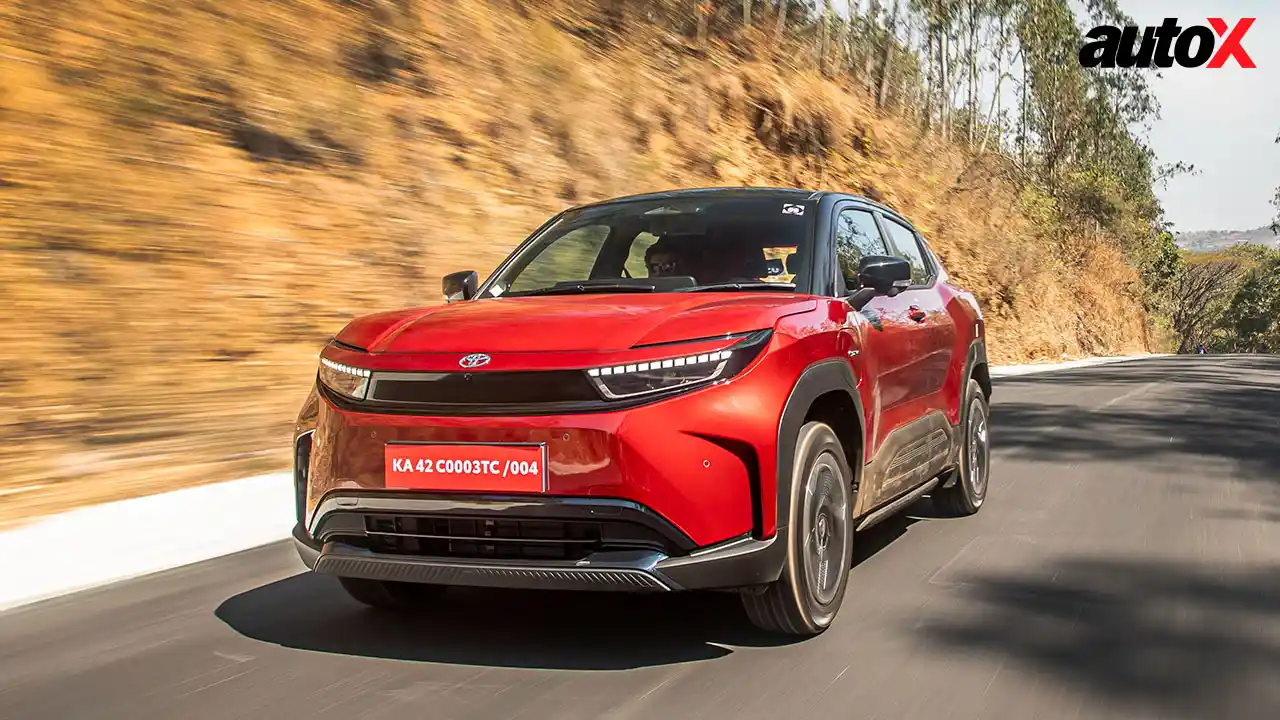
Let’s address the elephant in the room. The Ebella is born from the Toyota-Suzuki partnership, and yes, the skeletal structure, features, and powertrain are shared with the e Vitara. However, up close, the Ebella feels different. It carries a certain aura that is distinctly Toyota. While the hard points are shared, the unique exterior treatment gives it a slightly more sophisticated, premium stance. The hammerhead-inspired front fascia, borrowed from its siblings, does a good job of evoking familiarity among Toyota fanboys.
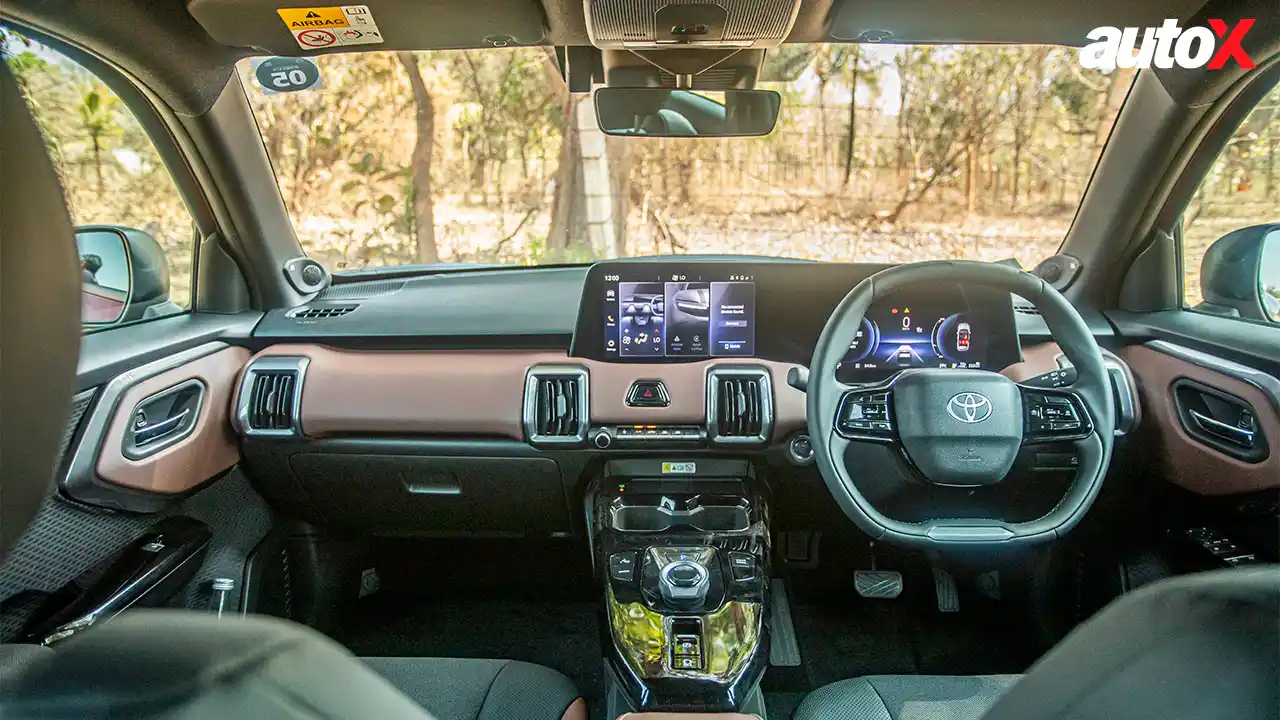
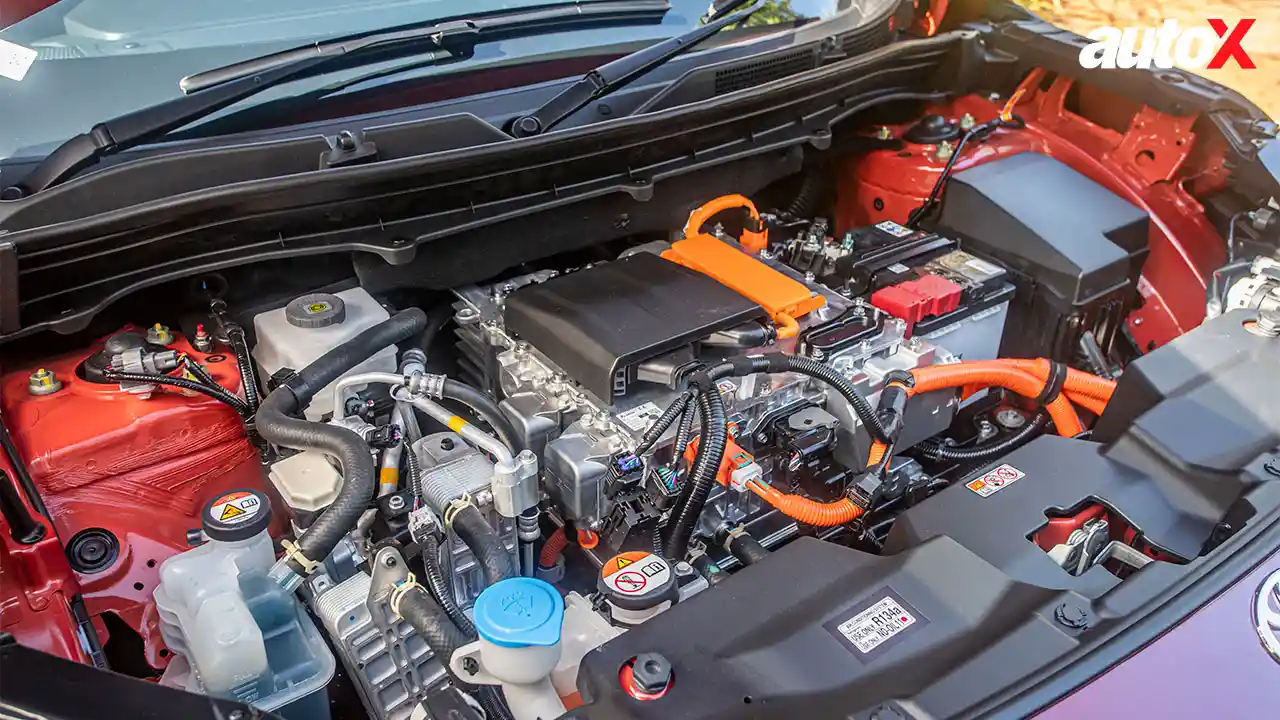
Inside, the story remains largely unchanged. While you now have the bold Toyota badge on the steering wheel, parts are shared between the two platforms, with fit and finish on par. What stands out is that the Ebella inherits that same sense of rugged build quality that characterises the e Vitara. Toyota’s pitch, however, isn’t just about the metal; it’s about the ecosystem. With a service network they claim is EV-ready and the legendary peace of mind that comes with the badge, the Ebella aims to position itself as the safe bet in a segment still marked by range anxiety and reliability jitters.
Toyota Urban Cruiser Ebella Performance: Is 171bhp Enough?
On paper, the Ebella’s specifications might make an enthusiast scoff. In a world where the Tata Curvv EV churns out upwards of 215Nm of torque, the Ebella’s 189Nm (from its 61kWh battery variant) sounds modest. But as they say, numbers are for brochures; the seat-of-the-pants feel is what truly matters when it comes to performance.
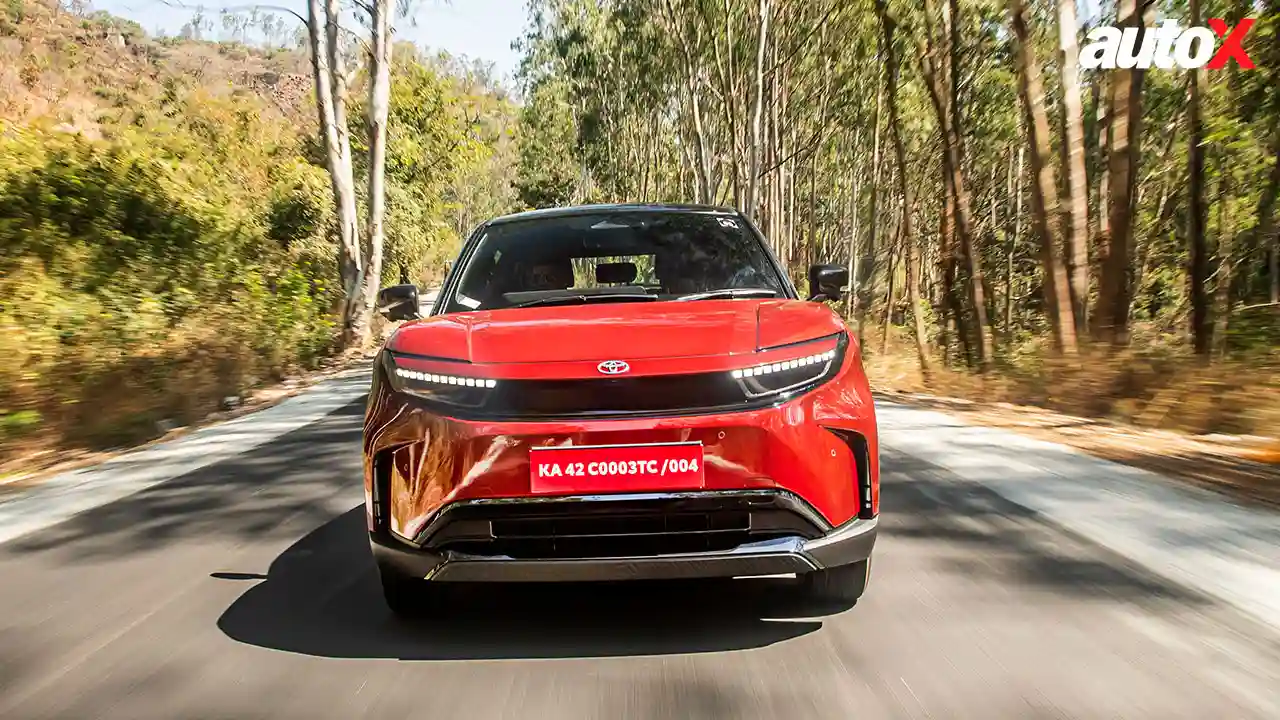
Step on the throttle, and you won’t feel that neck-snapping, jerky acceleration prevalent in EVs like the Nexon and Curvv. Instead, it offers a beautifully linear climb up the speedometer. It feels light on its feet, peppy, and refined. The 171bhp output is managed with a level of sophistication that makes the performance feel brisk rather than manic. It is an easy car to drive fast without ever feeling like you are wrestling with it, trying to put all that power to the ground.
Toyota Urban Cruiser Ebella Ride & Handling
One thing Toyota usually gets right is the ride quality for Indian roads, and the Ebella continues that legacy. In fact, in terms of planted feel, it faithfully follows in the footsteps of the Innova. During the test, even at triple-digit speeds on the highway to Nandi Hills, the Ebella remained remarkably composed. With a ground clearance of 189mm, it effortlessly handled Bangalore’s notorious speed breakers without a hint of bottoming out, and it handles broken tarmac in a similar, non-fussed fashion.
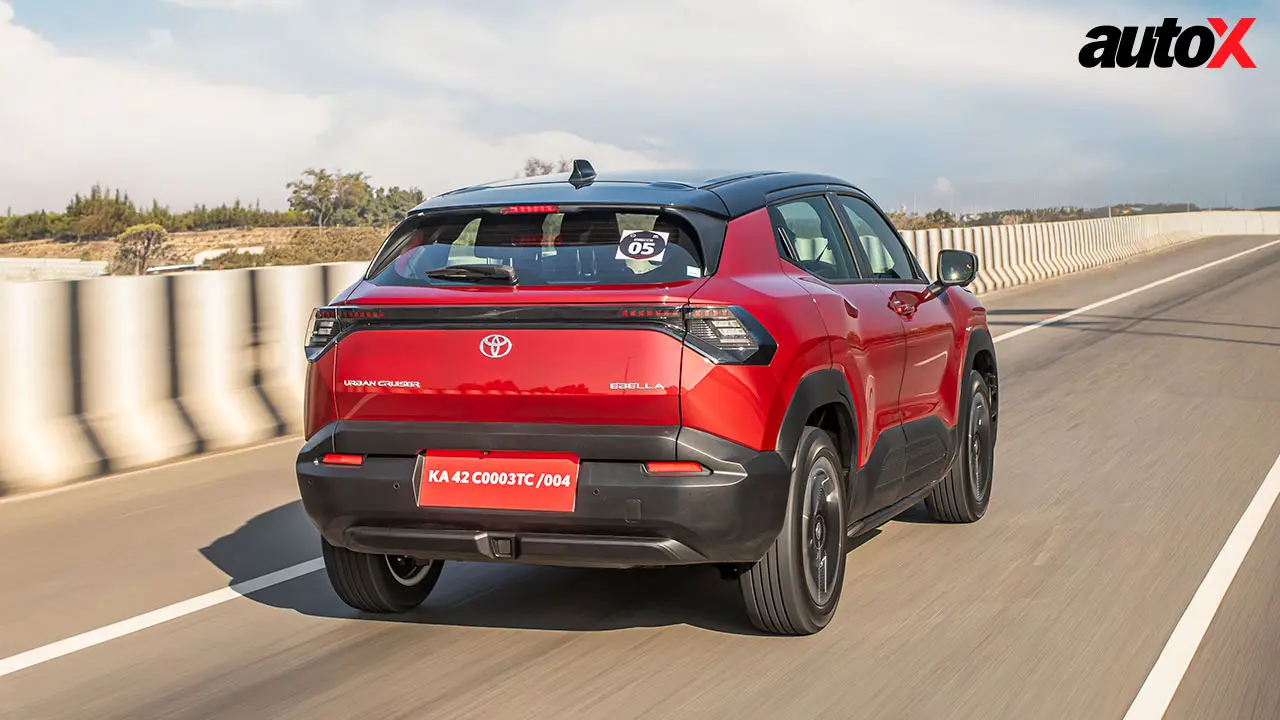
The suspension is taut but pliant, absorbing the sharp edges of potholes better than most heavy EVs, which often feel unsettled due to their sheer mass. The steering is light enough for a low-effort flick through tight traffic, but it weighs up nicely, inspiring confidence as the roads open up.
Toyota Urban Cruiser Ebella Interior, Features & Comfort
The interior is where the Ebella tries to impress the middle-level executive craving a touch of flair. The layout is modern, and the 10.25-inch infotainment system – shared with the Suzuki – is crisp and has an intuitive UI. However, in a curious ergonomic choice, the screen is angled slightly toward the co-passenger, which makes the driver’s viewing angle awkward.
Then there are the tacky bits. Despite the premium billing, hard plastics in high-touch areas serve as a persistent reminder of the car’s shared DNA. The 9-speaker JBL system, which looks fancy in the brochure, begins to crack when fed bass-heavy tracks at high volumes. And don’t get me started on the cameras – the footage from the 360-degree camera is grainy, and it struggles significantly in low-light conditions.
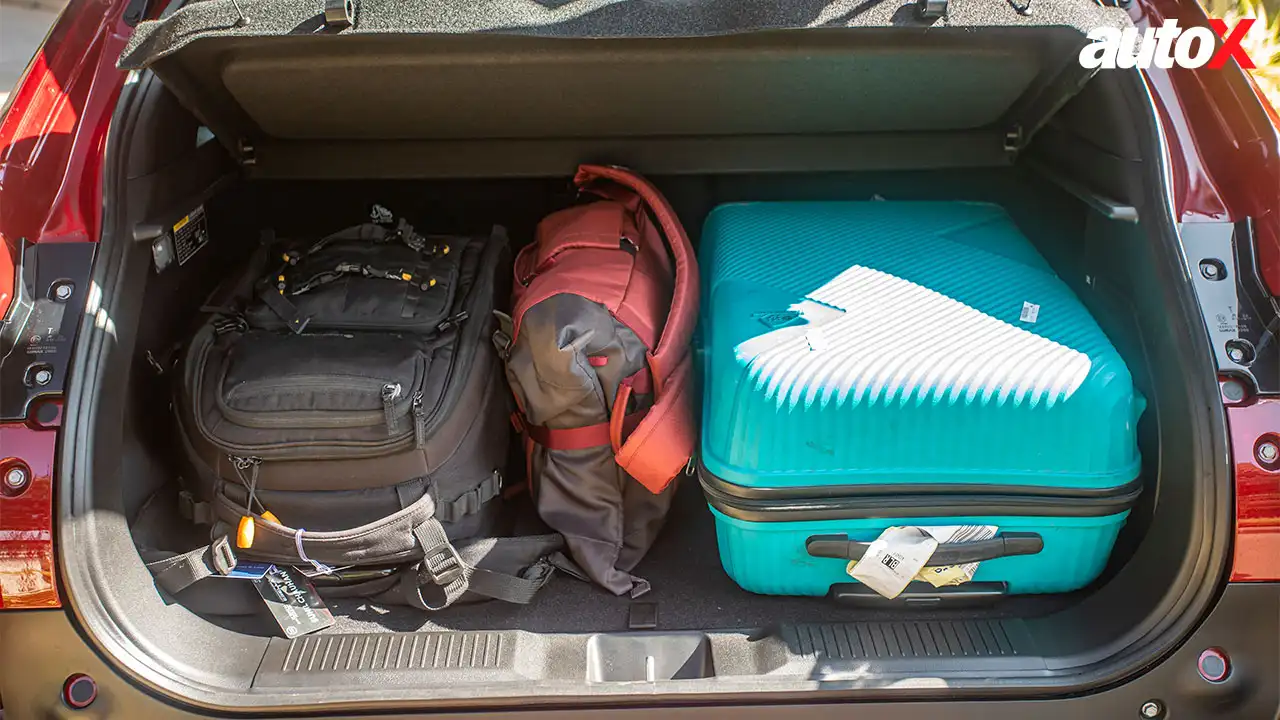
In terms of comfort, too, the Ebella remains a mixed bag. In a country where Toyota is synonymous with being chauffeur-driven, the Ebella’s rear seat is a bit of a letdown. The floor is high – a common EV trait – which means your knees sit higher than you’d like, and there’s a noticeable lack of under-thigh support.
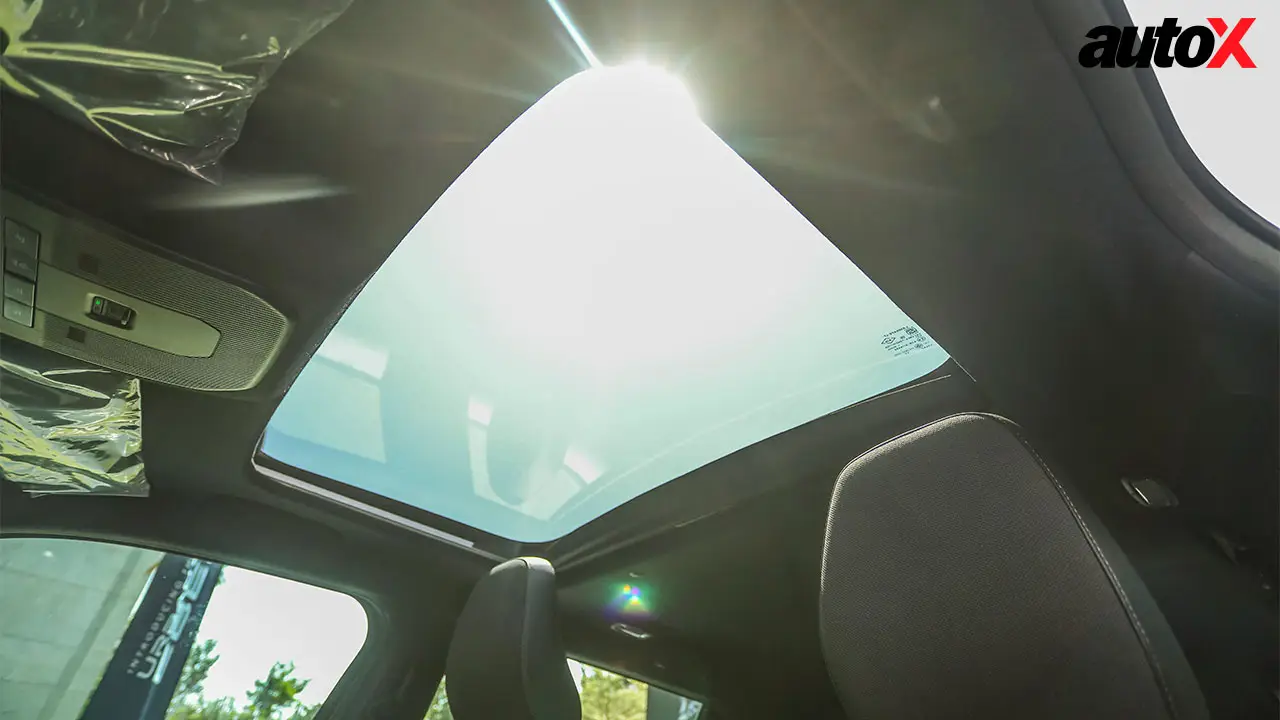
The panoramic sunroof is too small, and combined with the small rear windows, the cabin can feel dim and cramped for three adults. It is a space best suited for two adults or a small nuclear family with kids.
Toyota Urban Cruiser Ebella Real-World Range and Efficiency
Toyota claims an ARAI-certified range of 543km for the Ebella. In the real world, however, the narrative shifts. During our 101.2km test – which included tracking runs, camera-car tailgating, and the stop-and-go chaos of Indian traffic – the battery dropped from 99% to 69%. This 30% drop over 100km suggests a real-world range of roughly 330-340km when driven with a heavy right foot.
That said, if you adopt a more conservative driving style – what you could call sedate and subtle driving – you can realistically expect between 350km and 400km on a full charge. The good news? The range estimator is quite precise – it does not indulge in optimistic calculations to make you feel better. It provides an accurate, reliable readout, which is exactly what you want when the battery begins to deplete.
Toyota Urban Cruiser Ebella Review Verdict
So, is the Toyota Ebella a sensible choice as a primary vehicle? For an urban-dwelling nuclear family looking for their first foray into sustainable mobility, the answer is yes. It offers a level of mechanical refinement and overall peace of mind that many of its segment rivals are still chasing.
However, there is no escaping the similarity to the e Vitara. While my head might argue that for the price, the quality and comfort should be more Toyota-like and a bit better than the e Vitara, my ‘heart’ still appreciates the polished, stress-free nature of its driving experience. Ultimately, the Toyota badge on the steering wheel represents more than just branding; it translates into a sense of long-term reliability and greater peace of mind. It’s a car that takes some of the anxiety out of going electric. The Ebella may be late to the EV party, but in typical Toyota fashion, it feels like it’s built to last.
Engine: Single Motor FWD
Battery: 61kWh
Power: 172bhp
Torque: 189Nm
Range: 543km (ARAI)
Price: TBD
X-Factor: The Ebella prioritises a polished driving experience over gimmicky tech and comes with a badge that practically guarantees peace of mind as a bonus.
|
Pros |
Cons |