Inside the Mind of F2’s Youngest Race Winner and F1 Prospect - Exclusive Interview with Arvid Lindblad
In an exclusive talk, Formula 2’s Arvid Lindblad discusses his road to F1 and the mindset powering the young Red Bull prospect.
By Divyam Dubey

-1757749162372.webp "Arvid Lindblad (2)")
For most, the sound of a high-performance engine is mere noise, but for an enthusiast, it is a symphony that stirs the soul. It is a world where every flick of the throttle and every blur across the finish line writes a new chapter in an enduring love for racing. For Arvid Lindblad, that passion took hold early—not on grand circuits, but on humble karting tracks, nurtured by a rich tapestry of family tradition and global heritage.
His story extends beyond raw talent; it is rooted in the warmth of two cultures. Picture a young Arvid, his weekends filled with the buzz of two-stroke engines and the scent of his nani’s home-cooked curries wafting through the paddock. The pit lane was more than a battleground of strategy and telemetry—it became a family meeting place, blending Swedish determination, Indian hospitality, and British racing spirit to shape the resilient driver he is today.
Signed by Red Bull at just 13, Arvid’s journey quickly moved from promise to proof. In 2025, aged only 17, he became the youngest driver ever to win a Formula 2 race, turning heads across the motorsport world. His road to Formula 1 is not merely about lap times; it is about a young man pursuing his passion, powered by the bonds that shaped him and the dreams he is determined to fulfil.
-1757749166587.webp)
We had the privilege of an exclusive interview with Arvid Lindblad, gaining rare insight into the mind of a young prodigy poised to make his mark on Formula 1.
Can you take us back to your earliest racing memory? How did you get into karting, and was motorsport always part of your family life?
My story starts with my paternal grandfather, who had a strong interest in motorsport. He watched anything with wheels and an engine, and he passed that passion on to my father, who did some motocross as a teenager. I began with motocross at three, but I didn’t immediately enjoy it, and my mum found it daunting. That ended quickly, and I went karting for the first time when I was five. I wouldn’t say we were a motorsport family, but there was an interest on my dad’s side.
What are some of your favourite memories from karting? Was there a turning point when you felt it could become a career?
I’ve been very fortunate to have many good memories from karting, so it’s hard to pick just one. Winning the British Championship in 2018 stands out as a particularly special moment. As for deciding it could be a profession, I don’t remember a single turning point. I always had a quiet faith that I wanted to be a Formula 1 driver, and that goal was in my mind from the very beginning.

So, it never felt like a sudden realisation — it was something I took in stride. Signing with Red Bull at 13 was, of course, another special moment.
You recently secured an FIA Super Licence early. How did Red Bull and you approach that process, and what does it mean?
I was very fortunate and am extremely grateful to Red Bull and the FIA for granting me the Super Licence early. It’s a special achievement and a very big milestone, so I appreciate all the help I received. The process involved going to New Zealand to collect the extra points for the full licence.
-1757760485798.webp)
Beyond that, the discussions were handled between Red Bull and the FIA, and I wasn’t directly involved. It was all done behind the scenes, and I’m very thankful for the support.
Having experienced F1, what part of the machinery or team operations challenges you compared to F2 and F3?
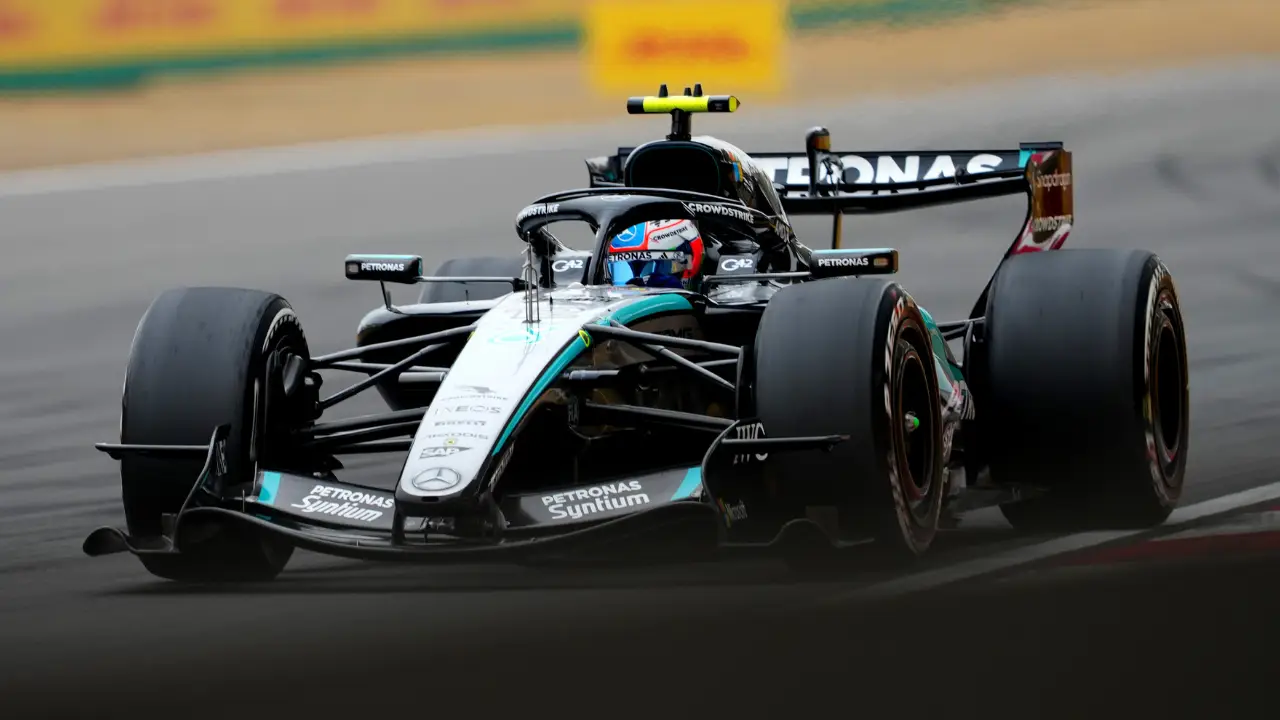
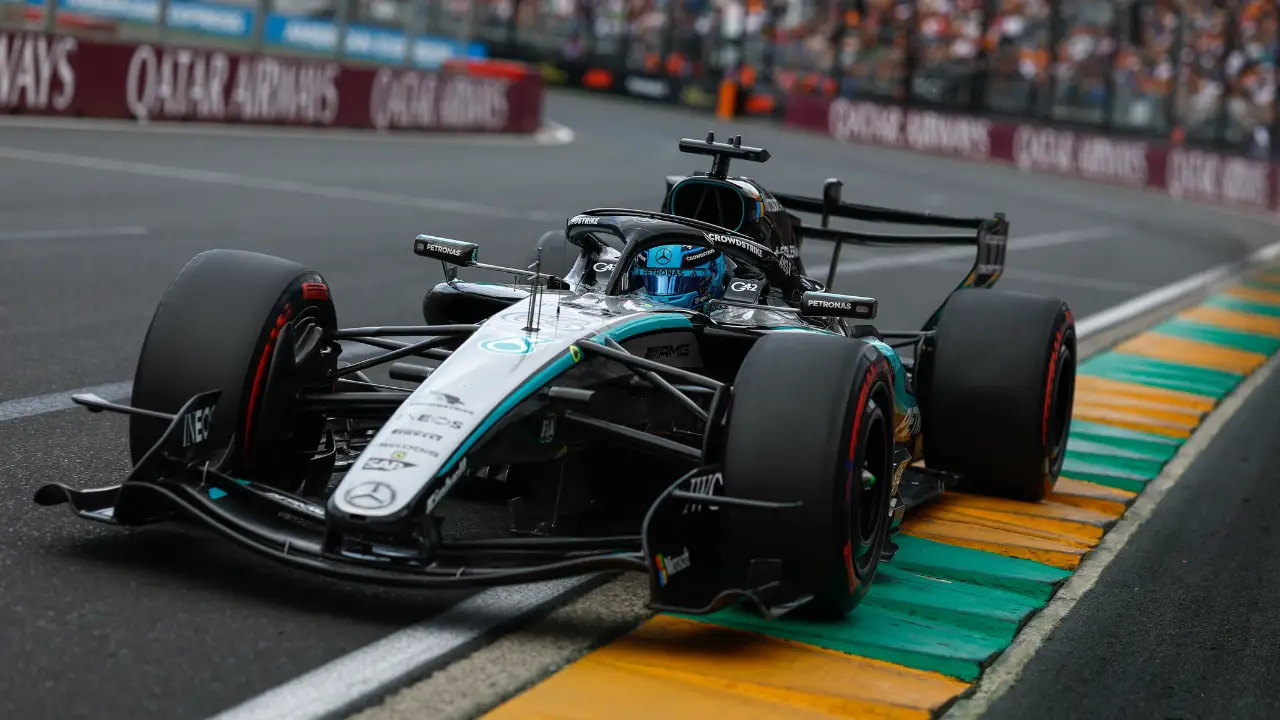
Driving in FP1 at Silverstone was special — reaching a lifelong dream and doing it at home with my family there. The F1 car is on another level in braking, cornering and acceleration.
-1757760825168.webp)
Around Silverstone, I was 14 seconds faster than in F2 practice. It’s hard to pick one thing because everything is impressive.
What feedback did Red Bull give after that session?
I think they were quite happy. They said I did a good job, and I focused on driving fast to show what I could do while providing useful feedback to the team. I wanted to help as much as possible, especially since Yuki had to sit out, which wasn’t ideal. From what I heard, the feedback was very positive, and they were satisfied with the job I did.
How is your relationship with key Red Bull figures like Helmut Marko, Max Verstappen, and the Racing Bulls drivers?
Dr Marko and I have a good, honest relationship after five years in the programme. It helps me learn and develop. With Max, I don’t know him very well, but he’s always kind and ready to help when I have questions. Among the Racing Bulls, I know Isaac a bit from F2–F3 paddocks; Liam, not so much, but they’re both friendly.
How does it feel to be seen as a potential successor to Red Bull’s F1 drivers? With six rookies on the 2025 grid, how do you assess your chances for next year, and what are your long-term goals?
It’s a nice feeling, and I’m grateful to them for putting me forward like that. On one hand, I’m happy and thankful, but on the other, I try not to get distracted or carried away by the noise. In a sport like F1, things can change very quickly. So, while I’m pleased, I remain focused on the job at hand in F2, performing at a high level, because that’s what will give me the best opportunities going forward.
-1757749157714.webp)
I don’t know about a seat next year. My priority is F2 results because that’s all I can control. My long-term goal is clear, becoming a Formula 1 driver has always been the dream.
You became the youngest F2 race winner. How do you feel about representing your Indian roots on the world stage?
I’m very proud of my Indian heritage. I grew up close to my grandparents in a tight-knit culture, and that has shaped my life. I’m happy to carry that on big platforms.
Your family often brings Indian food to the track. What do you miss most when racing abroad?
When I raced, especially in karting in the UK, my Nani would make Rajma and dal and bring it to the track. I remember that well from home. That’s something I can’t get abroad, so I definitely miss it sometimes.
At 14, you told Lando Norris you’d meet him in F1 in five years. How do you feel now?
It was funny and special. I’ve had the same drive since I was five — to become a Formula 1 world champion. I’m focused on F2 for now, but making that promise real would be very cool.
As our chat with Arvid drew to a close, his quiet confidence stayed with us, a reminder of the passion and determination that keep motorsport alive and inspire us all.