Maruti Suzuki e Vitara Special Feature - No More Range Anxiety
The Maruti Suzuki e VITARA combines strong real-world range, advanced safety, and a growing charging network to make everyday electric mobility simple and dependable.
By Team autoX

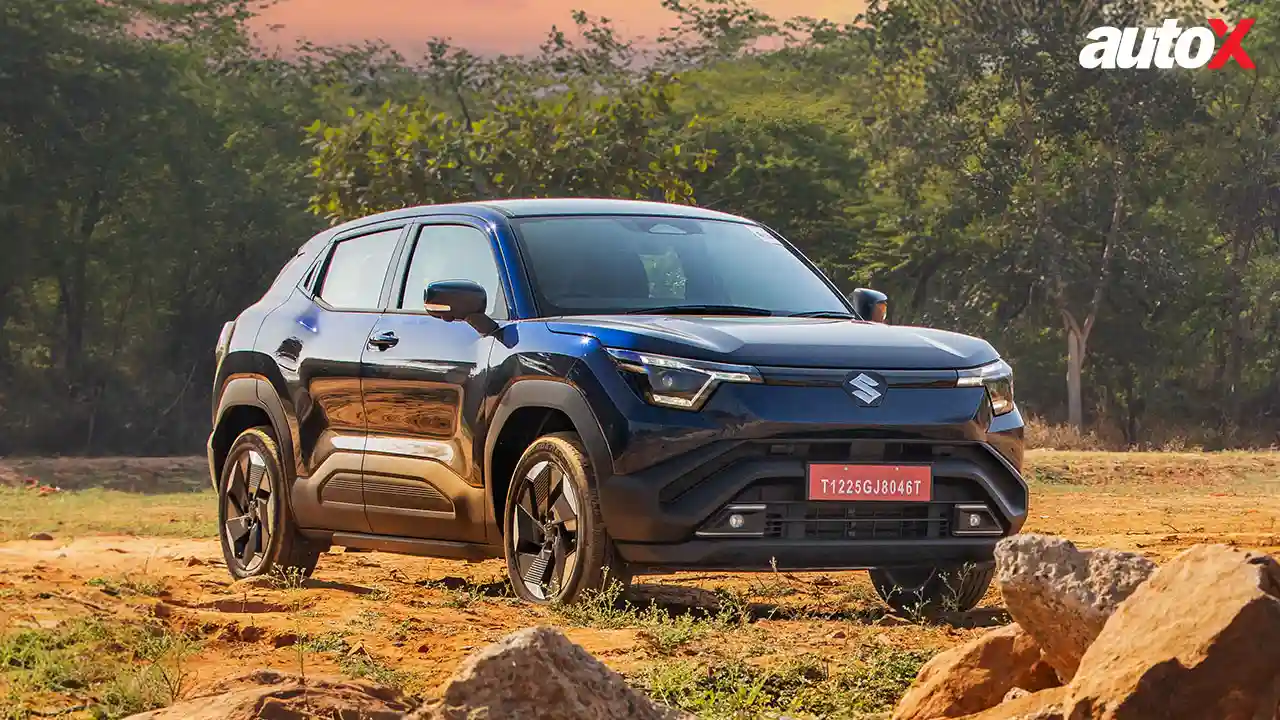
Let’s be honest, almost every EV conversation in India eventually boils down to the same question – ‘But can I trust it?’ The Maruti Suzuki e VITARA answers that question with clarity and conviction. It doesn’t try to dazzle you with unnecessary theatrics; instead, it leans on something far more reassuring, like solid engineering and everyday usability. This isn’t just about chasing range figures or loading up on gadgets; it is about building an electric SUV that feels dependable from the very moment you press the start button, and that changes everything.
Maruti Suzuki e VITARA Platform, Battery Options, and Range
The e VITARA isn’t just a conventional SUV retrofitted with batteries – it has been built as an EV from the ground up. This means a dedicated flat-floor platform designed to house large battery packs cleanly and efficiently, without any awkward bulges or structural compromises. With a body made of over 60% high-tensile steel to improve rigidity and safety, it feels properly engineered rather than merely adapted.
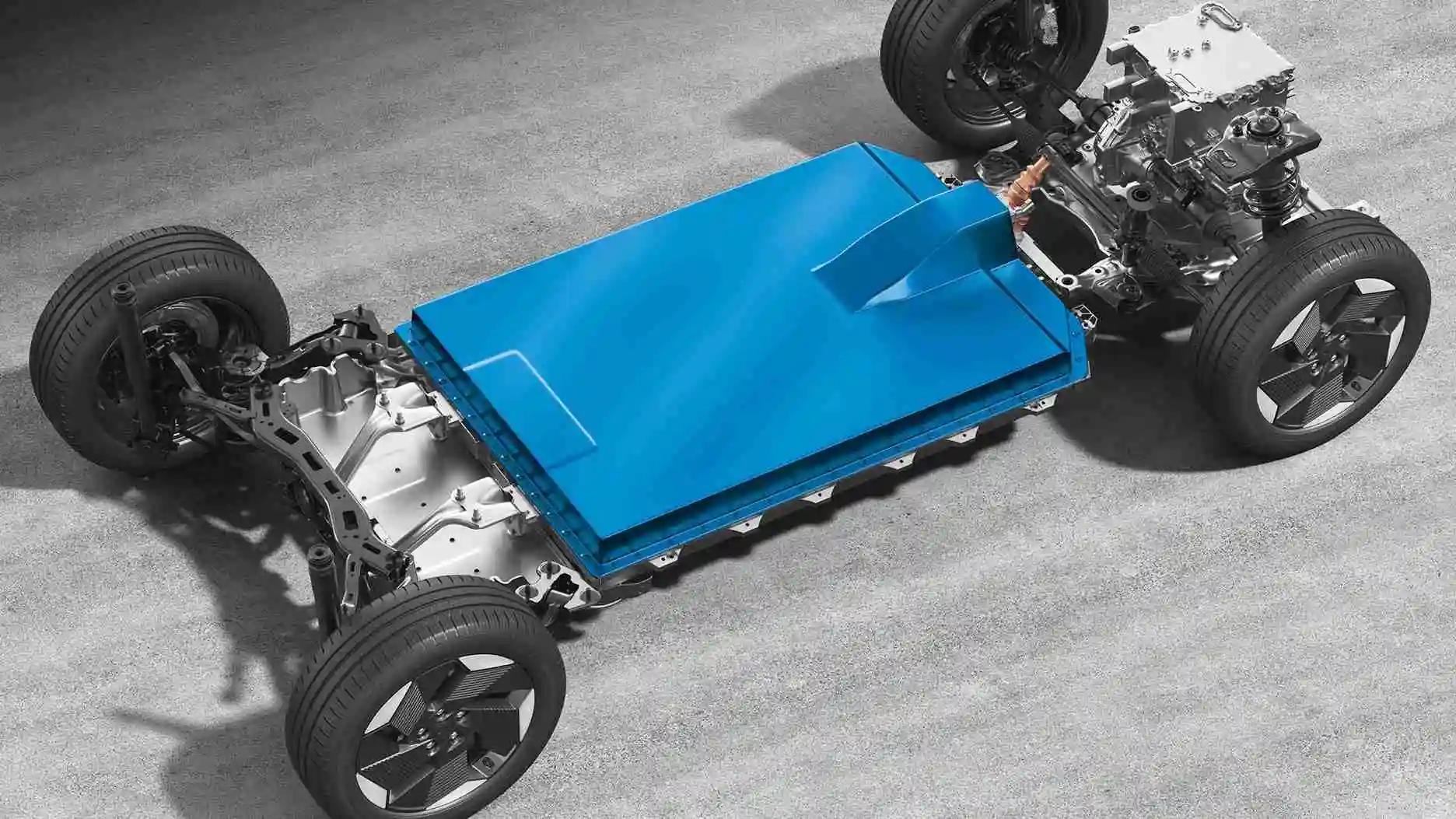
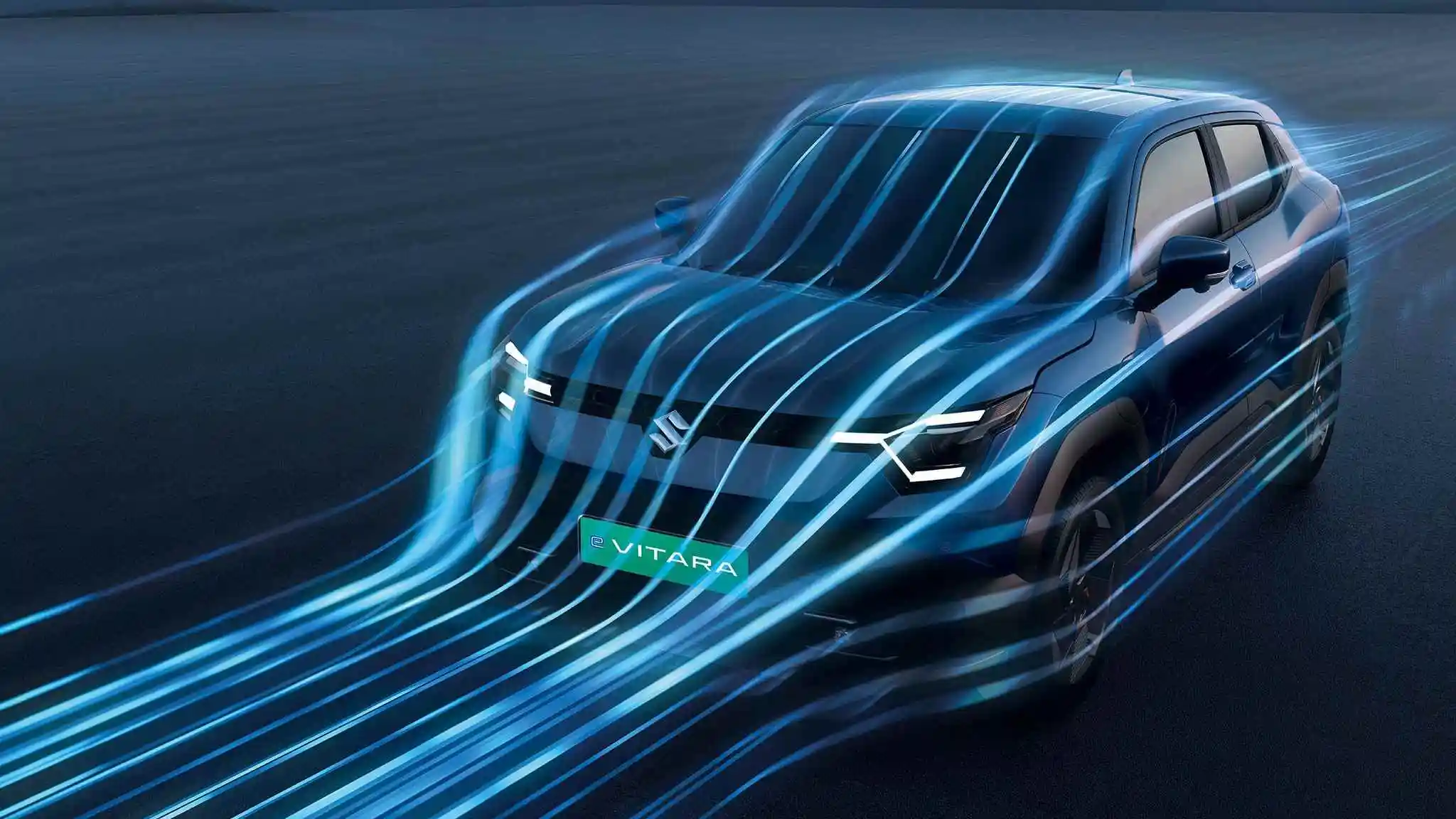
You get two battery options – a 61kWh pack offering a claimed range of 543km, and a 49kWh unit delivering 440km. In the real world, that translates to fewer charging stops and more spontaneous plans. Even the aerodynamics have been carefully considered, with a flat underbody to assist airflow and a smart grille with adaptive shutters that open only when the battery needs cooling. It still looks like an SUV; it just moves through the air much more intelligently.
Then there are the validation tests, which move far beyond marketing claims. The battery has cleared the nail penetration test and has even undergone fire testing inside a furnace without igniting. It has also been subjected to rigorous water and compression tests. These are not headline-grabbing gimmicks; they are practical, rigorous measures designed to ensure one thing - complete peace of mind.
Maruti Suzuki e VITARA Safety Features and Bharat NCAP Rating
Beyond the battery, the car itself has secured a 5-star rating under Bharat NCAP norms, and it comes equipped with seven airbags and a high-tensile steel structure engineered with efficient load paths to manage crash forces intelligently.
-1764690720090.webp)
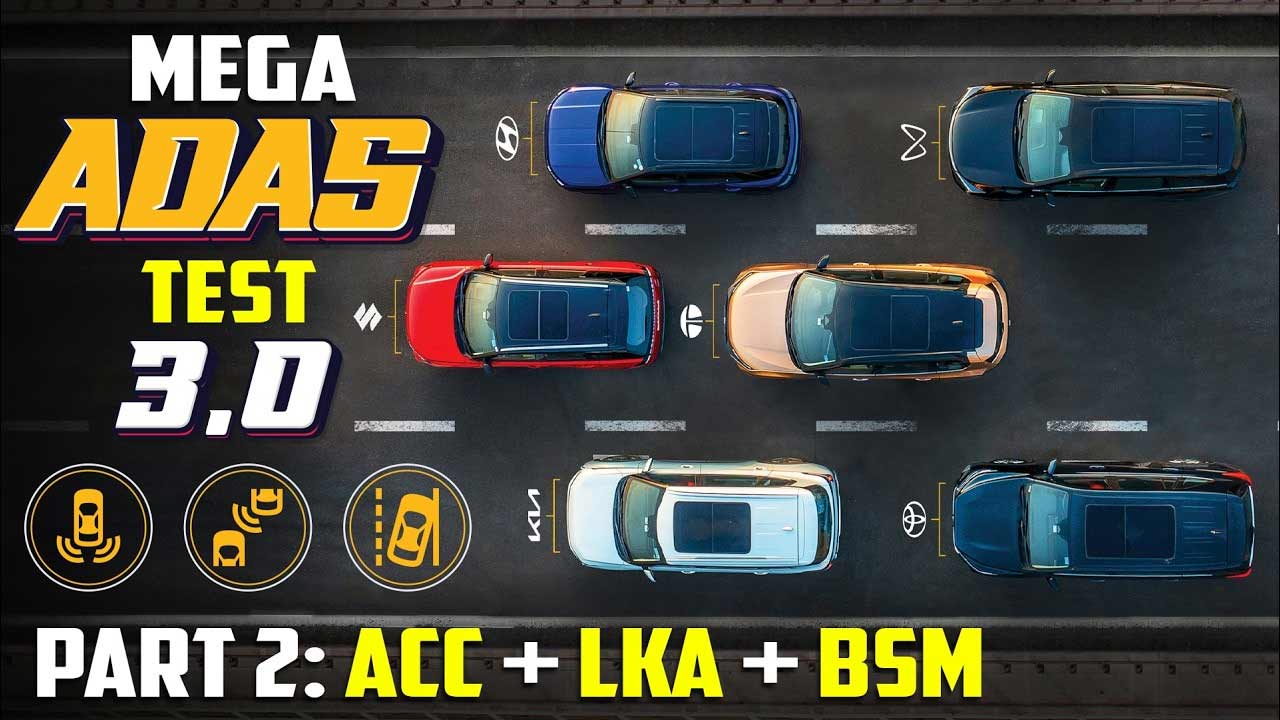
Even the Level 2 ADAS has been tuned specifically for Indian conditions. With features like a 360-degree camera, tyre pressure monitoring, and brake hold for traffic crawls, the experience feels modern, practical, and remarkably easy to live with.
Maruti Suzuki e VITARA Charging Network and ‘e for Me’ App
For many buyers, charging infrastructure remains the biggest concern, and understandably so. Maruti Suzuki has addressed this by leveraging its vast network. There are already over 2,000 chargers installed exclusively at Maruti Suzuki outlets across the country – and the number will increase even further – with both NEXA and ARENA channels contributing to this footprint.
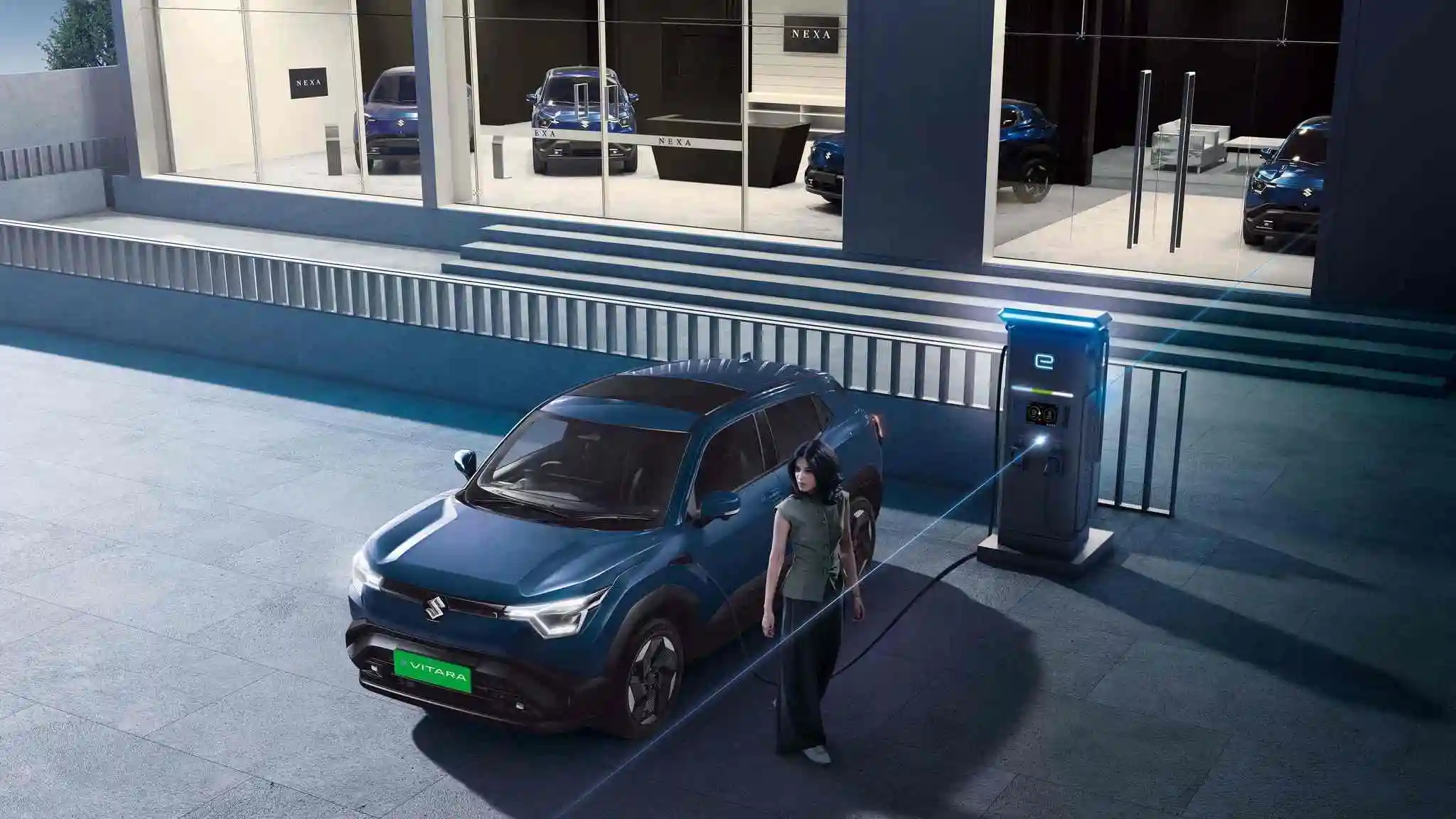
Through the ‘e for Me’ app, users can also access 13 major charging point operators, with access to over 14,000 charging points, including Maruti Suzuki’s charging network. This means access to chargers in the city, on the highways, and even in smaller towns. The app simplifies the whole process, allowing you to locate chargers, plan routes, navigate, make payments seamlessly, and even use tap-and-charge functionality via the ‘e for Me’ card. The entire process is designed to feel integrated into your daily routine – not like a separate project to manage.
Maruti Suzuki e VITARA Range and Real-World Driving Confidence
India loves road trips – early-morning highway runs, late-night tea breaks, and spontaneous detours that happen when someone spots a better scenic route. But with many EVs, that sense of spontaneity often gives way to careful planning. The e VITARA aims to change that equation.
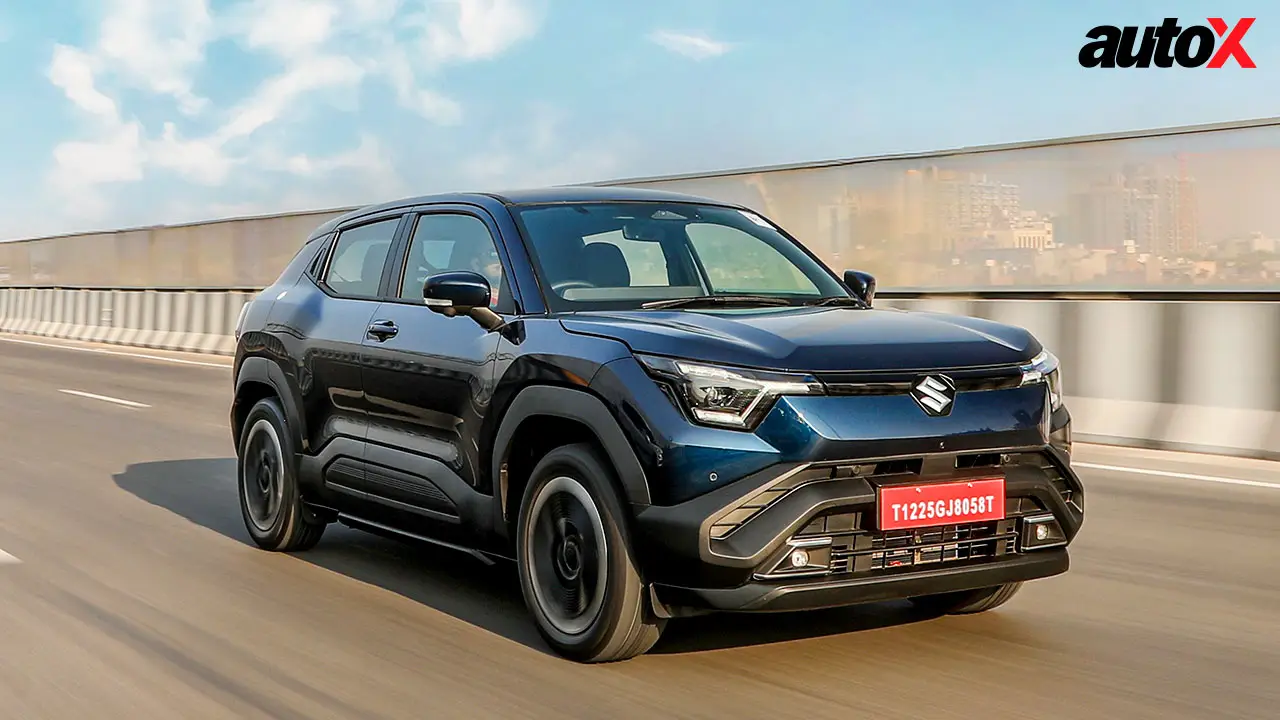
With the higher variant offering more than 500 kilometres of range and a growing charging network backed by Maruti Suzuki’s extensive presence, there is no need to constantly check the battery percentage.
It offers an excellent combination of thoughtful engineering, proven safety, meaningful range, and practical charging support in one cohesive package. In doing so, it moves the EV conversation from ‘Will this work?’ to ‘Where shall we go next?’ – and that’s when electric mobility begins to feel truly effortless.