Nexa Studio - Premium Goes Beyond the Metros
With 200 Nexa Studios now operational, Maruti Suzuki is scaling its premium retail strategy across emerging markets and fast-growing smaller cities.
By Team autoX

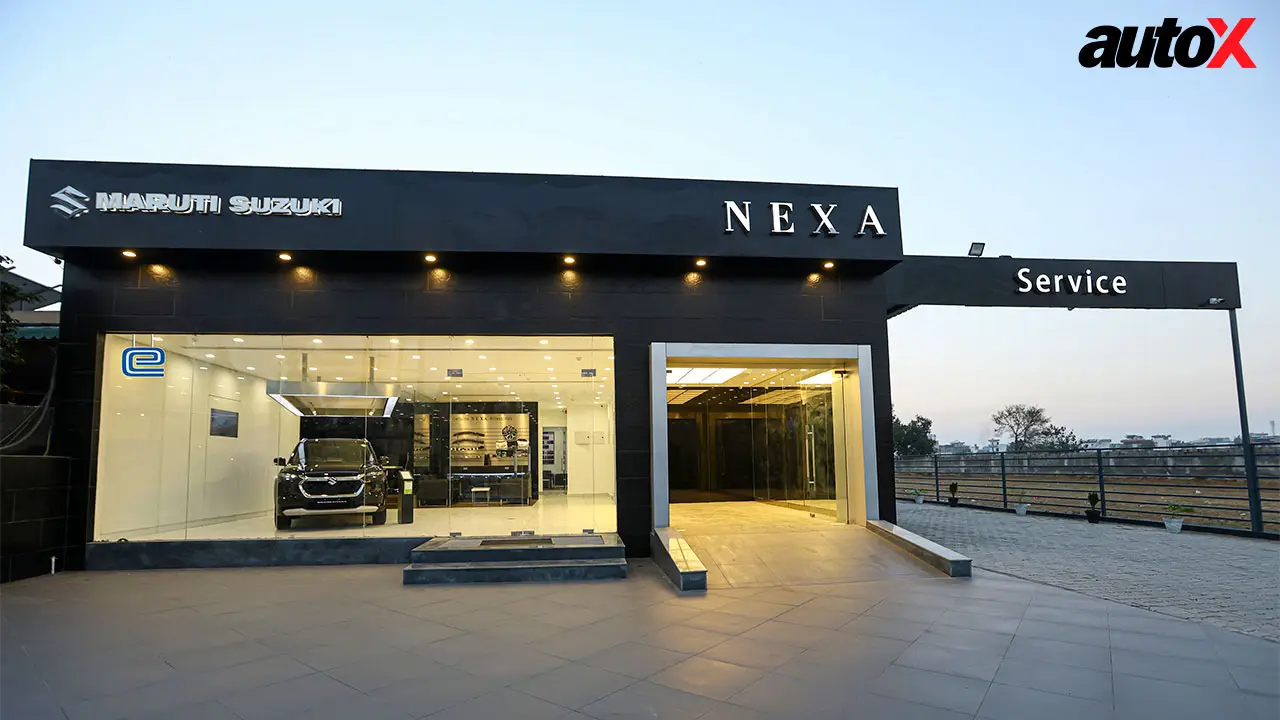
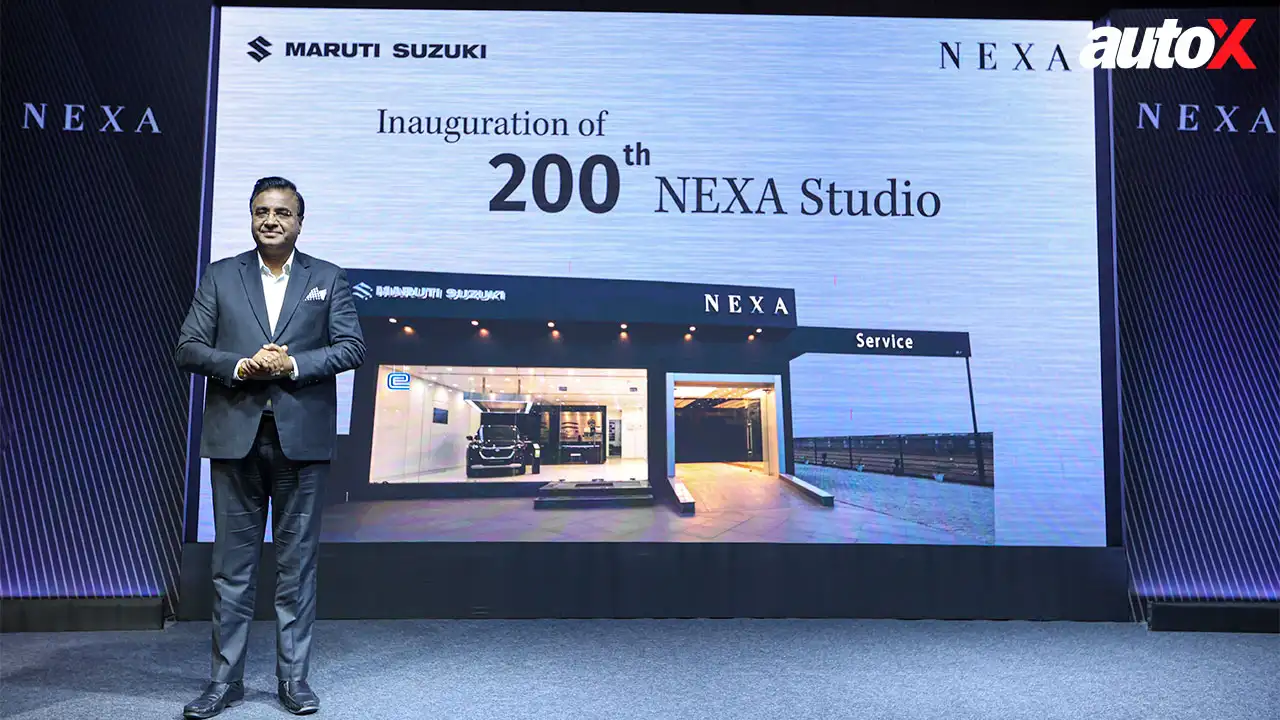
Far from a mere numbers game, Maruti Suzuki’s inauguration of the 200th Nexa Studio outlet is a step toward targeting India’s emerging markets beyond tier-2 cities. Launched in August 2024, the Nexa Studio format isn’t just a compact showroom - it’s a decentralised premium ecosystem. Designed for semi-urban and growing markets, these outlets integrate sales, service, and spares under one roof, creating a genuine one-stop shop for all customer needs. To date, Nexa Studios has driven sales of over 42,000 units. Partho Banerjee, Senior Executive Officer, Marketing & Sales, Maruti Suzuki India Limited, detailed the company’s premium retail strategy for the country.
For years, premium automotive experiences were an urban privilege – marble floors, mood lighting, curated lounges, and tailored customer consultations were confined to metro cities. This narrative changed with the launch of Nexa in 2015, a design-led, experience-driven retail channel.
Now, with 200 Nexa Studios operational alongside over 740 Nexa outlets across more than 530 cities, the strategy has evolved further. A clear consumer shift drives this expansion: aspirational buyers in non-metro regions are no longer willing to travel to larger cities for a differentiated buying experience. Furthermore, rising incomes and digital exposure have helped increase awareness even among tier-3 and rural car buyers.
Another aspect shaping this strategy is the changing profile of buyers in emerging markets. Many customers in these regions are first-time car owners who are moving up from two-wheelers. For them, the purchase experience itself is an important part of the upgrade.

A well-designed showroom, transparent consultations, and structured after-sales support can significantly influence brand perception. Dealer partners play a key role in this ecosystem. Maruti Suzuki has traditionally relied on strong dealer networks to extend its reach across the country, and the Nexa Studio format provides them with a scalable retail model suited to smaller markets. It allows partners to operate premium outlets with relatively efficient space and investment requirements while maintaining the brand’s experience-centric identity.
In FY 2024-25, Nexa accounted for nearly 30% of Maruti Suzuki’s domestic sales, retailing over 5.4 lakh vehicles. That’s not niche performance - it’s structural relevance. Notably, Maruti says that almost 50% of its total sales come from rural areas, which also account for 50% of the company’s SUV sales. Emerging markets also account for approximately 10% of India’s total EV sales, further underscoring their growing importance to the automotive industry.
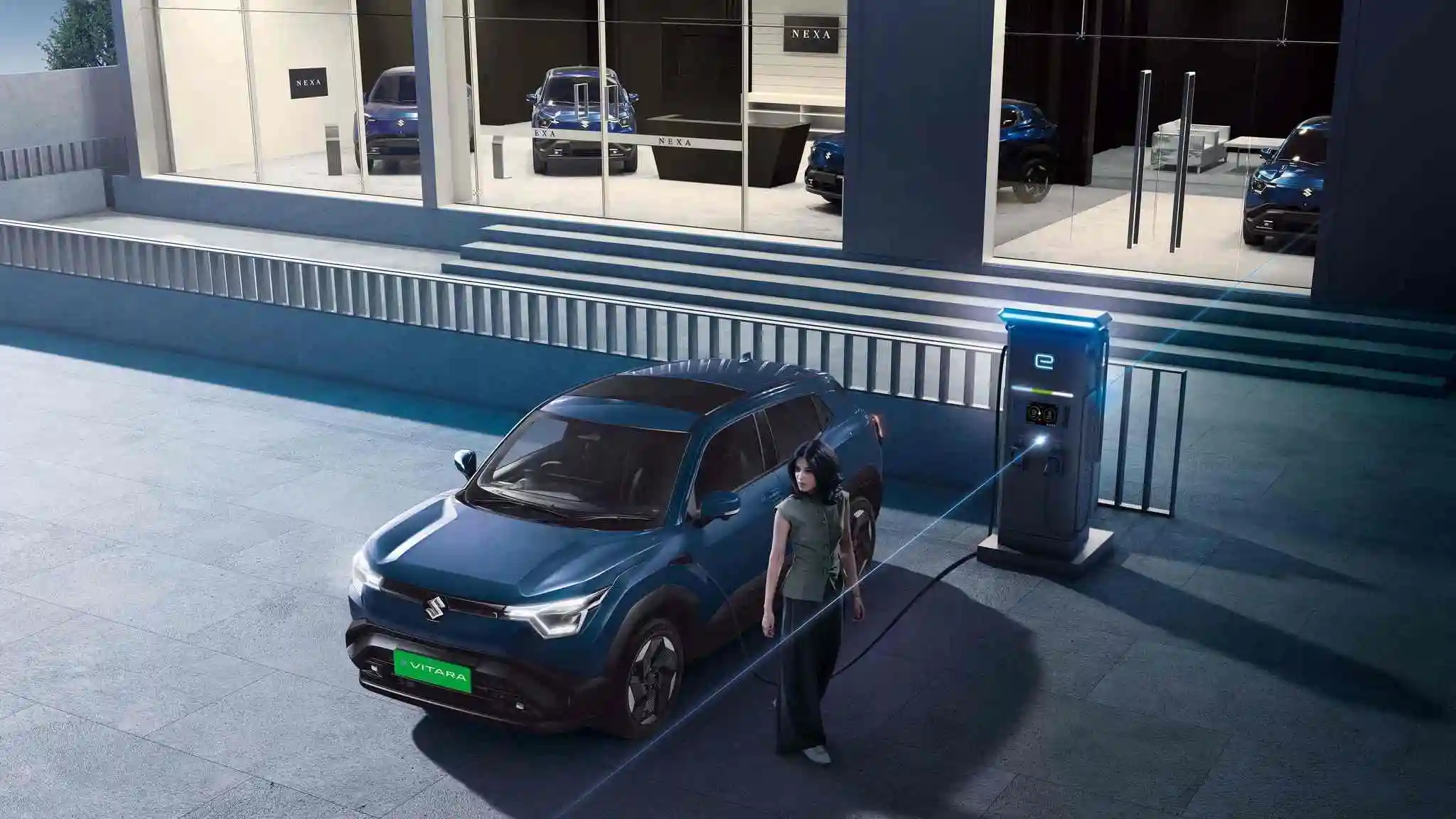
Maruti Suzuki’s approach to electrification within the Nexa ecosystem also reflects a pragmatic strategy. Rather than creating a separate retail channel exclusively for electric vehicles, the company is integrating EV readiness into its existing Nexa network. Most Nexa outlets, including the newer Nexa Studios, are already equipped with EV fast-charging infrastructure, while around 95% of Nexa Studios also offer full servicing facilities. This integrated model allows customers to access sales, charging, and after-sales support within the same ecosystem, eliminating the need for a separate EV retail experience. Maruti aims to scale Nexa Studios to 600-700 outlets by FY 2030-31 - a move that signals the manufacturer’s unwavering long-term commitment to emerging markets in India. It’s a calibrated retail transformation designed for deeper market penetration.
Maruti Suzuki also reviews production allocation every month to ensure waiting periods across models remain under control. For the e Vitara, the company plans to manufacture around 2,000 units per month for the domestic market until July 2026, after which production volumes could be scaled up depending on demand. The growing appeal of the Nexa channel is also reflected in customer trends, with the number of first-time buyers at Nexa dealerships increasing by around 10%.

In an industry obsessed with product launches and powertrain innovations, Maruti Suzuki’s Nexa Studio strategy is a reminder that sometimes the real disruption is not in what you sell, but in how you sell it.