autoX Awards 2024: Maruti Suzuki Interview
Maruti has played such an integral part in shaping the mobility revolution in India. But where are we today and where are we headed?
By Team autoX


Maruti has played such an integral part in shaping the mobility revolution in India. But where are we today and where are we headed?
The Indian auto industry has come a long way. Today, we’re the third largest automobile industry in the world, after the US and China. And the way the auto industry has evolved over time, it’s quite fantastic. Three decades back, it was mostly small cars. But, today, all segments are doing quite well. Car penetration is at 32 per thousand. And we expect that, by 2030, even if motorisation reaches 44 per thousand, the Indian auto industry will be about 5.5 to 6 million – which is a huge number. So, I think the outlook is very positive.
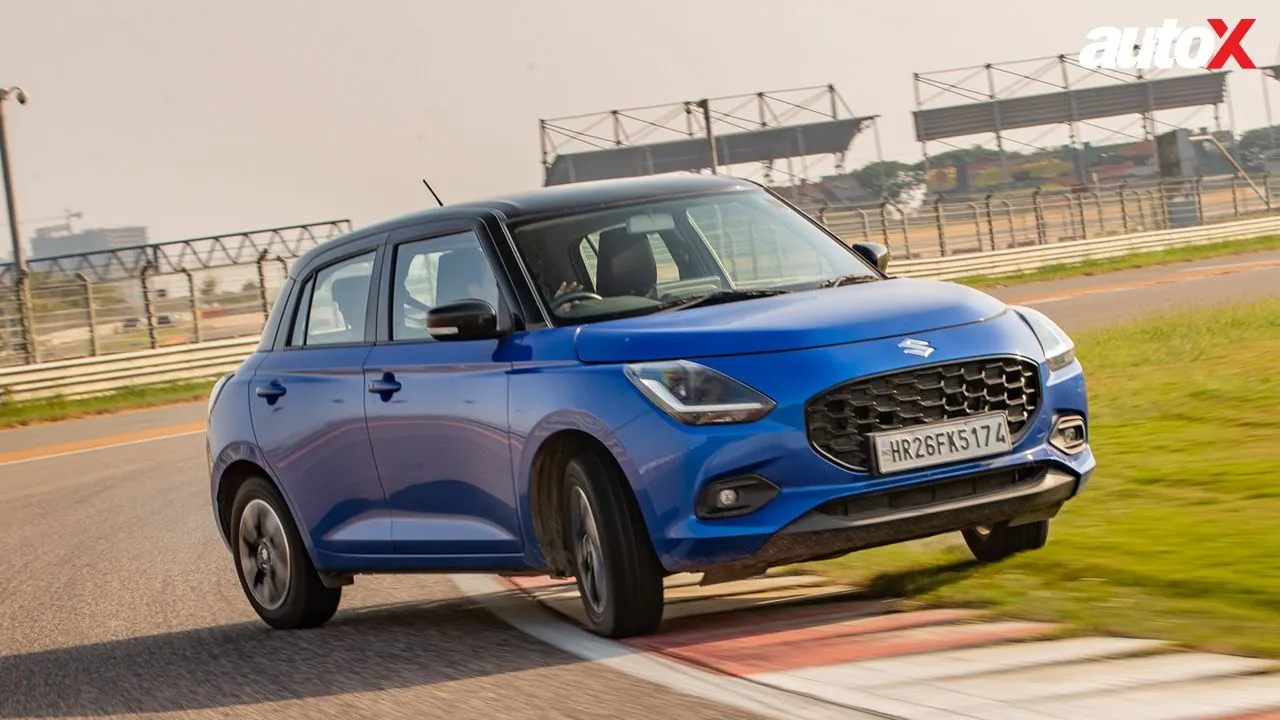
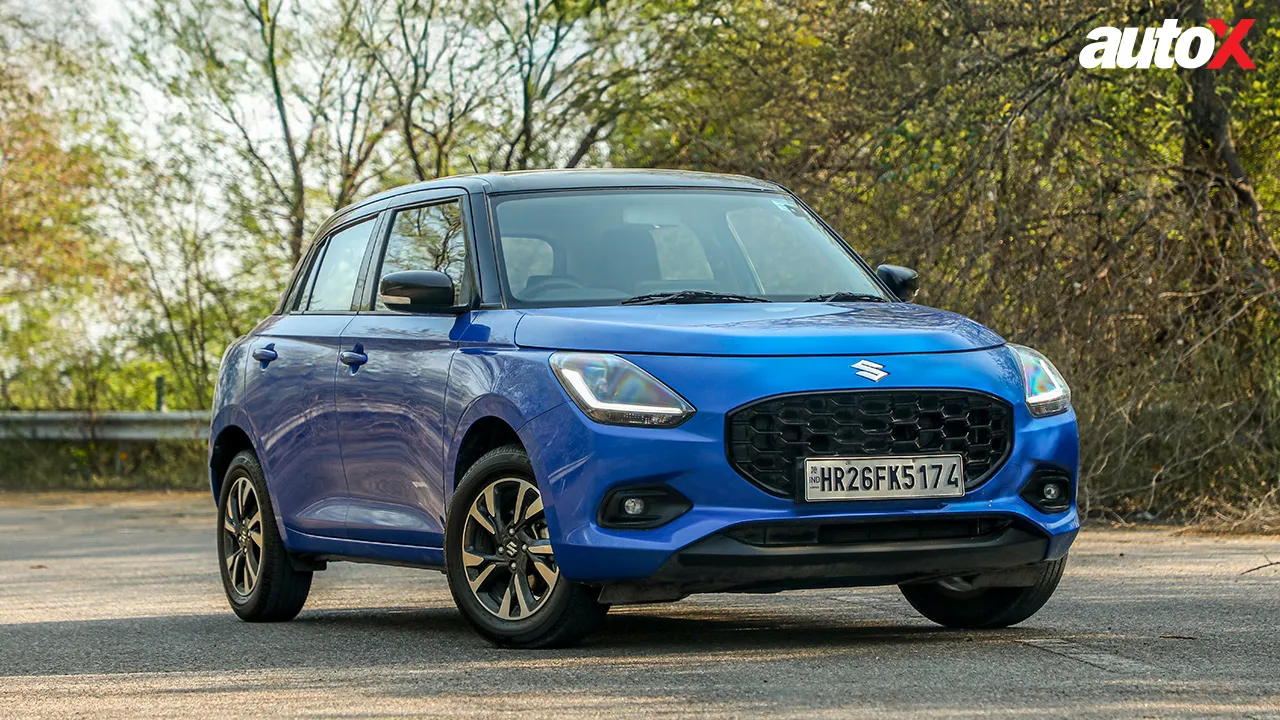
As you said, we’ve gone from being a small car market to a market led by SUVs. So, how do you retain that pride of place for a car like the Swift in the Indian market today?
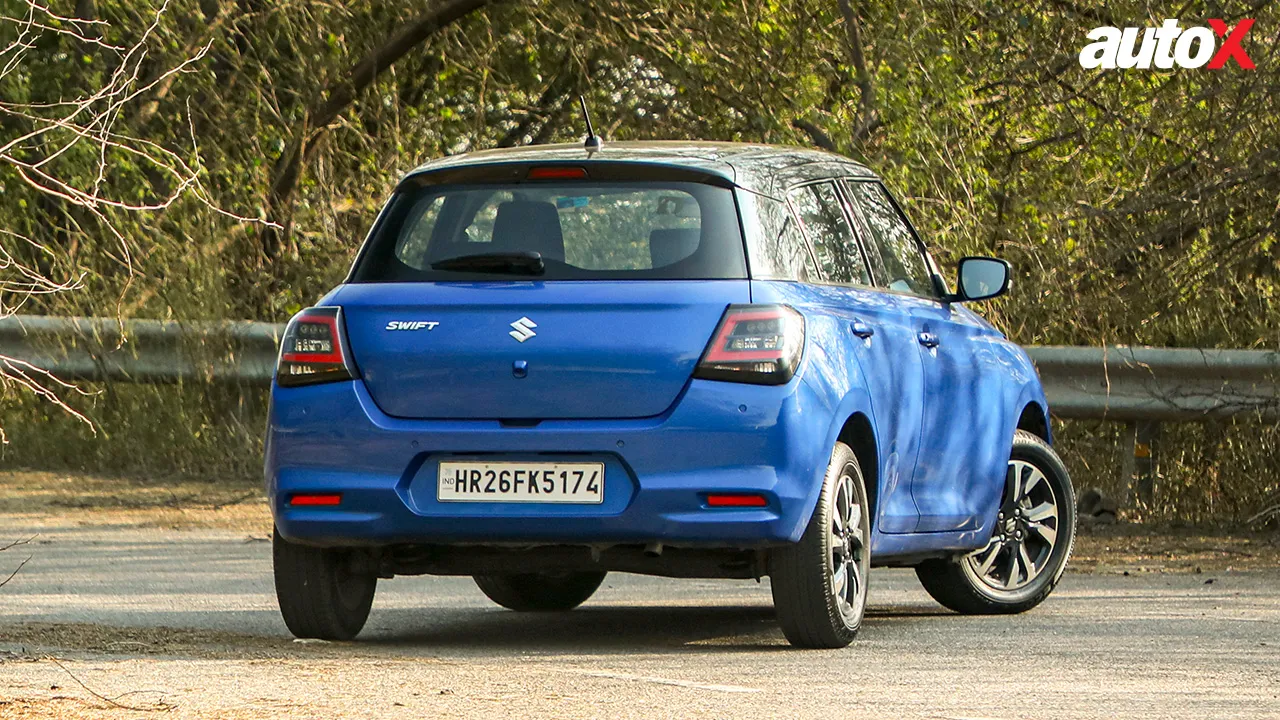
The Swift has nothing to do with the segment, because it has such an amazing DNA. It’s been going strong for 19 years, in which time we’ve sold more than 3 million vehicles. And it’s a car which is loved by young Indians. 50% of the population of India is less than 25 years old, and this is the heartthrob of young Indians.

Looking at the big picture, and keeping in mind that Maruti has led the mobility revolution in India – you’re entering the EV space soon, how can you do something similar in that space in a short period of time?
40 years back, when we were founded, the vision of our Chairman and the top management from Suzuki Motor Corporation was to create the right ecosystem for our customers. So, we first set up the aftersales network. The sales network came later on.
So, you can rest assured that the same philosophy continues to this day as well. So, when it comes to the EV, we’re not just going to launch a product. We’re going to launch an ecosystem.
For Maruti Suzuki, which has such a large chunk of the Indian market, is there more risk associated with going down the EV route?
We are the market leaders. And we feel, being a market leader, we need to be present in all segments. We need to be present in all form factors. So, we are going to be in ICE, we are going to be in CNG, we are going to be in hybrids, and we are going to operate in EV also. And we will let the consumer decide what his or her usage is. Honestly speaking, if a consumer doesn’t have to drive over 100 kilometres per day, the TCO (Total Cost of Ownership) for EVs doesn’t suit them. Hybrid would be a better option! So, it’s the customer usage, based on which he or she will decide which fuel option is ideally suited.
Looking ahead to 2025, there seem to be some economic headwinds at the moment. How do you foresee the next couple of quarters playing out?
My take has always been very different. First of all is setting the expectation. At the beginning of the year, SIAM had already pointed out that last year the base was very high. And so, this year, the growth would be in single digits. They forecasted around 3-4%. At the end of October, the industry was around 4-5%. So very much in line with this forecast. If we feel that every year the growth has to be 10-12%, I don’t think that’s possible anywhere in the world actually. So we need to calibrate accordingly.
----
When it comes to the EV, we’re not just going to launch a product. We’re going to launch an ecosystem