e Vitara, Victoris & Faster R&D: Maruti’s New Product Playbook – Partho Banerjee, Maruti Suzuki
With the amount of R&D that was done in India on the Victoris, you’ve been able to reduce the development time dramatically. Just how much of that cycle have you been able to shrink?
By Team autoX


With the amount of R&D that was done in India on the Victoris, you’ve been able to reduce the development time dramatically. Just how much of that cycle have you been able to shrink?
Our endeavour is to deliver products to customers as quickly as possible, and for that we’ve had to become much more agile. Our engineering, supply-chain and production teams are now doing many activities simultaneously – testing, design, everything – so the overall development time is coming down quite a lot. In today’s market, customers expect new products frequently, so you have to be nimble. And, in the times to come, you’ll see our launch timelines reducing quite substantially.
How are you using AI, operationally and during the development process?
One of our key objectives is to embrace AI. And not only from a design point of view – we want to use it to improve the overall functioning of the organisation. So, AI will be a key driver for us in times to come.
Your CNG penetration has risen sharply, to above 30%, as filling stations have expanded across the country. Do you think EVs will need a similar push in public charging for adoption to really pick up?
Let me first tell you that our CNG penetration is now 37%. And, yes, what you’re saying is absolutely right. Fundamentally, there are three problems with EV adoption today, which is why penetration is still 5%, or lower, despite so many models in the market.
First, many of the early products didn’t give customers the range that was claimed. So, there was always the worry that, "If I buy an EV, will I actually get the claimed range?"
Second, in India, people still don’t have the money to keep two cars. They want to buy a primary car that needs to work for everything – intercity and intracity, or any use case for that matter. And for that you need to have confidence in public charging.
Third, the public-charging economics are still not viable, because 95% of people charge at home. So, it becomes the classic chicken-or-egg story.
Whoever is able to support the public-charging network, provide a product with good range, and, importantly, provide good after-sales – once these three things are in place, EV penetration will start moving up.
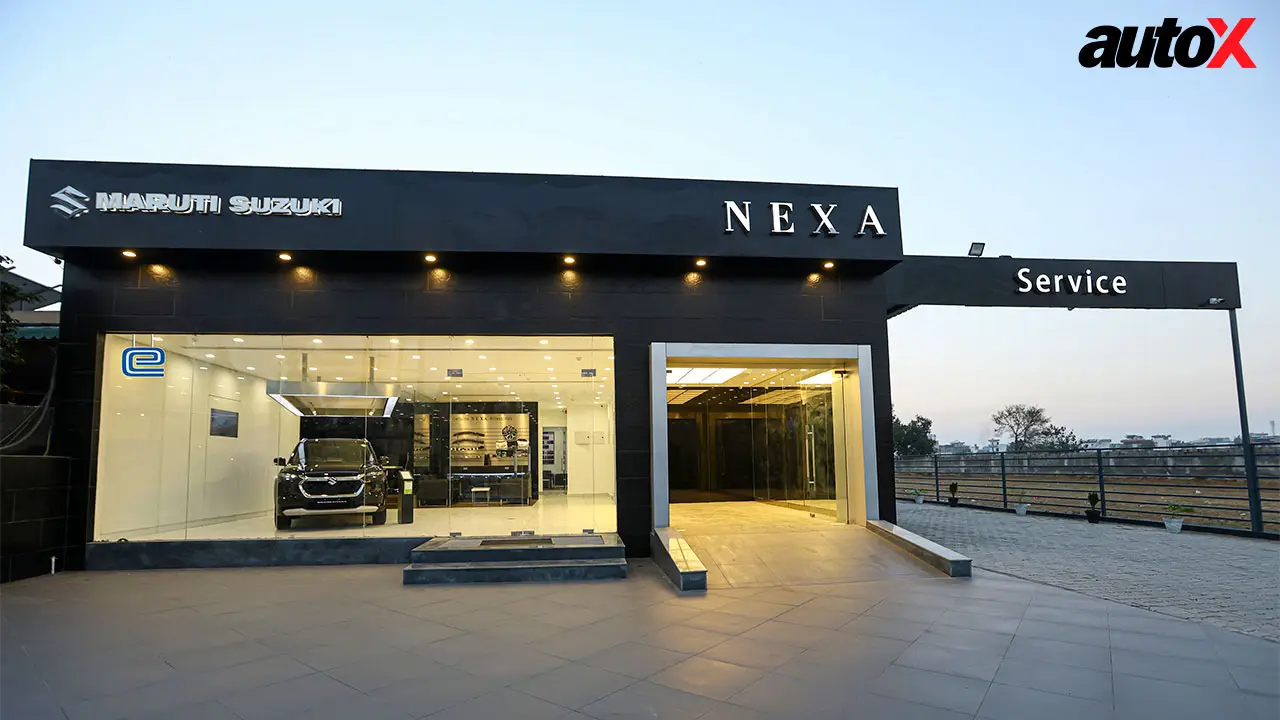
Given that Maruti Suzuki has the largest sales & service network in the country, will electrifying that entire ecosystem become a key advantage as you enter the EV space?
As you would have seen from our recent announcements, we are addressing many of the concerns customers have. And, as we’ve said earlier, being the market leader, we don’t want to launch an EV unless we can provide a complete, holistic solution. We unveiled the eVX Concept at the Auto Expo last year, but till you’re not providing that full ecosystem to the customer, there’s no point in launching the product. That is exactly what we’re working on.
Maruti Suzuki used to have over 50% market share. Today it’s less than that. What is the strategy to return to 50%+?
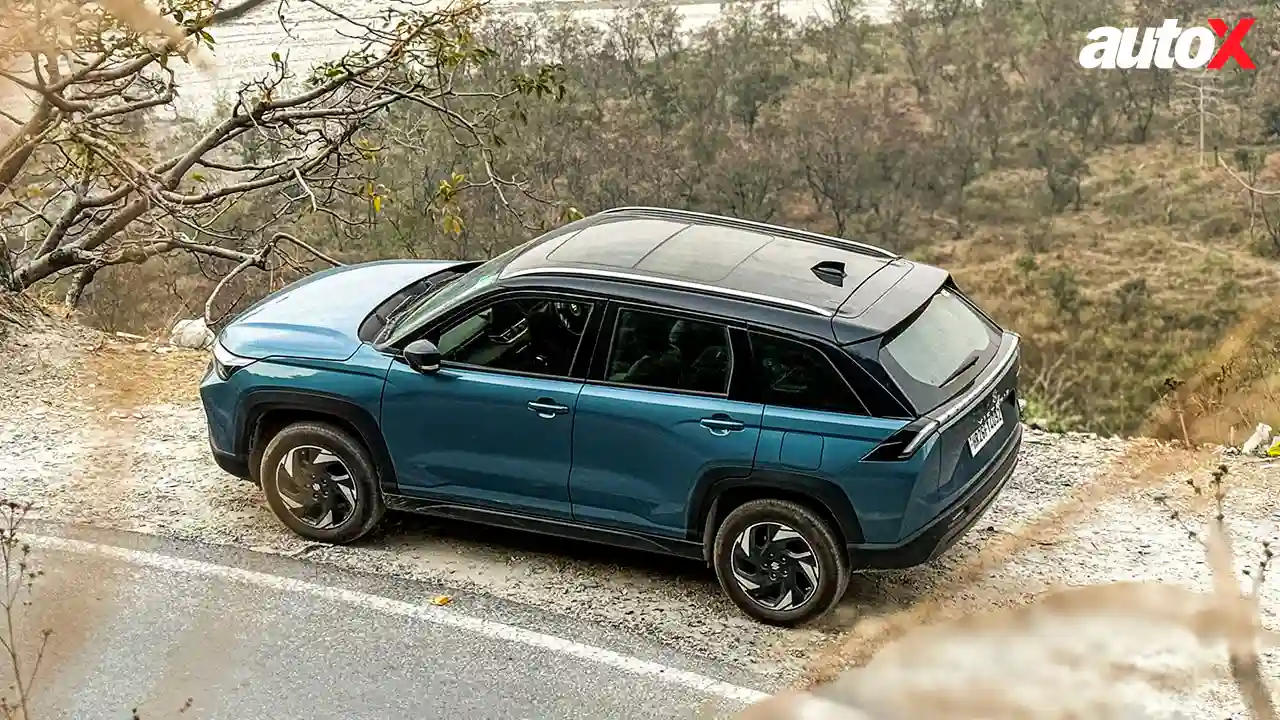
We are going to address all segments of customers. The Victoris is clearly targeted at the Gen Z customer. The big shift in the industry has been SUVs – their contribution has gone up to almost 56%. In 2019-20, it used to be around 25%. We didn’t have enough products in that space. That is the fundamental reason for the slump.
The industry underwent a structural change, and we have addressed it. By 2030, you will see things going back to the way they were before.
After the GST cuts, demand has surged. How long do you see that lasting?
In October, retail sales were up almost 30%. In November also, we are doing great. There was pent-up demand because customers held back in August. So, I think till December, demand should remain good.
India has only 34 cars per 1,000 people and nearly 27 crore two-wheelers. When these two-wheeler customers upgrade, GST 2.0 is surely going to help.