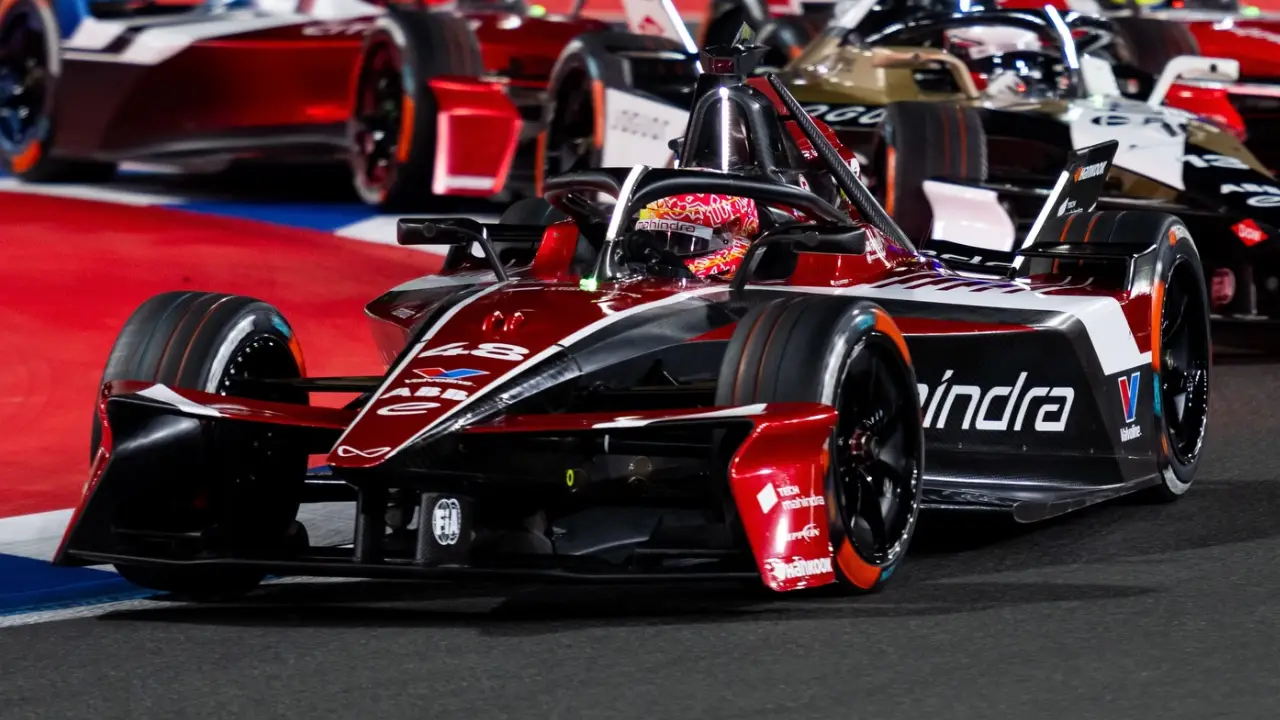
Interview: Nissan Team Principal Tommaso Volpe Spills the Beans on Formula E Innovation, GEN4 Commitment
In an exclusive interview, Nissan Formula E Team Principal Tommaso Volpe opened up about his team's goals, the championship, and his outlook on how motorsport is changing.
By Divyam Dubey


The 10th season of Formula E is in full swing now and Nissan has established itself as one of the strong performers in this season. With four podiums and a victory under its belt, Nissan's performance tells a lot about its competitive advantage. As the first manufacturer to pledge to GEN4, the Japanese team has also highlighted its long-term plans for electric racing. Currently, Nissan is fourth in the championship with 112 points, with Oliver Rowland and Sacha Fenestraz driving for the Japanese team. Oliver Rowland holds fourth place in the drivers' championship with 88 points, trailing the leader by just 14 points.
In an exclusive interview, Tommaso Volpe, Nissan Formula E team Principal, shares insights into his team's vision, the championship, and his perspective on the evolving landscape of motorsport.
Nissan recently committed to Formula E’s GEN4 era, what can we expect from it?
Well, first of all, winning championships is always a goal for Nissan which we already want to see in GEN3. But the reason why Nissan is committed to GEN4 is because Formula E aligns perfectly with its Ambition 2030 plan, serving as a testbed to generate additional R&D that can help improve our electric vehicles in the future.
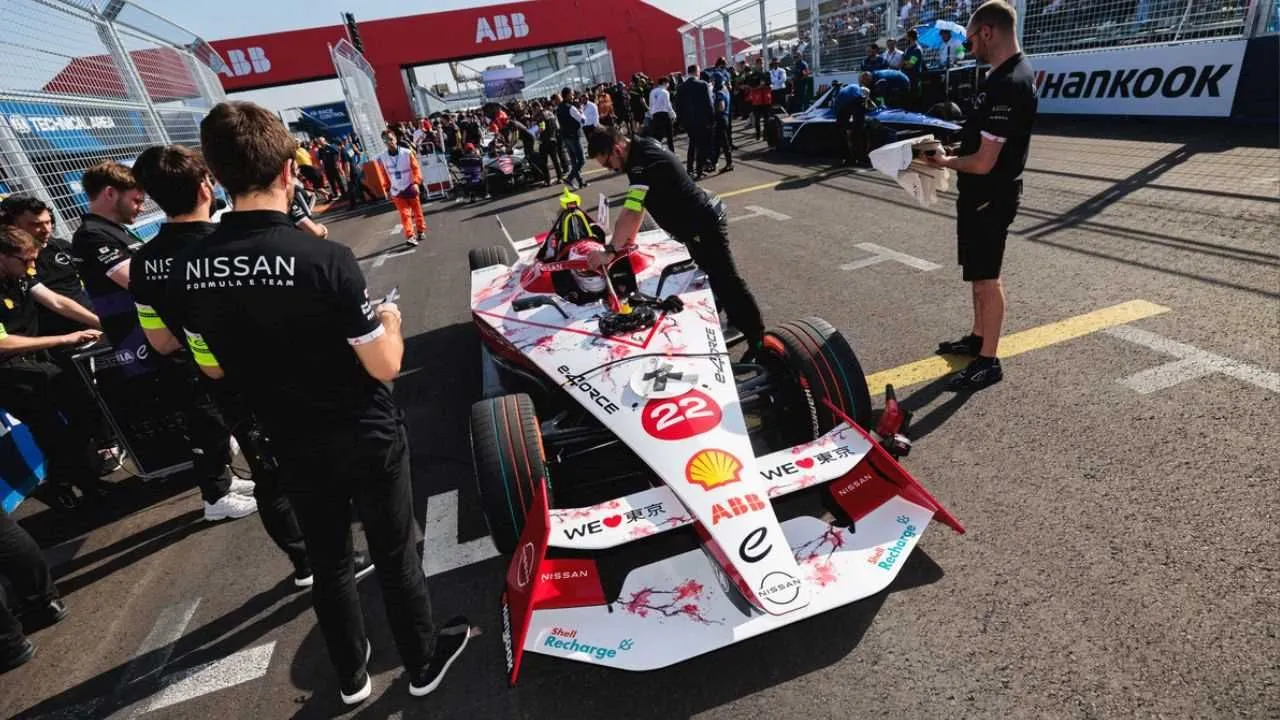
So, for sure, what I expect, putting the sporting results aside, is that Formula E will become more and more a key pillar in Nissan's plans in general for Ambition 2030 to support the brand.
When it comes to the future of motorsports, there are a lot of talks around electrification, different kinds of fuel, and hybrid vehicles. What's your take on it? What do you think is the future of motorsports?
Motorsports is the ultimate halo project for automotive in general and we cannot ignore the transformation that this industry will undergo in the coming years. This transformation started a few years ago and has two key features: electrification and more broadly, sustainability.
Nissan as one of the leaders in both the areas- electrification and sustainability, sees Formula E as an important platform for their participation. In general, motorsports is trying to achieve the two objectives with two different philosophies. One focuses on making specific categories more sustainable using alternative fuels and materials. However, this may not directly translate to R&D benefits for the automotive industry. Formula E has a unique positioning in this context because it not only pushes the sustainability element of the sport to the maximum but also does it in a way that is very relevant for the industry, from an R&D perspective.
By using recycled materials and having electrification at the core of the technology, it is generating a lot of R&D for automotive. This explains why Formula E attracts more car manufacturers than any other motorsport series - the direct link to R&D for their core business.
Where do you see India on the global motorsports stage in the future?
With a successful Formula E race last year and very likely in the next seasons, India has demonstrated a strong interest in modern motorsport. Formula E represents the most innovative motorsport and is the most relevant for the automotive industry and the transformation of mobility in general. So, India will definitely play a key role in the panorama of motorsport locations globally.
You're the Team Principal and Managing Director for the Nissan Formula E team, as well as the person in charge of the Formula E project at Nissan Motor Company. That means you're in charge of the car development, racing operations, and the promotion of Formula E programs on the marketing and PR side. How do you balance all these key roles?
I have an amazing team supporting me in the three areas, so of course this is crucial. It's always about talent, even when you talk about a project focused on technology like Formula E.
But I think that having the leadership of the overall project under the same leader is very important. It ensures that the project is managed with the singular objective to generate value for the brand.

While the car development is very technical, it serves the racing team. The racing team, in turn, is serving Nissan by generating value, not only from the sporting point of view but also from the marketing and PR perspective.
So, having all these areas led by the same person, under the same organisation and department becomes important because it guarantees that our efforts in Formula E not just reflect our sporting results, but ultimately, also contribute to Nissan’s Ambition 2030 plan.
-1771342633213.webp "Nissan Gravite Visia, Acenta, N‑Connecta, Tekna Variants Explained")
-1771398708645.webp "Nissan Gravite Prices, Engine and Features Explained")

-1770610584363.webp "Nissan Gravite to Launch in India Tomorrow; Here’s What to Expect")