Navigating Design Challenges - Laurens Van Den Acker, Renault
As Renault inaugurates its second-largest design studio globally, we speak with Laurens van den Acker, Head of Design at Renault, about the company’s future design direction.
By Team autoX

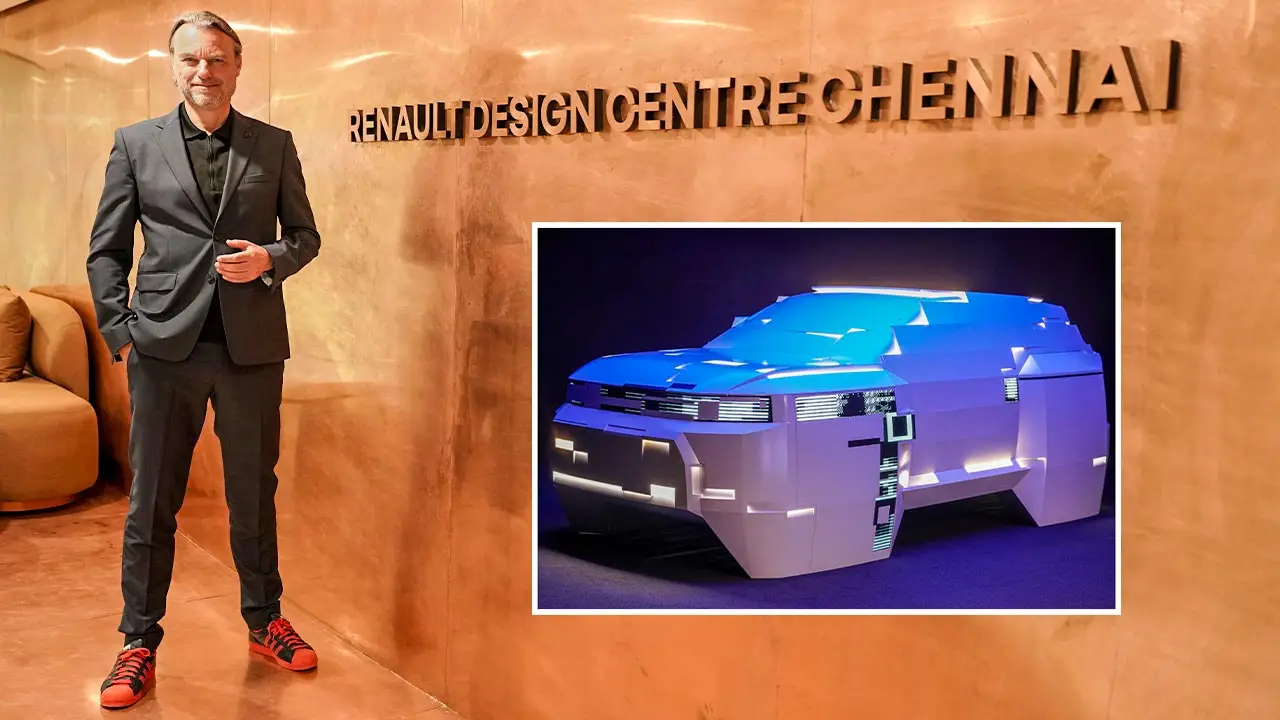
Laurens van den Acker - Bio
Laurens has been instrumental in redefining Renault Group’s design language and identity on a global scale. With over three decades of international experience across Europe, Asia, and the United States, he has played a pivotal role in shaping the design DNA of some of the world’s most iconic automotive brands.
Renault has always been known for its iconic designs. With the rise of electric vehicles, where do you see Renault’s design strategy heading?
I see our design strategy standing on two strong pillars. The first is our Legendary Icons – vehicles like the Renault 4, Renault 5, and the Twingo. These models allow us to tell a story about our brand’s heritage. Many people have owned or been connected to these cars in some way, and that emotional link allows them to connect to the brand.
Also Read: Renault 4 Savane 4X4 Concept Debuts as Rugged Off-Roader with Dual Electric Motors
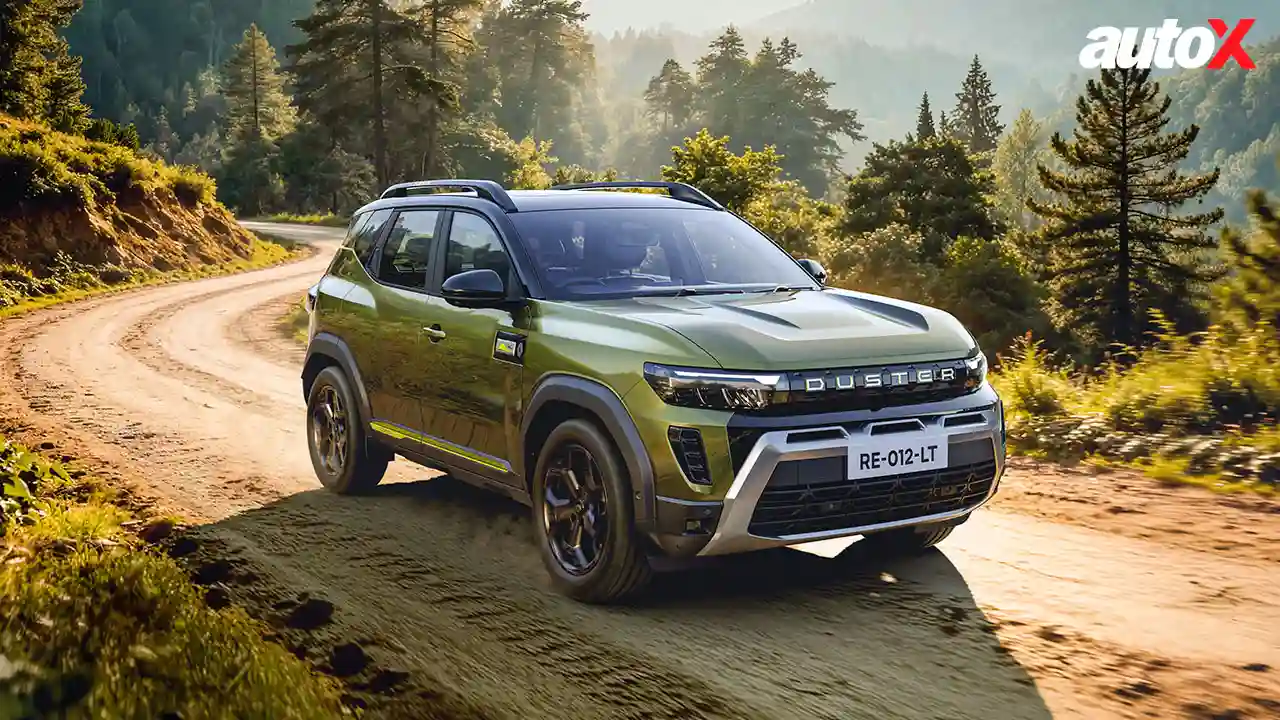
At the same time, we’ve developed products like the Clio, Mégane, and Espace – models that look straight into the future. This blend of nostalgia and futuristic design is a powerful combination for a popular brand like Renault. All our cars aim to connect people to life, making them part of the French culture, and in that sense, they are inherently iconic. Many of them have even created entirely new segments, such as the Espace in Europe or the Duster in India. So, I think that our iconic design language remains a consistent thread.
With EVs, you, as a designer, are given a much broader canvas to rethink how a car could be designed. Does that make the process easier or more challenging for you?
The EV architecture definitely gives us much more freedom than we had before. For instance, the powertrain is more compact, which allows us to push all four wheels out to the corners of the car. That gives us the flexibility to use larger wheels, which could mean better proportions. However, it’s not without its challenges. Depending on where the battery is placed – which is often in the floor – it can raise the overall height of the vehicle. So, in that sense, it’s a bit of a mixed blessing.
That said, EVs also allow for better aerodynamics, especially as the vehicles get larger. And to be honest, there are some cars we simply couldn’t have done with a traditional internal combustion engine. Take the Renault 5, for example. Its retro-futuristic design wouldn’t have been feasible without the EV architecture. So, overall, I’d say I’m quite happy with the opportunities EVs have opened up for us as designers.
You’ve been visiting India for over a decade and have witnessed the success of models like the Duster, Kwid, Triber, and Kiger. What kind of design feedback do you receive from the Indian market that shapes your future products?
I think India is one of the most challenging yet exciting markets in the world,. One of the key differences is how frequently you need to refresh your vehicles. In Europe, we typically launch a car, do a facelift after three to four years, and then bring in a new generation after about seven years. But in India, that cycle is much faster – you have to constantly upgrade.
The main reason behind it is that Indian consumers are incredibly tech-savvy. They want the latest features and gadgets, even on a tight budget. This forces us, as manufacturers, to be very strategic about where we invest in a vehicle, for every feature has to deliver value.
Another unique aspect is the social context of car ownership in India. A car isn’t just a means of transportation – it’s also a reflection of social status. Often, the entire family is involved in the buying decision, and even the wider social circle can influence the choice. So, cars here aren’t treated like commodity products – they’re taken very seriously, making Indian customers extremely demanding.

India is also a young market, which makes it all the more dynamic. In Europe, for example, the average car buyer is around 54 years old. In India, it’s much younger – probably under 30. That youthfulness brings a completely different mindset and energy, and it’s crucial for us to stay connected with that evolving perspective.
In today’s world, would it be fair to say that beyond exterior and interior design, the user interface is becoming one of the most important aspects for customers?
Absolutely. In fact, the experience starts even before you step into the car. It begins the moment you approach it – how it responds, what it signals to you. For example, when you unlock the car and it lights up in a certain way, that already sets a tone. Once you’re inside, it’s no longer just about driving. It’s about how seamlessly the car integrates into your daily life. When the vehicle suggests your usual coffee stop or reminds you about a movie you might want to catch, it becomes a smart companion, much like your smartphone. This kind of fluid, intuitive experience is what customers are increasingly expecting. I believe that it’s an area that has a lot of untapped potential, and we need to innovate further to meet evolving user expectations.
-1773142094141.webp "Renault Bridger SUV Concept Makes Global Debut, India Launch in 2027")