‘Thrill at Your Fingertips’: Inside the RS Q8 Appeal – Balbir Singh Dhillon, Audi India
We’ve described the RS Q8 as ‘a Lamborghini Urus Performante in a Boss suit.’ Is that an accurate description? - We’ve described the RS Q8 as ‘a Lamborghini Urus Performante in a Boss suit.’ Is that an accurate description?
By Team autoX


We’ve described the RS Q8 as ‘a Lamborghini Urus Performante in a Boss suit.’ Is that an accurate description?
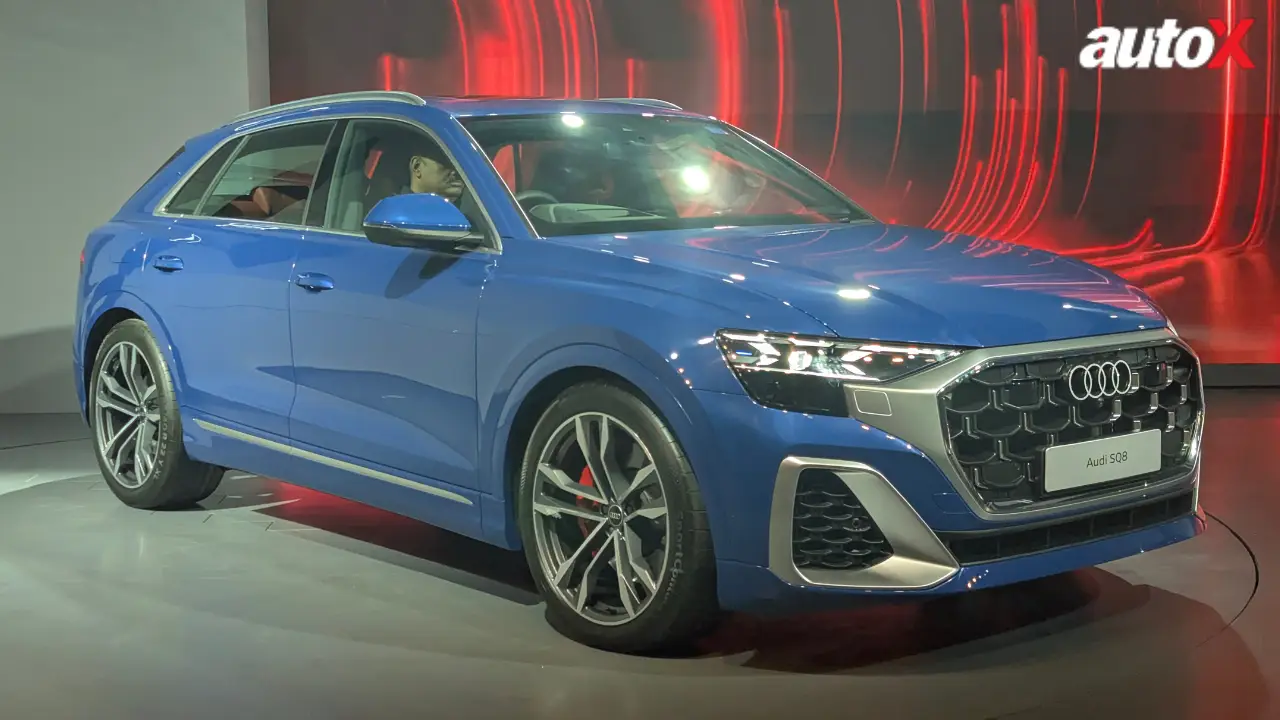
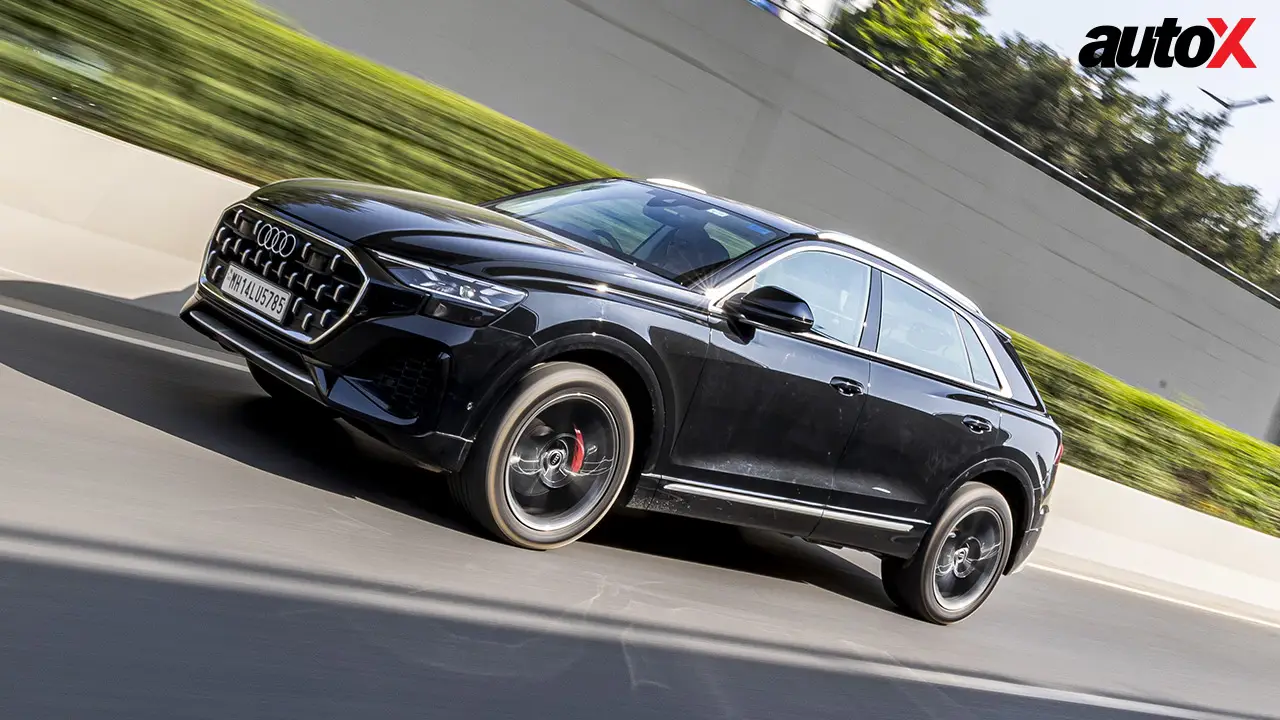
I wouldn’t like to align this car with any other brand, even if it is within our Group. What matters most is how our customers perceive it. We have sold many units, and most of the allocations are booked even before they arrive in India. Customers who want these cars are highly performance-oriented, but also don’t want to compromise on luxury. The RS Q8 offers that balance along with day-to-day usability. You don’t have to wait for the weekend to drive it. The thrill is always at your fingertips.
Your portfolio is aging in India, but internationally you’ve introduced the A5, Q5 and A6. When can we expect these new models in India?
It’s always a matter of time, and I can’t disclose specific timelines right now. Our focus is to serve customers with the current portfolio in the best possible way. New products will come as part of the normal lifecycle. Some lines are at the end of their cycle, and we are waiting for new products to get homologated and ready for India. Many will also be manufactured locally. You will see announcements in the next few months.
Globally, it’s a difficult time. EV adoption is uncertain. How does Audi navigate this tricky environment?
Times are changing, and EV penetration projections have shifted from what they were three years ago. The most important thing for us is agility. To align ourselves with evolving customer needs. We must balance Indian market demands with global long-term strategies and research investments. Tough times push us to look inward and innovate. We’re confident we will come out stronger.
With AI becoming central to business, how is Audi integrating AI into its operations?
AI is everywhere, and we are evaluating what tools to use. It will help especially with data management, improving how we use existing data that previously depended on legacy systems. Cars won’t become ‘AI,’ but they will become more intelligent. From a sales and marketing perspective, AI will enhance data intelligence, feedback collection, digitisation and process optimisation. We’re implementing it in small steps, and it will strengthen us without changing who we are.
Is E20 fuel a point of concern, especially for older audi cars?
From April 2020, our entire portfolio is material-compliant with E20. Before that, many of our cars were diesel, so we don’t see major challenges. Concerns are mostly about perception in regards to the potential impact to fuel efficiency. It’s early days, but we haven’t seen significant issues. Customer concerns are addressed based on our testing and knowledge.
How has the Indian luxury car customer evolved over the years?
The change has been massive. The average age has dropped. 42% of our buyers are under 40, and if we extend that to 50 years, it’s over 70%. Earlier, the segment was chauffeur-driven, now most buyers want to drive themselves. Women buyers have increased significantly, from almost none about 10-15 years ago to 11-12% today. Ownership is becoming experience-driven. EV acceptability is good because most luxury cars are city-driven. There’s also a cultural shift from saving to spending, accelerated by the pandemic.
What are your plans for 2026?
The industry has been stagnant, around 50,000 units sold, with fluctuations. GST rationalisation will give a positive push. We must widen the bottom of the luxury pyramid and attract new buyers. The gap between non-luxury and luxury pricing is narrowing, creating new and exciting opportunities. Challenges like forex fluctuations remain. Next year, we aim to bring several new products, with support from our headquarters, and continue serving customers in the best possible way.