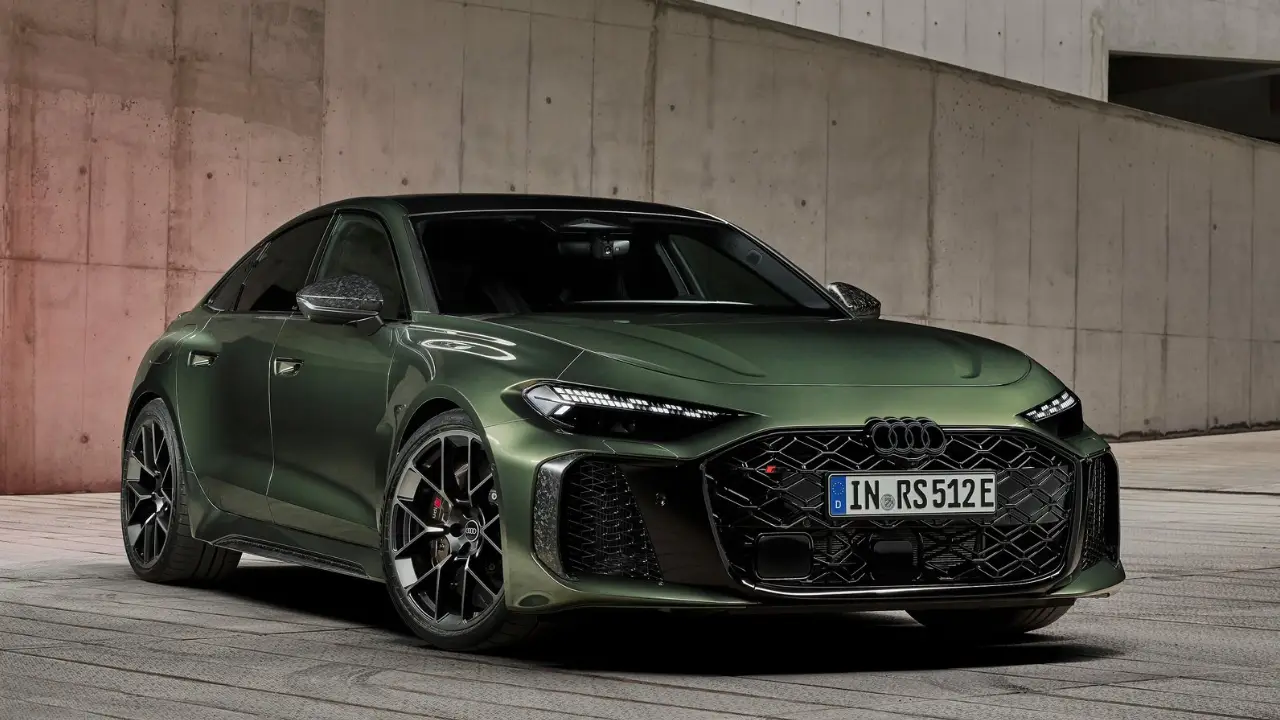
F1: Audi R26 Breaks Cover in Silver, Black, and Red Livery for 2026 Season
Audi’s F1 car runs a silver, black and red livery, backed by its in-house power unit developed in Germany for the new 2026 Formula 1 regulation.
By Divyam Dubey

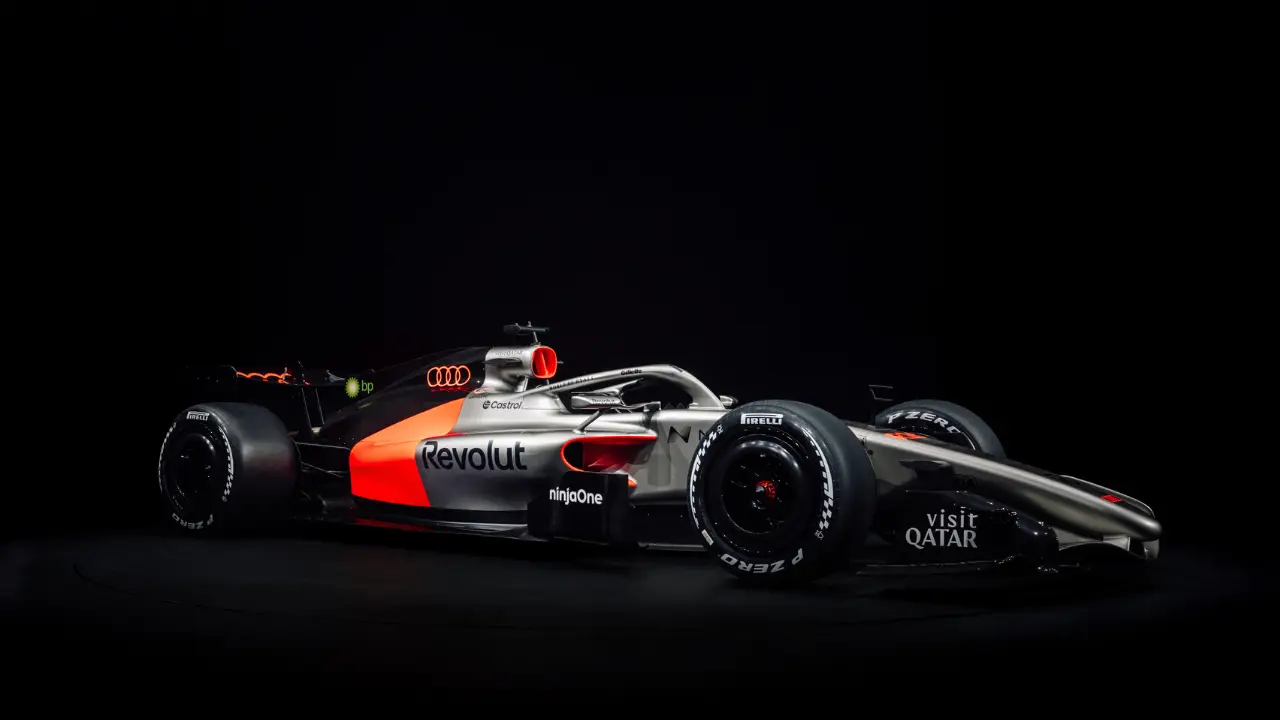
Audi has finally shown its first F1 car, the R26, at a launch event in Berlin. This marks Audi’s official entry into Formula 1 as a full works team with the Audi R26, racing under the Audi Revolut F1 Team name. The move follows Audi’s takeover of the Sauber operation, marking the German car maker’s official entry onto the Formula 1 grid. With the 2026 rule changes around the corner, Audi’s timing could not be better. New cars, new power units and a reset across the grid make this season a clean slate. The R26 is Audi’s first step in a long F1 journey, and everything from here is about building speed the right way.
Also Read: F1: Haas Unveils 2026 F1 Car Livery as Toyota Joins the Team
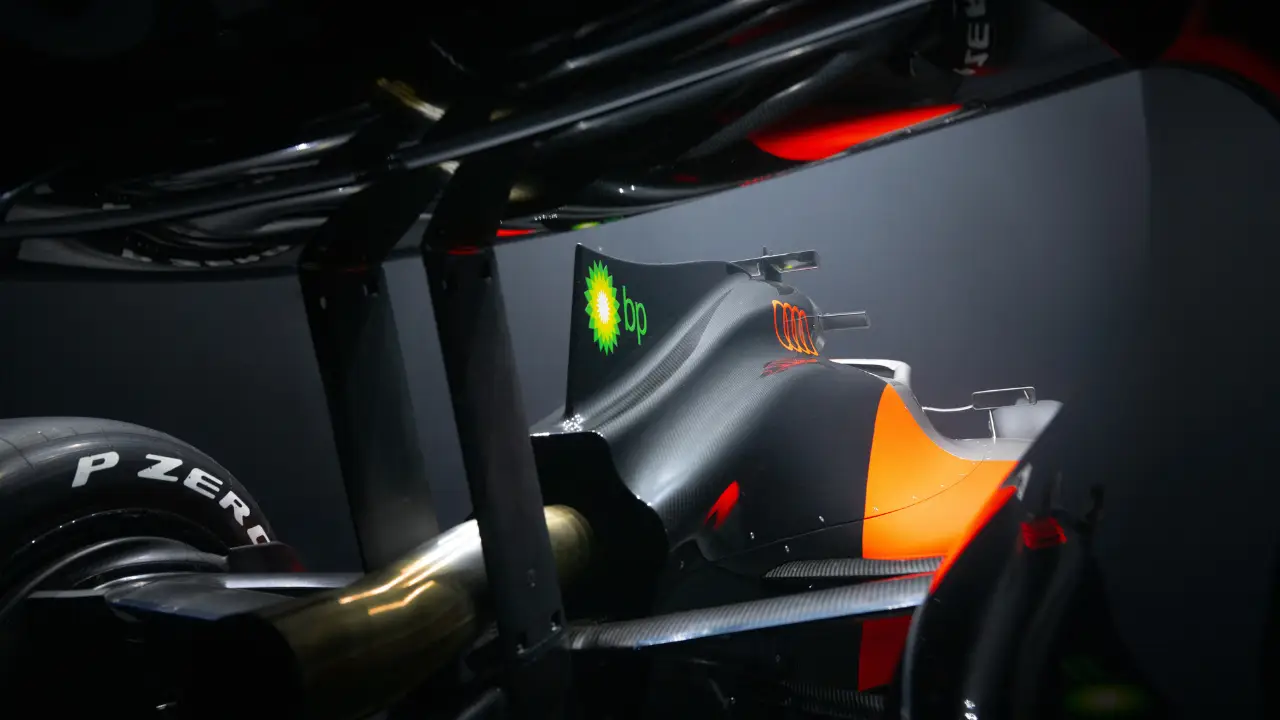
The R26 livery sticks to Audi’s familiar racing colours. Silver, black and red come together in a clean two-part design that looks sharp under the lights. It follows the same style shown in last year’s concept car and carries the brand’s updated motorsport identity. The overall look feels more factory-led than experimental.
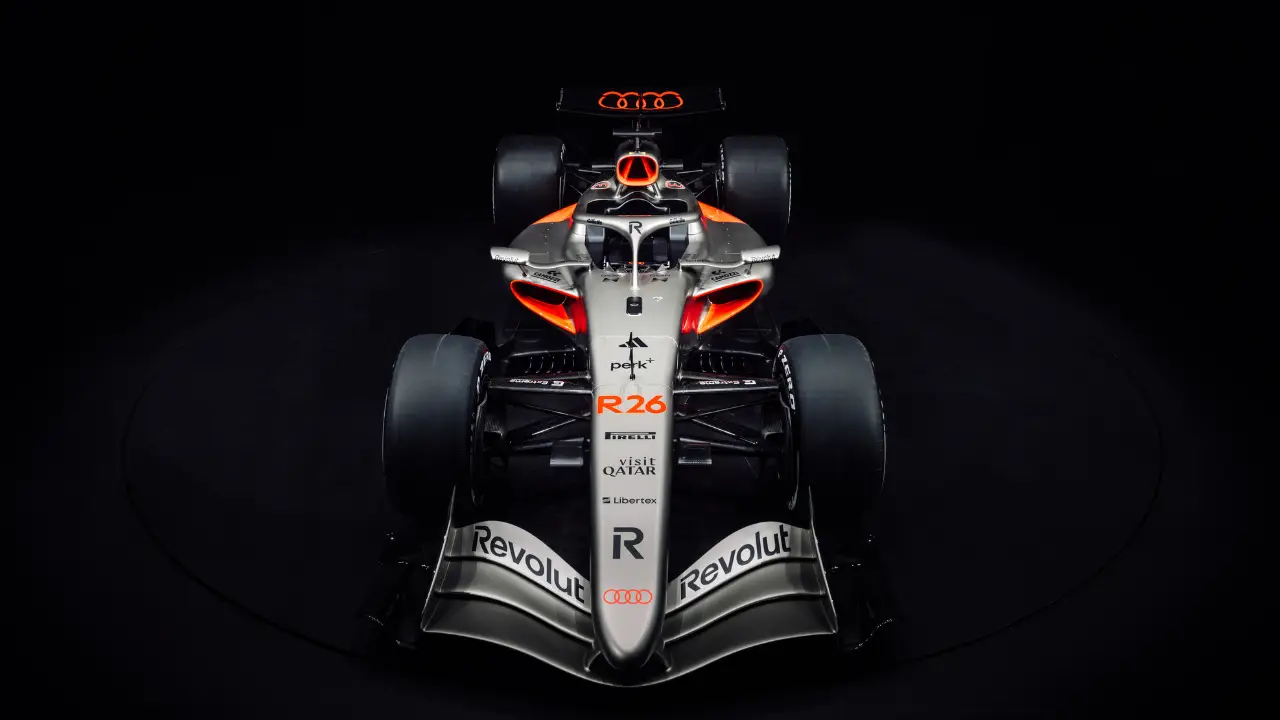
Audi has already made its long-term plans clear. The team is working on a five-year roadmap with the aim of fighting for championships by 2030. This first season is more about learning than winning. The leadership group remains unchanged, with Mattia Binotto heading the project and Jonathan Wheatley running trackside operations.
F1: Audi Power Unit
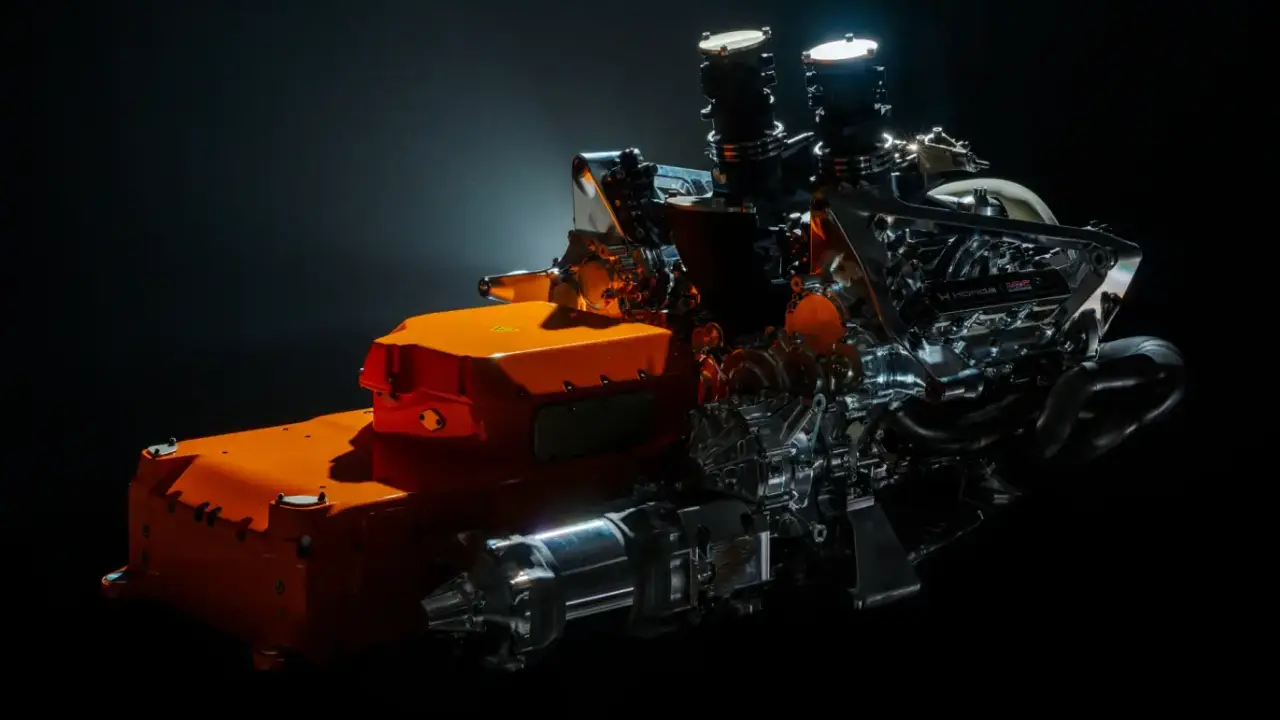
One of the biggest talking points is Audi’s own power unit. The Audi F1 power unit is built at its German facility and sits at the heart of the brand’s 2026 project. With F1 moving to new hybrid systems and active aerodynamics, Audi's entry as both constructor and engine maker adds fresh energy to the grid and makes the upcoming season even more interesting.
The driver line-up stays unchanged for 2026, with Nico Hulkenberg and Gabriel Bortoleto continuing from the team’s Sauber days. Both drivers know the Hinwil setup well, which should help during the early development phase.

Pre-season running begins with a five-day private test at Barcelona from January 26, giving teams their first proper time on track. The action then moves to Bahrain for two more test sessions in February, before the 2026 Formula 1 season gets underway at the Australian Grand Prix on March 6–8.