F1: FIA Tweaks 2026 Rules Ahead of Miami GP; Everything You Need to Know
F1 2026 rules updated ahead of Miami GP with changes to energy recovery, MGU-K deployment, safety systems and wet-weather running.
By Divyam Dubey

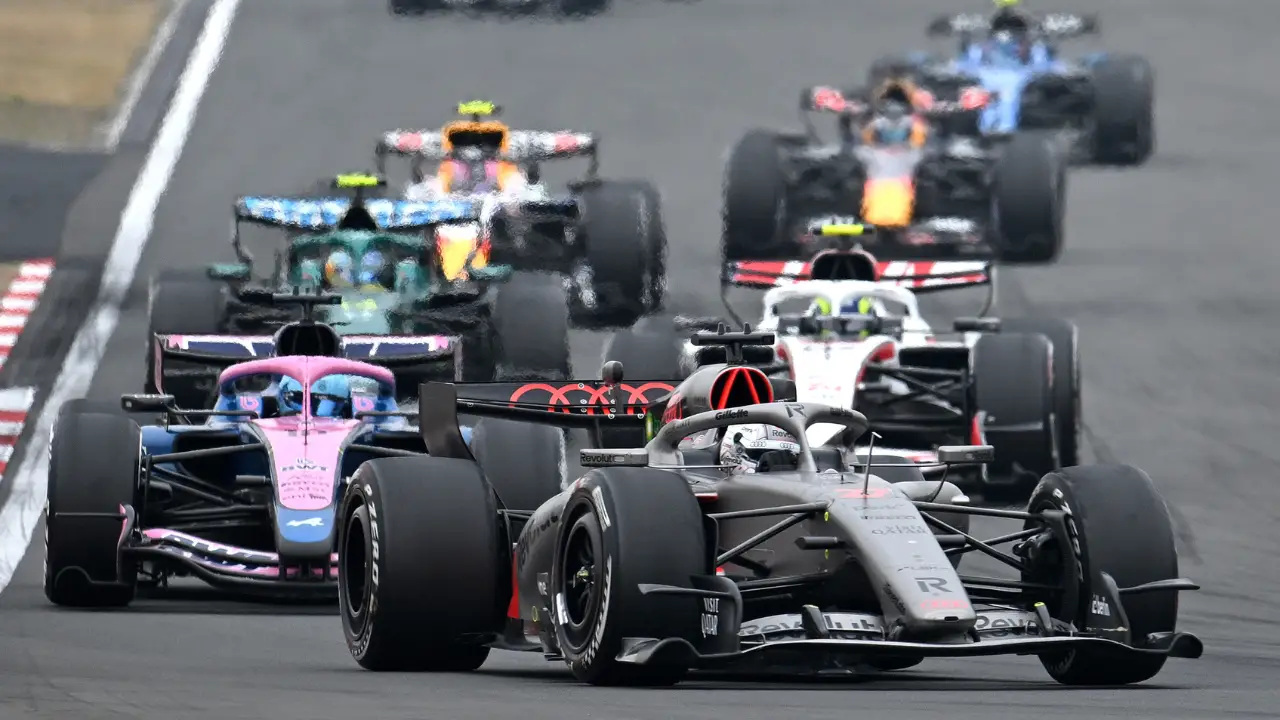
The FIA has locked in a set of changes to the 2026 F1 rules after a decisive meeting with Formula 1, all ten teams and the power unit manufacturers. These adjustments were prompted by data gathered during the opening three rounds of the season, which highlighted major challenges in how the new-generation cars manage energy. Specifically, the technical working groups identified issues with energy deployment in qualifying and erratic car behaviour on long straights, which risked excessive slow driving and dangerous speed differentials in traffic.
Also Read: Ajith Kumar Secures 2nd Place Finish at 24H Series at Spa-Francorchamps
The FIA, however, opted against a total rewrite of the regulations. Instead, it has introduced a set of targeted, unanimous technical interventions aimed at making the cars more responsive, safer in traffic and less reliant on the energy-saving strategies that have frustrated both drivers and fans. These changes will be implemented from the Miami Grand Prix onwards, pending final ratification by the World Motor Sport Council.
2026 F1 Rules: What's Changed?
Most of the updates refine the balance between energy recovery and deployment. To combat the need for lift-and-coast, the FIA has reduced the qualifying energy recovery limit, the total electrical energy a car can harvest over a lap, from 8 megajoules to 7 megajoules. While this slightly reduces raw electrical power, it is a strategic trade-off intended to prioritise racing performance over energy preservation.
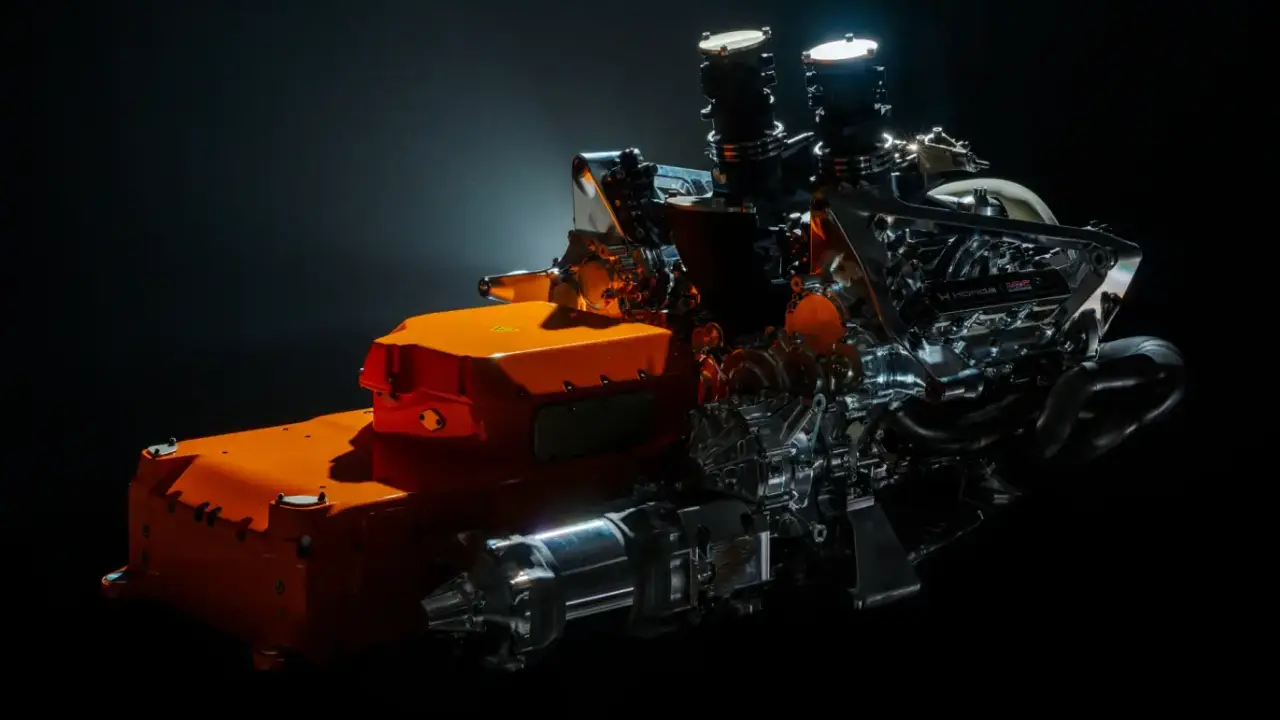
Furthermore, the FIA has addressed the phenomenon where the MGU-K recovers energy while the driver is on full throttle. The maximum power for super clipping has been increased from 250kW to a ceiling of 350kW. This ensures a more natural speed trace on straights and reduces the closing speed risks observed early in the season. For race deployment, the MGU-K will operate at 350kW in "key acceleration zones" and be capped at 250kW elsewhere, with an additional boost mode for race conditions now limited to 150kW above standard output.
2026 F1 Rules: Safety Changes and What They Mean on Track
Safety has become the main driver for these updates, particularly following high-speed incidents such as Oliver Bearman’s crash at Suzuka. To address the danger of cars closing rapidly when energy deployment fluctuates, the FIA will trial a new "low power start detection system" in Miami. If a car fails to meet a minimum acceleration threshold after the clutch is released, the system will automatically trigger MGU-K deployment to ensure the car moves away safely, preventing it from becoming a hazard.
-1774797493200.webp)
This system will initially act as a trial, with feedback gathered from teams and drivers before permanent adoption. Additionally, affected cars will trigger flashing rear and side warning lights to give following drivers an immediate visual cue.
The FIA has also optimised wet-weather procedures. Intermediate tyre blanket temperatures will be increased, ERS deployment in wet conditions will be reduced and rear lighting systems have been simplified to improve visibility.