Bajaj Pulsar NS400Z vs Harley Davidson X440 Spec Comparison: What's Different?
Looking for speed and agility or comfort and presence? This spec comparison of the Bajaj Pulsar NS400Z and Harley X440 shows how they differ and stand out.
By Reetika Bhatt

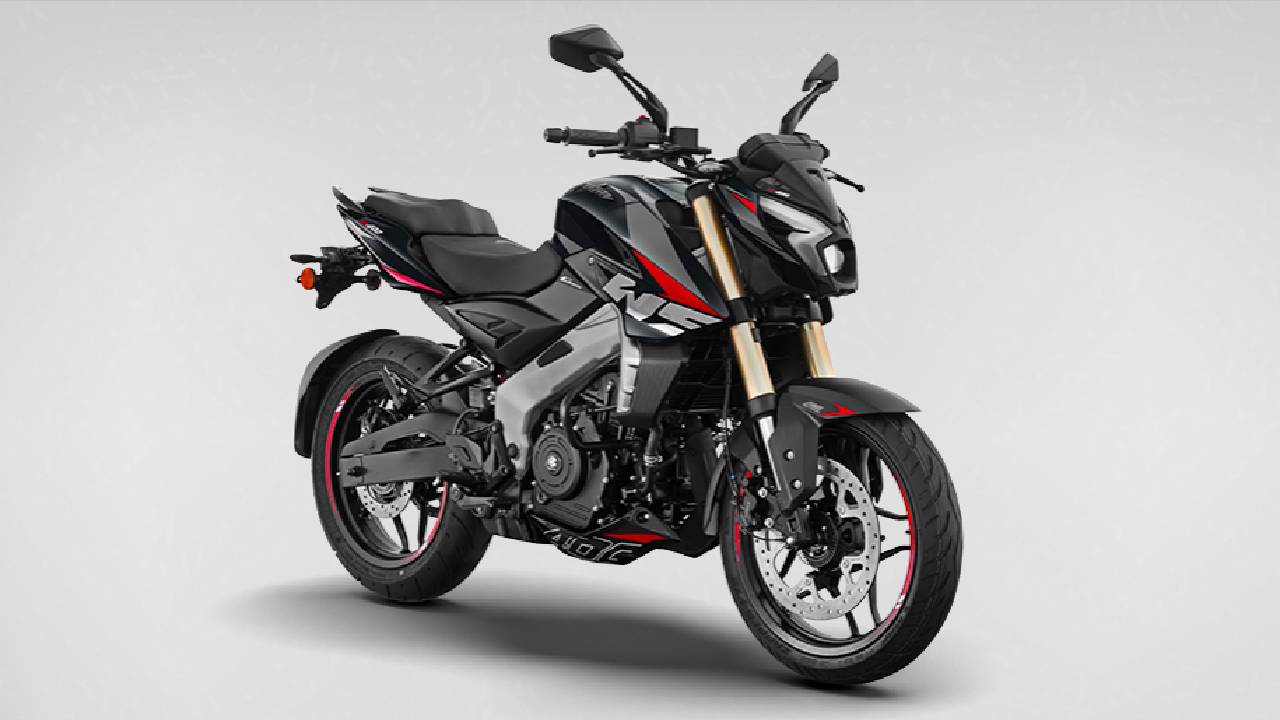
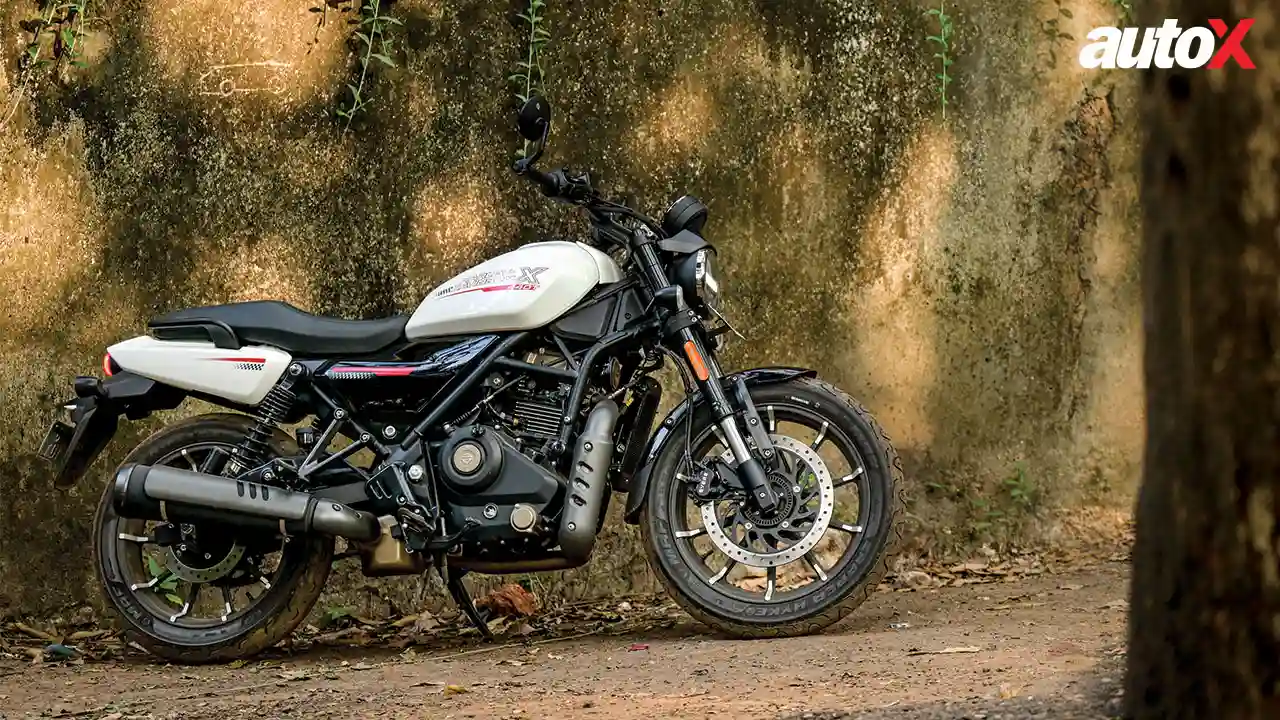
The Bajaj Pulsar NS400Z and Harley-Davidson X440 may both compete in the under-500cc segment, but they are built with distinctly different philosophies. The NS400Z is Bajaj’s new flagship Pulsar, designed for riders who prefer sharp performance, aggressive design, and sporty features like ride modes and a bi-directional quickshifter. Meanwhile, the X440 takes a more classic approach, combining a relaxed stance, torquey engine, and premium components to deliver a roadster that feels more cruiser-like. Both bikes feature modern tech and safety equipment but differ in performance, ride feel, and target audience. Whether you are after speed and agility or comfort and presence, this spec comparison breaks down how these two motorcycles differ on paper and where each one stands out.
Bajaj Pulsar NS400Z vs Harley-Davidson X440 Spec Comparison: Price and Colour Options
Bajaj has rolled out the refreshed Pulsar NS400Z with a starting ex-showroom price of Rs 1.92 lakh, offered in just one trim level. This marks a slight increase over the 2024 model, which was priced at Rs 1.85 lakh. In contrast, Harley-Davidson’s X440 begins at Rs 2.39 lakh and is available in three variants.
Also Read: Hero MotoCorp Announces India Pricing for 2025 Harley-Davidson Motorcycles
In terms of paint schemes, the Pulsar NS400Z can be had in one of three colours: Ebony Black, Pewter Grey, or Glossy Racing Red. The Harley X440 offers a broader spectrum with seven available shades, including standout shades like Baja Orange, Denim Mustard, Matte Black, and Vivid Goldfish Silver.
Bajaj Pulsar NS400Z vs Harley-Davidson X440 Spec Comparison: Engine Specs
Mechanically, Bajaj retains the 373cc single-cylinder motor for the NS400Z, but with revised tuning. The engine now delivers 43bhp (up from 40bhp), with a higher rev ceiling of 10,700rpm in Sport mode. The top speed has risen to 157km/h, 7km/h more than before. Acceleration figures have also improved: 0–60km/h now takes just 2.7 seconds, while 0–100km/h comes up in 6.4 seconds.
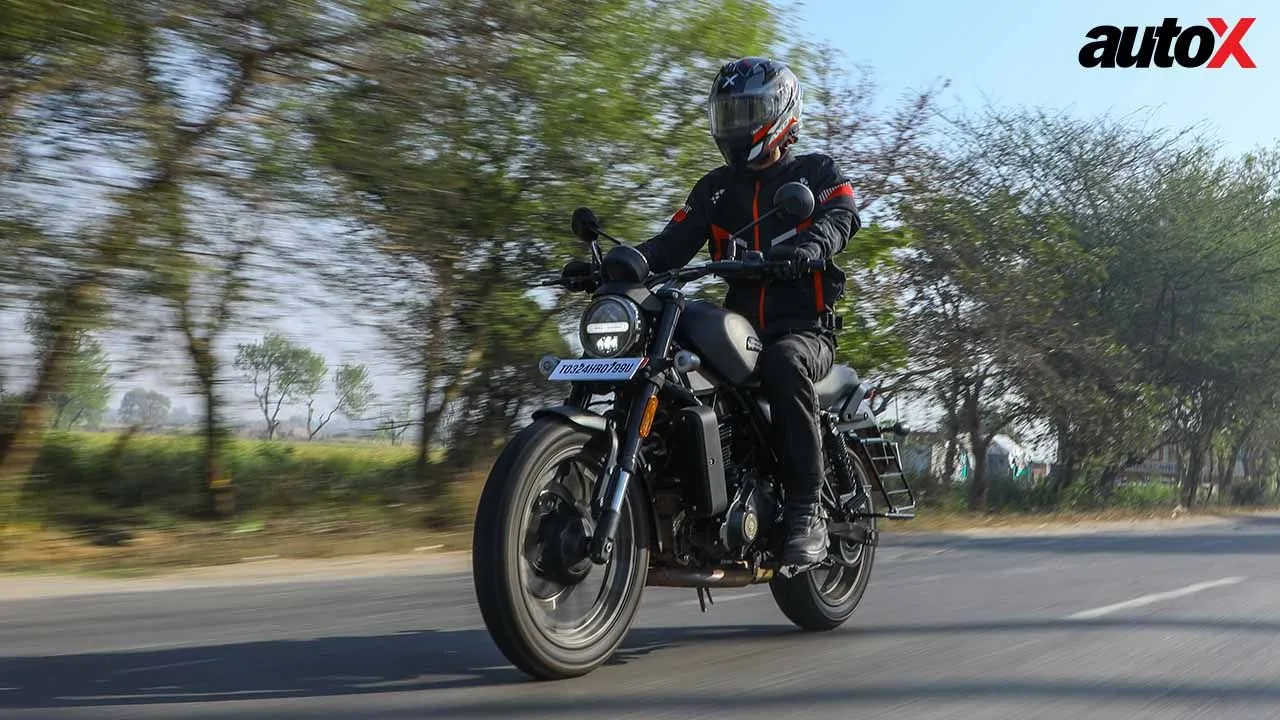
Meanwhile, the Harley-Davidson X440 is powered by a new 440cc single-cylinder engine using air and oil cooling. It generates 27bhp at 6,000rpm and 38Nm of torque at 4,000rpm and is paired with a 6-speed transmission sending power to the rear wheel.
Bajaj Pulsar NS400Z vs Harley-Davidson X440 Spec Comparison: Hardware
The updated Bajaj Pulsar NS400Z now gets a wider 150-section rear radial tyre and replaces the front bias-ply with a radial for improved grip and handling. Sintered front brake pads reduce braking distance by up to 7%. It also debuts Bajaj’s Sport Shift bi-directional quickshifter for clutchless gear changes in both directions. The chassis remains unchanged, retaining the twin-spar steel perimeter frame and 174kg kerb weight. It rides on 17-inch wheels (110/70 front, 150/60 rear), with suspension travel rated at 120mm front and 130mm rear. Seat height is 805mm, ground clearance is 165mm, and fuel tank capacity is 12 litres. Braking duties are handled by a 320mm front disc and 230mm rear disc, with dual-channel ABS.
Also Read: 2025 Bajaj Dominar 400, 250 Launched in India; Prices Start at Rs 1.91 Lakh
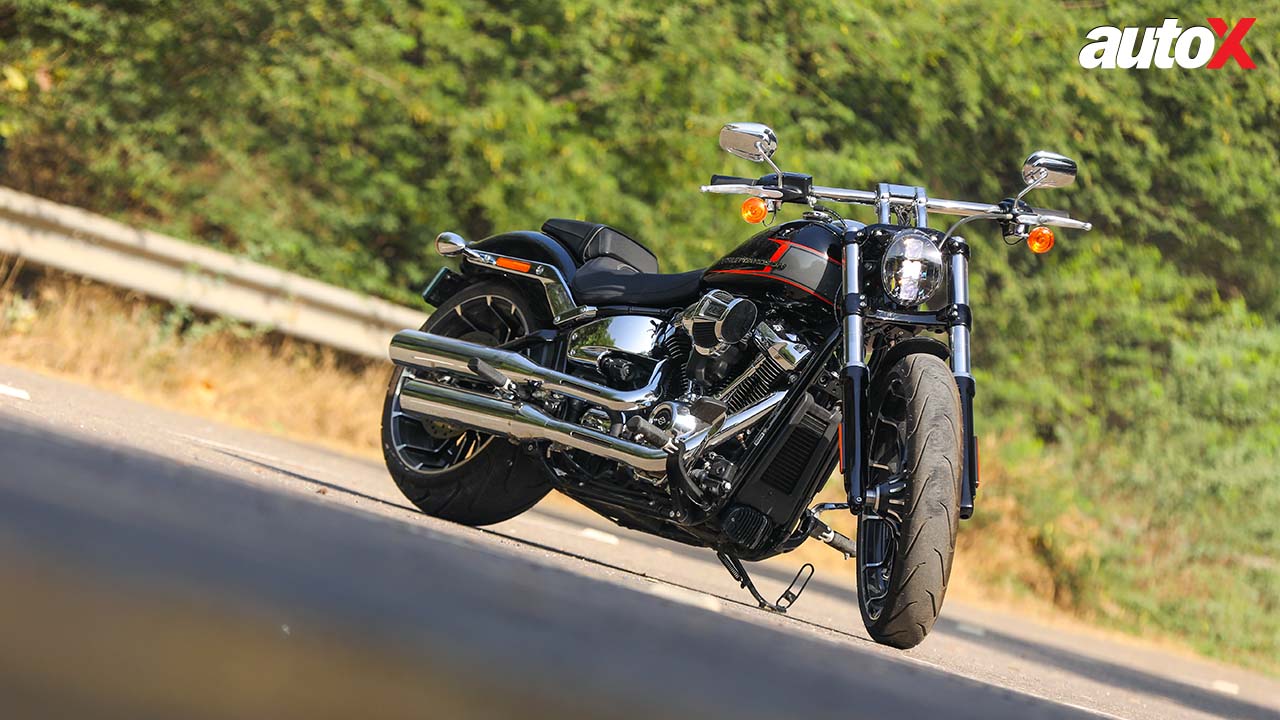
In contrast, the Harley-Davidson X440 features 43mm USD front forks with dual-cartridge damping and twin gas-charged rear shocks. It uses disc brakes on both ends with a 320mm front rotor and dual-channel ABS. The bike weighs 190.5kg, has a 13.5-litre tank, 805mm seat height, and 170mm ground clearance. It rides on MRF Zapper Hyke tyres – 100/90-18 front and 140/70-17 rear.
Bajaj Pulsar NS400Z vs Harley-Davidson X440 Spec Comparison: Tech Aids
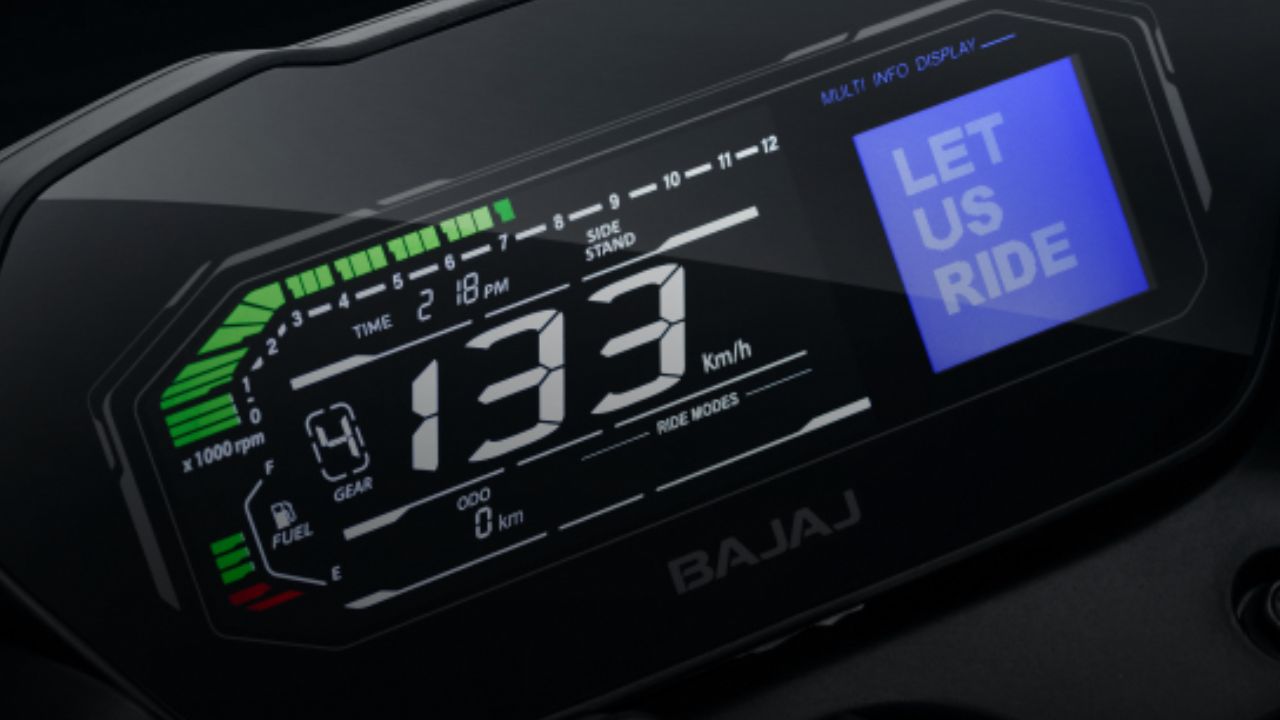
Feature-wise, the 2025 NS400Z brings updated tech such as a lap timer, selectable ride modes, audio control, Bluetooth pairing for turn-by-turn directions, and additional digital aids.
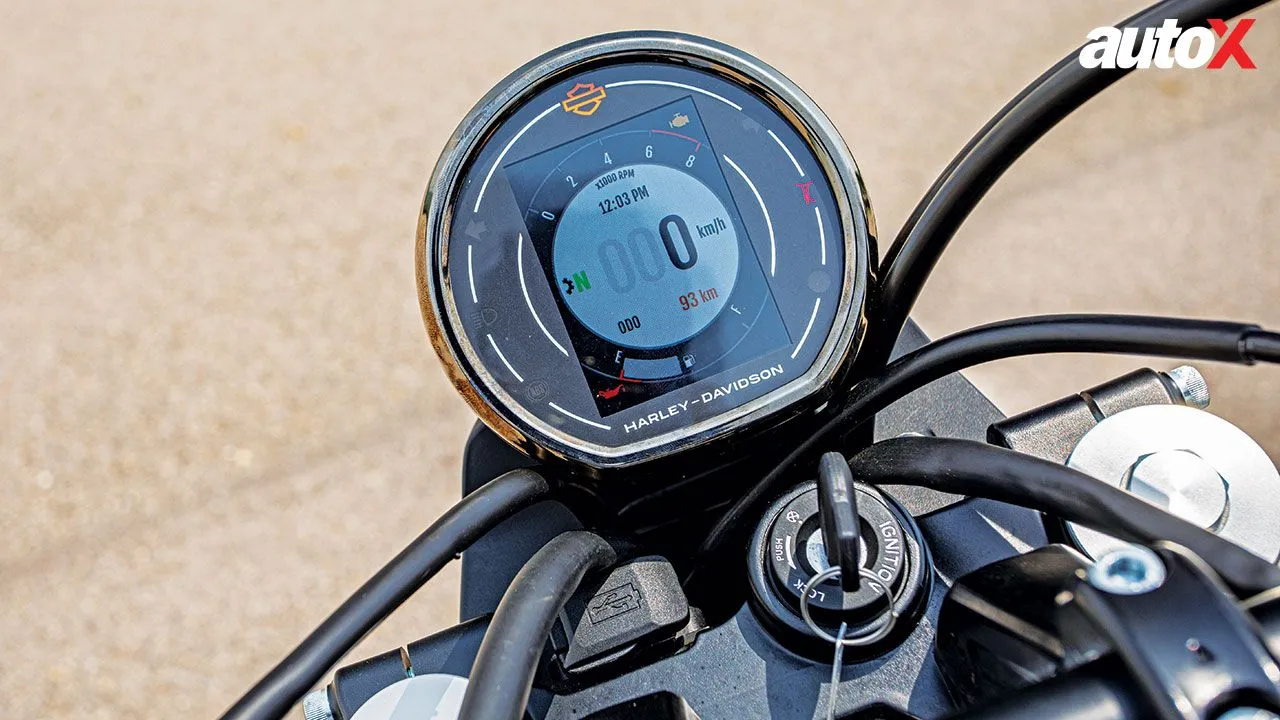
Each variant of the X440 is visually and mechanically distinct. The entry-level Denim version includes spoke wheels. The mid-tier Vivid trim swaps those for alloy wheels. The top-spec S version offers diamond-cut alloy wheels, precision-machined cooling fins, 3D logo detailing, and a full-colour TFT screen with connected features like navigation and alerts. All variants come equipped with a USB charger as standard.
-1768978468148.webp "2026 Bajaj Pulsar 125 Launched at Rs 89,910; Gets New LED Head Lamps and More")