IMOTY 2026 Contenders Announced: Royal Enfield Classic 650, TVS Apache RTX and More
The IMOTY 2026 winner is yet to be announced, but the shortlisted motorcycles give a clear view of the models competing for one of the most followed awards in the Indian two-wheeler space.
By Divyam Dubey


The Indian Motorcycle of the Year 2026 (IMOTY 2026) shortlist has been officially revealed, bringing focus back to one of the most followed awards in the Indian two-wheeler space. A jury of leading automotive journalists has selected eight motorcycles that went on sale in India during the eligibility window, with our Assistant Editor Shivank Bhatt and Multimedia Producer Karan Mathur part of the voting panel. The shortlisted motorcycles span key segments that matter to Indian riders, including commuters, cruisers, adventure motorcycles and street nakeds. For enthusiasts, IMOTY often acts as a guide to understanding which new models have delivered on design, engineering and real-world usability. Last year, the Aprilia RS 457 took home the title, raising expectations for this year’s competition. The final winner will be announced on December 18, a date closely tracked by manufacturers, riders and industry watchers alike.
Also Read: ICOTY 2026 Contenders Announced: Maruti Suzuki Victoris, Skoda Kylaq, Kia Syros, and More
The IMOTY 2026 eligibility rules remain clear and unchanged. Only all-new motorcycles qualify for the award, while existing models with cosmetic updates or minor mechanical revisions, including changes to power or drive-train, are not considered. The motorcycles must be manufactured or assembled in India and available in showrooms before November 30, 2025. All entries must be homologated for Indian type approval, and models brought in via the CBU route are excluded. The country of origin does not matter as long as local production or assembly criteria are met.
Here are the contenders for the 2026 IMOTY awards:-
Honda CB 125 Hornet

The Honda CB125 Hornet follows a streetfighter layout with a short rear section. It uses USD front forks, a rear monoshock and a 240mm front disc brake. Kerb weight is 124kg. Power comes from a 123.94cc air-cooled single-cylinder engine with a 5-speed gearbox, producing 10.9bhp at 7,500rpm and 11.2Nm at 6,000rpm.
Kawasaki KLX230

The Kawasaki KLX230 carries a dual-sport layout with a high front mudguard and off-road tyres. It features telescopic front forks, a rear monoshock and disc brakes at both ends. Kerb weight stands at 139kg with an 880mm seat height. The 233cc air-cooled single-cylinder SOHC engine with a 6-speed gearbox delivers 18.1bhp and 18.3Nm.
KTM 390 Adventure
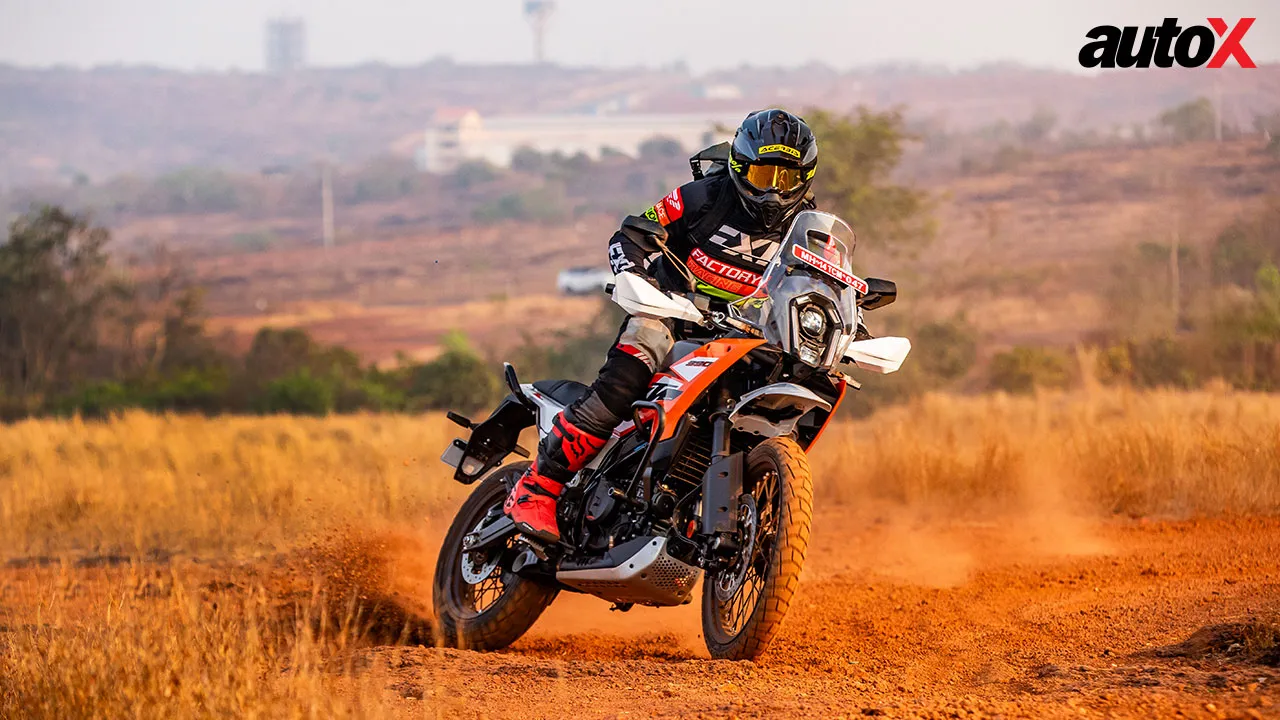
The KTM 390 Adventure uses an adventure touring layout with a windscreen and handguards. Suspension includes WP Apex USD front forks and a rear monoshock, with disc brakes at both ends. Kerb weight is 182kg and seat height is 830mm. It is powered by a 398.63cc liquid-cooled single-cylinder DOHC engine with a 6-speed gearbox, producing 44.25bhp and 39Nm.
KTM Enduro R

The KTM 390 Enduro R follows an enduro layout with a narrow body and underbody protection. It gets WP Apex inverted front forks, an adjustable rear monoshock and disc brakes at both ends. Kerb weight is 177kg with an 860mm seat height. The 399cc liquid-cooled single-cylinder DOHC engine with a 6-speed gearbox produces 45.4bhp and 39Nm.
Royal Enfield Classic 650

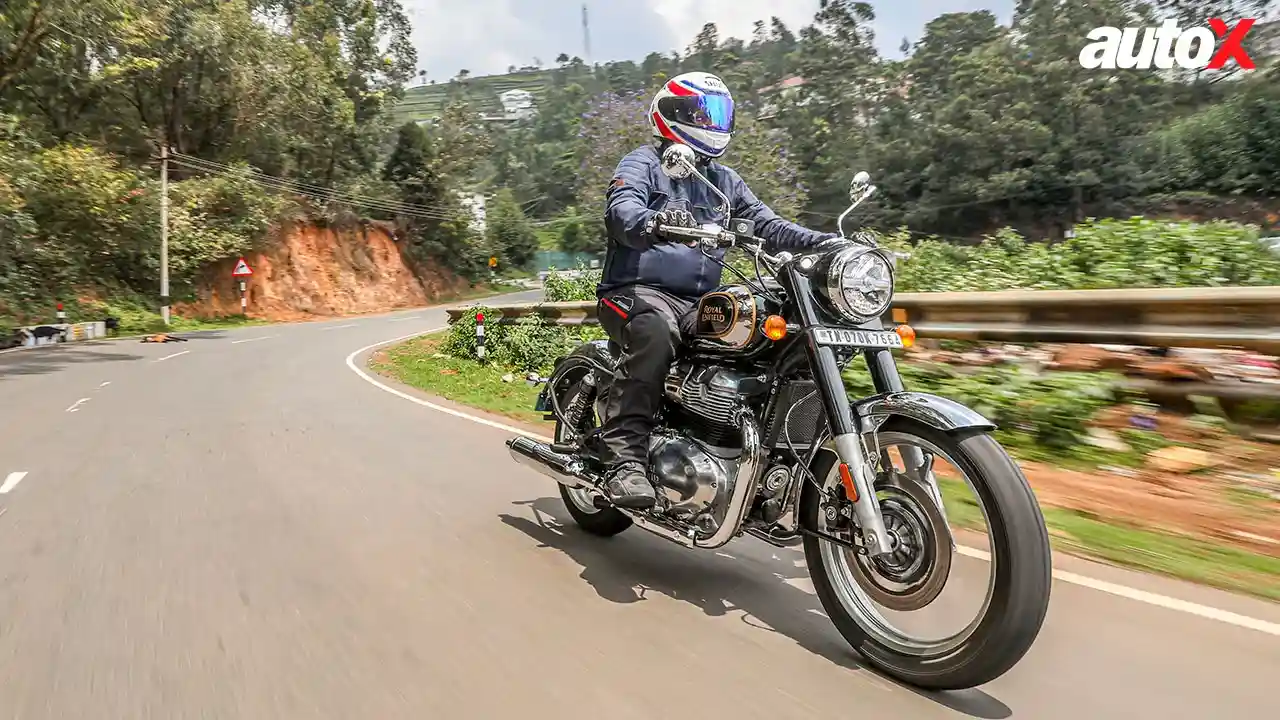
The Royal Enfield Classic 650 uses a roadster layout with a round headlamp and metal parts. It comes with telescopic front forks, twin rear shocks and disc brakes at both ends. Kerb weight stands at 243kg and seat height is 800mm. Power comes from a 647.95cc air-oil cooled parallel-twin engine with a 6-speed gearbox, delivering 46.3bhp and 52.3Nm.
TVS Apache RTX

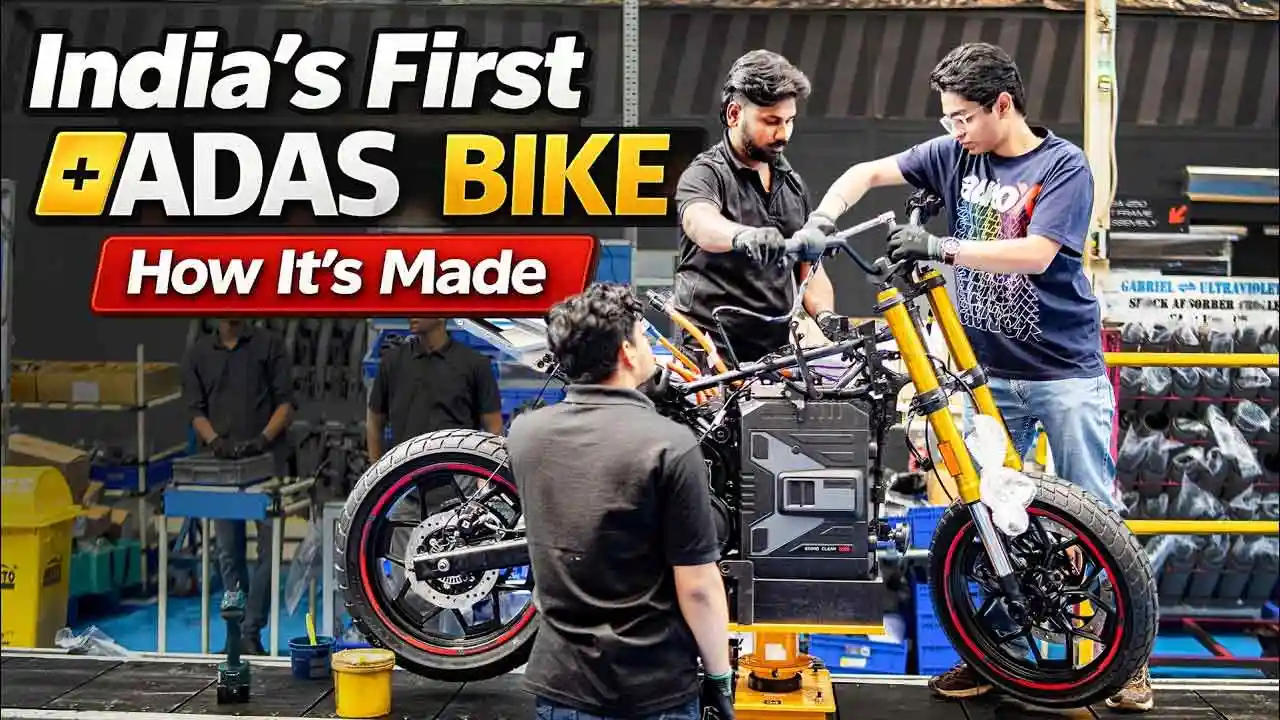
The TVS Apache RTX features a naked motorcycle layout with a split headlamp and underbody exhaust. It uses USD front forks, a rear monoshock and disc brakes at both ends. Kerb weight is 180kg with an 835mm seat height. The 299cc liquid-cooled single-cylinder engine with a 6-speed gearbox produces 35.5bhp and 28.5Nm.
Ultraviolette X47

The Ultraviolette X47 follows an electric crossover layout with a front fairing and luggage mounting points. It uses USD front forks, a preload-adjustable rear monoshock and disc brakes at both ends. Kerb weight stands at 197kg with an 820mm seat height. The permanent magnet AC motor paired with 7.1kWh or 10.3kWh batteries delivers 36.2bhp and 100Nm.
Yamaha XSR 155

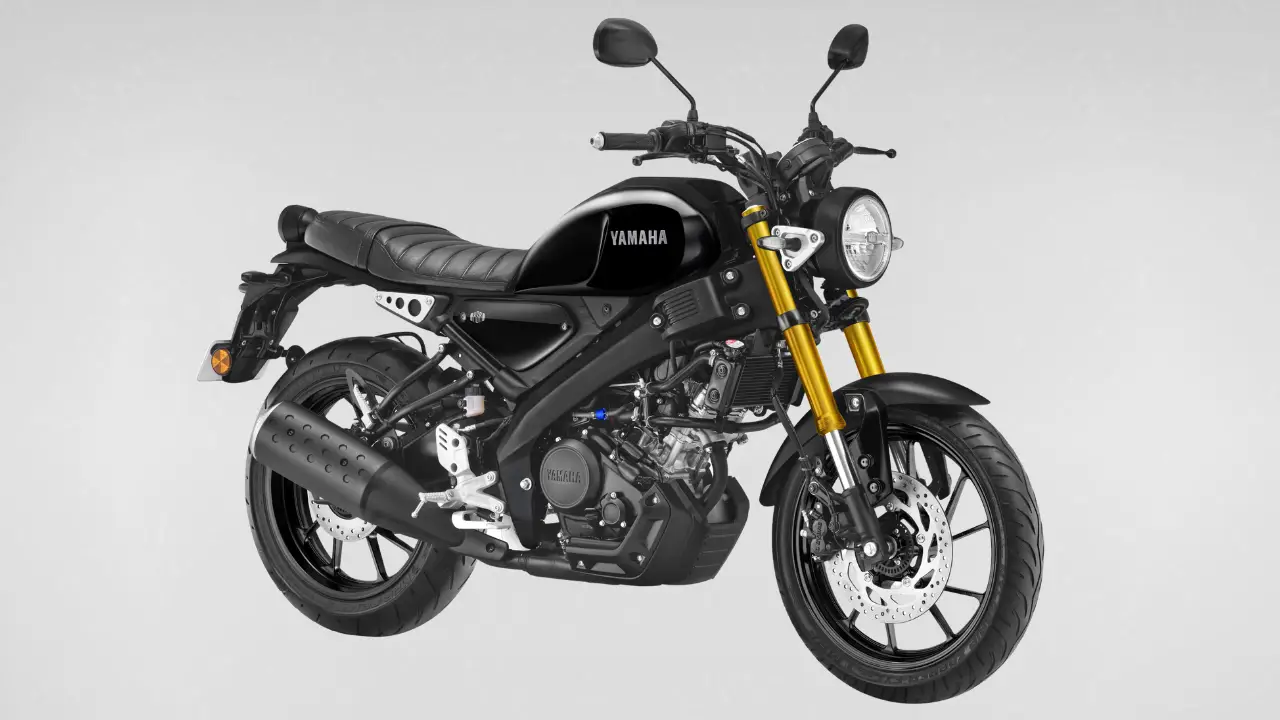
The Yamaha XSR 155 uses a cafe racer layout with a round LED headlamp and single seat. Suspension includes telescopic front forks and a rear monoshock, with disc brakes at both ends. Kerb weight is 137kg and seat height is 810mm. It runs a 155cc liquid-cooled single-cylinder engine with a 6-speed gearbox, producing 18.1bhp and 14.2Nm.