KTM Ends Long-Term Partnership with KISKA Design Agency
KTM ends its 30-year partnership with KISKA and moves motorcycle design in-house. The shift could shape the styling and identity of upcoming KTM bikes over the next years.
By Divyam Dubey


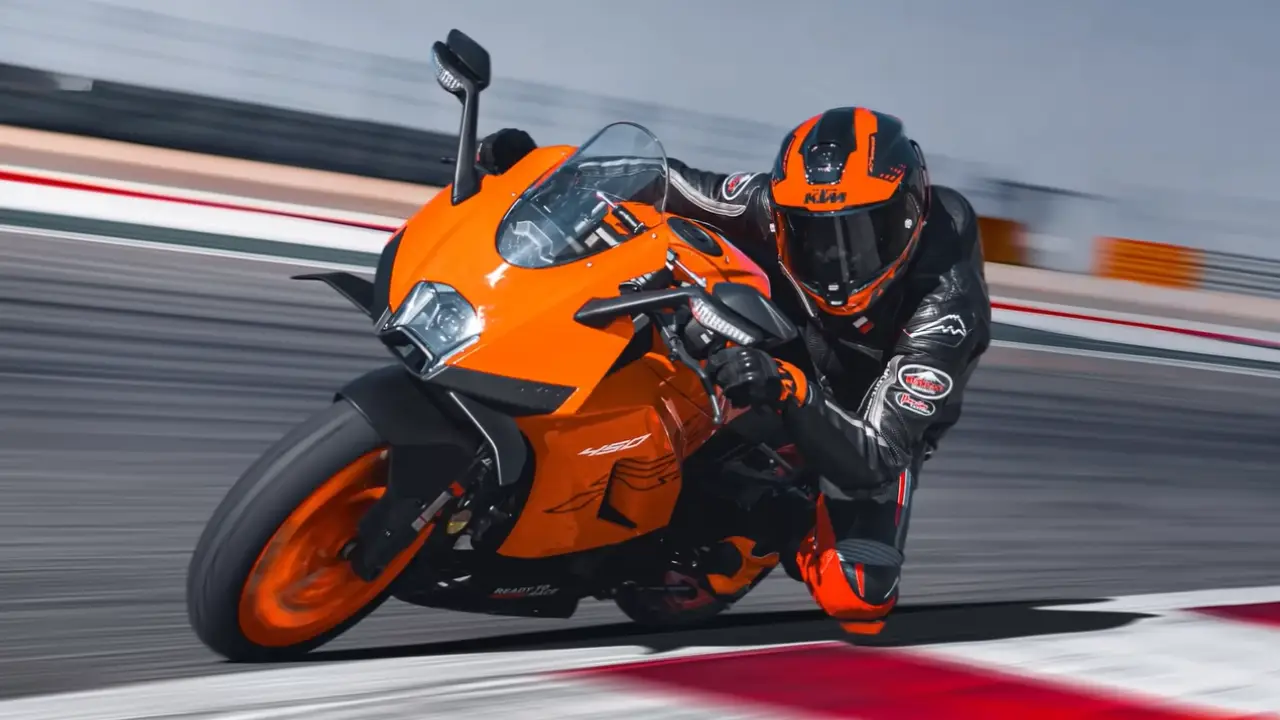
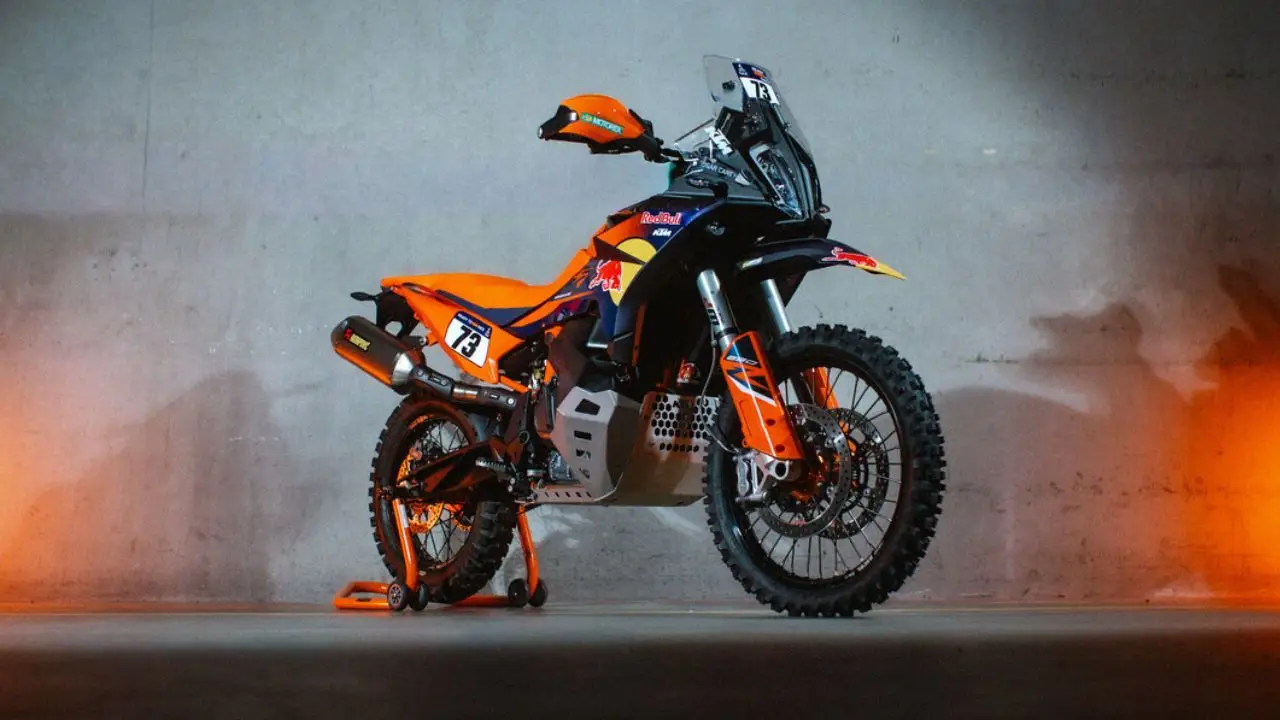
KTM has officially confirmed it is ending its long-standing partnership with KISKA, the design house that has defined the aesthetic of its motorcycles for over three decades. This collaboration, which began in the early 1990s, was instrumental in forging the sharp, aggressive motorcycle styling that riders globally now associate with the Austrian manufacturer. From pioneering off-road machines to the iconic "Ready to Race" look of the KTM Duke and Adventure ranges, the orange-and-angular identity carried a distinct KISKA signature. This split marks the conclusion of one of the most recognisable design partnerships in the history of the industry.
Also Read: KTM 390, 250 Adventure Get Free Accessories, 10-Year Extended Warranty
Moving forward, KTM will transition its design operations into a specialised internal department. By bringing motorcycle development and styling under one roof, the company gains direct control over creative timelines and aesthetic synchronisation. The strategy behind this shift is to allow designers to work in closer proximity to the engineering teams to move faster on new models. This 'in-house' approach is a trend mirrored by many major automotive manufacturers aiming to tighten the process and move faster on production. For KTM, it ensures that the next generation of motorcycles will be shaped entirely within the brand’s own walls.
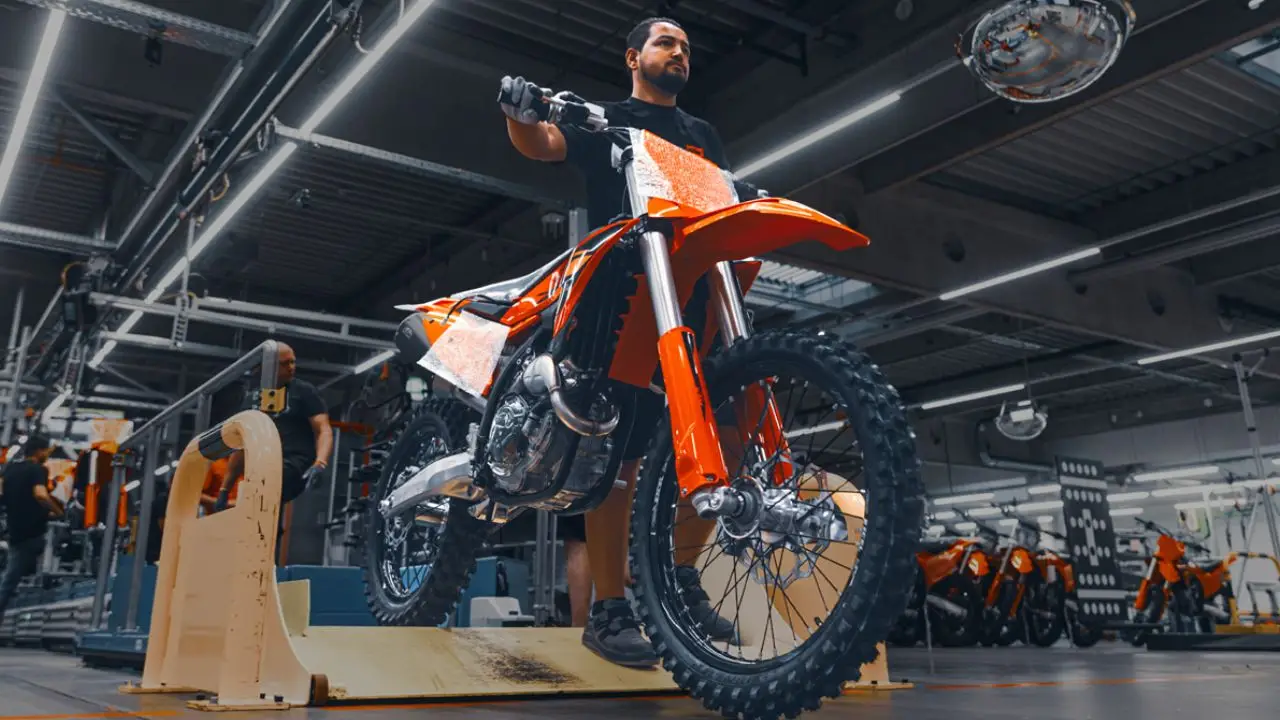
It is impossible to overstate the role KISKA played in building KTM’s visual language through its signature sharp panels and minimal bodywork. The agency’s influence went beyond the bikes themselves, covering branding, marketing materials, and showroom designs across the Pierer Mobility AG portfolio, which includes Husqvarna and GasGas. With the exclusive tie-up ending, KISKA is expected to move on to work with new clients across the transport sector. However, KTM has stated that current projects with KISKA will continue until completion, so upcoming models already in the development pipeline will still follow the existing design language.
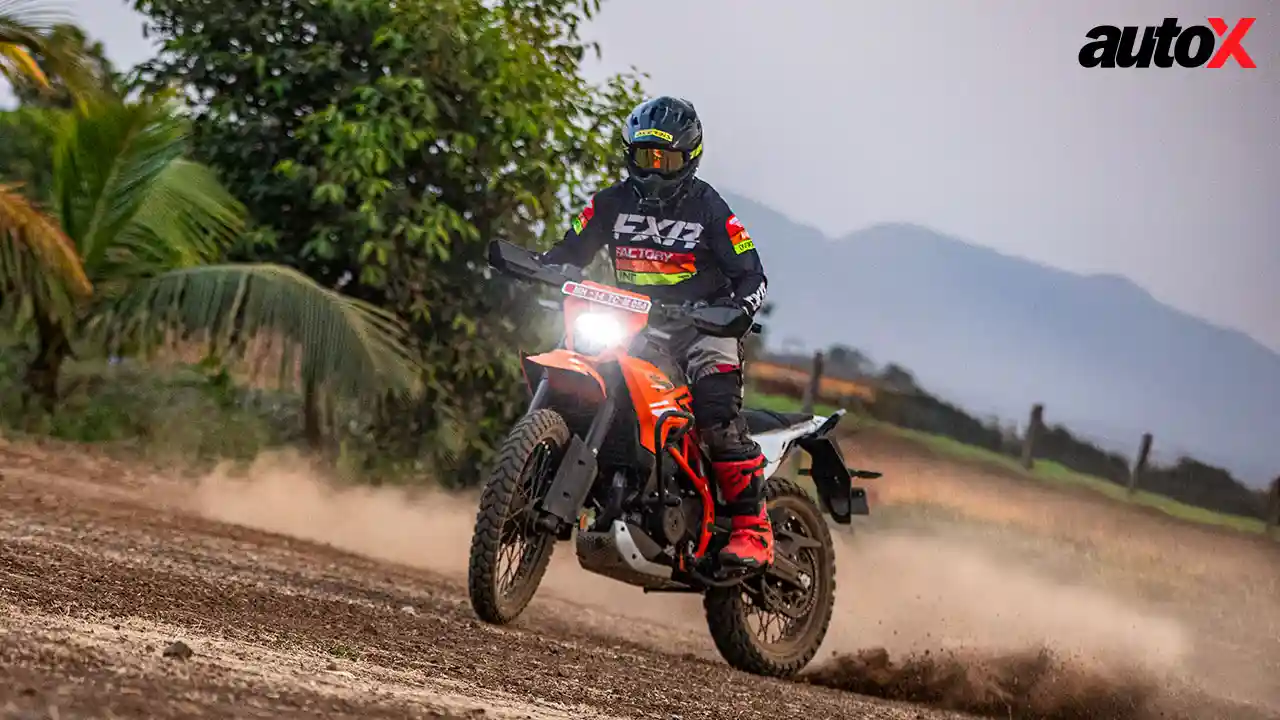
This decision arrives as Pierer Mobility AG continues to restructure its global operations to improve efficiency. Financial updates from the group point to an aggressive push for cost control and streamlined decision-making. By bringing design teams inside the company, KTM expects to reduce external consultancy fees and simplify the path from initial concept to the showroom floor. This move is part of a broader strategy to ensure the brand remains competitive in an evolving global market where speed to market is increasingly critical for success.
Looking ahead, this change will guide the visual trajectory of future KTM motorcycles as an internal team takes over the brand's identity. While the company built its reputation on aggressive and minimal styling, this new phase allows for a fresh evolution of the 'Ready to Race' ethos. The first motorcycles created fully under the new in-house setup are expected to debut within the next two years. Even with the split, KTM and KISKA remain linked through decades of shared heritage, and parts for existing bikes will continue to be produced to original specifications.
-1773647217567.webp "KTM Announces 4-Year Standard Warranty for Road-Legal Bikes")


