New BMW G 310 RR Teased with Updated Design Ahead of Festive Season Launch
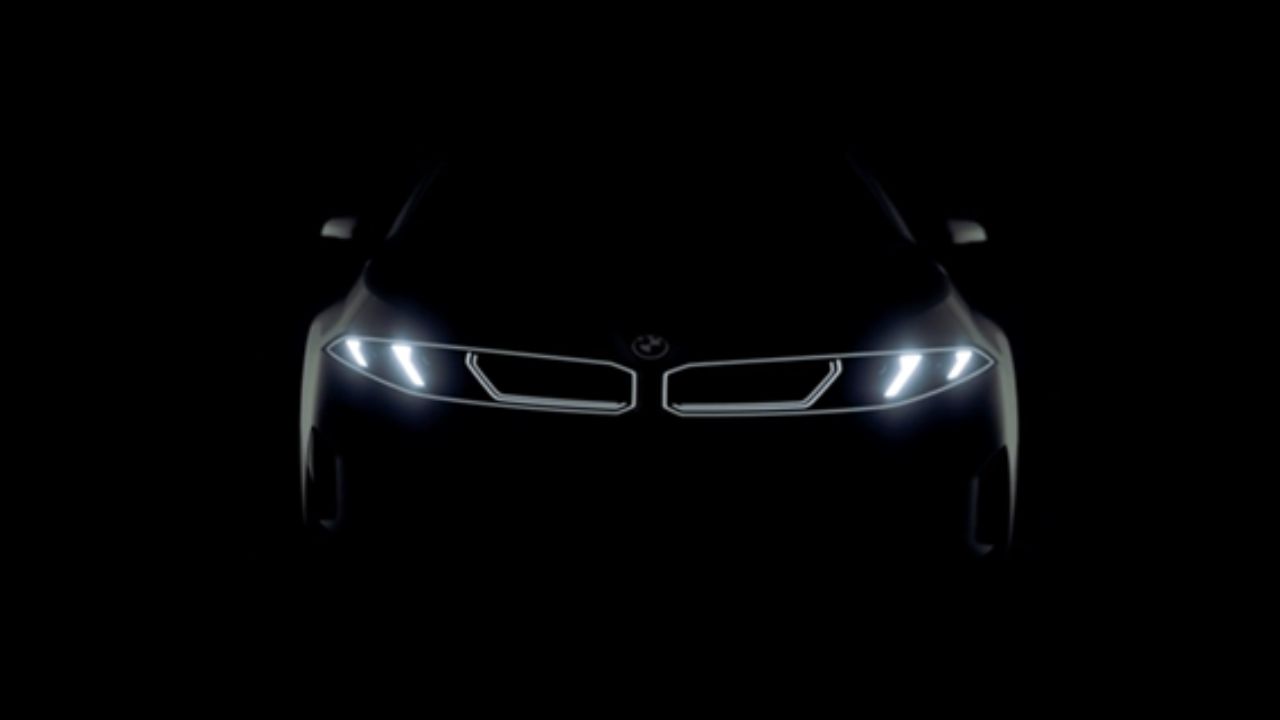
BMW has teased the updated G 310 RR in India, expected to feature a sporty styling, split-seat setup, and an all-LED lighting.
By Divyam Dubey


BMW Motorrad has released a teaser for the 2025 G 310 RR, ahead of its expected India launch during the festive season. The updated model is set to strengthen BMW’s presence in the sub-400cc sportbike segment. To be positioned below the 350cc class, the bike is also expected to benefit from the revised GST structure. While the official launch date is yet to be confirmed, anticipation is already building around the updates that could shape its position in the lightweight supersport category.
The 2025 G 310 RR will likely continue with design elements influenced by BMW’s S 1000 RR. The bike will also likely features aerodynamic winglets could be introduced to improve stability at higher speeds. The bike may retain a sharp front fairing, split-seat layout, and a full LED lighting setup for the headlamp, indicators, and tail section. Its riding stance could be aimed at offering a track-focused position while remaining usable in urban settings.
Also Read: BMW G 310 RR, C 400 GT Prices Drop in India – Here's What You’ll Save
A fully digital instrument cluster is expected to provide ride information and may allow riders to switch between modes such as Track, Sport, Urban, and Rain, which could adjust power delivery and traction control. Features like an anti-hopping clutch, dual-channel ABS, LED DRLs, and an adjustable windscreen are also likely to be part of the package.
Power is expected to come from the same 312.12cc liquid-cooled, single-cylinder engine. In Track and Sport modes, the engine could deliver up to 34bhp at 9,700rpm and 27.3Nm at 7,700rpm, while Urban and Rain modes may bring output down to prioritise efficiency and safety. A six-speed gearbox will manage power distribution across all modes.
Also Read: 2025 BMW S 1000 R Launched in India at Rs 19.90 Lakh
The G 310 RR is expected to reach a top speed of around 160km/h in performance settings, with an estimated efficiency of about 30km/l. Suspension duties may be handled by a 41 mm upside-down front fork and a dual-sided swingarm at the rear. Braking could be managed by a 300 mm front disc with a four-piston caliper and a 240 mm rear disc with a single-piston caliper, supported by dual-channel ABS.