BMW M3 EV Technical Details Revealed Ahead of 2027 Launch; To Get Simulated Gearshifts & Sound
BMW’s electric M3 will feature a quad-motor AWD setup with rear-wheel drive mode, software torque control, and simulated gearshifts.
By Divyam Dubey

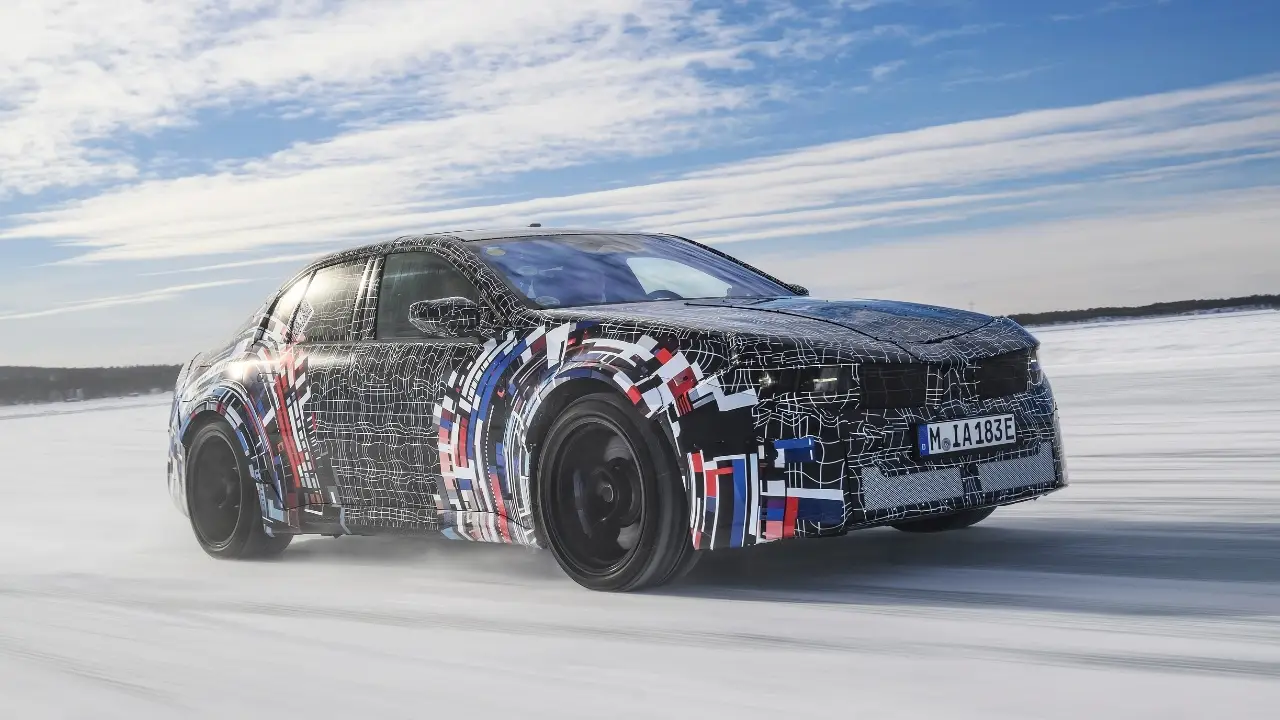
BMW has finally opened up about the upcoming electric M3. Set to arrive globally in 2027, the electric M3 is built on BMW’s new Neue Klasse EV platform and signals how the M badge will live on without petrol power. BMW says the focus is still on driver involvement, even with batteries and motors replacing engines and gearboxes. The company is not chasing silence alone but trying to keep the sense of connection that M3 owners expect. From software-driven performance to features that recreate familiar driving sensations, this electric M3 is being developed to feel like a proper M car, not just a fast electric sedan wearing a famous badge.
Also Read: Letter from the Editor – Is India’s Luxury Car Market Held Back by Poor Service?
The electric M3 will sit alongside BMW’s Neue Klasse design language. Expect a clean shape with sharp lines, a wide stance, and details that separate it from regular electric BMW models. The platform allows shorter overhangs and a longer wheelbase, which should help with balance and cabin space.
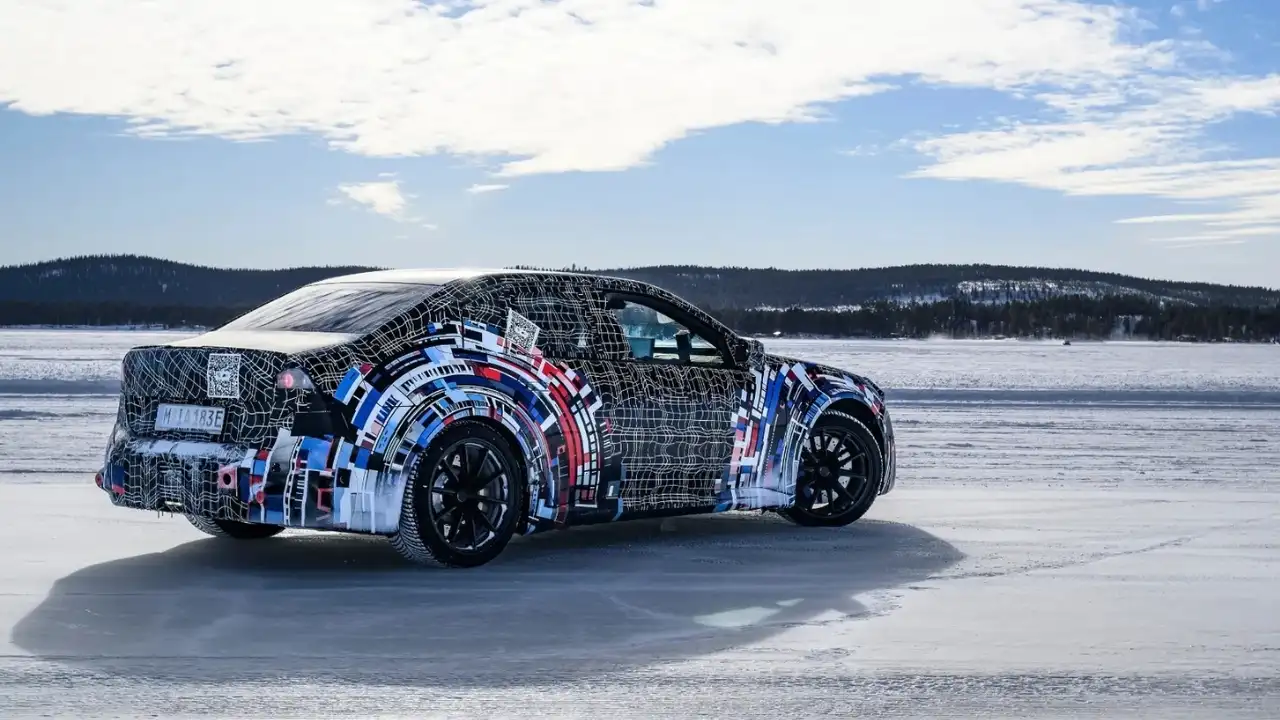
While full exterior images are still under wraps, BMW has hinted that classic M cues will remain, including flared arches and a low, planted look that suits a performance sedan.
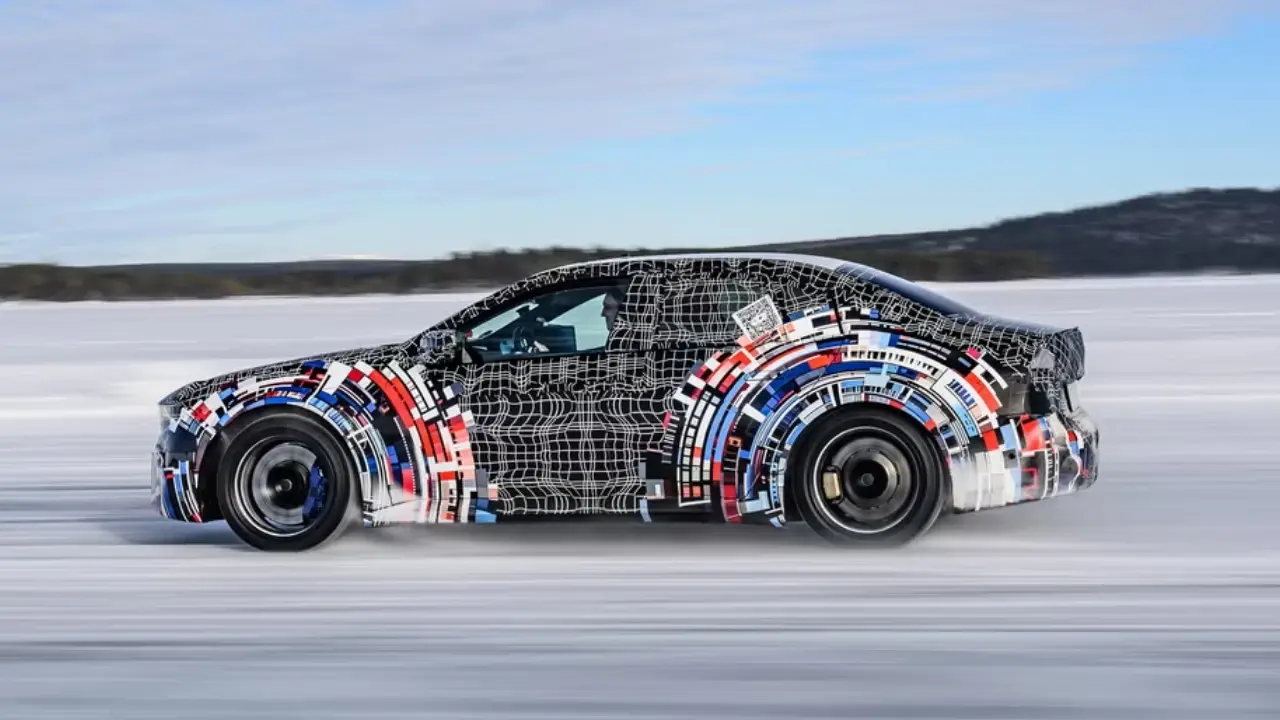
On the features front, BMW is clearly thinking about driver feel. The electric M3 will offer multiple driving modes, letting drivers switch between calm electric cruising and more involved settings. One key highlight is the inclusion of simulated gearshifts. These create brief torque pauses to mimic the feel of changing gears. Along with this, BMW is developing a sound system that reacts to throttle input and drive modes.
BMW M3 EV: Powertrain
The powertrain is where things get serious. The electric M3 will use four electric motors, one at each wheel, giving it full control over power delivery. BMW has confirmed that the front motors can be switched off, allowing rear-wheel drive when required. Power and torque are managed by a central computer system called the “Heart of Joy”, replacing mechanical differentials with software-based torque control. The battery pack sits within the structure, offers over 100kWh of usable capacity, and runs on an 800-volt system.
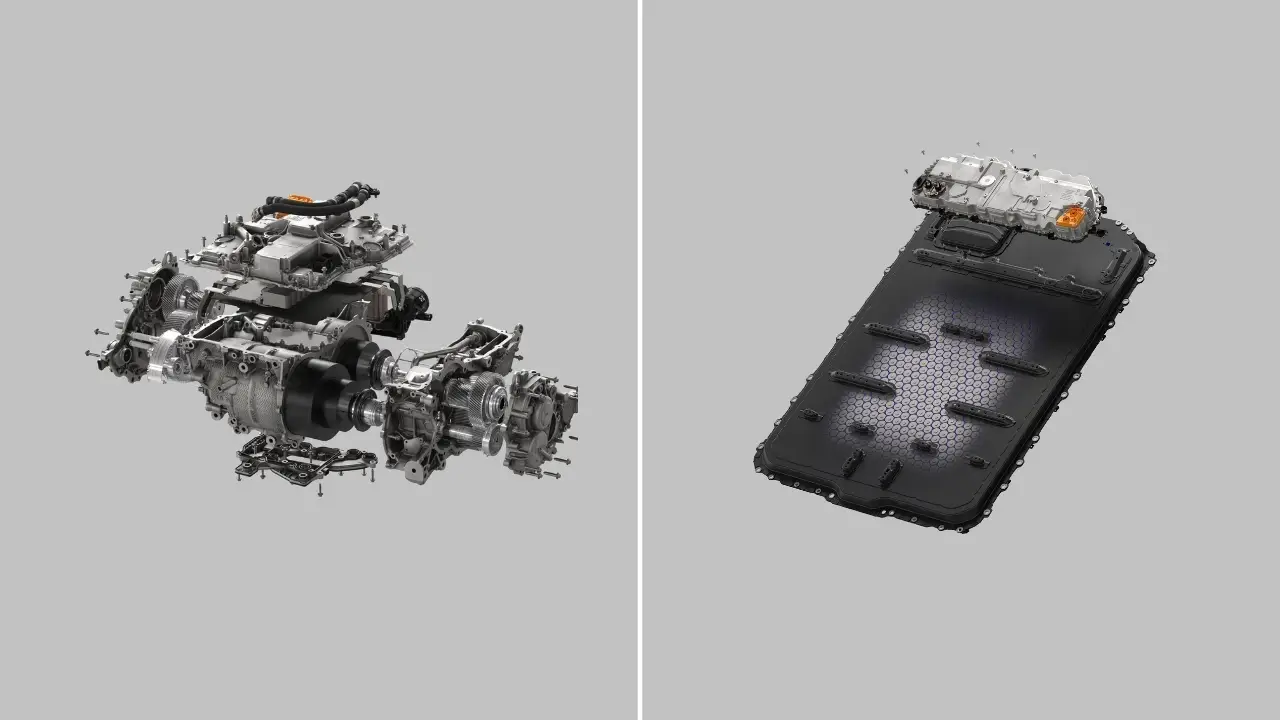
While final power figures are still under wraps, expectations point towards more than 700bhp. Pricing and production details will come later, but what’s clear is that BMW wants enthusiasts to stay excited, even as the M3 goes electric.
Related Articles