Donkervoort P24 RS is a 600bhp Ford Powered Supercar that Weighs Less than a Hatchback
Donkervoort P24 RS uses a 600bhp V6 engine with a manual gearbox and track-focused setup. Deliveries are set to begin in 2026.
By Divyam Dubey

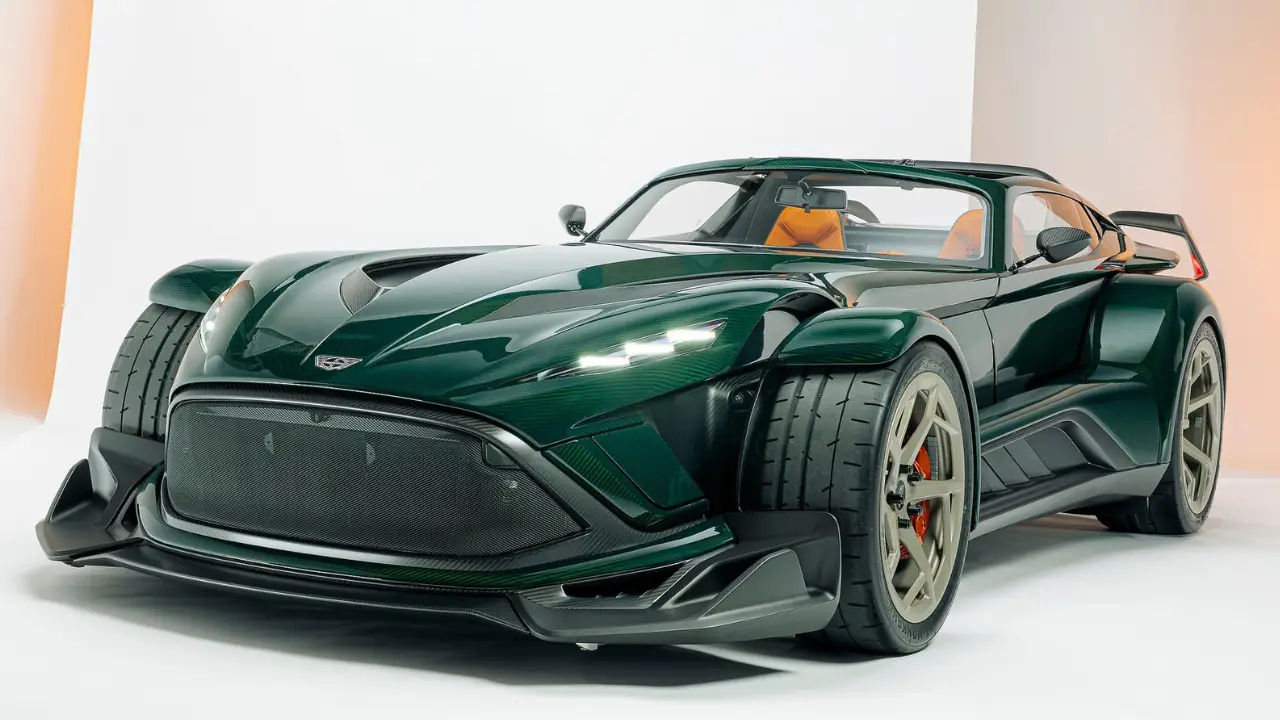
In an era where cars keep getting heavier, Donkervoort has gone the opposite way with the new P24 RS. While most modern supercars chase screens and software, the Dutch brand has gone back to basics: cut weight, add power and let the driver do the rest. The P24 RS weighs around 780kg in dry form, which is lighter than many small hatchbacks on sale today. That low figure changes everything, from acceleration to braking and corner speed. It follows the same thinking seen in Formula 1, where every kilogram matters and efficiency often beats brute force. The P24 RS is road legal, but its foundations clearly come from the track.
Also Read: More Euro-built European Cars in India? New Indo-EU Trade Deal to Slash Import Duty on Cars
This new model replaces the F22 and sits on a revised chassis developed to meet current safety rules. Donkervoort uses a mix of tubular construction and carbon-fibre sections to keep the structure strong without adding mass. The setup focuses on stiffness and balance, helping the car respond instantly to driver inputs.
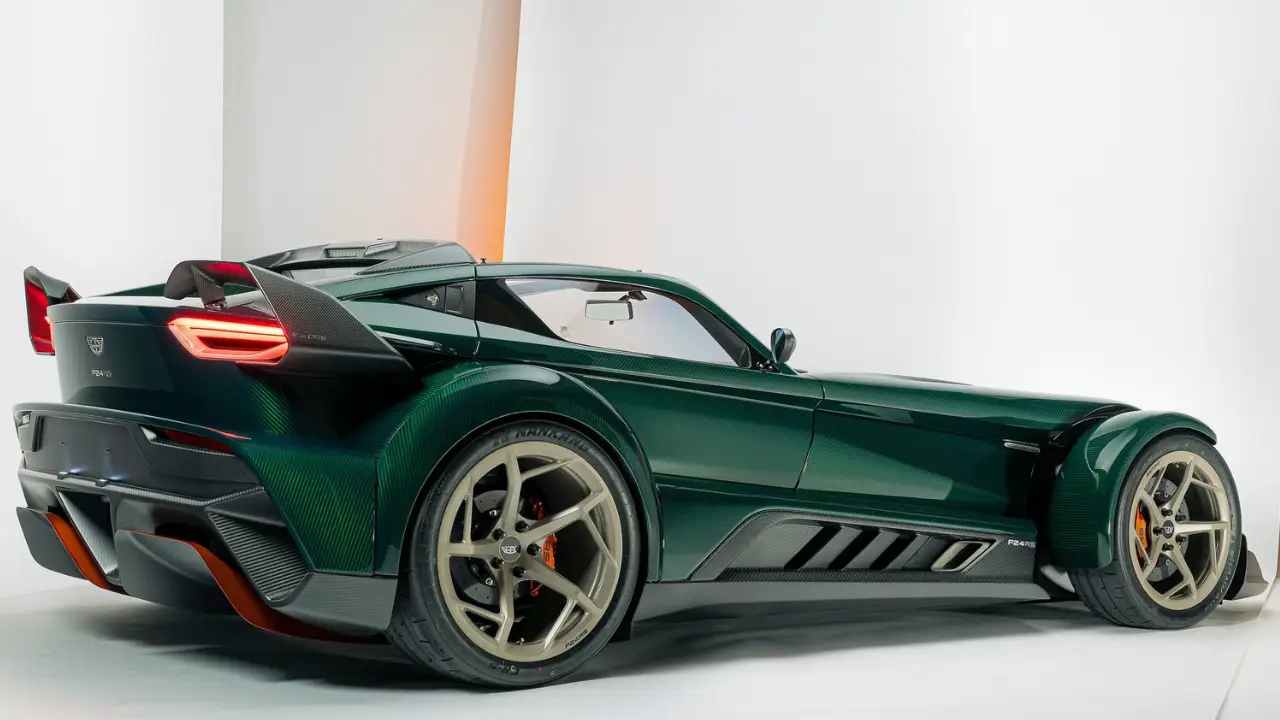
At its core sits the a 3.5-litre twin-turbo V6 engine, which also powers the Ford GT. It replaces the Audi five-cylinder engines used in earlier Donkervoort models. The V6 delivers up to 600bhp and 800Nm, sending power to the rear wheels through a manual gearbox. There is no dual-clutch system here, just a layout that keeps the connection between driver and machine intact.
The engine also comes with selectable power modes, allowing outputs of 400bhp, 500bhp or the full 600bhp. This makes the P24 RS usable on the road while still offering serious performance when pushed. With such low weight, the power-to-weight ratio moves into territory usually reserved for track-only cars.
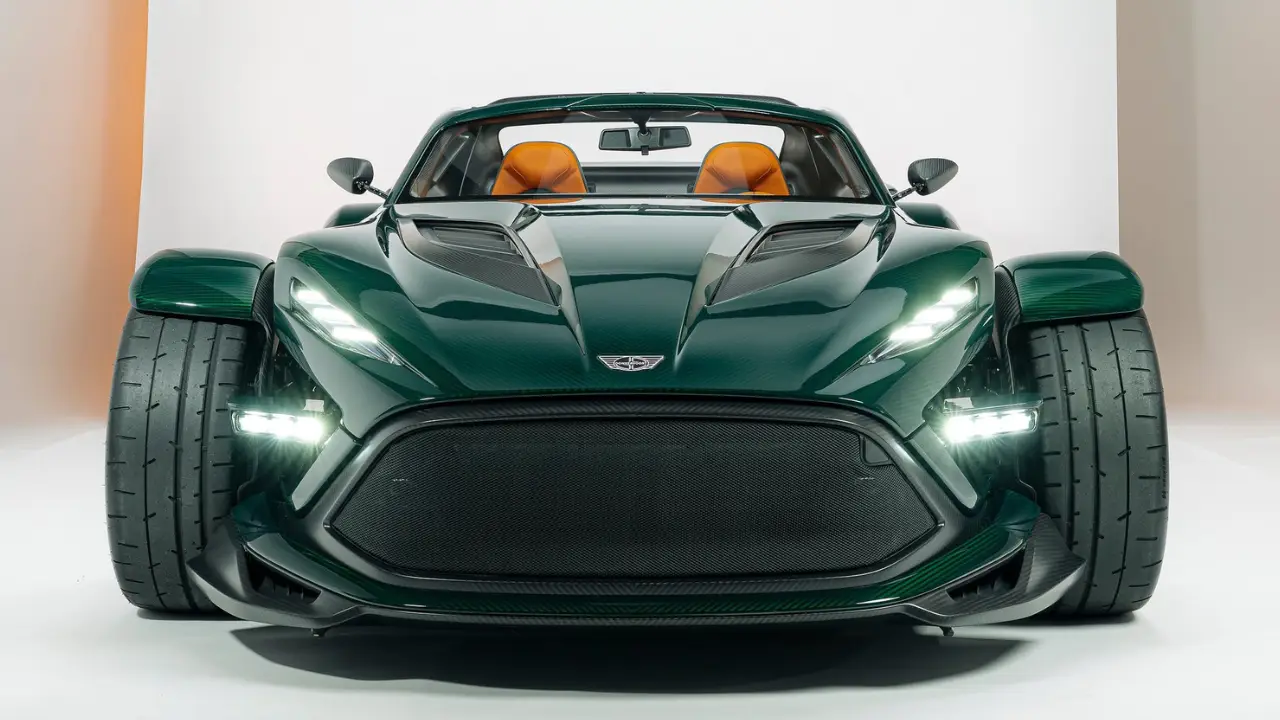
Performance numbers back up the approach. The P24 RS can reach 200km/h in around 7.4 seconds and is capable of going beyond 300km/h. Aerodynamic work includes a flat floor to manage airflow, while the suspension and braking systems are tuned for sustained high-speed driving. Production will be limited to 150 units, with deliveries scheduled to begin from April 2026.