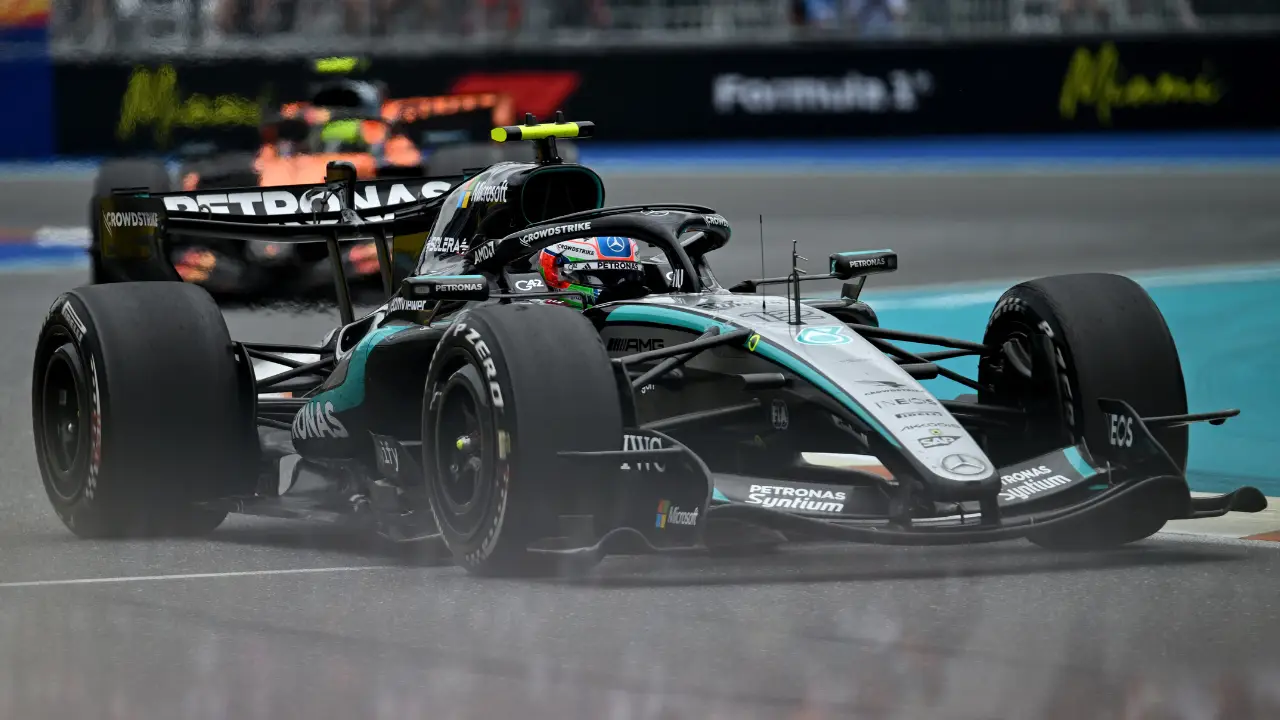
F1 To Scrap 50/50 Engine-Electric Power Split for 2027: All You Need to Know
F1 plans to scrap the 50/50 hybrid power split for 2027, with new engine rules set to give drivers more combustion power and less energy-saving.
By Divyam Dubey

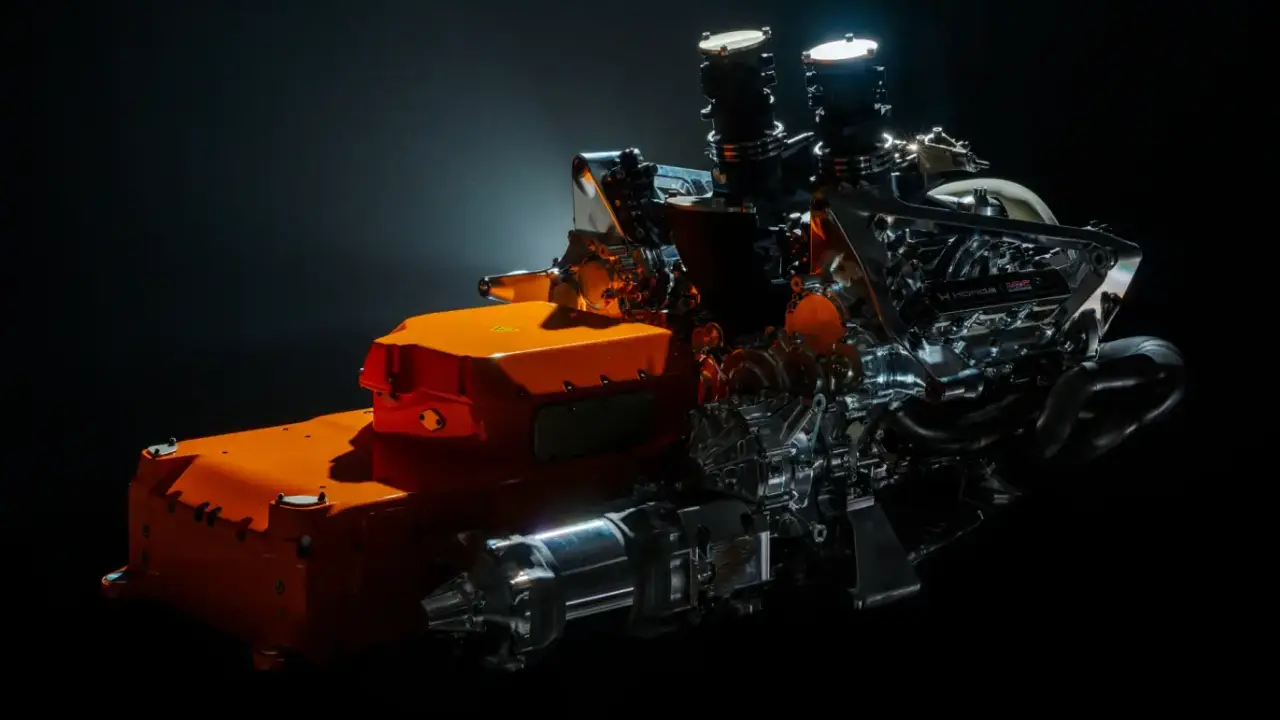
F1 is preparing a major update to its 2027 engine regulations after teams, manufacturers and the FIA agreed in to revise the planned hybrid setup. The decision followed an online meeting involving Formula 1 bosses, team principals and engine suppliers. Concerns had grown around how the new generation of cars manages electrical energy during races. Teams feared the new rules could make drivers spend too much time saving battery power instead of pushing hard, especially on circuits with long straights and heavy deployment zones.
Also Read: F1 Official Sim Racing India Championship Announced in Partnership With Mumbai Falcons
The 2026 F1 regulations have sparked plenty of debate in the paddock, with many drivers and fans feeling the new hybrid era focuses too much on energy-saving instead of proper close racing.
-1777884121553.webp)
Concerns around the planned 50/50 split between engine and electric power have also grown, with drivers, including Max Verstappen, questioning whether it could lead to too much lift-and-coast driving rather than drivers pushing flat-out.
2027 F1 Engine Rule: F1 Moving Away From 50/50 Hybrid Split
The biggest proposed change is Formula 1 moving away from the planned 50/50 split between engine power and electric deployment. Instead, the sport is now targeting a setup closer to 60/40 in favour of the internal combustion engine.
Under the proposal, engine output would rise by around 67bhp, while ERS deployment would reduce by a similar amount. The goal is to give drivers more usable and predictable power during qualifying laps and race conditions.
2027 F1 Engine Rule: Why F1 Wants The Change
The original hybrid concept raised concerns because cars were expected to rely heavily on battery deployment at several tracks. That could have forced drivers into excessive lift-and-coast driving during races. Formula 1 now wants cars that can run flat-out more often without complicated energy-saving throughout a lap.
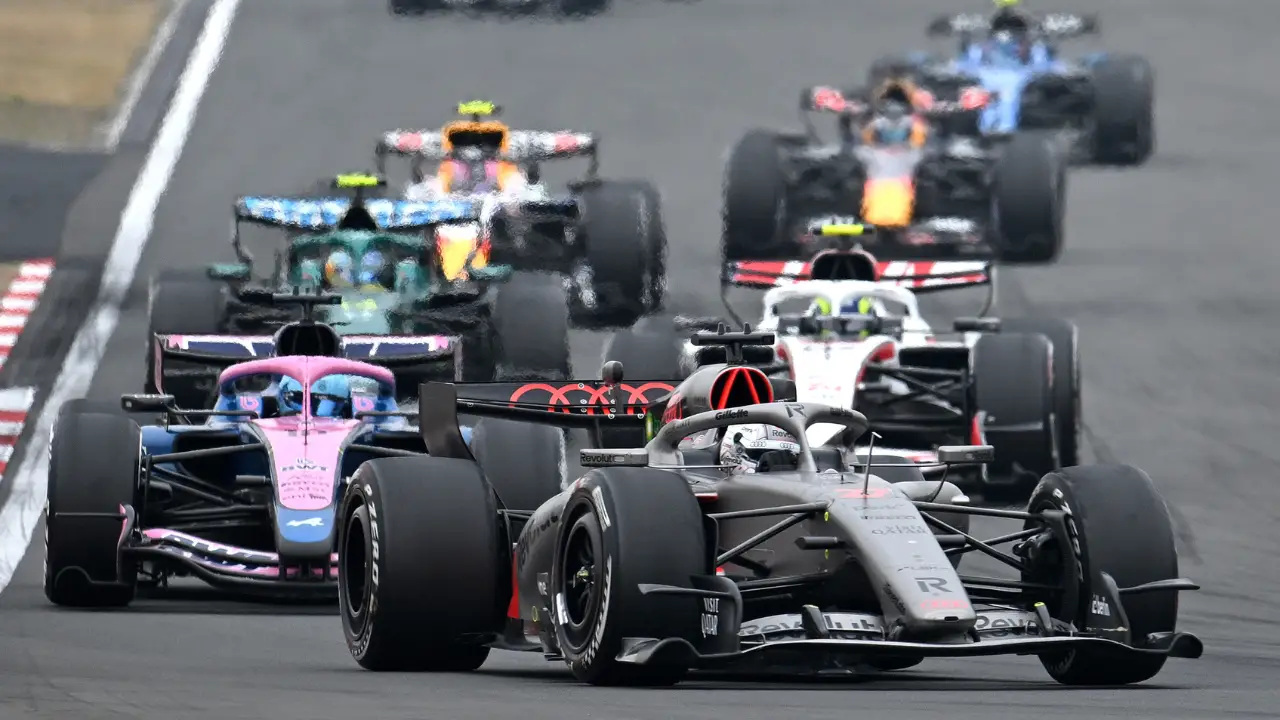
Teams also believe the revised setup will make the cars feel more natural to drive, especially during overtaking battles and high-speed sections where consistent power delivery matters most.
2027 F1 Engine Rule: Why F1 Is Acting Before 2028
Although the timeline before 2027 is already tight, Formula 1 decided it was better to act now rather than wait another season. The revised package could require stronger internal combustion unit and larger fuel tanks, which means more work for teams and manufacturers for next year. Even so, there was agreement across the paddock that solving the issue early would be better than introducing a regulation package that already had clear concerns before its first race weekend.
2027 F1 Engine Rule: What Happens In 2026?
Formula 1 has already introduced smaller changes linked to the future regulations. Tweaks brought in during the Miami weekend were aimed at reducing extreme energy-saving and helping drivers push harder during races.
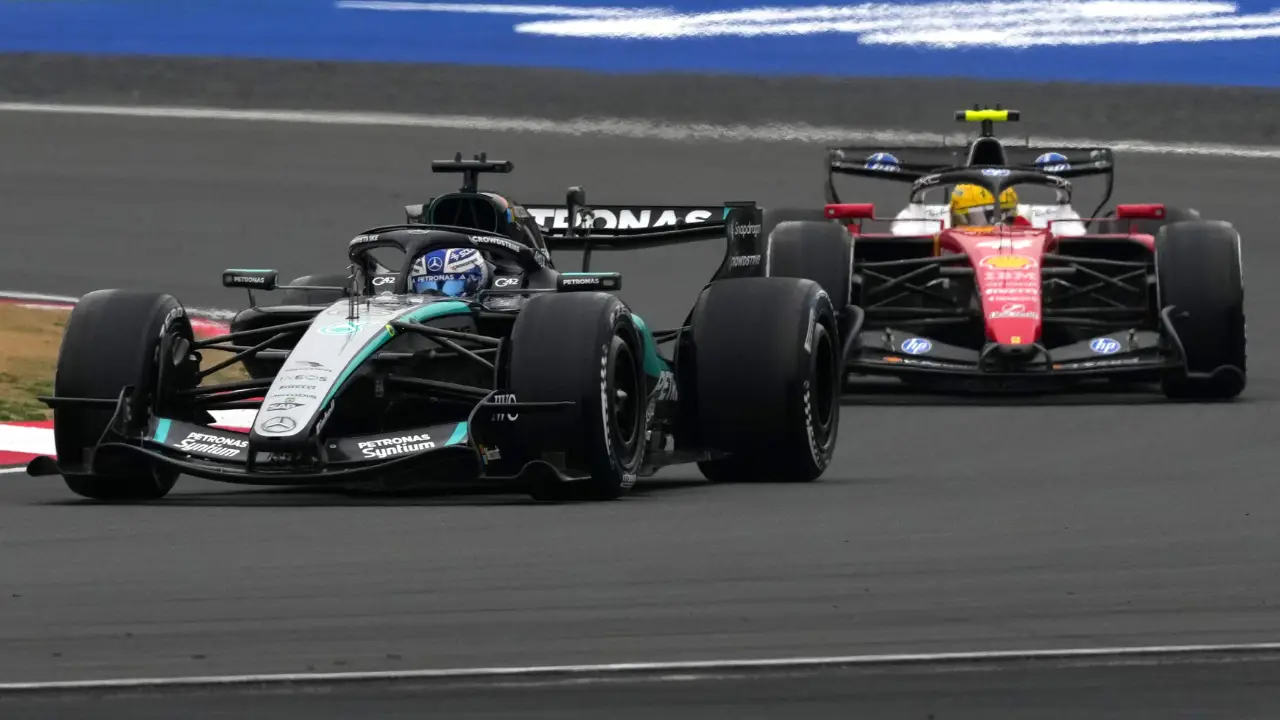
Early reactions from inside the paddock have reportedly been positive, while more discussions are continuing in the background. F1 is also working on updates linked to wet-weather safety and race-start procedures for the remainder of the 2026 season.
2027 F1 Engine Rule: What Happens Next?
The proposed changes will now move through Formula 1’s approval process involving the F1 Commission, the Power Unit Advisory Committee and the FIA World Motor Sport Council. Engine manufacturers will vote on the final package before it receives formal approval from the FIA. At the moment, the direction looks clear. Formula 1 wants the 2027 cars to feel faster, race harder and allow drivers to attack more consistently instead of constantly focusing on battery management during a lap.