Kia Sonet Facelift Deliveries to Start in January in India, Bookings to Open From December 20
The booking portal will enable buyers to book their Kia Sonet facelift with a token amount of Rs 25,000, while the customer deliveries will commence in January 2024.
By Kanika Sachdeva

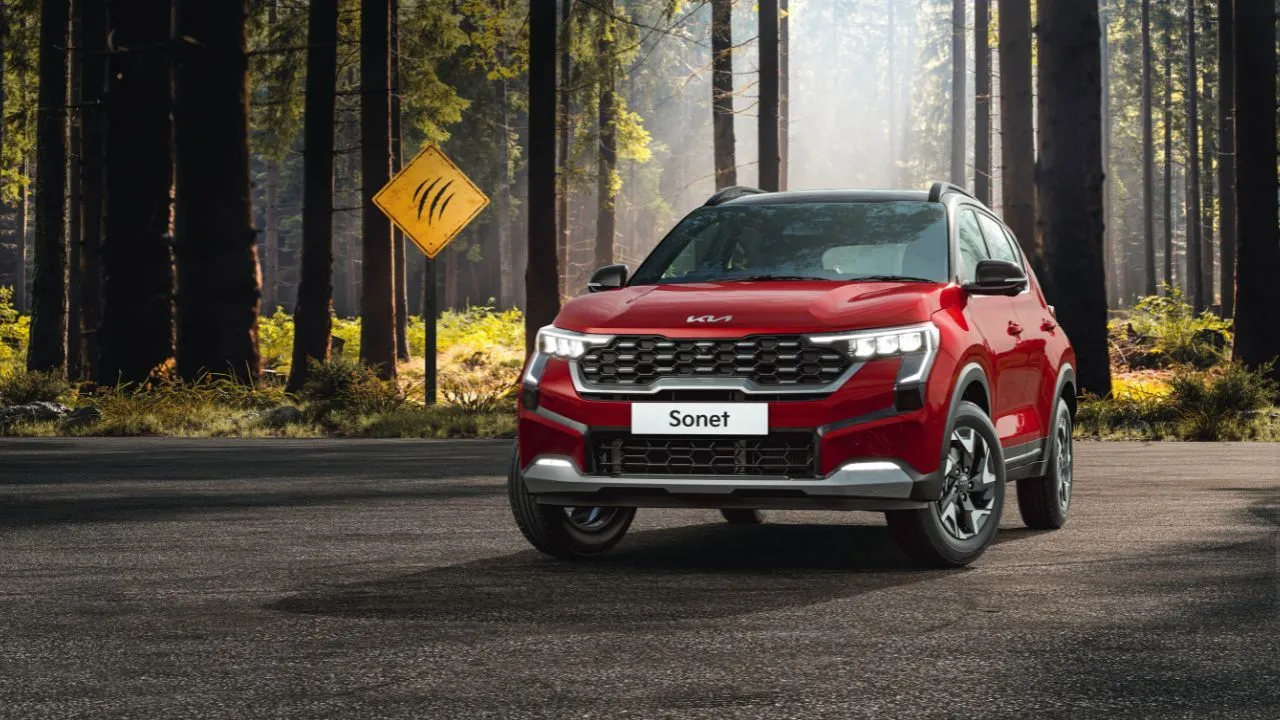
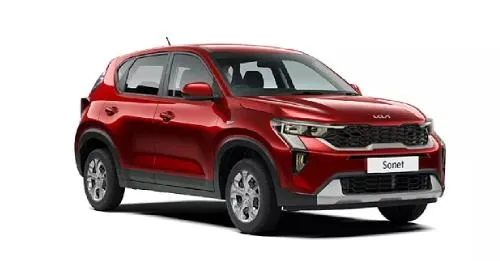
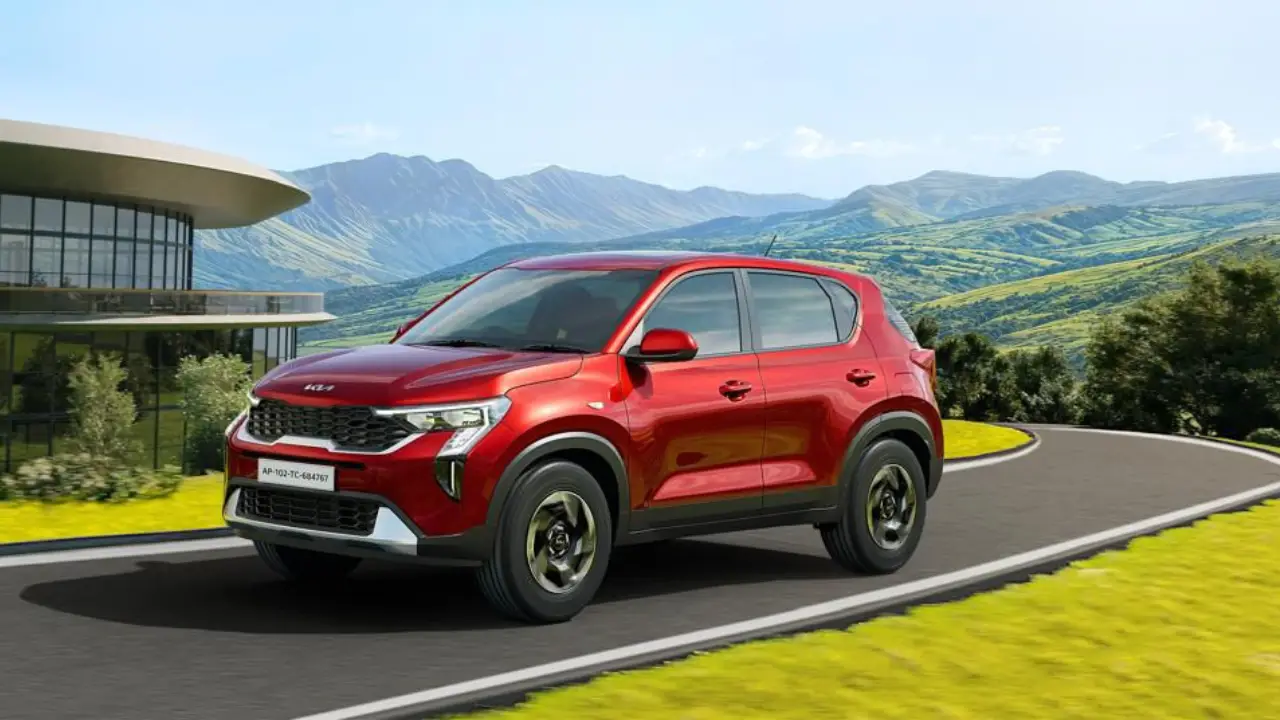
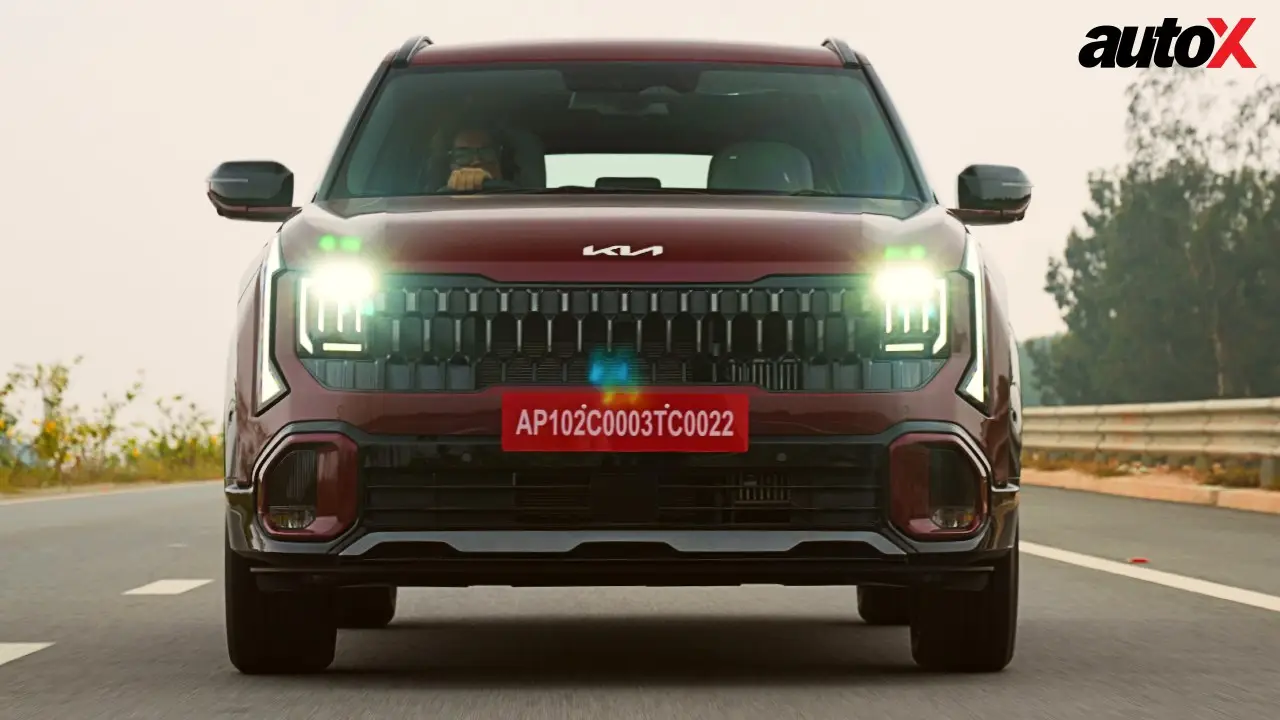
Ahead of its full-scale launch early next year, the Kia Sonet facelift got its global reveal in India on December 14. Interestingly, the pre-bookings for the new Sonet open on December 20, either through a dedicated online portal or any Kia showroom. The booking portal will enable buyers to book their car with a token amount of Rs 25,000, while the customer deliveries will commence in January 2024 for all variants, except for the Diesel MT (scheduled for February 2024).
Kia Sonet Facelift: Get Priority Deliveries with K-Code
However, for priority deliveries of the refreshed Kia Sonet, customers can take advantage of the unique K-Code delivery system. To get the special K-Code access, interested buyers need to reach out to the current Kia owners. The existing owners, in turn, can generate the K-Code through the 'MyKia' app or the official website. The K-Code when used while pre-booking ensures priority delivery of the new Sonet. The K-Code will remain applicable only for December 20 between 12 AM and 11:59 PM. Note that the unique K-code is not shared with anyone else as it can be used only once.
Also Read: 2024 Kia Sonet Facelift Revealed | Detailed Walkaround | Top Highlights | autoX
Kia Sonet Facelift: Price, Variants
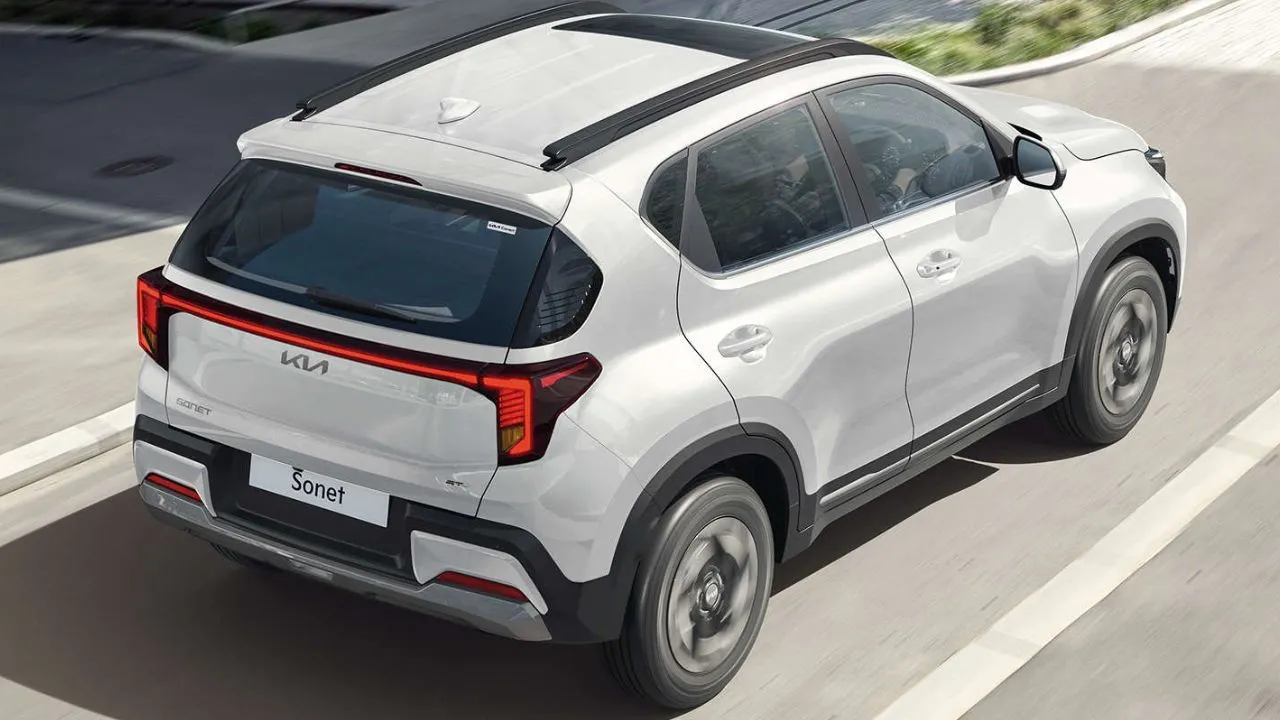
Like before, the Kia Sonet facelift is offered in three different trim levels, spread across seven variants: HTX, HTX+, GTX+, X-Line, HTE, HTK, and HTK+. In terms of pricing, we expect the facelifted version to command a slight premium over the existing version. For reference, the current Sonet ranges from Rs 7.79 lakh to Rs 14.89 lakh. Prices are ex-showroom.
Kia Sonet Facelift: Engine, Output
Under the skin, the Sonet facelift retains the same powertrain options: a 1.2-litre naturally aspirated petrol unit (82bhp and 115Nm), a 1.0-litre T-GDI turbo-petrol unit (118bhp and 172Nm), as well as a 1.5-litre diesel unit (114bhp and 250Nm). The petrol unit can be had with a 5-speed manual gearbox, whereas the more powerful turbo-petrol unit comes mated to either a six-speed iMT or a seven-speed DCT. Meanwhile, the diesel mill is linked to a six-speed MT, six-speed iMT, or a six-speed AT.
Kia Sonet Facelift: Other Highlights
Other product highlights include a 10.25-inch touchscreen infotainment system, power-adjustable front seats, an electric sunroof, a digital instrument cluster, ventilated front seats, ABS with EBD, ESC, Level-1 ADAS, and six airbags.
Also Read: New Kia Sonet Facelift vs Old Model Spec Comparison: What's Different?
This is the first facelift the sub-4-metre Sonet has had since its release in 2020. Upon launch in the country, the all-new SUV will continue to rival the likes of the Mahindra XUV300, the Maruti Suzuki Brezza, the Renault Kiger, the Tata Nexon, and the Hyundai Venue.