Maruti Suzuki Victoris, Tata Sierra, and More: Top 5 SUVs of 2025
2025 witnessed some of the anticipated SUVs making their way to the Indian market. Here's a look at the top 5 SUVs that grabbed significant market attention.
By Sanorita


As we approach the end of 2025, it’s the perfect time to look back at some of the best SUVs that grabbed significant market attention this year. SUVs continue to be a preferred choice for Indian families, thanks to their spacious interiors, higher ground clearance, robust cargo capacity, and commanding road presence. Recognising this demand, leading automakers such as Maruti Suzuki, Tata Motors, and others introduced a range of new SUVs in India in 2025. From Maruti Suzuki’s flagship Arena SUV, the Victoris, to the Sierra, the stylish return of Tata’s iconic nameplate, the 2025 lineup has it all. Let’s take a closer look at the top 5 SUVs that made waves in 2025.
Maruti Suzuki Victoris
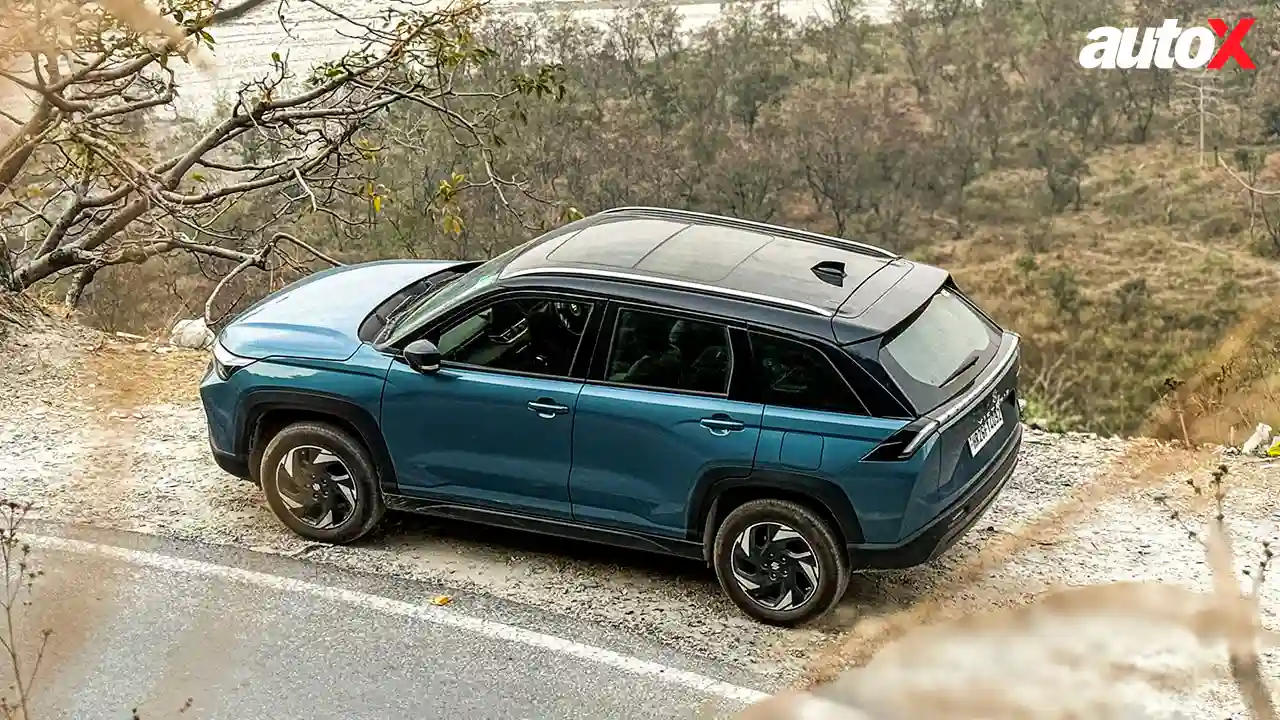
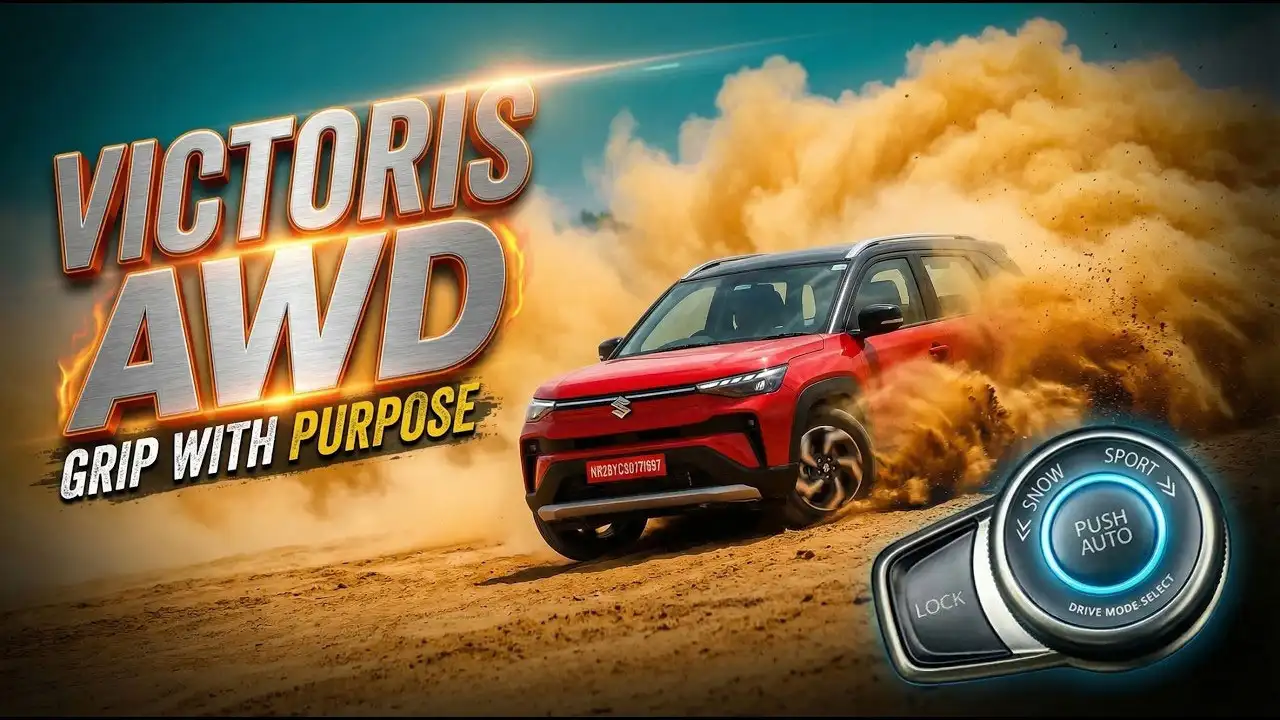
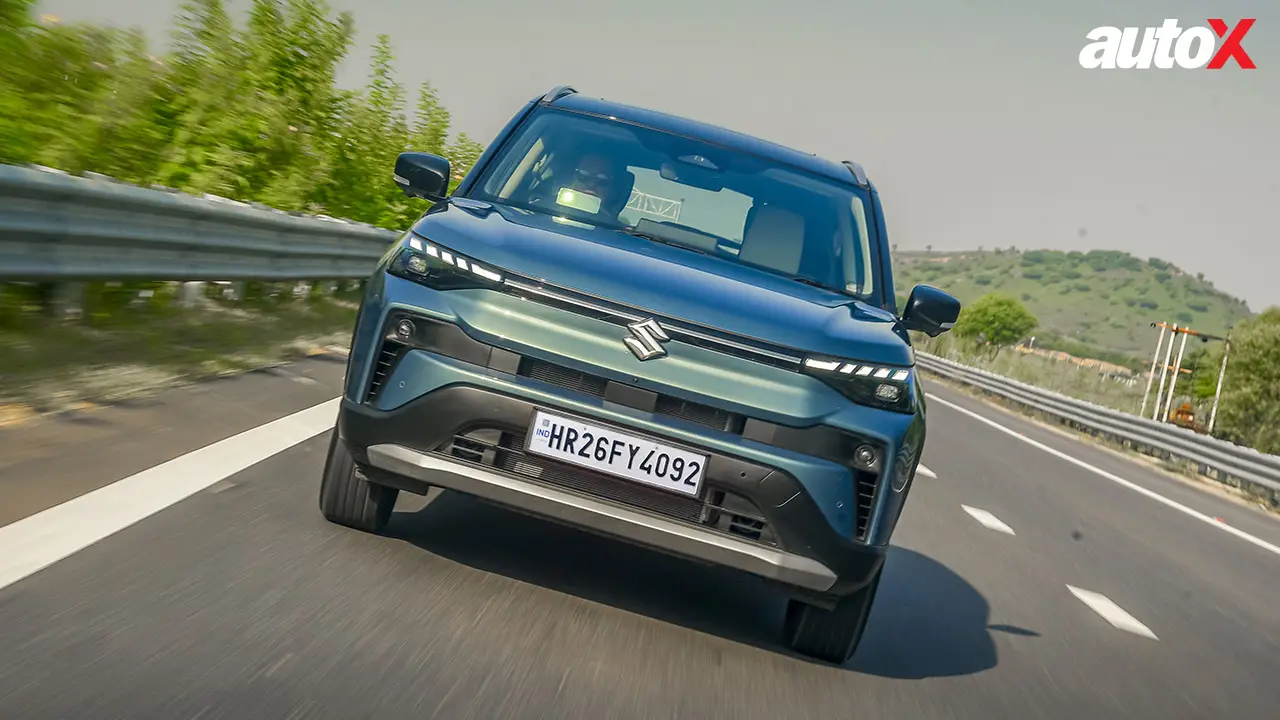
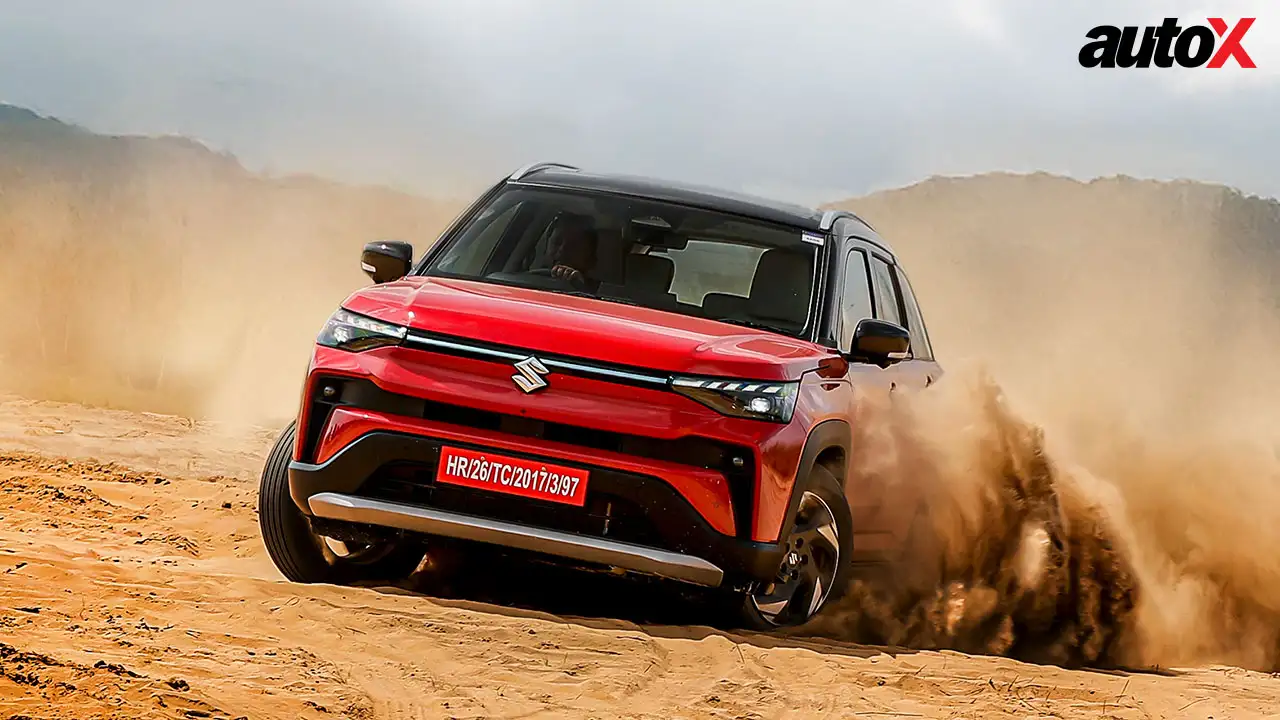
The Maruti Suzuki Victoris was launched in India in September, featuring ADAS, an underbody CNG tank, and an 8-Speaker Infinity Sound System. The SUV holds a 5-star rating from both Global NCAP and Bharat NCAP. It shares its powertrain setup with the Grand Vitara. The first option is a 1.5-litre naturally aspirated petrol engine with mild-hybrid technology that generates 102bhp/137Nm and is paired with either a 5-speed manual transmission or a 6-speed automatic transmission.
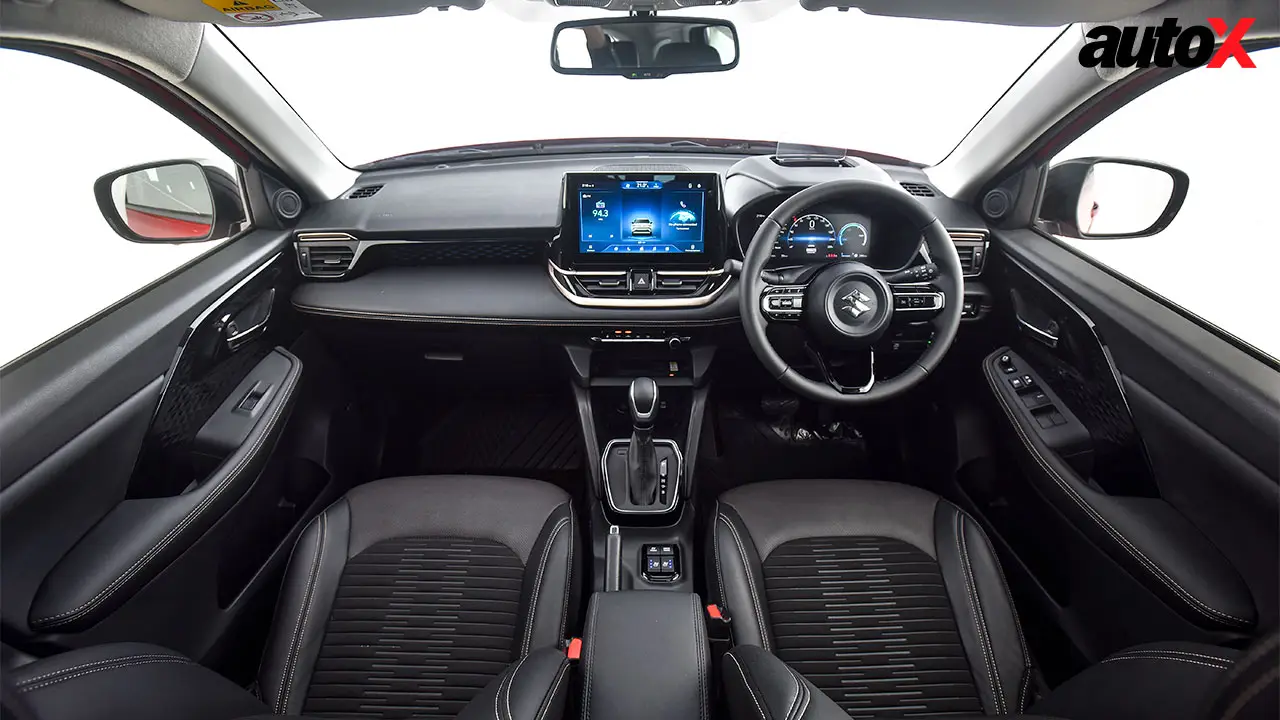
The same unit is also available with CNG (featuring an underbody tank) and a single 5-speed manual gearbox. The Arena-badged Victoris SUV also comes with a 1.5-litre strong-hybrid powertrain that produces 114.4bhp and 141Nm, and is mated only to an e-CVT. The SUV is currently priced between Rs 10.50 lakh and Rs 19.99 lakh (both, ex-showroom).
Also Read: Mahindra XUV 7XO, Renault Duster, and More Upcoming SUVs in India
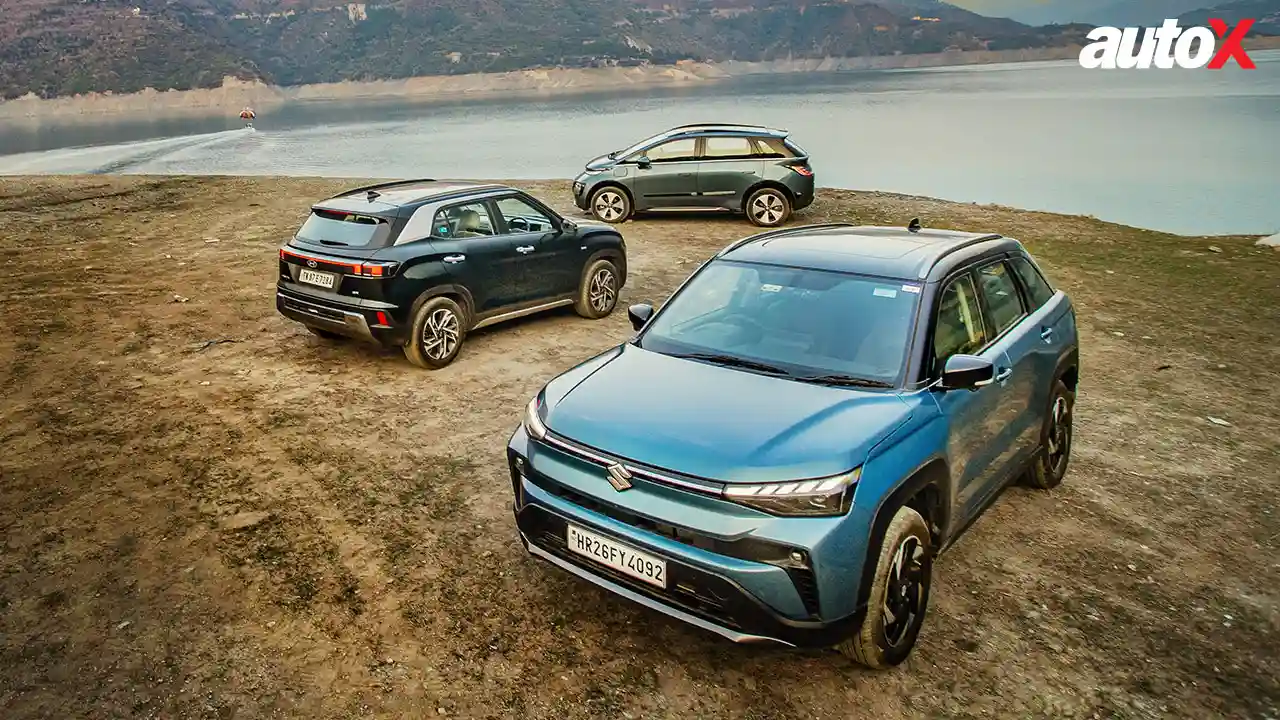
Notably, the Victoris outperformed strong contenders such as the Kia Syros and the Hyundai Creta Electric to claim the title of Indian Car of the Year 2026.
Tata Sierra

The Tata Sierra went on sale in India in November, with prices starting at Rs 11.49 lakh. The range-topping Accomplished+ variant with the Diesel AT option is priced at Rs 21.29 lakh (ex-showroom). Buyers can choose from three powertrains: a 1.5-litre naturally aspirated petrol delivering 104bhp and 145Nm, paired with either a 6-speed manual or 7-speed DCT; a 1.5-litre T-GDI turbo-petrol producing 158bhp and 255Nm, mated to a 6-speed automatic; and a 1.5-litre four-cylinder diesel generating 116bhp and 260Nm, available with a 6-speed manual or automatic.
-1764069013623.webp)
The Sierra comes equipped with premium features, including dual 12.3-inch touchscreen displays, a 10.25-inch digital instrument cluster, wireless charging, an 8-way power-adjustable driver seat, ambient lighting, a panoramic sunroof, and rear window sunshades.
Kia Syros

Kia launched the Syros in India in February, with six variants, including HTK, HTK (O), HTK Plus, HTX, HTX Plus, and HTX Plus (O). The sub-4-metre SUV starts at Rs 8.67 lakh, and is available with a choice of petrol and diesel engines. The 1.0-litre turbo-petrol unit produces 118bhp and 172Nm, while the 1.5-litre diesel mill generates 114bhp and 250Nm. The six-speed manual transmission is standard across the range, and automatic options differ by powertrain, with the petrol paired to a seven-speed DCT and the diesel using a six-speed torque converter.
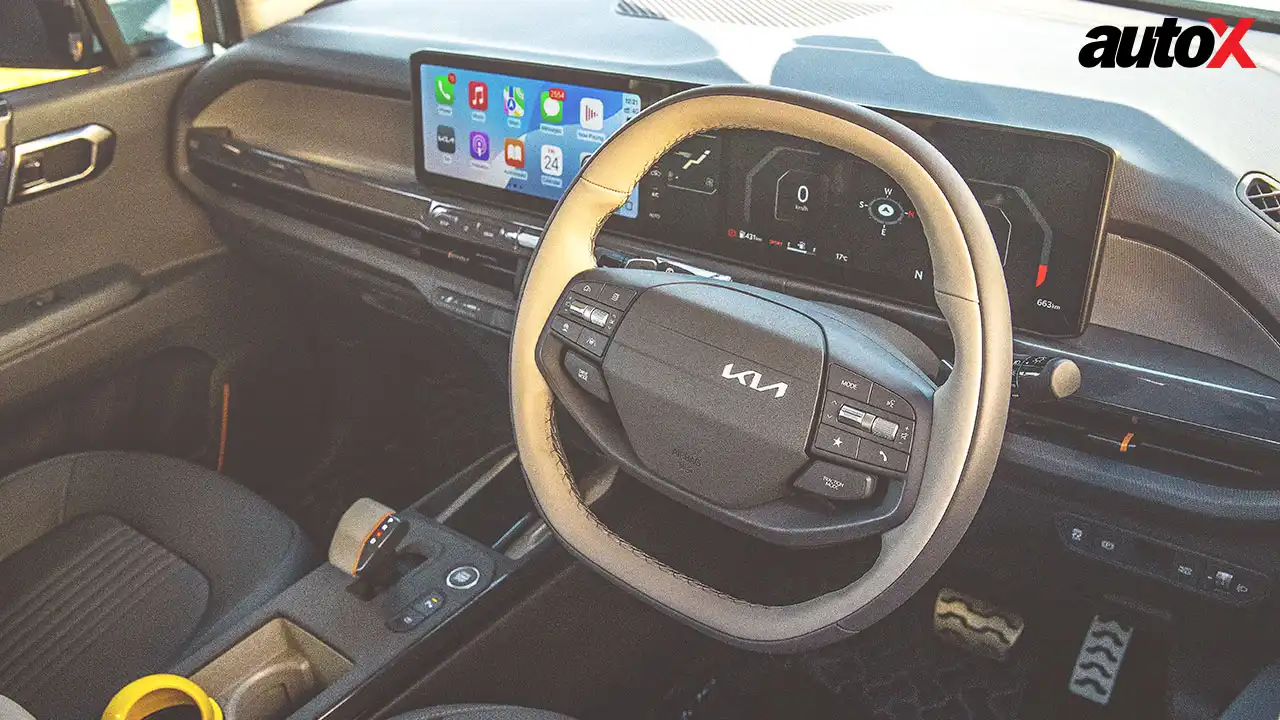
Notable highlights of the Kia Syros include segment-first cooled rear seats (available from the base variant), a modern infotainment setup with dual 12.3-inch displays, a dual-pane panoramic sunroof, an eight-speaker Harman/Kardon audio system, a two-spoke steering wheel with Kia’s logo, and multiple Type-C charging ports.
Mahindra XEV 9S

Mahindra introduced the XEV 9S in India in November, with prices beginning at Rs 19.95 lakh (ex-showroom). Bookings for the 7-seater Mahindra car will open on January 14, 2026, while customer deliveries are scheduled to begin on January 23. The XEV 9S is based on Mahindra's tried-and-tested INGLO platform, and is available with different battery options, based on the variant selected.

The Pack One Above comes with a 59kWh or 79kWh battery, chargeable from 20–80% in 20 minutes via 140 kW and 180 kW DC chargers, respectively. Pack Two Above offers a 70kWh or 79kWh pack, with the 70kWh charging in 20 minutes using a 160 kW DC charger. Pack Three and Pack Three Above feature only the 79kWh battery. Power output ranges from 228bhp (59kWh) to 282bhp (79kWh), with torque consistent at 380Nm. Claimed ranges are 521 km (59kWh), 600 km (70kWh), and 679 km (79kWh), with real-world ranges of roughly 400 km, 450 km, and 500–550 km, respectively. Key features include triple 12.3-inch screens, wireless Android Auto and Apple CarPlay, a spacious frunk (150 L) and trunk (up to 527 L) with a drain hole and light, dual-zone automatic climate control, and ventilated first-row seats.
VinFast VF 6, VF 7

Vietnamese EV manufacturer VinFast launched the VF 6 and the VF 7 electric SUVs in India in September, with prices starting at Rs 16.49 lakh, and Rs 20.89 lakh, respectively (ex-showroom). The flagship EV, the VF 7, is available with two battery options: a 59.6kWh and a larger 70.8kWh.

The base Earth variant uses the smaller battery (174bhp/250Nm). It supports fast charging from 10% to 70% in just 24 minutes. The Wind variant comes with the 70.8kWh battery, and boosts output to 201bhp and 310Nm, while achieving a 0–100km/h sprint in 9.5 seconds. At the top of the lineup, the Sky variant employs a dual-motor setup for a powerful 347bhp and 500Nm. It can accelerate from 0–100 km/h in a brisk 5.8 seconds.
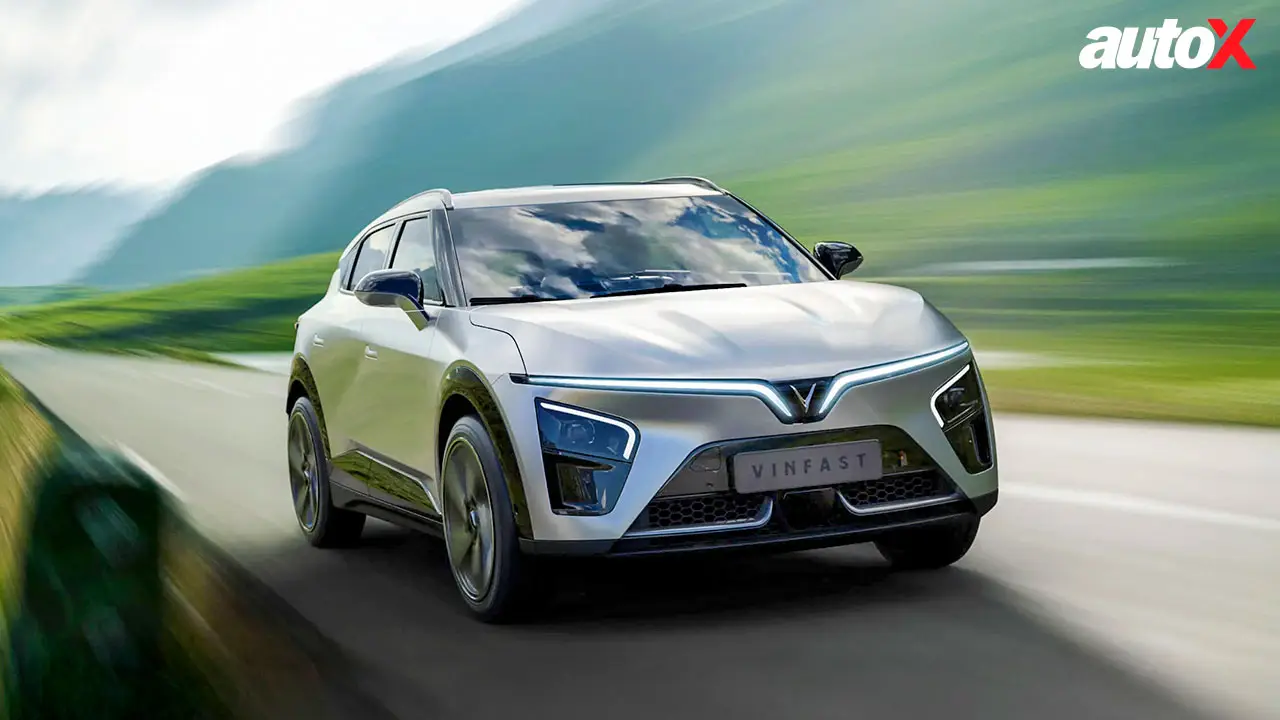
The VF 6 is available in three variants: Earth, Wind, and Wind Infinity, a single 59.6kWh battery, and front-wheel drive. The Earth variant produces 174bhp and 250Nm, while the Wind variant increased output to 201bhp and 310Nm, achieving a 0–100km/h time of 8.9 seconds.

The ARAI-certified range figures for the VF 7 are 431 kilometres for the Sky variant, 438 kilometres for the Earth variant, and 532 kilometres for the Wind variant. The VF 6 offers an ARAI-certified range of 468 kilometres for the Earth variant and 463 kilometres for the Wind variant