Renault Kwid-Based Spring EV Unveiled Overseas with Major Overhaul; Will It Come to India?
Renault’s Kwid-based Spring EV gets major upgrades overseas, including a new design, improved powertrain and advanced tech.
By Divyam Dubey

-1759843202561.webp "New Renault Spring EV (1)")
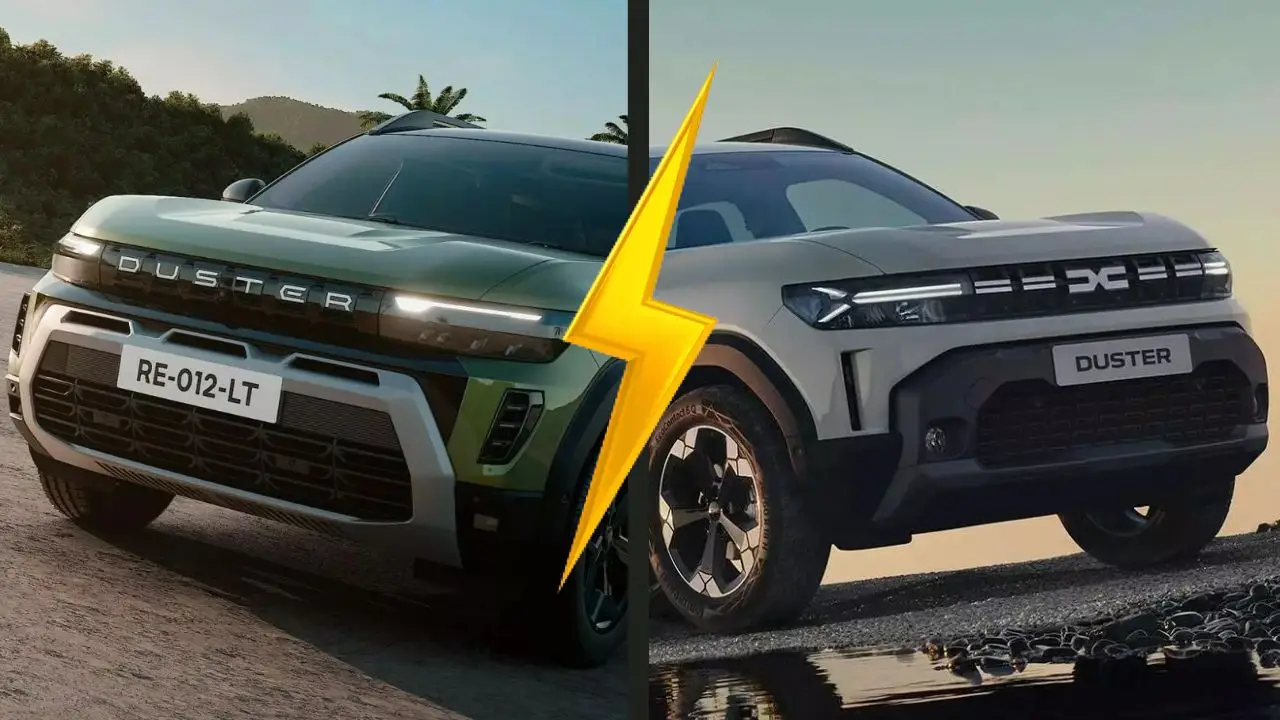
Renault has unveiled a significant upgrade for the Spring EV overseas, signalling a renewed focus on affordable electric mobility. Built on the familiar Kwid platform, the 2025 Spring EV receives comprehensive updates inside and out. The redesigned front fascia now follows Renault’s latest design language, drawing cues from the Duster’s styling. Highlights include LED daytime running lights, a new grille that cleverly integrates the charging port, and subtle refinements that improve practicality. The cabin is completely refreshed, featuring a new dashboard layout, an upgraded infotainment system with better connectivity, and a multifunction steering wheel.
Spring EV also gets a new powertrain options, nudging the Spring EV closer to mainstream appeal and making it better equipped to meet global entry-level EV competition.
Renault Spring EV: Design
The refreshed exterior gives the Spring EV a more cohesive identity within Renault’s lineup. Its redesigned grille and sleeker headlights link it visually to newer Renault models, while the repositioned charging port enhances user convenience.

With LED daytime running lights now standard, visibility and safety improve during urban commutes. Together, these design changes reflect Renault’s intent to maintain relevance in the fast-evolving affordable EV segment.
Renault Spring EV: Interior
Inside, Renault has taken a more functional approach. The new dashboard draws inspiration from the Duster, prioritising practicality over flourish. Improved ergonomics ensure better control access, while the updated infotainment system adds smartphone connectivity and intuitive menus.

The multifunction steering wheel supports enhanced driver communication, creating a cabin that feels both practical and familiar to new EV users.
Renault Spring EV: Powertrain
The Spring EV now offers two electric motor variants, 70bhp and 99bhp, paired with a 24.3kWh Lithium Iron Phosphate battery. This setup maintains efficiency while improving acceleration and responsiveness. Fast DC charging enables an 80 per cent charge in around 29 minutes, making the EV better suited for daily and short-distance use.
For India, Renault is preparing the Kwid EV, which will share much of this technology. Expected by 2026, it may come with a 26.8kWh battery offering over 220km of range. With projected pricing around Rs 7 lakh ex-showroom, the Kwid EV will take on the MG Comet EV and Tata Tiago EV, giving Renault a competitive push in India’s growing electric mobility market.
-1773142094141.webp "Renault Bridger SUV Concept Makes Global Debut, India Launch in 2027")