Stellantis Files Patent for Leapmotor B10 EV in India; Here's What You Can Expect
In April last year, Stellantis announced its decision to bring Leapmotor to India, though the exact details around the models and their launch timelines are yet to be confirmed.
By Sanorita

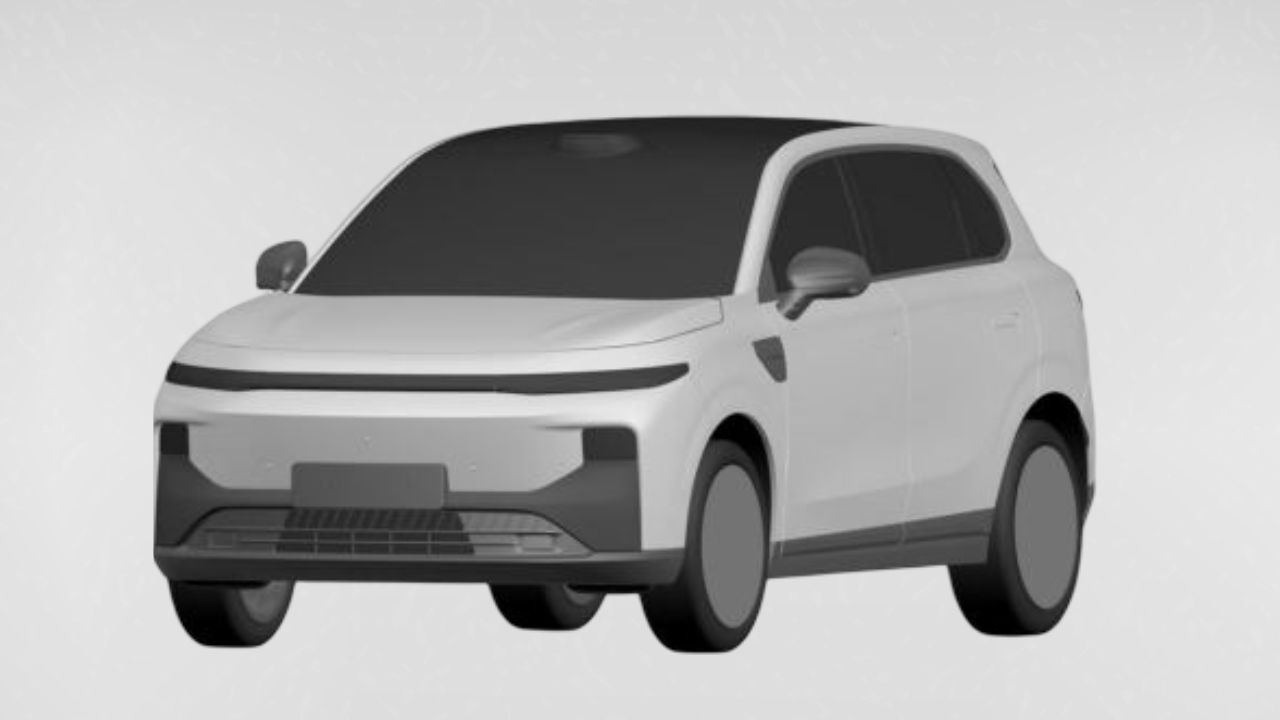
Leapmotor may soon enter India, as a patent for its compact B10 electric SUV has recently surfaced. In April last year, Stellantis announced its decision to bring Leapmotor to India, though the exact details around the models and their launch timelines are yet to be confirmed. Currently, Stellantis operates brands such as Jeep, Citroën, and Maserati in India, and Leapmotor's arrival will mark its fourth offering in the country. While there’s no official confirmation regarding the Leapmotor B10’s launch in India, here’s everything you need to know about the electric SUV ahead of its potential arrival.
Leapmotor B10 Electric SUV: Key Specs
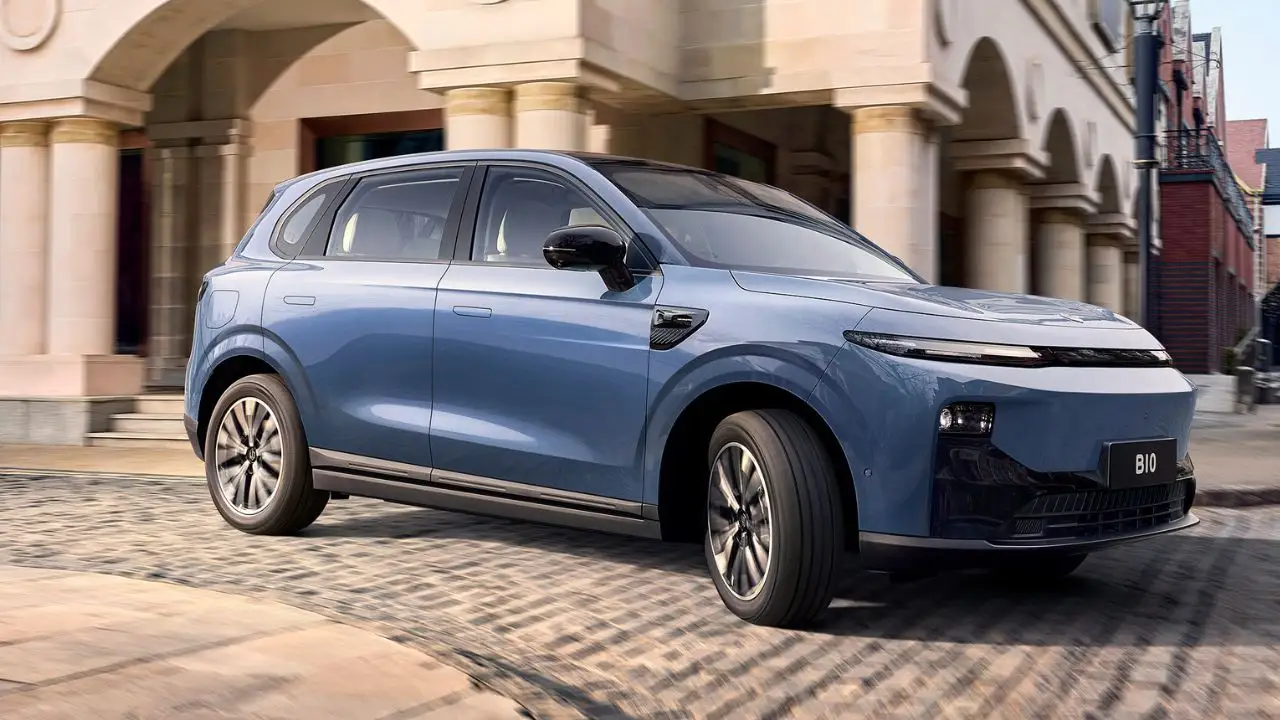
With a length of 4,515mm and a wheelbase of 2,735mm, the upcoming Leapmotor B10 will fit right into the mid-size SUV segment of India, which has popular models such as the Mahindra XEV 9e/9S, BYD Atto 3, and MG ZS EV. There is a split lighting setup at the front, while the rest of the body has a smooth and uncluttered look. The well-proportioned profile offers a planted stance on the road, while Leapmotor offers flush handles and a panoramic roof to make the compact SUV look premium. The overall look is rounded off with a compact spoiler and a connected taillight configuration.
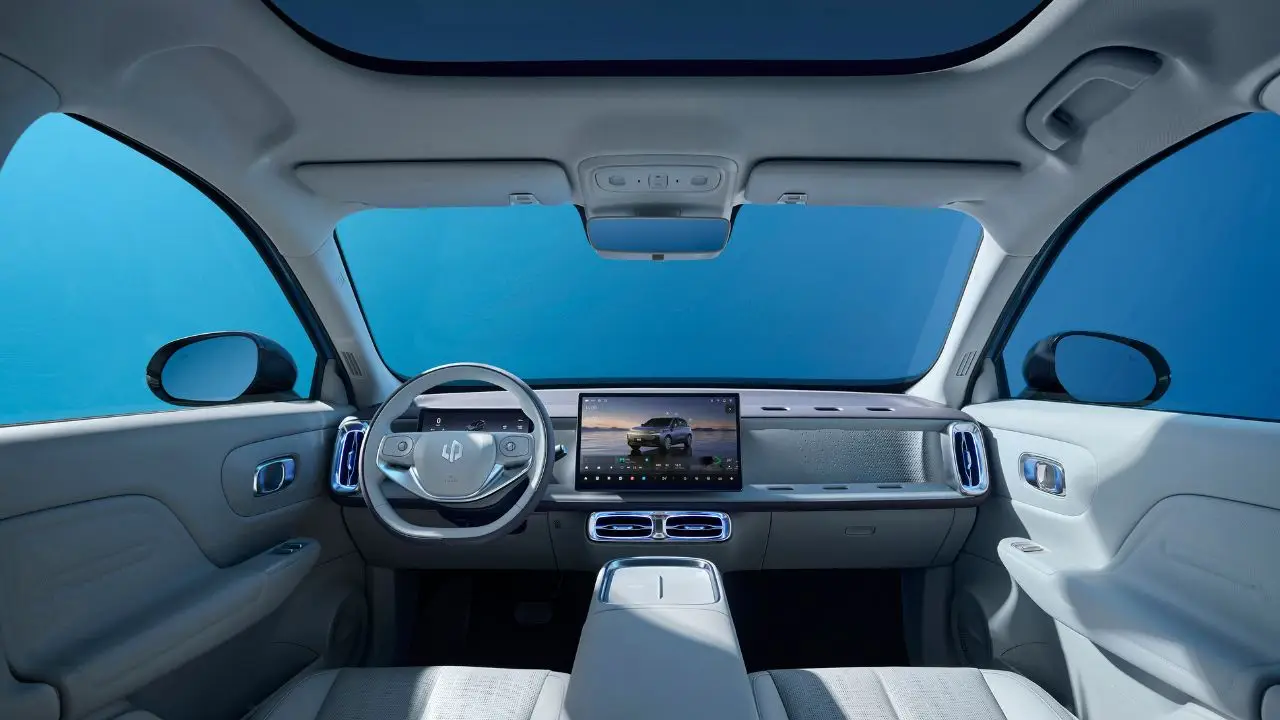
The interior of the global-spec model looks modern and tech-centric. It features powered, heated, and ventilated front seats, a 14.6-inch touchscreen, an 8.8-inch digital driver display, ambient lighting, a heated steering wheel, wireless charging, and a 12-speaker audio system.
As for safety, the Leapmotor B10 comes equipped with a 360-degree camera, 7 airbags, and Level 2 ADAS, with up to 17 active safety features. Key highlights include rear cross-traffic braking, adaptive cruise control, and front collision warning.
While India-spec powertrain details have not been revealed yet, the compact SUV is sold in multiple configurations globally. The range-extender model uses a 1.5-litre petrol engine as a generator to charge an 18.8kWh battery, mated to an electric motor (215bhp), and a claimed range of up to 900 kilometres.
On the other hand, the B10 EV employs a 67.1kWh LFP battery and the same motor found in the range-extender model. However, it offers a WLTP range of up to 434 kilometres and has a 0 to 100km/h sprint time of 8 seconds. The top speed stands at 171km/h.
-1770780494662.webp "Tata Motors and Stellantis Sign MoU To Expand Collaboration")