Tesla Model Y vs Tata Harrier EV Spec Comparison: What's Different?
Tesla offers global appeal and advanced tech with long range, while the Harrier EV delivers strong value through local production, lower pricing, and rich features.
By Reetika Bhatt

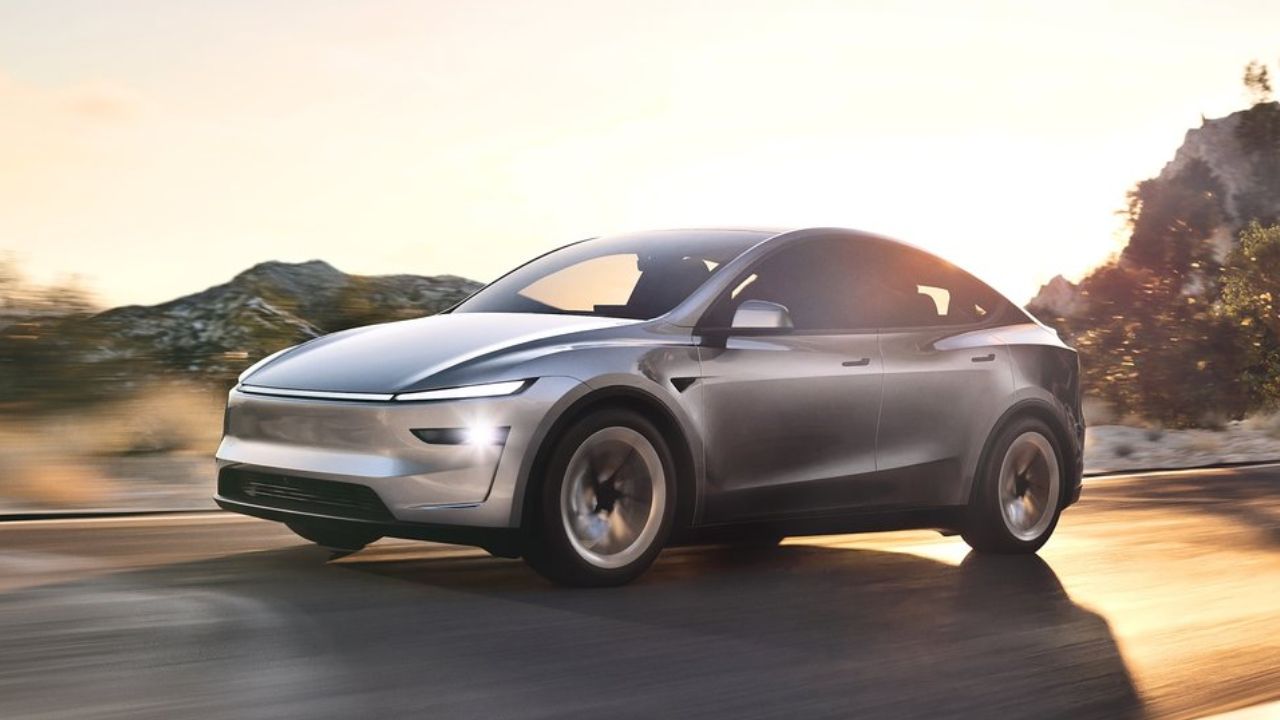
Tesla has officially entered the Indian electric SUV market with the launch of the Model Y, marking a significant moment for the country's EV landscape. Starting at Rs 59.89 lakh (ex-showroom), the Model Y is positioned as a premium import and goes up against locally manufactured rivals like the Tata Harrier EV. While Tesla brings global brand appeal, cutting-edge technology, and impressive range, the Harrier EV offers strong value through competitive pricing, local production, and a feature-packed offering tailored for Indian consumers. Both SUVs provide dual battery choices, capable performance, and connected features. However, they differ notably in pricing structure, drivetrain setup, and equipment levels. This comparison breaks down how the two electric SUVs measure up in terms of specifications and real-world practicality.
Tesla Model Y vs Tata Harrier EV Spec Comparison: Variants and Price
In our market, Tesla will offer Model Y in two versions: the Standard and Long Range variants. The Standard version is priced at Rs 59.89 lakh, while the Long Range comes in at Rs 67.89 lakh. These models are being imported as fully assembled units, which results in significantly higher pricing due to India’s steep import taxes.
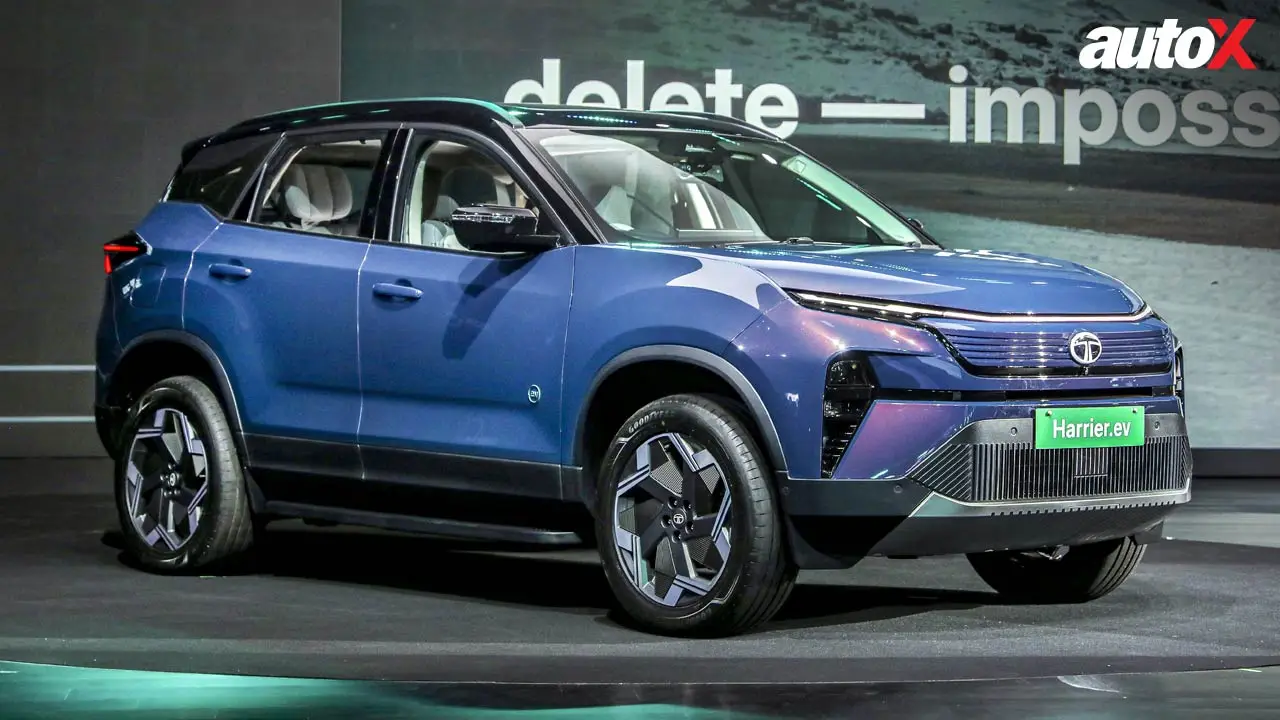
On the other hand, Tata’s Harrier EV is built locally and comes in a wider range of variants at a more accessible cost. It is available in five primary trims called Adventure, Adventure S, Fearless Plus, Empowered, and Empowered AWD. Customers can choose between rear-wheel-drive and all-wheel-drive setups. The RWD variants are priced from Rs 21.49 lakh to Rs 27.49 lakh, whereas the AWD version is tagged at Rs 28.99 lakh. Additionally, the carmaker offers a special Stealth Edition, with prices ranging from Rs 28.24 lakh to Rs 30.23 lakh. All mentioned prices are ex-showroom.
Tesla Model Y vs Tata Harrier EV Spec Comparison: Battery and Performance
The Tesla Model Y offers two battery choices. The entry-level version comes with a 63kWh pack, delivering a range of 500 km based on the WLTP cycle and accelerating from 0 to 100km/h in 5.9 seconds. The higher-spec Long Range variant is equipped with an 83kWh battery, offering a 622 km range and reaching 100km/h in just 5.6 seconds. The claimed top speed stands at 201km/h.
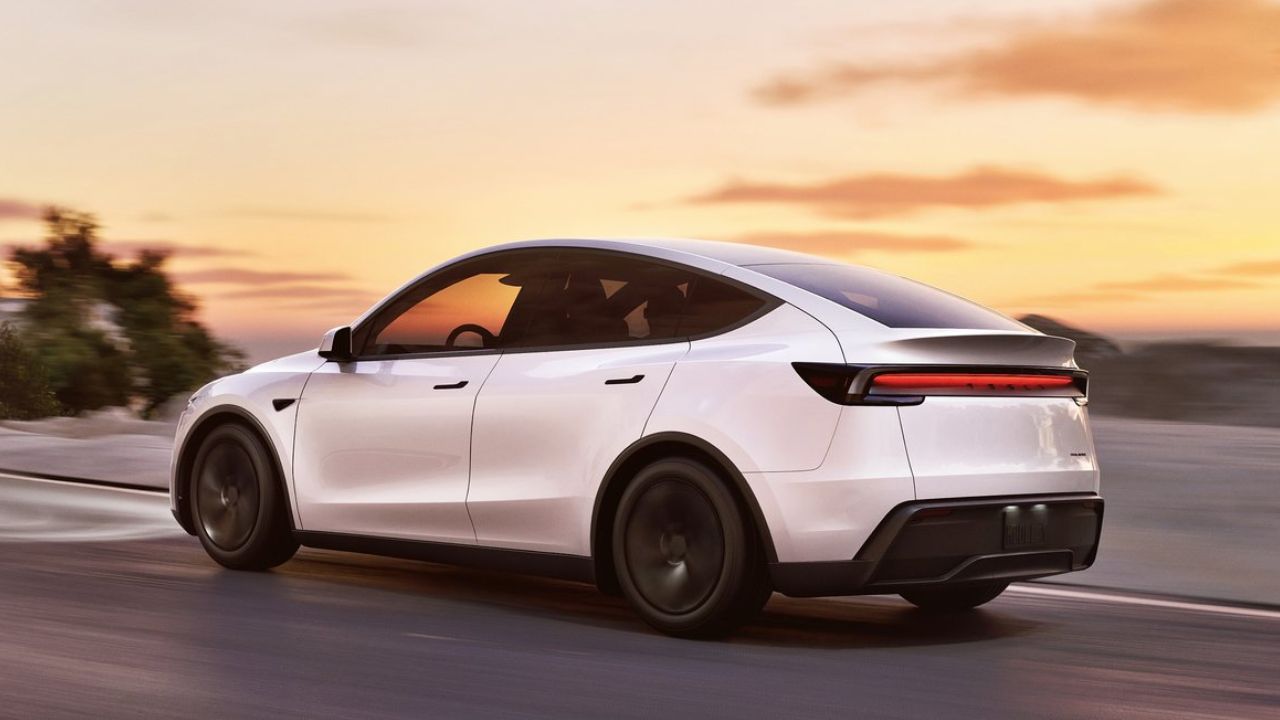
With the help of Tesla’s 250 kW Supercharger, the Long Range model can recover 267 km of range in only 15 minutes. Tesla also plans to install eight Supercharging stations in Mumbai and Delhi.
Also Read: Here’s How Much Tesla Model Y’s Optional Extras Will Cost in India
Tata’s Harrier EV comes with two battery options as well. The first is a 65kWh unit paired with a rear-wheel-drive setup that produces 235bhp and 315Nm of torque. According to MIDC testing, this version can cover 538 km on a single charge. It also includes three drive modes called Eco, City, and Sport, along with terrain modes like Normal, Wet, and Rough. Using a 100 kW DC charger, the battery can be charged from 20 to 80% in around 25 minutes.
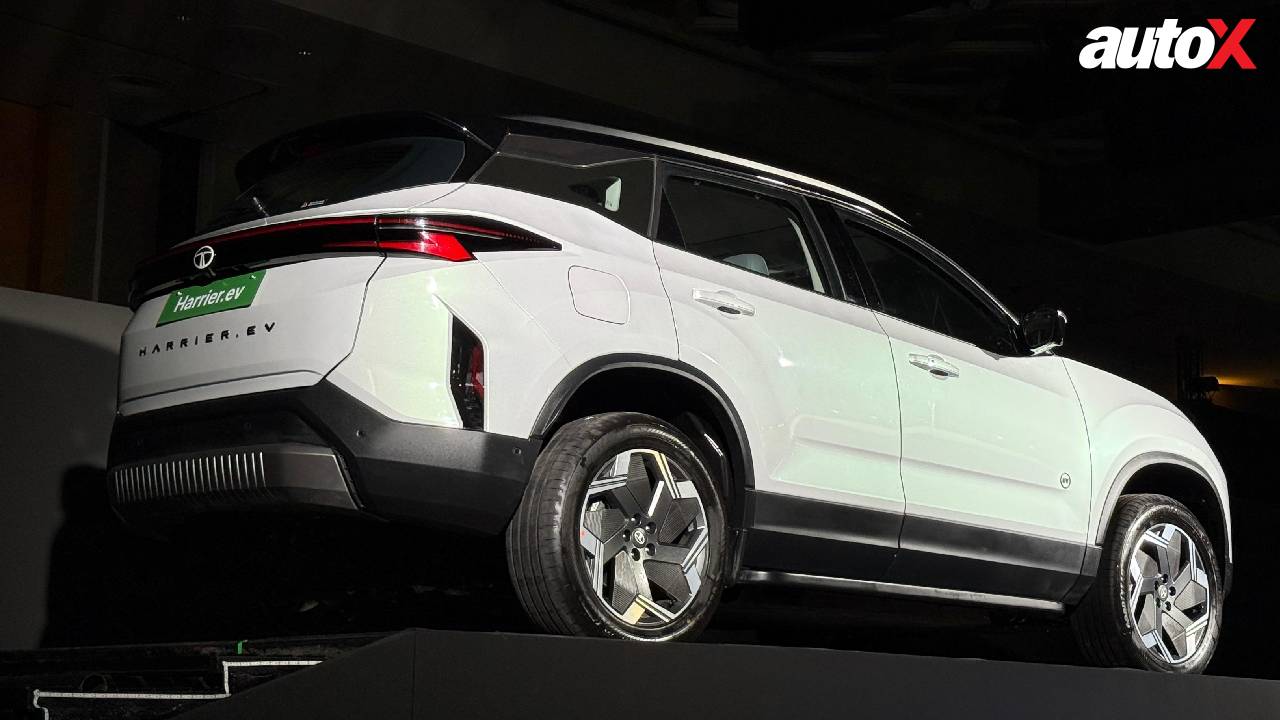
The larger 75kWh battery version retains the same power and torque figures but extends the driving range to 627 km. Higher trims with this setup also include a Custom terrain mode. Charging times remain similar, with 20 to 80% charging taking 25 minutes using a 120 kW charger. The all-wheel-drive variant stands out with its dual-motor configuration, delivering 390bhp and 504Nm. It can sprint from 0 to 100 km/h in 6.3 seconds.
Tesla Model Y vs Tata Harrier EV Spec Comparison: Cabin and Features
The Tesla Model Y comes with a default all-black interior, but buyers can personalise the cabin with a black-and-white dual-tone scheme by paying Rs 95,000 extra. Dominating the dashboard is a large 15.4-inch touchscreen that serves as the central interface for nearly every control in the car. It is accompanied by a sleek, minimalist steering wheel with integrated touch-sensitive controls.
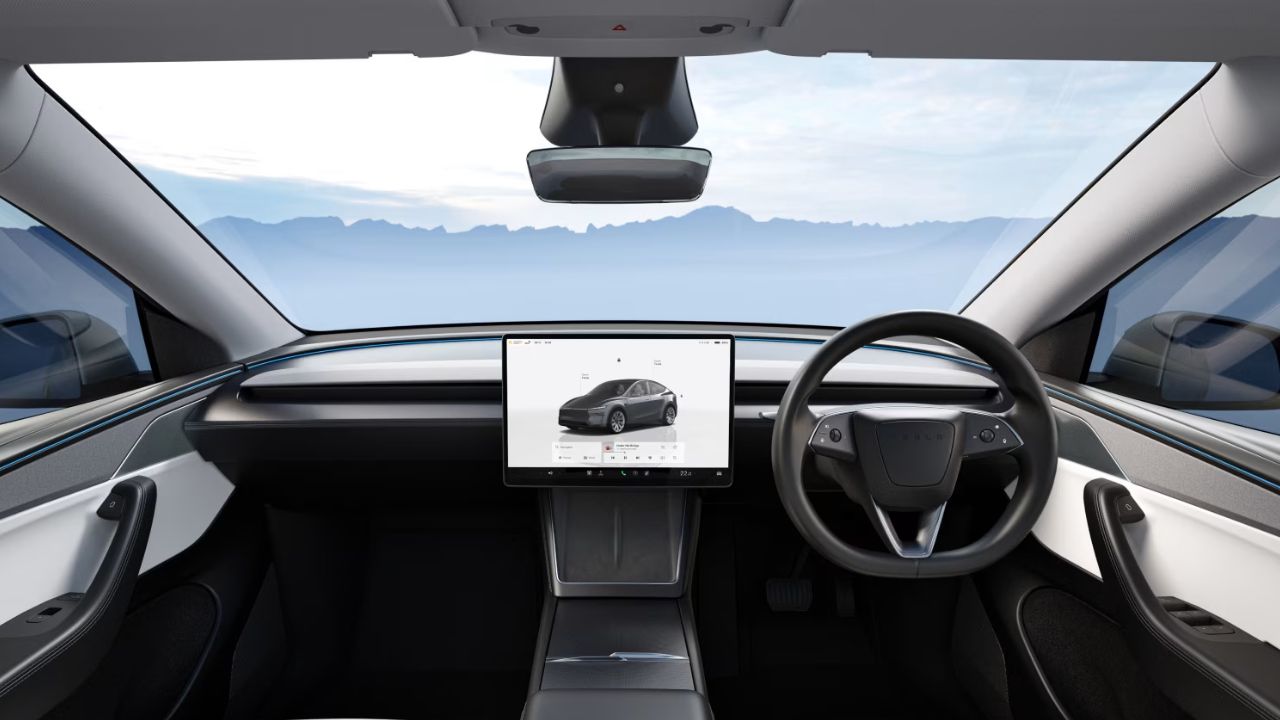
The centre console is designed with practicality in mind, offering discreet storage spaces and a wireless charging pad neatly built in. Rear seat passengers get reclining seats, their own air conditioning vents, and an additional 8-inch display for added convenience. Other features include a 9-speaker audio system, an inbuilt dashcam, and comprehensive safety through multiple airbags. Tesla also offers its Full Self-Driving (FSD) tech as an optional feature priced at Rs 6 lakh.
Also Read: Tata Harrier EV vs Diesel Variants: Key Differences Explained
Tata’s Harrier EV, meanwhile, shares its dashboard design with the internal combustion version but uses a different white-and-grey interior theme to distinguish itself. A highlight is the 14.5-inch infotainment screen developed by Harman, which uses Samsung’s advanced Neo QLED panel for vivid visuals and clarity.
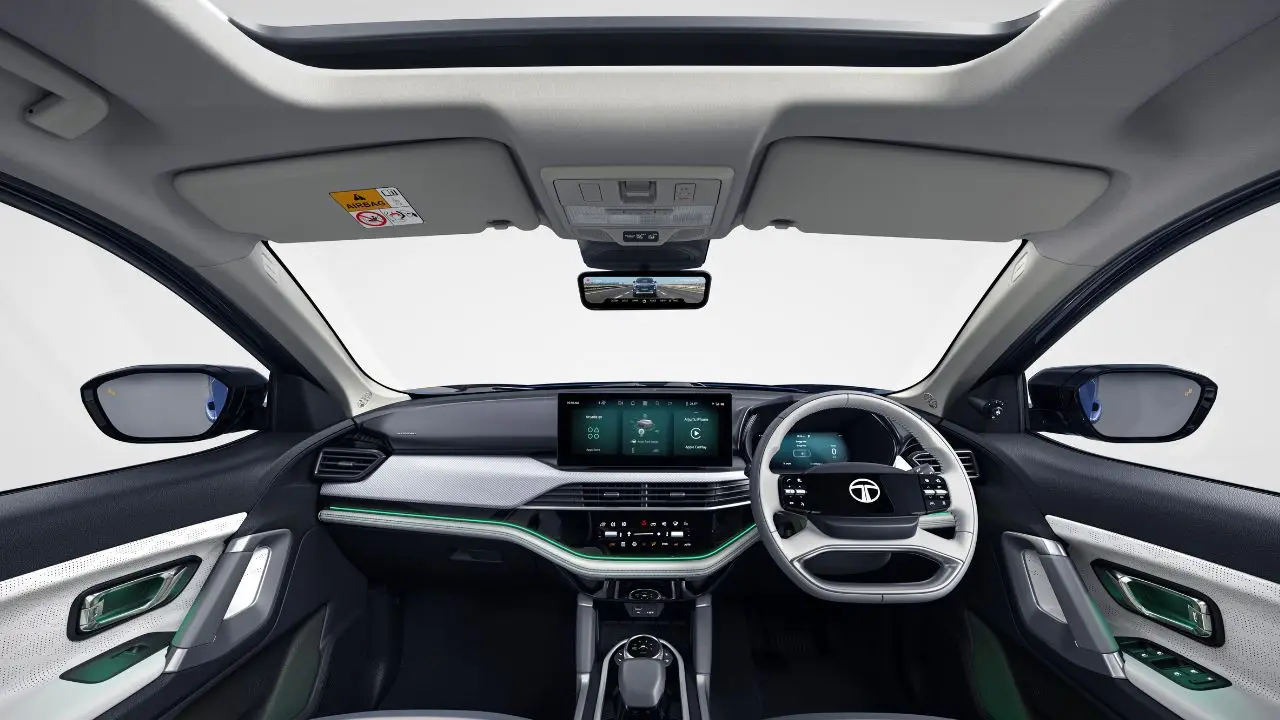
The Harrier EV is generously loaded with features. These include a powered second-row seat with Tata’s signature ‘Boss Mode’, a four-spoke steering wheel illuminated with the Tata emblem, a wide panoramic sunroof, a 10-inch fully digital instrument cluster, ambient interior lighting, and modern capabilities like Vehicle-to-Load (V2L) and Vehicle-to-Vehicle (V2V) charging. It also includes multiple drive and terrain modes, making it a well-rounded and future-ready electric SUV.