Banks Face Fresh FASTag Verification Push From NHAI Over Incorrect Vehicle Registration
NHAI has asked banks to verify FASTag vehicle details to stop misuse, avoid toll issues, and improve highway traffic flow across India.
By Divyam Dubey

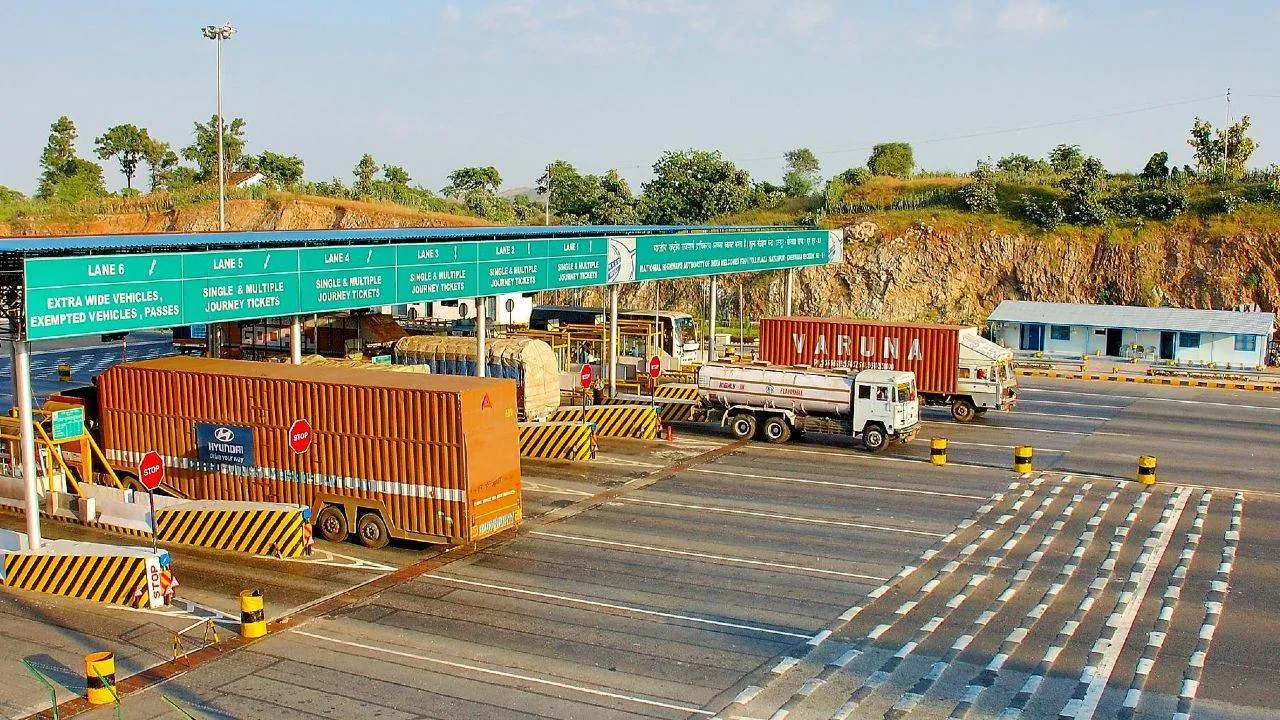
The National Highways Authority of India has issued a directive to banks that issue FASTags to verify vehicle registration details. This instruction follows observations that several electronic toll collection tags remain linked to incorrect or incomplete vehicle information. The authority aims to ensure that every active tag on the national highway network corresponds accurately to the specific car or motorcycle using it.
Also Read: FASTag Annual Pass Price to Increase to Rs 3,075 From April 1 in India
Financial institutions must now cross-reference the data provided during the FASTag issuance process with the official VAHAN database. This central repository contains the registration records for all motor vehicles in the country. The verification process is intended to eliminate discrepancies between the tag ID and the physical registration plate attached to the chassis.
The directive highlights a practice where multiple FASTags were being issued for a single vehicle or where tags were being used on vehicles other than those initially registered. Such irregularities have caused technical issues at toll plazas and led to revenue leakages. Banks are required to rectify these records to maintain the integrity of the electronic tolling system.
Under the new guidelines, banks must complete the validation of existing tags within a specified timeframe. Failure to update the registration details may result in the deactivation of the tags. This measure ensures that only vehicles with verified credentials can utilise the automated lanes at toll barriers across the country.
The National Highways Authority of India has also instructed that no new tags should be issued without a thorough check of the vehicle's registration certificate. This preventative step seeks to stop the proliferation of invalid tags at the point of sale. Banks must ensure that the vehicle class and the registration number match the documentation provided by the owner.
The enforcement of these rules forms part of a broader effort to streamline traffic flow and enhance the efficiency of digital payments on highways. By maintaining an accurate database, the authority expects to reduce disputes at toll booths and improve the tracking of vehicles for security purposes. All stakeholders must comply with these standards to support the national electronic toll collection framework.


