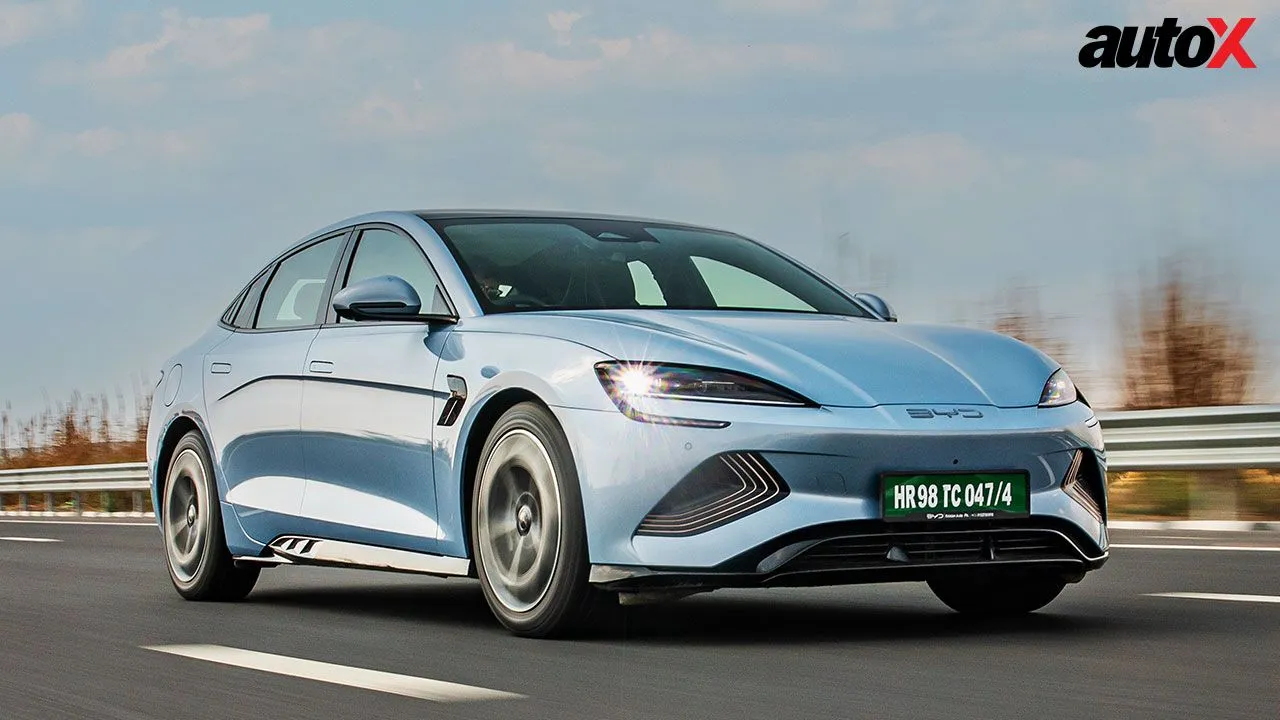
Delhi Draft EV Policy 2.0: Electric Cars up to Rs 30 Lakh to Get Road Tax Exemption
Under the draft for Delhi EV Policy 2.0, the government has made it clear that the electric cars priced above Rs 30 lakh (ex-showroom) will not be eligible for any road tax or registration fee exemptions.
By Sanorita

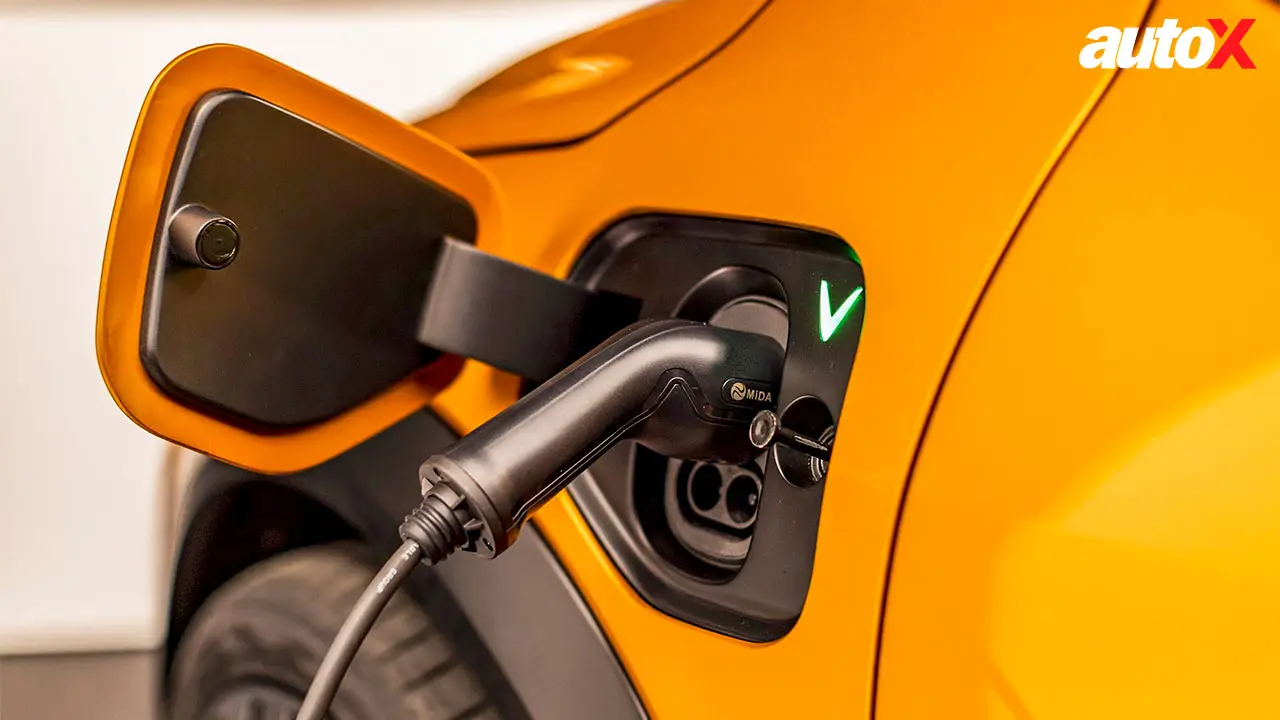
The draft of the Delhi EV Policy for 2026–2030 proposes a 100% exemption on road tax and registration fees for all electric cars with an ex-showroom price below or equal to 30 lakh until March 31, 2030. While it is just a proposal and the final approval is pending, the new EV policy, if implemented, would significantly lower the overall cost of ownership in the country and benefit manufacturers such as Mahindra and Tata Motors, which sell a majority of their EVs within this price bracket.
Delhi Draft EV Policy: Which Cars Are Not Eligible for Tax Exemption?
Under the draft for Delhi EV Policy 2.0, the government has made it clear that the electric cars priced above Rs 30 lakh (ex-showroom) will not be eligible for any road tax or registration fee exemptions. Hence, buyers aiming to buy premium EVs above the said price bracket, such as the top-spec Mahindra XEV 9S, and other luxury models from BMW and Mercedes-Benz, will continue to bear the tax and registration charges. The step to waive off the road taxes and registration fees on the mass-market electric cars shows the government's intent to promote the sale of these models, as the majority of EV buyers come from this segment.
Delhi Draft EV Policy: Hybrid Cars to Get 50% Road Tax Waiver
The Delhi EV Policy 2.0 has also proposed partial benefits to strong hybrid cars, with a 50% exemption on road tax and registration fees for models priced up to Rs 30 lakh (ex-showroom) until March 31, 2030. If implemented, this will make hybrid vehicles more attractive to buyers who are not yet ready to go fully electric, as it helps lower the upfront ownership cost while still offering better fuel efficiency and reduced emissions compared to their conventional petrol counterparts.
Also Read: No New Petrol 2-Wheelers in Delhi from 2028, Says Draft EV Policy
For manufacturers such as Toyota, Maruti Suzuki, and Honda, which already have a strong hybrid portfolio in India, the policy could drive higher demand and improve adoption.