Delhi Government Extends EV Policy Until March Next Year: Here's Why
The draft EV Policy 2.0 aims to fast-track Delhi’s transition to zero-emission vehicles by focusing on autos, two-wheelers, buses, and goods carriers.
By Reetika Bhatt

The Delhi government has decided to prolong its existing Electric Vehicle (EV) policy until 31 March 2026, or until a new version is introduced, to maintain continuity in subsidies and infrastructure development during ongoing public feedback. This extension allows the Transport Department additional time to consult a wide range of stakeholders, including industry leaders, environmental advocates, and the public, before launching the updated policy. In the interim, the focus will remain on strengthening EV charging infrastructure, revising financial incentives, and framing proper guidelines for battery disposal and e-waste handling. Additionally, the policy aims to create significant job opportunities, approximately 20,000 roles, through the expansion of charging stations and battery-swapping services, all while preventing sudden changes to the regulatory framework.
Delhi’s EV Policy Extended: Major Highlights
In an effort to maintain policy continuity and support Delhi’s electric mobility ambitions, Transport Minister Pankaj Singh recently confirmed that the city’s current Electric Vehicle (EV) policy will be extended until March 2026 or until a revised framework is formally introduced, whichever occurs earlier.
Also Read: Mahindra Drops New Teaser of Vision SXT Concept — What’s Coming on August 15?
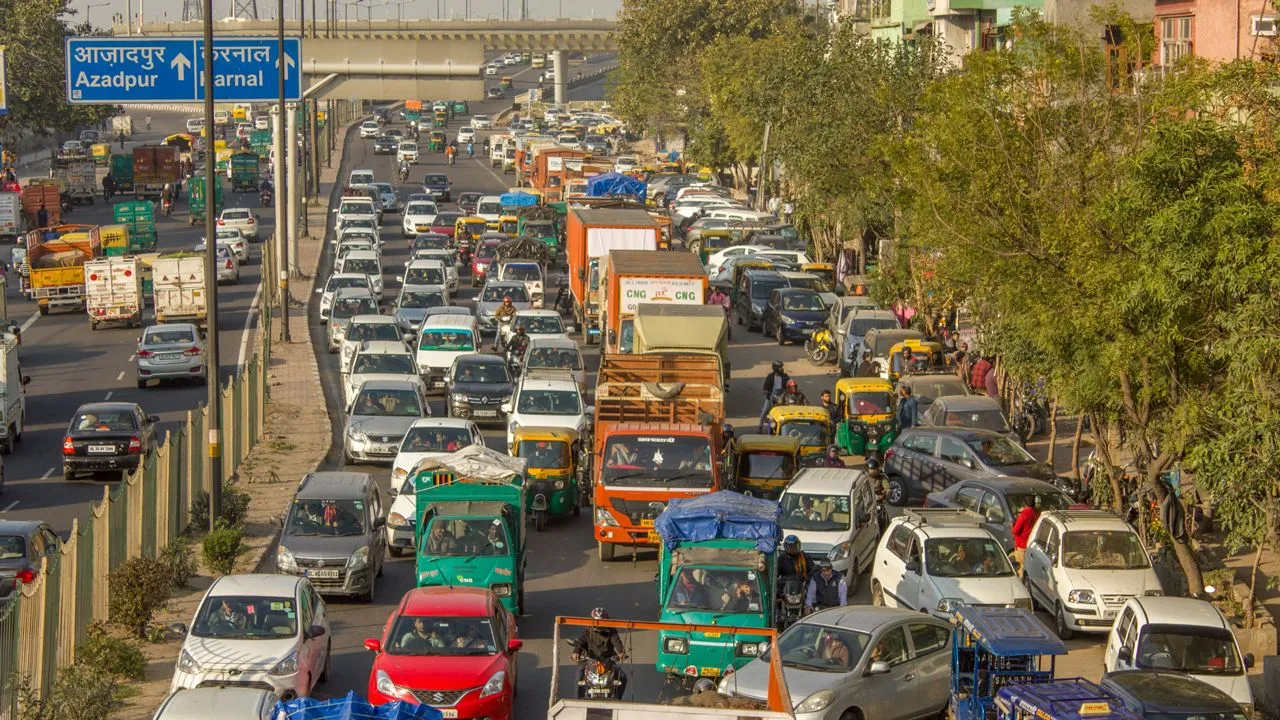
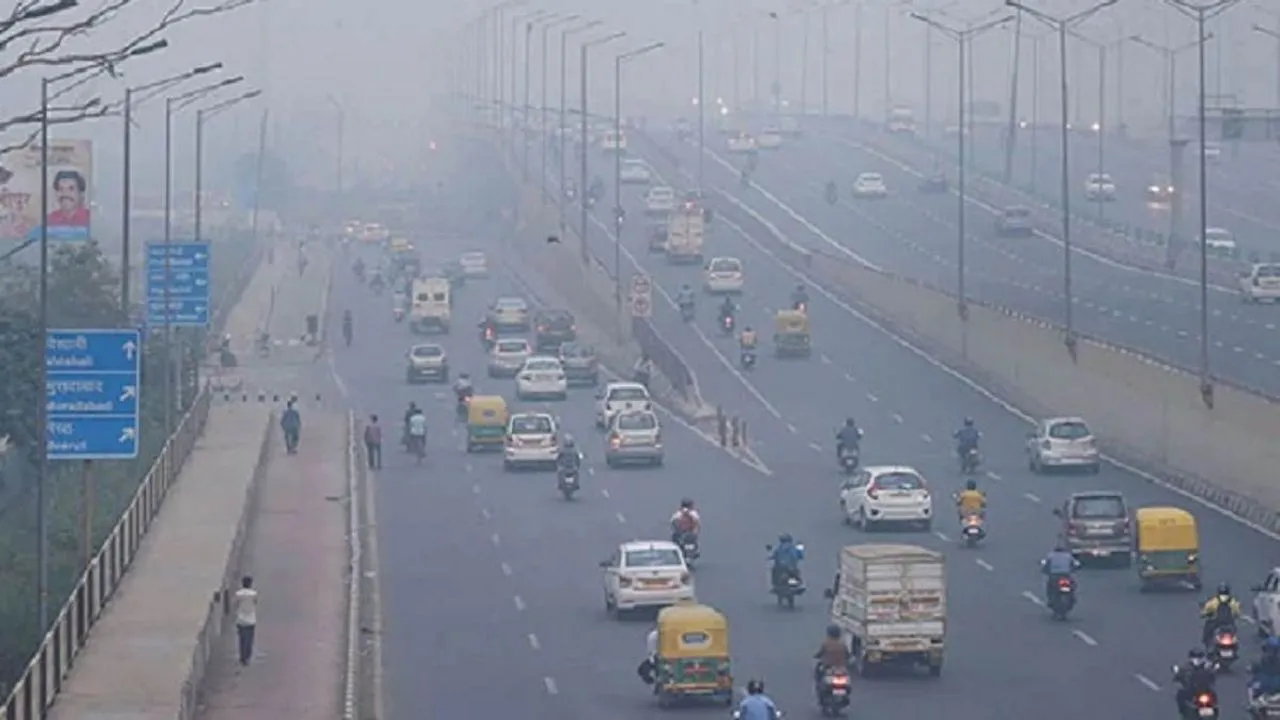
The decision, cleared during a Cabinet meeting earlier that day, is designed to allow ample time for the government to evaluate public input and expert recommendations from private stakeholders, environmentalists, and industry players. Singh noted that the extension is crucial to keep Delhi’s EV rollout on track without abrupt regulatory changes, especially as the city continues to tackle its chronic air pollution crisis.
This is not the first time the EV policy has been prolonged. Initially introduced in August 2020 by the former Aam Aadmi Party-led administration, the policy aimed to make 25% of all new vehicle registrations electric by 2024 to curb emissions. Although its original three-year duration ended in August 2023, successive extensions, including under the current BJP government, have kept it in force. In June, Singh had indicated that the next phase, titled EV Policy 2.0, was expected to debut by July.
According to the draft version of EV Policy 2.0, the primary goal is to expedite Delhi’s shift toward zero-emission vehicles by targeting high-volume segments such as auto-rickshaws, two-wheelers, public buses, and commercial goods carriers.
Also Read: Kia Carens Clavis EV Bookings Commence in India for Rs 25,000
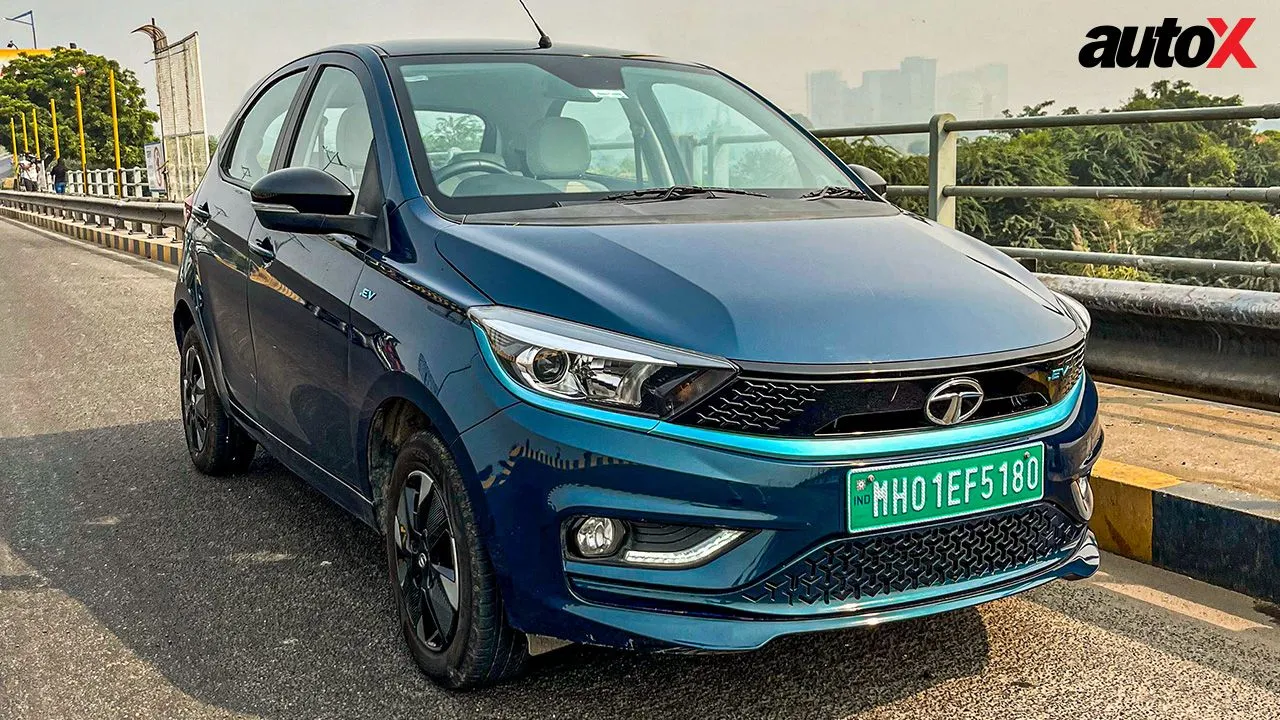
The draft proposes a comprehensive incentive structure to drive adoption. For example, female riders could receive subsidies of up to Rs 36,000 on electric two-wheelers. Additionally, a broader subsidy of Rs 10,000/kWh, capped at Rs 30,000/vehicle, is being considered to make electric scooters and motorcycles more financially viable for the general public.