Delhi Pollution Alert: BS-III Petrol, BS-IV Diesel Cars Banned Under GRAP 3
With AQI levels increasing from 362 ('Very Poor') to 425 (‘Severe’) on Tuesday morning, the Commission for Air Quality Management (CAQM) has enforced GRAP Stage III across Delhi-NCR.
By Sanorita

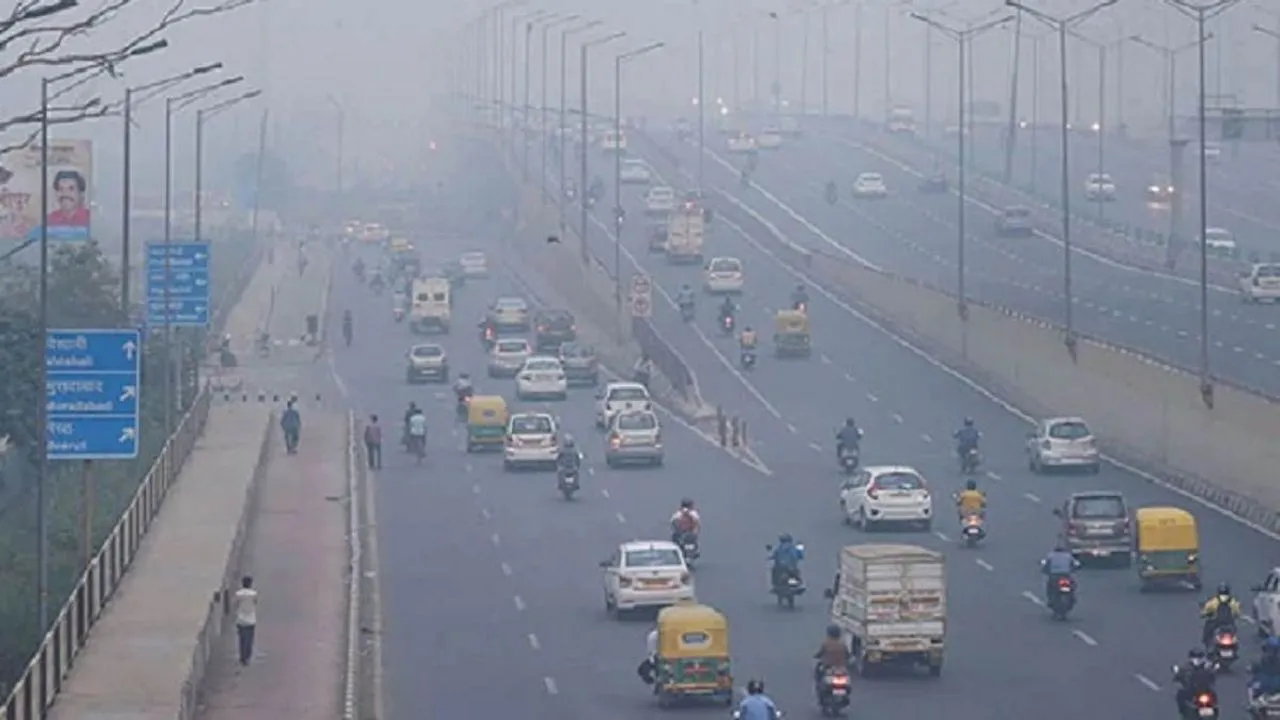
The Commission for Air Quality Management (CAQM) has enforced GRAP Stage III across Delhi-NCR after AQI levels rose from 362 (‘Very Poor’) to 425 (‘Severe’) on Tuesday morning. As a result, BS-III petrol and BS-IV diesel vehicles are now prohibited from operating in Delhi, Noida, Gurugram, Faridabad, and Ghaziabad. Residents of the capital have been grappling with hazardous air quality for weeks, prompting authorities to take stricter action. With the implementation of Stage III under the ‘Severe’ category, the city is now witnessing tighter controls not only on vehicles but also on construction, demolition, and industrial activities. These new measures build upon the restrictions already in place under Stages I and II, aiming to curb pollution more effectively.
What is GRAP?
The Graded Response Action Plan (GRAP) is a structured emergency framework that aims to tackle air pollution. It operates in four stages, each triggered by specific Air Quality Index (AQI) levels, allowing authorities to implement timely measures based on the severity of pollution.
Stage I of the GRAP is implemented when the AQI ranges between 201 and 300, indicating ‘Poor’ air quality. Meanwhile, the II stage of the GRAP comes into effect as the AQI rises to 301–400, representing ‘Very Poor’ conditions. Stage III is implemented when air quality reaches the ‘Severe’ category, with AQI between 401 and 450, while Stage IV, corresponding to ‘Severe+’ air quality, is activated when Delhi’s AQI exceeds 450.
What's All Restricted Under the Current GRAP III?
Non-essential construction and demolition activities are on pause, including the shutdown of stone crushers and suspension of mining work.
Also Read: GRAP Stage I, II, III and IV Explained: Here's All You Need to Know
Both BS-III petrol and BS-IV diesel four-wheelers are banned across Delhi and NCR. However, people with disabilities or those driving such cars for essential or emergency purposes are exempted from the rule. There are heavy penalties of up to Rs 20,000 for those violating the rules.
Moreover, classes of up to 5 in schools are encouraged to move toward a hybrid mode.


