India-US Trade Deal to Lower Import Duties on US-Made Cars — Will It Impact Tesla?
India-US trade deal may lower import duties on US cars and bikes. Big petrol SUVs benefit first, while Tesla and EV imports see no duty relief under current plan.
By Divyam Dubey

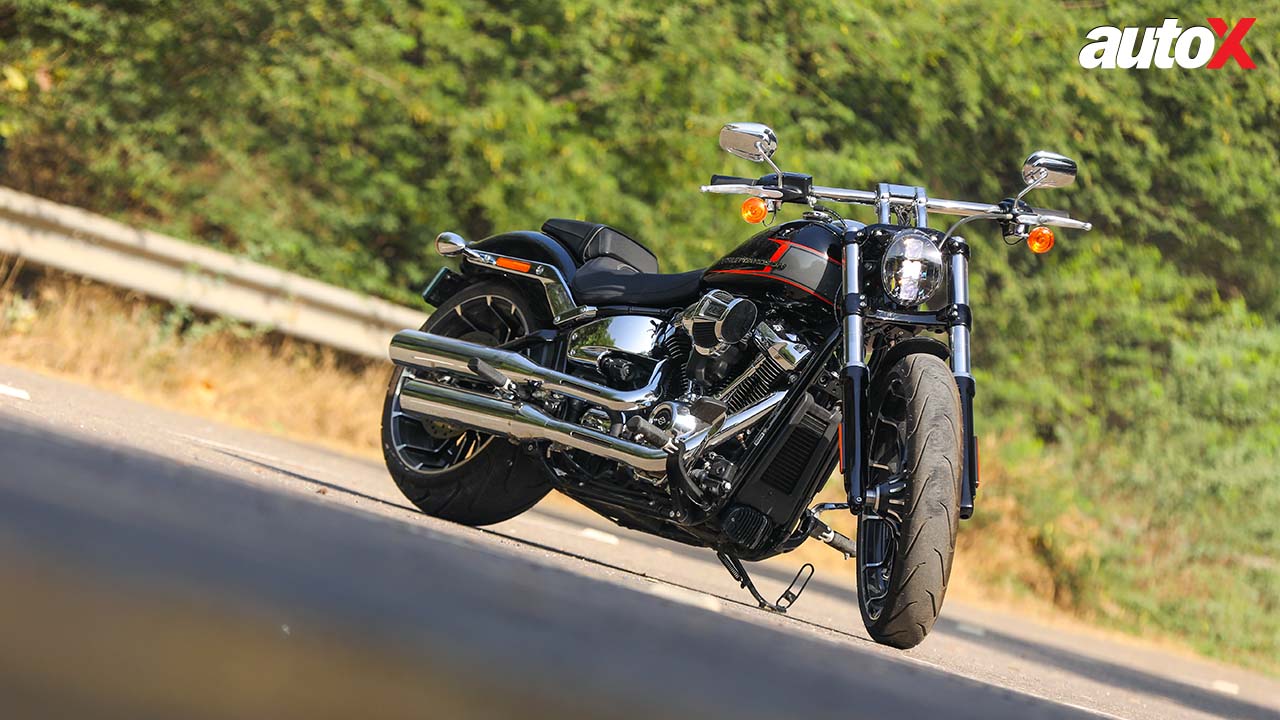
India and the United States are closing in on an interim trade deal that could change how some American cars and motorcycles enter the Indian market. The proposal reportedly centres on cutting import duties on select US-made vehicles and allowing a few large-capacity bikes to come in without duty. This will not be a sudden shift, as the rollout is expected to happen in stages once both countries sign the agreement. The big talking point is the possible drop in duties on large petrol SUVs and other high-capacity machines that usually land here with heavy taxes. It does not open the door for mass-market imports, but it does signal easier access to niche and premium models from the United States.
Also Read: India-EU FTA Explained: Impact on Car Prices, Imports, and Local Manufacturing
The draft structure points to lower duties on big internal-combustion cars built in the US. Vehicles with engines above 3,000cc are set to see tariffs come down over time. Rates that once crossed the 100 per cent mark may fall closer to 30 per cent through a phased plan. The benefit will likely apply to limited numbers, so it targets premium imports rather than everyday cars on Indian roads.

There is also movement on the motorcycle side. Select American bikes in the 800cc to 1,600cc bracket are expected to enter India with zero duty under the interim agreement. This fits into a wider plan that tweaks tariffs without affecting local manufacturing in a big way. The focus stays on segments where local production is low, while domestic car and EV makers continue to get policy support.
Tesla and EV Imports
Electric cars reportedly are not part of the current duty relief. Import taxes on EVs remain unchanged under the proposed framework, so brands that depend on bringing in electric models will not see immediate gains. The policy direction still leans towards building EVs locally instead of opening the door to large-scale imports.

That leaves Tesla in the same position as before. Its imported models would continue to attract existing duties, which keeps prices high for now. The brand has been pushing for lower import taxes as it looks at India, but this interim deal does not address that request. Any shift for EV imports will likely depend on future policy changes or local manufacturing plans.
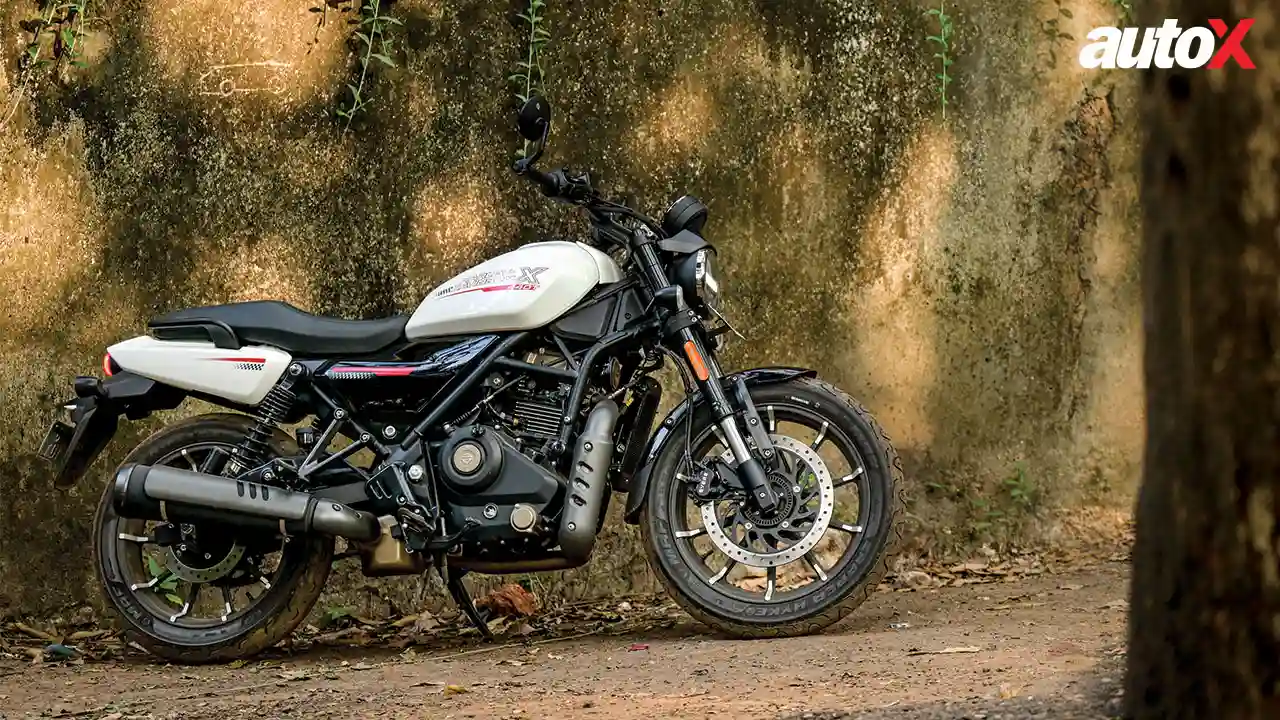



-1765165611590.webp "Harley-Davidson X440 T Launched in India at Rs 2.79 Lakh")


