Mahindra Sells 60,272 SUVs in March, Registers 25% YoY Growth
Mahindra sold 99,969 units overall in March, marking a rise of 21% year-on-year. It sold 60,272 SUVs domestically, a growth of 25%.
By Sanorita

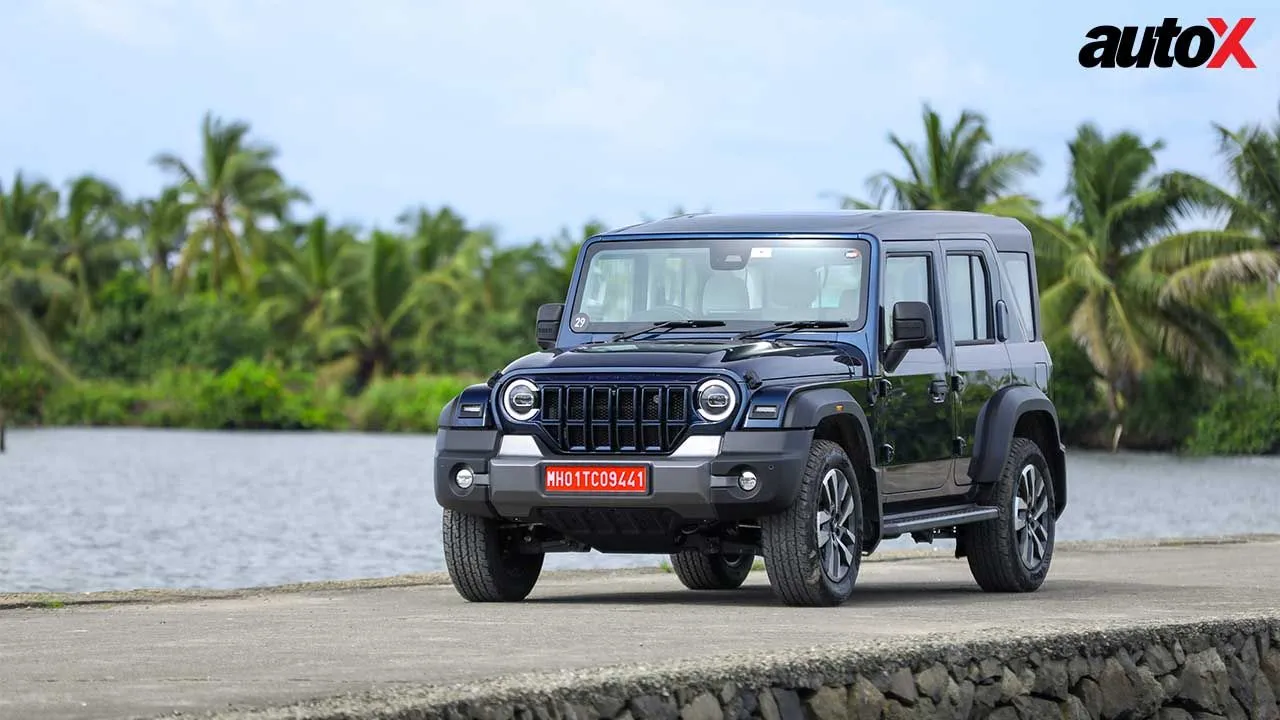
Mahindra experienced a 21% growth in March 2026, with total sales reaching 99,969 units, including exports. SUVs remained the main contributor at 60,272 units, a rise of 25% from 48,048 units sold a year ago. Models such as the Scorpio-N, Bolero, and Thar are some of the popular Mahindra SUVs, which contribute to Mahindra’s dominance in the utility vehicle segment. That said, the overall vehicle dispatches stood at 62,109 units, including exports. Meanwhile, the Commercial Vehicles segment also posted steady growth, with domestic sales rising 11% to 24,928 units.
Commenting on the sales, Nalinikanth Gollagunta, CEO, Automotive Division, M&M Ltd., said, 'The Financial year ended on a very positive note, with Mahindra clocking its highest-ever volumes in both SUVs & LCVs (<3.5T) segments, a significant milestone for the company. In March, we achieved SUV sales of 60,272 units, a growth of 25%, and LCV <3.5T sales of 24,928 units, a growth of 11% YoY. Total vehicle sales stood at 99,969 units, a 21% YoY growth.'
Mahindra Exports Performance
Mahindra exported 3,968 units in March, compared to 4,143 units in the same month last year, a decline of 4% year-on-year. However, the annual performance remained positive, with cumulative exports for FY26 rising 18% to 40,990 units, from 34,654 units in FY25.
Also Read: Toyota India Records 20% YoY Growth in FY 2025-26, Crosses 4 Lakh Sales Mark
Despite a relatively subdued performance in overseas markets last month, the company maintained steady momentum across key international regions throughout FY26. The overall year-to-date growth reflects resilient demand and improving market penetration in global arenas.
Mahindra YTD Sales (Passenger Vehicles)
PVs maintained an upward trajectory on a year-to-date basis, with total volumes surging by 20% to 6.60 lakh units in FY26, compared to 5.51 lakh units in the previous fiscal. The growth was entirely driven by utility vehicles, which continued to dominate the portfolio.
Mahindra Commercial Sales
The 2–3.5T LCV category grew 13% year-on-year, while 3-wheelers recorded an increase of 39%. The <2T LCV segment, on the other hand, remained flat. For FY26, the 2–3.5T LCVs and 3-wheelers registered 16% and 30% growth, respectively. However, the <2T LCV segment saw a marginal decline of 2%.