New Delhi Traffic Rules Bring 45-Day Deadline for Challan Payments
Delhi’s new traffic rules bring a 45-day challan payment deadline, online dispute system, camera-based fines, and stricter action on repeat offenders.
By Divyam Dubey


Delhi's traffic challan system is set for a major change, especially for people who drive regularly in the city. The Delhi government has introduced a fully digital challan process under the amended Central Motor Vehicles Rules, 1989, bringing fixed timelines for payment, online disputes, and stricter action against repeat offenders. Chief Minister Rekha Gupta said the new system is aimed at improving road discipline and reducing the huge backlog of pending challans in the capital. With the updated rules now in place, traffic enforcement is expected to become faster, more organised, and harder to ignore than before.
Also Read: India To Adopt WLTP Cycle For BS6 Emissions Testing From April 2027: Key Details
Reports suggest more than 2.5 crore challans issued in Delhi between 2021 and 2024 are still pending. The government now wants every traffic violation to move through a proper timeline instead of remaining unresolved for years. Under the revised setup, all challans will be digitally tracked from issuance to final payment or settlement, making the process more structured for both motorists and enforcement authorities across the city.
45-Day Deadline and Court Deposit Rule Reshape Challan Process
Under the new rules, motorists will get 45 days to either pay the challan or challenge it through the official online portal. If no response is submitted within this period, the challan will automatically be treated as accepted. Drivers will then receive another 30 days to clear the payment before stricter action and additional penalties begin under the updated framework introduced by the Delhi government.
If a driver raises a dispute and the request gets rejected, another 30-day period will be provided either to pay the fine or move the matter to court. However, motorists can no longer directly approach courts without first completing the online grievance process. In addition, anyone pursuing legal action after a rejected dispute will need to deposit 50 per cent of the challan amount before court proceedings begin. Should the motorist miss this 30-day window as well, a final 15-day period will be granted for payment before further penalties and enforcement action are applied.

For daily commuters, the new system changes how pending traffic fines are handled in Delhi. Ignoring challans for long periods may now affect driving licence renewals, vehicle-related paperwork, and other transport department services. The government's aim is to ensure that every challan reaches a final resolution within a fixed timeline instead of remaining pending indefinitely under the earlier system.
Cameras and Digital Portal Drive Enforcement Overhaul
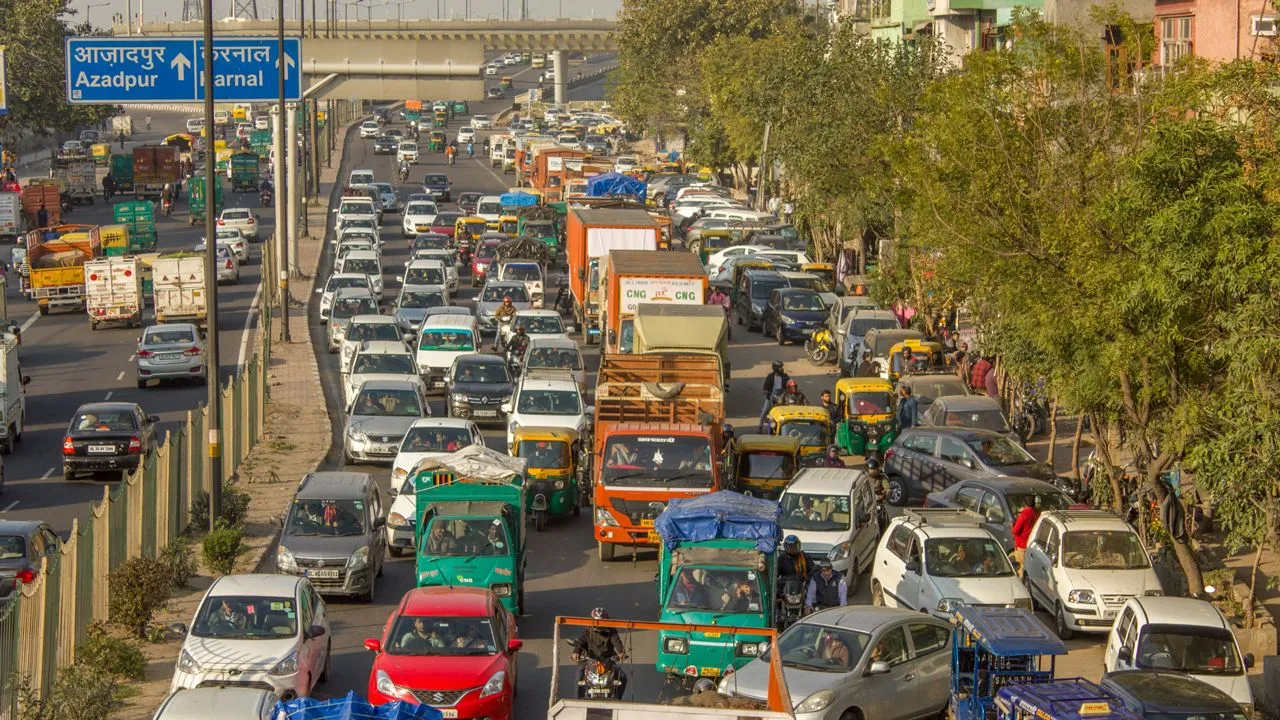
The updated traffic enforcement system will rely heavily on surveillance cameras and digital monitoring across Delhi roads. Traffic violations will now be recorded not only by traffic police officers but also through automated camera systems installed across the city. Once a violation is detected, the system automatically generates an e-challan linked to the registered vehicle owner and creates a digital compliance record.
The challan delivery process is also becoming faster under the revised rules. If a motorist's mobile number is updated in official records, the e-challan will be sent within three days of the violation being recorded. In cases where contact details are unavailable or outdated, a physical notice will be delivered to the registered address within 15 days.
The Delhi government is also introducing a central online portal for all challan-related services. Drivers will be able to check pending fines, raise disputes, and make payments using a single platform. The portal will maintain a complete history of challans, disputes, and payments linked to every vehicle owner. Authorities believe this digital setup will help identify repeat offenders and improve overall enforcement efficiency.
Motorists have been advised to update contact details linked to their driving licence and vehicle registration documents. Incorrect or outdated information could result in drivers missing challan notifications, which may later lead to penalties or delays in completing vehicle-related work. Authorities say keeping official records updated will become increasingly important under the new digital enforcement system being introduced in Delhi.
Repeat Offenders Face Licence Suspension Under New Framework
The revised framework also includes stricter rules for repeat offenders. Drivers with five or more traffic violations within a single calendar year may now be classified as serious offenders. This classification could lead to suspension or even cancellation of the driving licence. The move is aimed at improving driving discipline and reducing repeated traffic violations on Delhi roads.
The updated rules may particularly affect commercial drivers and fleet operators. Since licence-related action can directly impact their work, repeated traffic violations could carry more serious consequences than before. Authorities believe the stricter system will encourage motorists to follow traffic regulations more carefully and reduce habitual violations across the capital.

Authorities have also warned that continued non-payment of challans may result in restrictions on several transport-related services, including licence renewals, road tax payments, and registration-related work. Vehicles linked to repeated non-payment can also be flagged in the government system, while enforcement agencies may impound vehicles in serious cases until all pending dues are cleared by the registered owner.
With Delhi moving towards a tighter digital traffic enforcement setup, motorists may now need to keep a closer check on pending challans and vehicle records. The government says the revised framework is designed to reduce unresolved traffic fines, improve compliance, and ensure that every challan issued in the city reaches a proper conclusion within a fixed timeline.