No ABS, No Ride: ABS to Be Compulsory on All Two-Wheelers in India from 2026
ABS is a safety feature that helps riders maintain stability and control by preventing wheel lockup during sudden braking.
By Reetika Bhatt

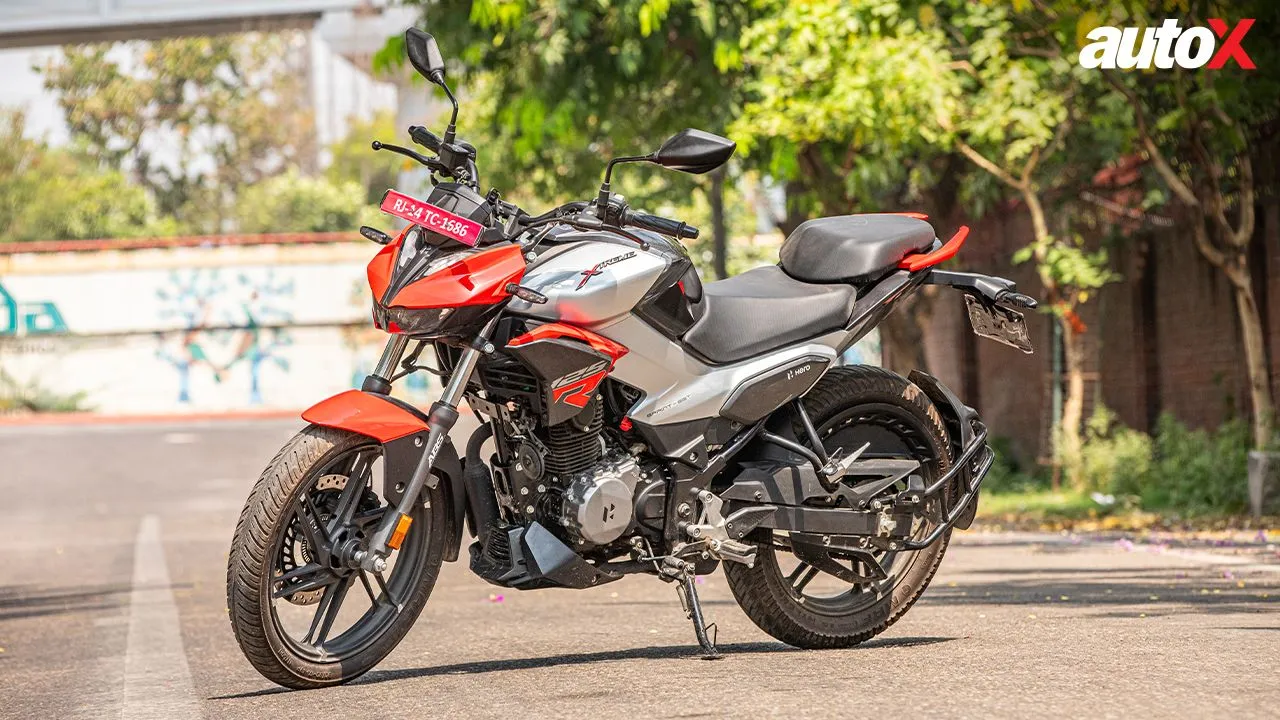
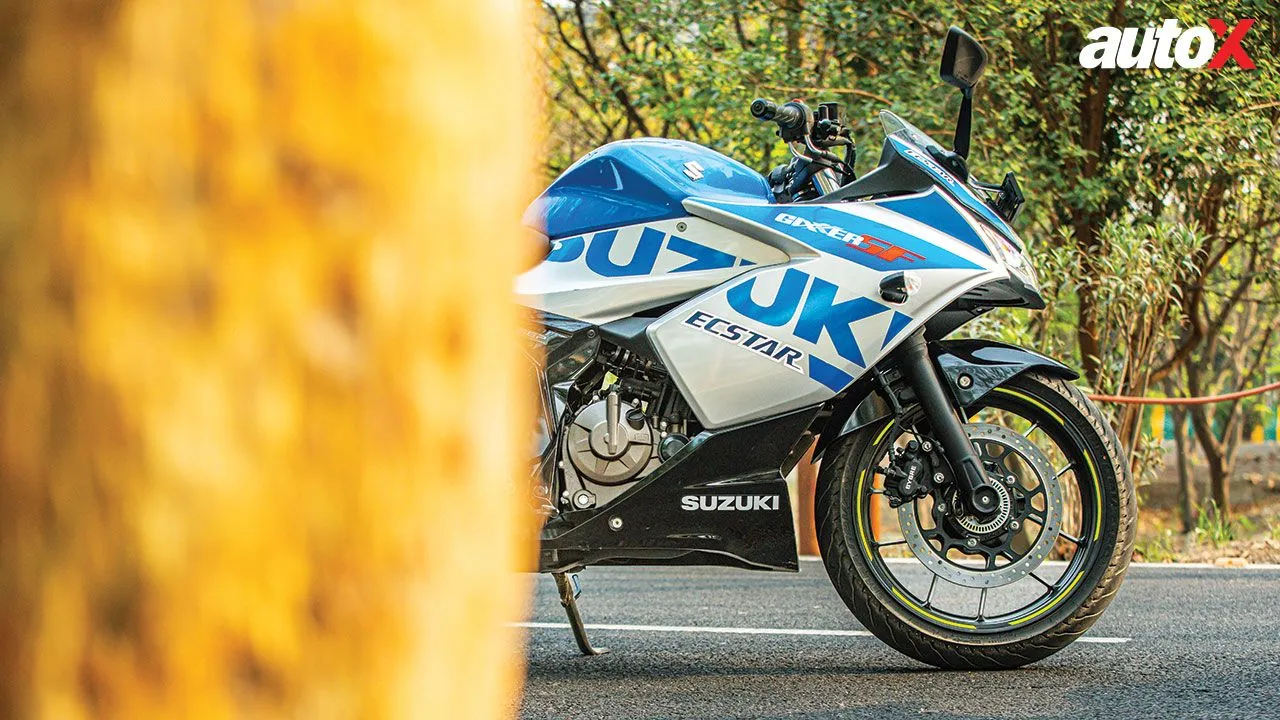
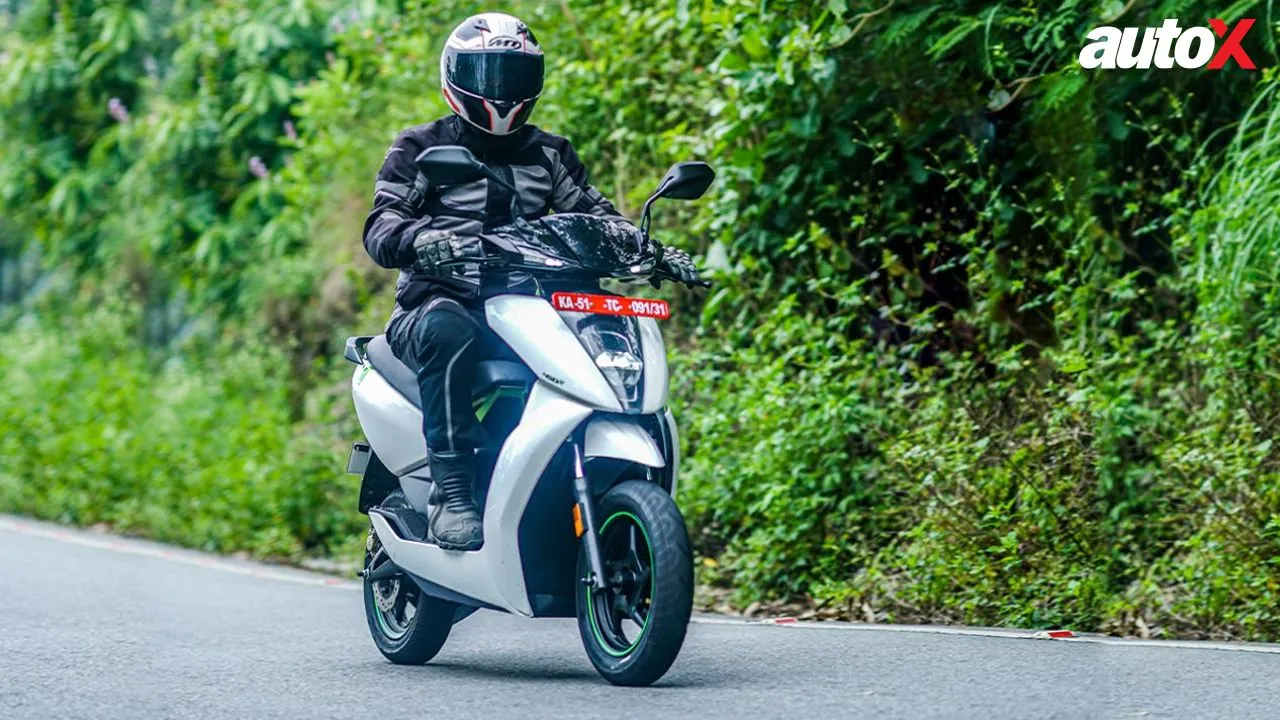
The Ministry of Road Transport and Highways (MoRTH) has announced a new mandate requiring all two-wheelers sold in India to be equipped with an Anti-lock Braking System (ABS) starting in January 2026. By reducing the likelihood of wheel lock and skidding during abrupt braking, the change aims to significantly enhance rider safety. This rule will apply to all engine sizes, a significant change from the current standard that requires ABS only for bikes and scooters with engines larger than 125cc. To meet the new safety regulations, manufacturers will have to revise their pricing and product strategies, particularly for entry-level models. The ministry is expected to issue comprehensive guidelines detailing the technical standards and implementation procedure soon.
What is an Anti-lock Braking System (ABS)?
ABS is a safety feature that helps riders maintain stability and control by preventing wheel lockup during sudden braking. It reduces the risk of skidding or falling, especially on slippery surfaces or in emergency situations.
Also Read: New Rs 3000 FASTag Annual Pass Announced: Here's All You Need to Know
This system will now be standard on all two-wheelers sold in India, even though some manufacturers currently offer it.
The Need for ABS
Nearly 44 per cent of all road accidents in India involve two-wheelers, according to government data, with many of these accidents being caused by riders losing control when braking suddenly. One of the main causes of these collisions is still skidding, which frequently results in severe head injuries. According to research, installing Anti-lock Braking Systems (ABS) on motorcycles can reduce the risk of an accident by up to 35 to 45 per cent.
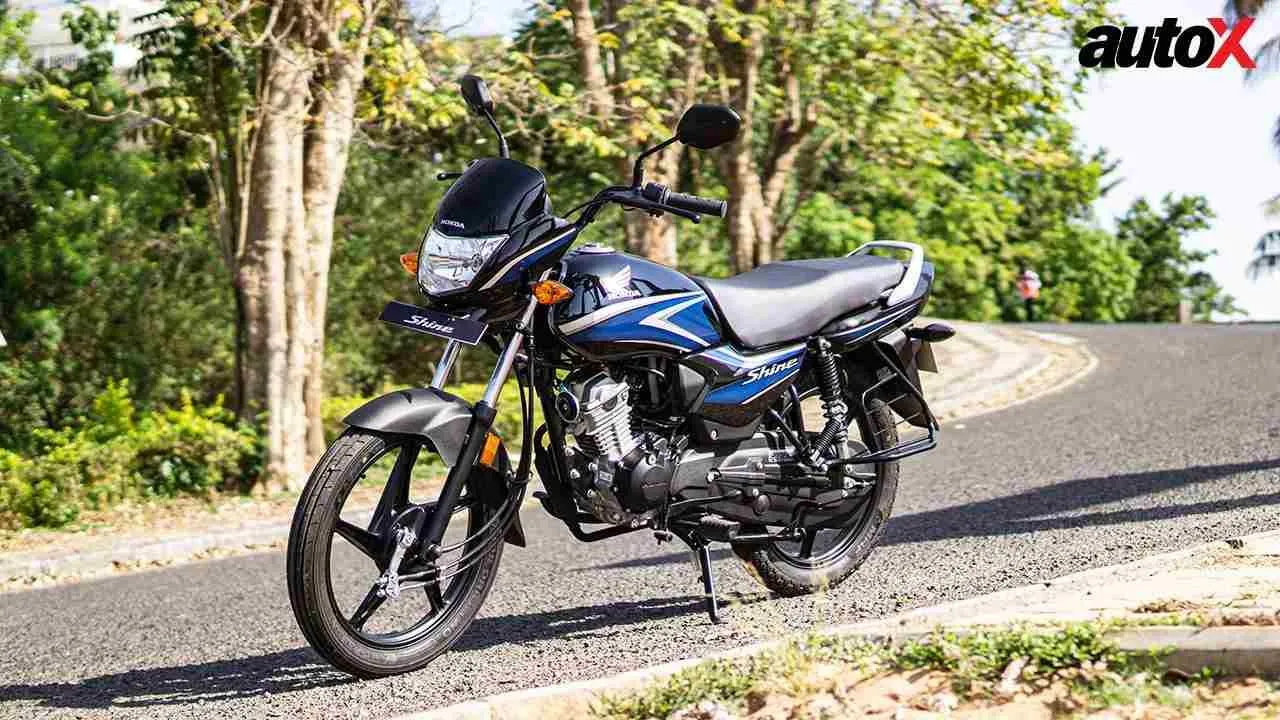
Entry-level motorcycles and scooters are predicted to cost up to Rs 10,000 more now that ABS is required. Major players such as Hero MotoCorp and Honda will be required to update their models to meet the new regulations.
Also Read: TVS Motor Company Names Sudarshan Venu as New Chairman
Additionally, when purchasing a new two-wheeler, buyers will soon be required to receive two BIS-certified helmets – one for the rider and one for the passenger. This marks a change from the current rule, which mandates only one.