No New Petrol 2-Wheelers in Delhi from 2028, Says Draft EV Policy
The Delhi EV Policy 2.0 draft (2026–2030) targets the largest segments of Delhi’s transport system, two-wheelers, which account for around 67% of all vehicles in the capital, with plans to stop new petrol registrations from April 1, 2028.
By Sanorita

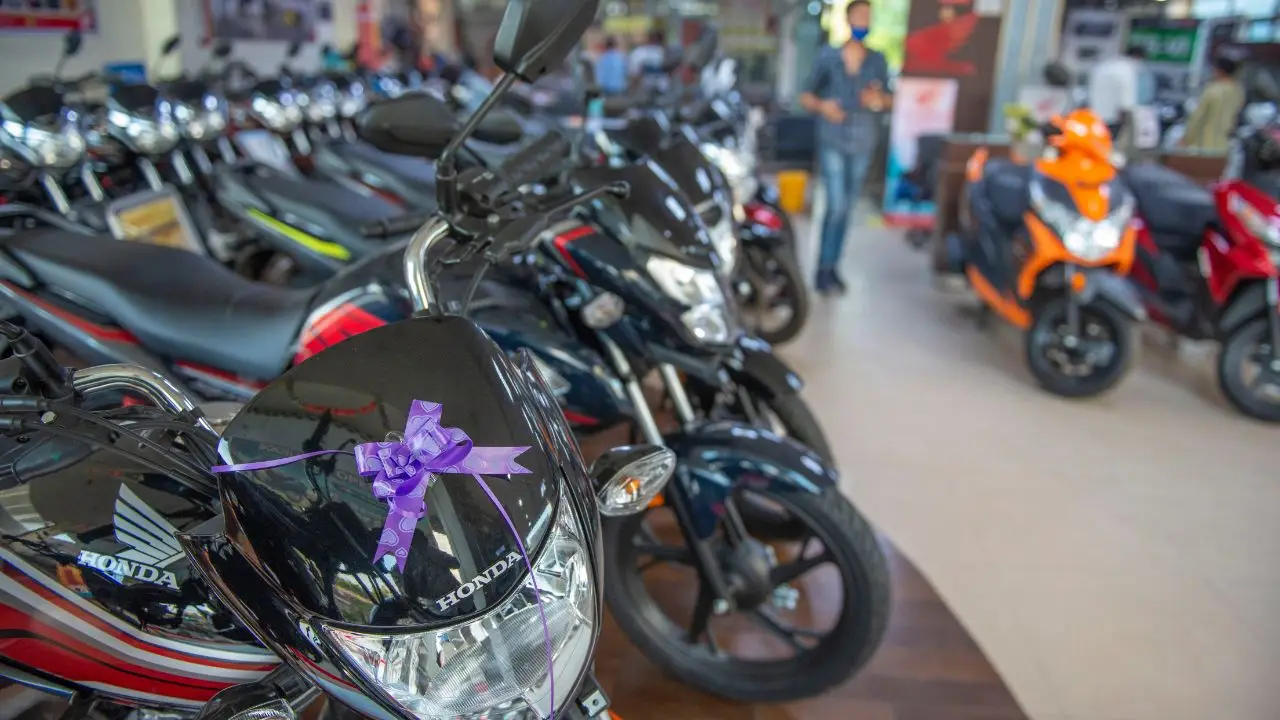
The Delhi EV Policy 2.0 draft (2026–2030) has been released, with some of the key measures to increase the adoption of electric vehicles in the capital. A major focus of the policy is the two-wheeler segment, which is the city’s most widely used mode of transport. The government has proposed a ban on new petrol-powered two-wheeler registrations from April 1, 2028. By targeting the backbone of daily commuting (accounting for nearly 67% of Delhi’s total vehicles), the policy targets EV penetration at large. The transition is expected to have far-reaching implications for buyers, manufacturers, and the overall mobility system in India.
Delhi EV Policy 2.0: Petrol Two-Wheeler Registrations to End from April 2028
While the policy is still at the draft stage, with all stakeholders, including the general public, being invited to submit their feedback within 30 days of its release, the proposal to end registrations of new petrol two-wheelers in Delhi from April 2028 seems to be one of the most aggressive steps towards electrification. Two-wheelers account for approximately 67.7% of Delhi's total vehicle population. They are the primary mode of transport for students and office-goers. By erasing them from the automotive picture, the government is making it clear that improving air quality will require bigger action rather than introducing schemes or subsidies. Unlike earlier policies that focused on gradual targets, the proposed ban on petrol-powered two-wheelers takes a much stricter approach by setting a clear cutoff date, after which new petrol scooters and motorcycles cannot be sold in Delhi. While it is a notable shift in policy direction, it is still not final, and the government may consider introducing a grace period or transition window if the proposal is approved, allowing manufacturers and buyers some time to adjust.
Also Read: Govt, Oil Firms Confirm No Petrol, Diesel Shortage in India
For two-wheeler manufacturers in India, such as Ola, Ather, TVS, Bajaj, and Hero MotoCorp, the proposed ban on petrol two-wheelers could offer significant benefits, helping them focus more on electric vehicles and increase production with better planning. As demand rises, manufacturers can benefit from higher volumes, improved economies of scale, and stronger market positioning in the fast-growing electric segment. Increased investment in battery technology, localisation, and charging infrastructure will not only enhance competitiveness but also reduce costs over time.