Slow EV Sales in India: NITI Aayog Calls for Urgent Reforms and Charging Boost
NITI Aayog urges urgent reforms and charging boosts to accelerate India’s slow EV sales, aiming for 30% EV adoption by 2030 and a sustainable transport future.
By Divyam Dubey

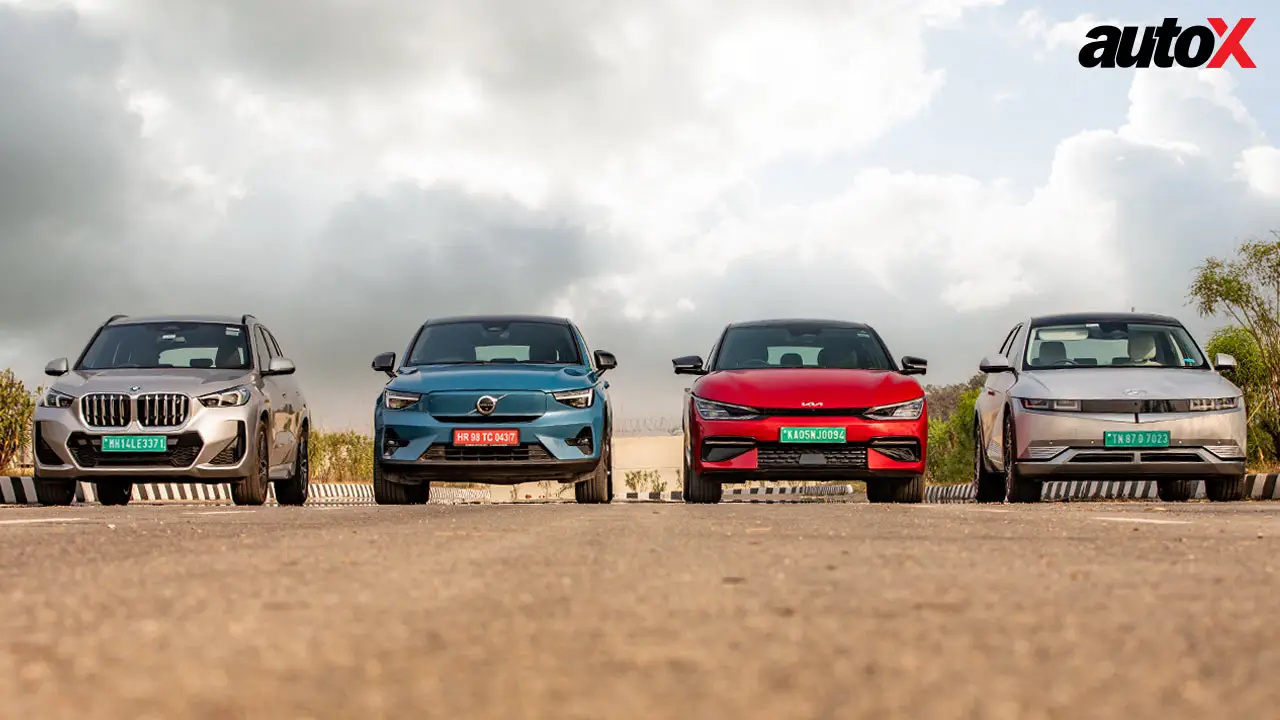
India’s electric vehicle (EV) market is growing, but it is still far from reaching the government’s 2030 target. EV sales have increased from 50,000 units in 2016 to 2.08 million in 2024, now accounting for 7.6% of total vehicle sales. However, the country needs to boost EV adoption by another 22% to meet the 30% target by 2030. While India is ahead in electric two-wheeler and three-wheeler sales, it lags behind in electric cars, buses, and trucks when compared to China, the European Union, and the United States.
A recent NITI Aayog report highlights key challenges in India’s electric mobility transition. Financial hurdles for commercial EVs, limited public EV charging stations, and low consumer awareness remain major barriers. The report also flags data issues, such as gaps in the VAHAN portal and the absence of a battery tracking system. These gaps hinder EV policy planning, subsidy implementation, battery resale, and recycling efforts, slowing down the creation of a circular EV ecosystem in India.
Also Read: Honda N-One e: Debuts with 63bhp Electric Powertrain and Boxy Design
To accelerate electric vehicle growth, NITI Aayog suggests policy reforms. It recommends shifting from EV subsidies to regulatory tools like Zero Emission Vehicle (ZEV) mandates and penalties for ICE vehicle production. A geographic saturation approach is proposed, starting with public and freight EV adoption in five cities over five years. Financial strategies like blended funds, EV leasing, and priority sector loans can help small fleet operators shift to electric mobility more easily.
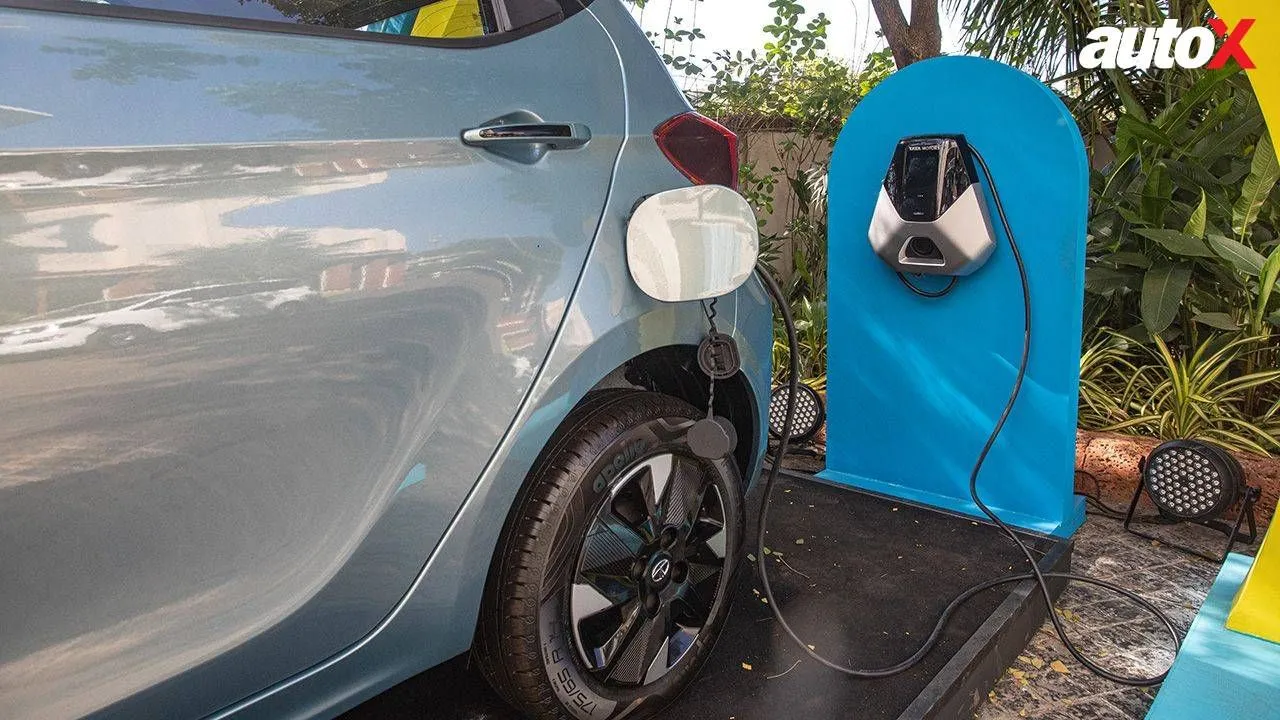
Although India now has over 25,000 public EV charging stations, the infrastructure still falls short of demand. Charging station availability varies across states. To solve this, the Ministry of Power has issued new guidelines for a connected and interoperable charging network. The PM E-DRIVE scheme, with a Rs 10,900 crore budget, is also expected to boost EV charging infrastructure and nationwide adoption.
Also Read: BYD Atto 2 Electric SUV Spied Testing in India; Is it the Brand’s Next Big Bet?
Faster EV policy action is essential for India to meet its 2030 electric vehicle goals. NITI Aayog calls for improved EV regulations, data systems, financial support, and better charging access. With coordinated efforts, India can reduce oil dependence, lower emissions, and unlock a Rs 200,000 crore electric mobility opportunity, helping the country transition to sustainable transport.