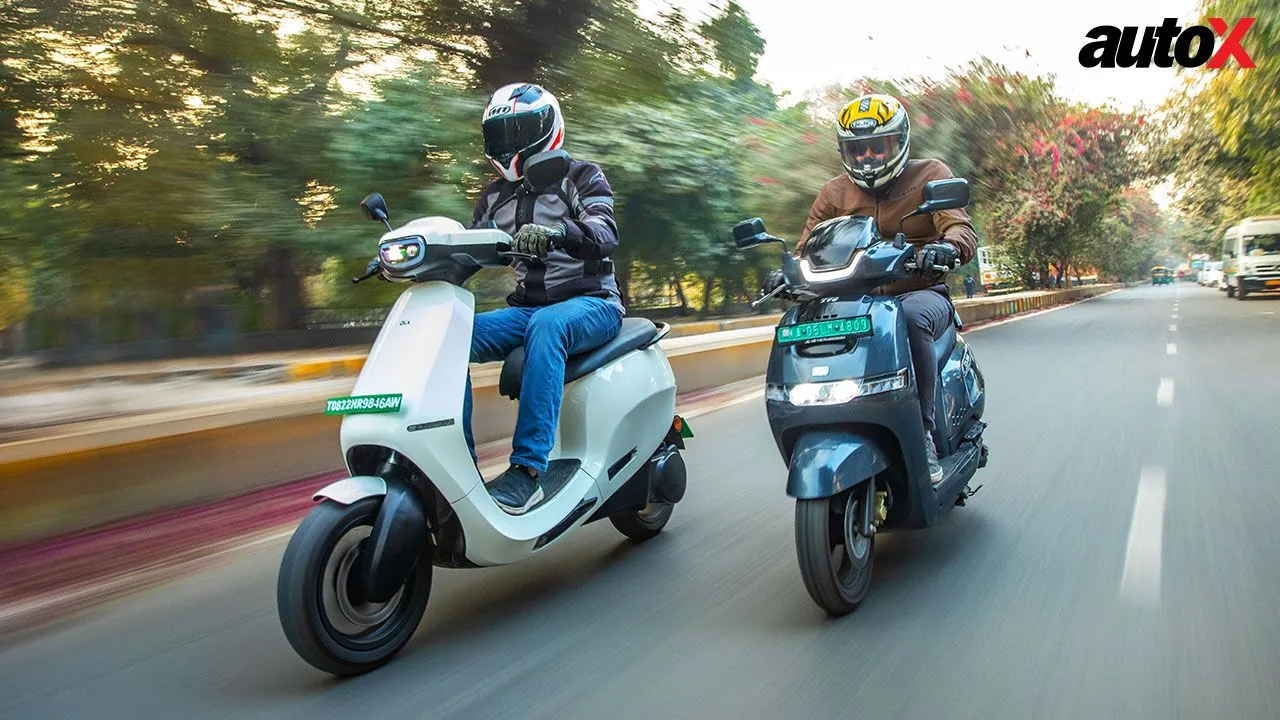
Top 5 Best-selling Electric Two-Wheeler Brands in January 2026 – TVS, Bajaj, Ola, and More
TVS emerged as the best-selling brand in January 2026. Bajaj and Ather followed closely, securing the second and third spots. Here’s a closer look at the top 5 best-selling electric two-wheeler brands in January 2026.
By Sanorita

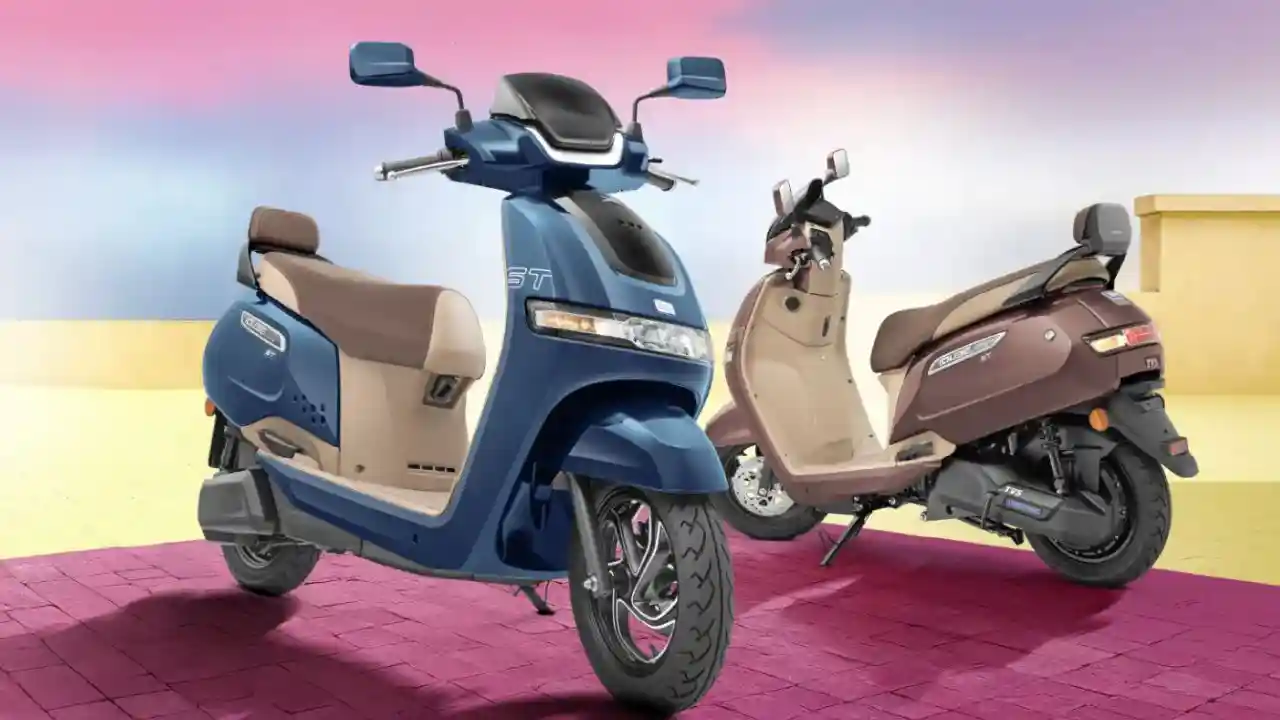
TVS emerged as the best-selling brand in January 2026. Bajaj and Ather followed closely, securing the second and third spots. As demand for electric scooters and bikes continues to rise, these brands are setting the pace in a fast-changing market. Here’s a closer look at the top 5 best-selling electric two-wheeler brands in January and their influence on the market share.
TVS
TVS reported selling 34,558 EVs in January 2026, compared to 24,028 EVs during the same month last year. This translated to a robust 43.82% increase. The brand had the largest market share of 28.14%. The company's emphasis on innovation and a growing range of EV offerings appears to be helping strengthen its appeal in India's rapidly expanding electric two-wheeler market.
Bajaj
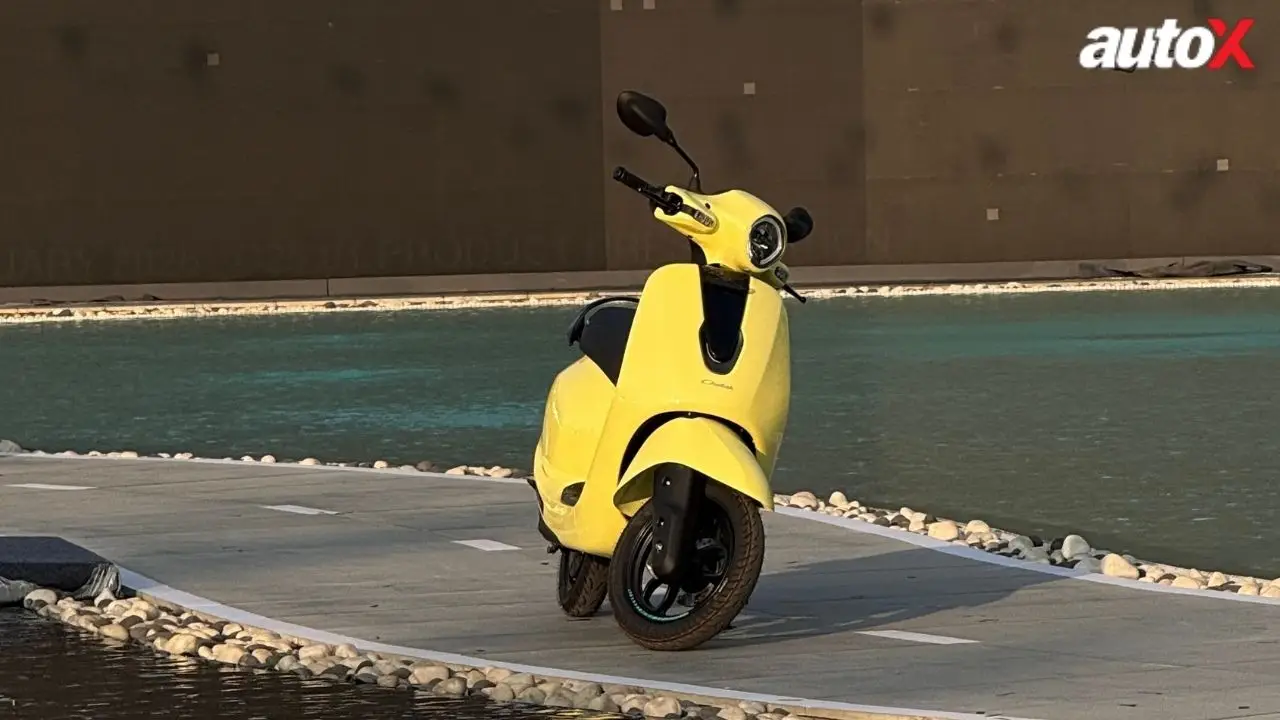
Bajaj secured the second spot with 25,598 electric 2Ws sold, showing a steady 19.23% year-on-year growth. For reference, the Chetak manufacturer sold 21,470 EVs in January of last year.
Also Read: Top 5 Royal Enfield Bikes Perfect for Women Riders
With a 20.84% market share, Bajaj’s consistent performance is driven by its trusted brand reputation and expanding electric portfolio.
Ather

Ather posted sales of 21,999 units last month, representing an increase of 67.97% from the previous year, when it sold 13,097 EVs.
With a 17.91% market share, Ather is narrowing the gap with bigger players by offering premium, feature-loaded scooters and expanding its charging infrastructure.
Hero MotoCorp

Hero MotoCorp, through its EV brand Vida, recorded a whopping growth of 718.08% year-on-year in January this year, selling 13,302 units and capturing 10.83% of the market. This remarkable rise highlights Hero’s aggressive foray into the electric two-wheeler segment, backed by its extensive distribution network and strong brand reputation.
Ola

Ola Electric sold 7,516 units in January 2026, but this represents a sharp 69.21% drop compared to the same month last year. Despite holding a 6.12% market share, Ola’s decline highlights challenges such as supply constraints, increased competition, or shifting buyer preferences.