Upcoming Satellite-based Toll System in India Explained: Here's How It Will Work
Different charging techniques, including time-based, congestion-based, and distance-based toll collection, could be employed by the upcoming GNSS-based system.
By Reetika Bhatt

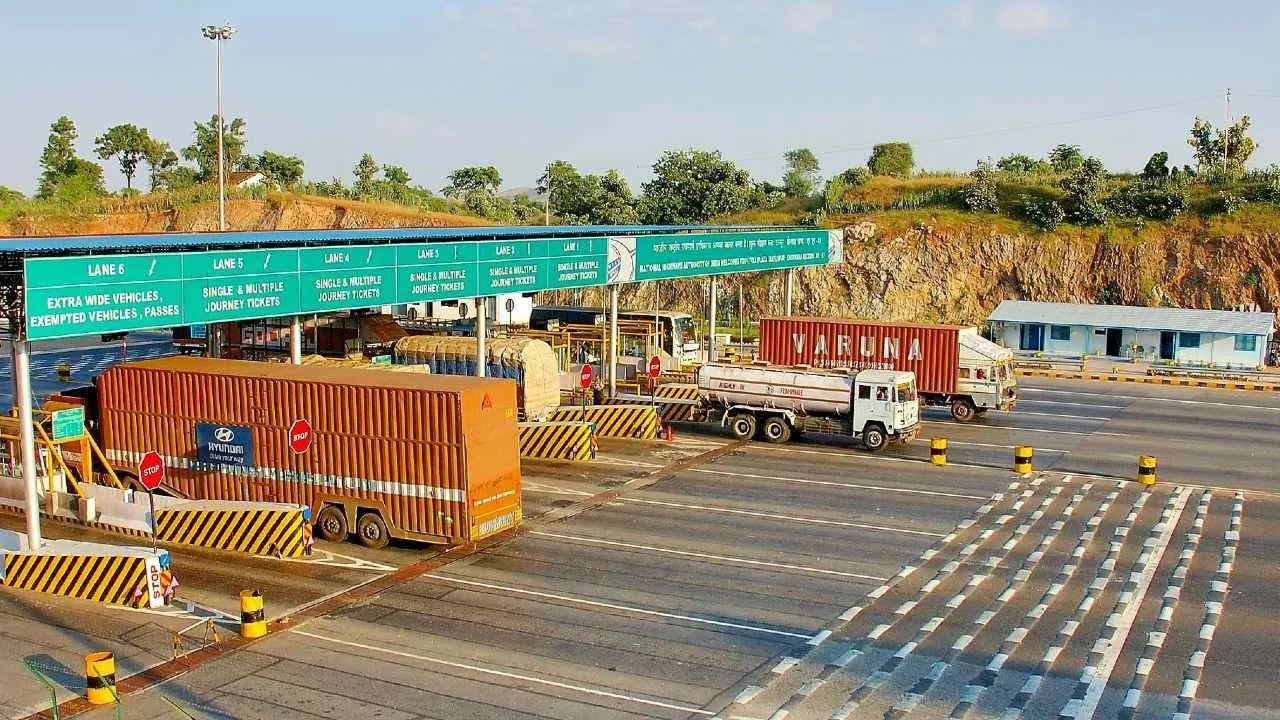
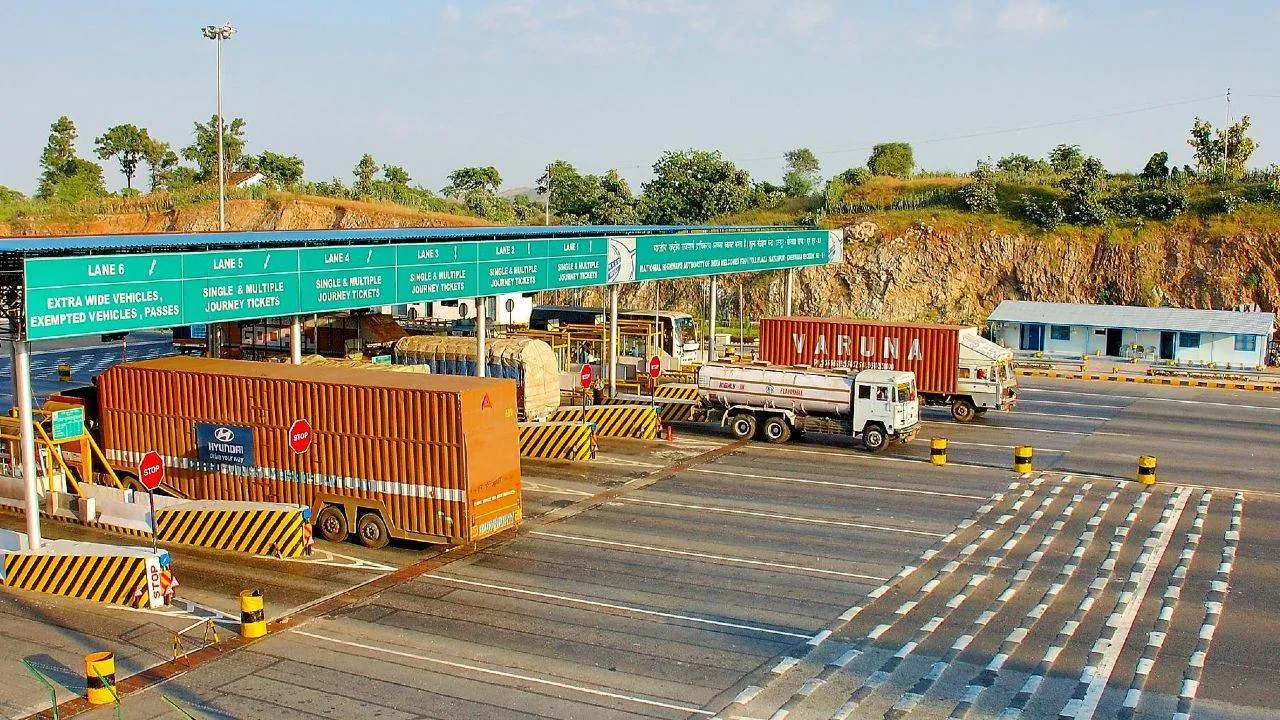
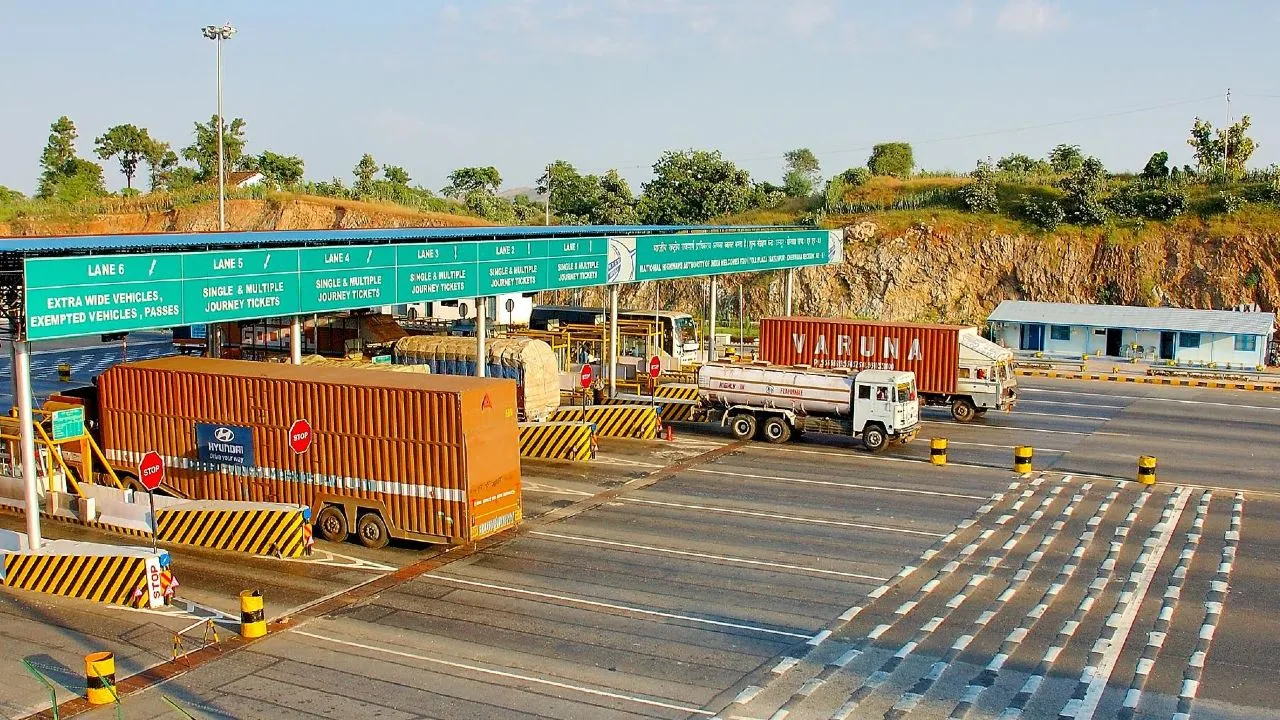
According to the Central Government and its agencies, India is planning to adopt a more efficient and seamless toll collection system. A few months ago, Nitin Gadkari, the Union Minister for Road Transport and Highways, announced that India would soon have a satellite-based toll collection system. This would be an advancement over the country's present FASTag-based toll collection system. The commuting experience on Indian roadways is expected to improve with this new system, which will charge cars based on the distance travelled.
The National Highways Authority of India (NHAI)-backed Indian Highways Management Company Limited (IHMCL) has extended a request for Global Expressions of Interest (EOI) to capable companies to design and develop a GNSS-based Electronic Toll Collection (ETC) system in India for a smooth and barrier-free toll experience on National Highways. The technology is already used by European countries like Slovakia, Germany, and Russia to facilitate travel on their roadways. In several other nations, this system extends across thousands of kilometres. Here's everything you should know.
Also Read: Driving Tests Not Mandatory at RTOs: New Driving License Rules in India from June 1
GNSS-based Toll Collection System: How Will it Work?
The GNSS-based electronic toll collection system will be incorporated by NHAI into the present FASTag technology. This means that in addition to the current Radio Frequency Identification (RFID) method employed in FASTag, GNSS implementation will utilise a hybrid model. Virtual toll booths will be used by this technology to track vehicles as they enter and exit highways. The GNSS-enabled vehicles will be able to interact with virtual gantries placed along the tolled portion of the road network, eliminating the need for physical gantries. The virtual gantries will collect important vehicle information such as the registration number, vehicle type, and bank account details.
The new system is designed to automatically collect tolls from vehicles passing via virtual toll booths and deduct a specified amount from the user's bank account. Vehicles using the technology will be able to pass through the toll plazas more easily, thanks to the dedicated GNSS lanes.
GNSS-based Toll Collection System: How Will it Benefit the Users?
Different charging techniques, including time-based, congestion-based, and distance-based toll collection, could be employed by the upcoming GNSS-based system. In comparison to conventional toll plazas, the technology will guarantee fewer roadside infrastructure needs, which will save money and make maintenance simpler.
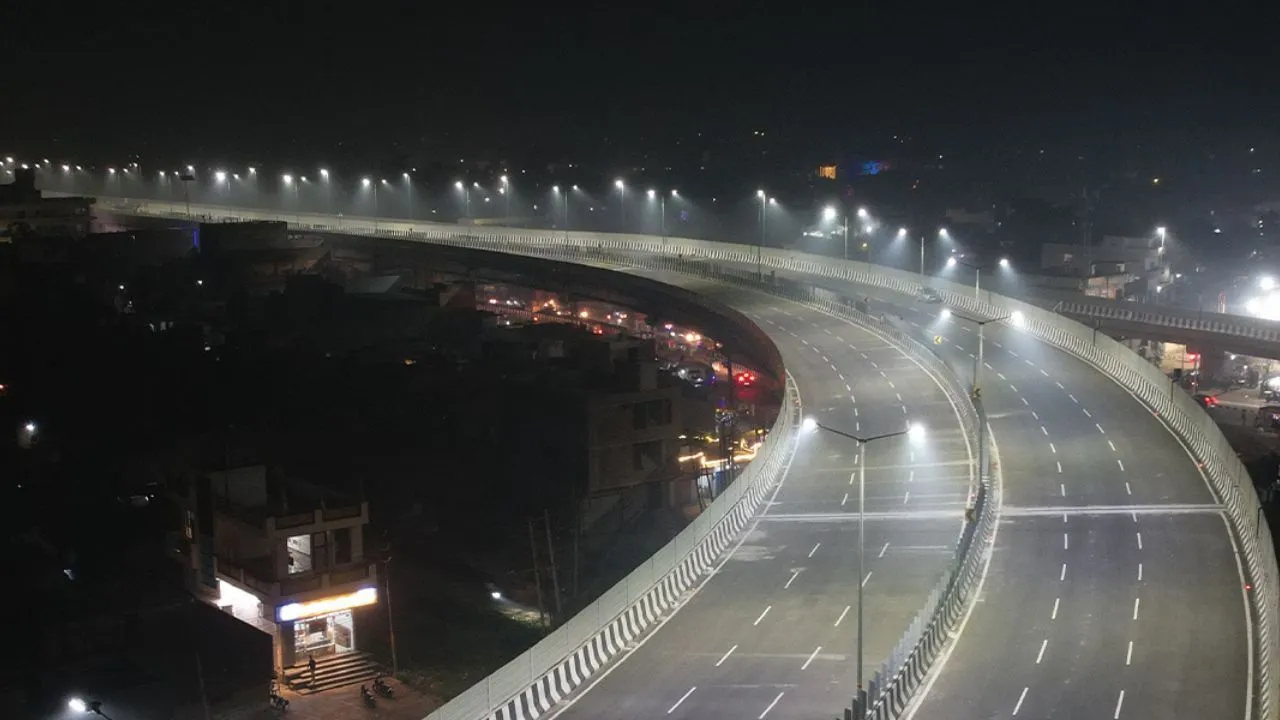
A scalable approach that may be extended to cover larger road networks without requiring infrastructure investment is touted to be the highlight of the GNSS-based toll collection system. The GNSS-based system will allow cars to travel on highways and expressways without stopping or slowing down, reducing traffic congestion and improving commuter experiences.
Also Read: MG India, HPCL Join Hands to Enhance EV Charging Network Across India
GNSS-based Toll Collection System: The Other Side
Although the system is significantly more sophisticated than the FasTAG, there are still certain issues that need to be resolved. For example, in areas with inconsistent signals, the system may not be able to gather reliable data. These issues can be problematic in rural areas or places with difficult topography. In addition, there is also the issue of users' privacy concerns.
The NHAI presently collects tolls worth Rs 40,000 crore. As India moves towards the upcoming smart toll collection system, it is expected that this amount will rise to Rs 1.40 trillion in the following two to three years.