Volvo Car Prices in India to Increase by up to Rs 1 Lakh From May 2026
Volvo has confirmed that the prices of its cars, including the EX30 and the XC90, will increase by up to Rs 1 lakh from May 1, 2026.
By Sanorita


Volvo has become the most recent carmaker in India to announce that prices of its cars will increase by up to Rs 1 lakh from May 1, 2026. The upcoming price revision, in line with similar moves by several other automakers, has been attributed to ongoing global supply-chain challenges and fluctuations in foreign exchange rates. According to Volvo, the price hike is necessary to ensure it continues to deliver the premium safety and luxury experience expected by its buyers. It also indicated that if the current geopolitical and economic conditions persist, additional price adjustments may be considered in the future. Currently, Volvo offers four models in India, including two electrics, the EC40 and the EX30.
Here's a list of existing Volvo Car Prices in India:
| Model | Prices (ex-showroom) |
| EX30 | Rs 41 lakh |
| EC40 | Rs 59 lakh |
| XC60 | Rs 68.90 lakh |
| XC90 | Rs 97.80 lakh |
The flagship models, such as the XC90 and the XC60, are most likely to see the largest price hike, close to the full Rs 1 lakh mark, owing to their premium positioning. On the other hand, the EX30 and the EC40 may see a milder revision in the range of Rs 50,000 to Rs 80,000, to retain their competitive advantage. That said, the final quantum of the hike will depend on variant-wise strategy and market demand, but the top-end offerings are likely to absorb the biggest hike.
Upcoming Price Hikes in India
Following a round of price hikes in April by carmakers such as Tata Motors, BMW, Audi, and Mercedes-Benz, more brands are now lining up revisions for May. BYD is said to increase prices of its models by up to 2–3%, depending on the model, while Hyundai Motor India is set to implement a hike of up to 1%.
Also Read: Hyundai Car Prices in India to Increase by up to 1% from May 2026
The ongoing trend of price corrections remains a common strategy among automakers in India to counter rising input costs, currency fluctuations, and broader economic pressures. It will be interesting to see how these price hikes impact demand and the overall positioning of models in a highly competitive market.
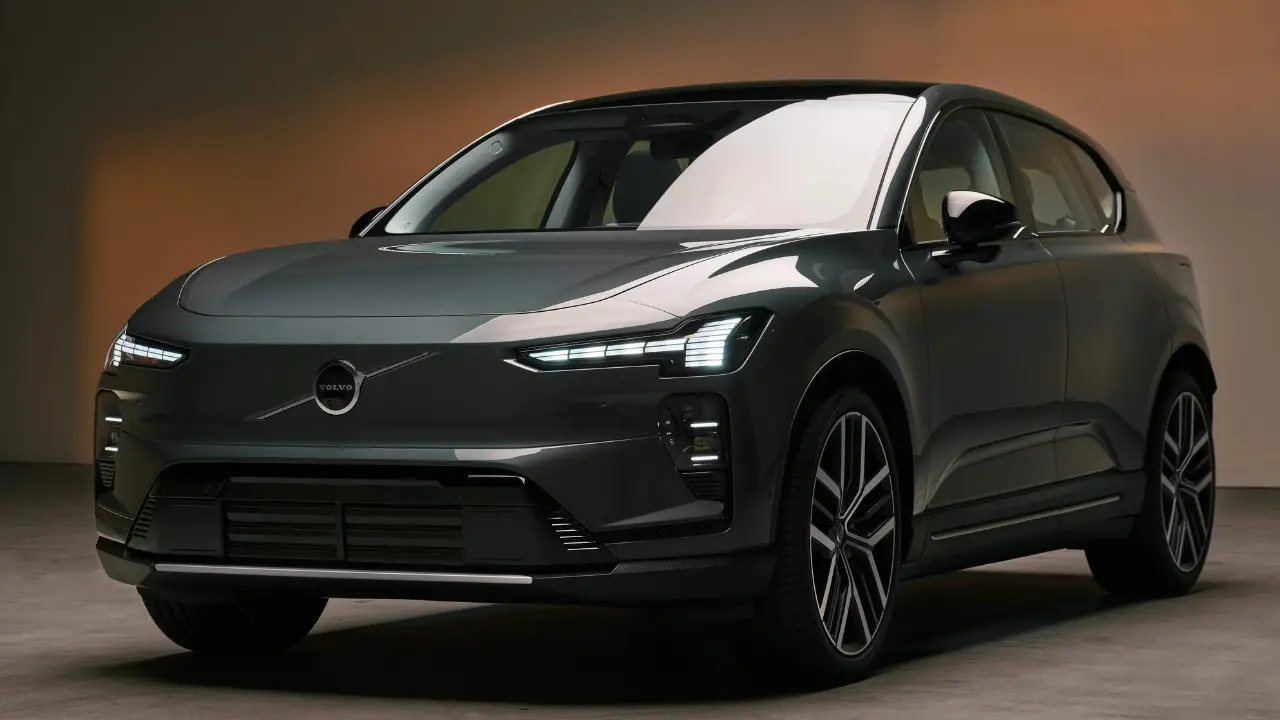


-1758801388315.webp "2026 Volvo EX90 Upgrades to 800-Volt System for Faster Charging")


