F1 has beaten the pandemic – but at what cost?
It may not be entirely obvious at first sight, but the previous year has been a truly remarkable one for Formula 1. Because not only has F1 led the way in keeping the sport going during the global pandemic but it has also beaten all the previous records in relation to the number of races.
By Joe Saward

By the start of July, F1 will have completed a total of 26 races in 12 months, 17 last year and 9 in 2021. Clearly, then, F1 has beaten the pandemic – but at what cost?
It may not be entirely obvious at first sight, but the previous year has been a truly remarkable one for Formula 1. Why? Because not only has F1 led the way in keeping the sport going during the global pandemic while maintaining the safety of those taking part and the countries visited, but it has also beaten all the previous records in relation to the number of races. Much has been made of the 23-race calendar that was announced for 2021, but when you look at the sport you realise that, by the start of July, F1 will have completed a total of 26 races in 12 months, 17 last year and nine in 2021.
This is by far the highest number of races ever done in a year, and F1 has achieved a remarkable record in keeping infections low – although there are some anomalies, notably the high incidence of infection among F1 drivers. This means that most governments have confidence that the sport can take place without spreading the virus and arrangements can be made to allow the races to go ahead – even if the bureaucracy involved can be very complex and difficult. The biggest problem for Formula 1 is not keeping up interest, which is growing at present, largely thanks to the Netflix Series ‘Drive to Survive,’ but rather in retaining its staff. Achieving this extraordinary number of races during the pandemic has meant that many of those involved (depending on where they live) have spent much of their lives in quarantine because they cannot just live normal lives when they return home between races.
In Britain, where many of the F1 people live, there is an exemption from quarantine for those who are actively involved in the sport, although what people are allowed to do is still very restricted. It’s worse for others without an exemption, as they have to stay at home and are checked on a daily basis by the government. And often they leave quarantine to go to the next race before they have even finished their period being isolated from the world. The same happens in some other European countries, notably Italy and Switzerland. Those who originate from places like Australia, where there are severe restrictions, are forced to stay in government-run hotels for a fixed period of time, without exception. So – for example – F1 Race Director Michael Masi, F1 driver-turned-TV pundit Mark Webber and rising star Oscar Piastri all went home from Abu Dhabi at the end of the 2020 season and spent their Christmases in quarantine, away from their families.
This sort of thing grinds down the morale of even the strongest of wills and it is inevitable that some F1 long-termers have had enough and are deciding to leave the sport. It may not be a massive problem, because there is never a shortage of people who want to be involved in F1, but these days the trend is for people to stay for less time than previously. They want to experience the sport, but not to stick around in it for years on end.
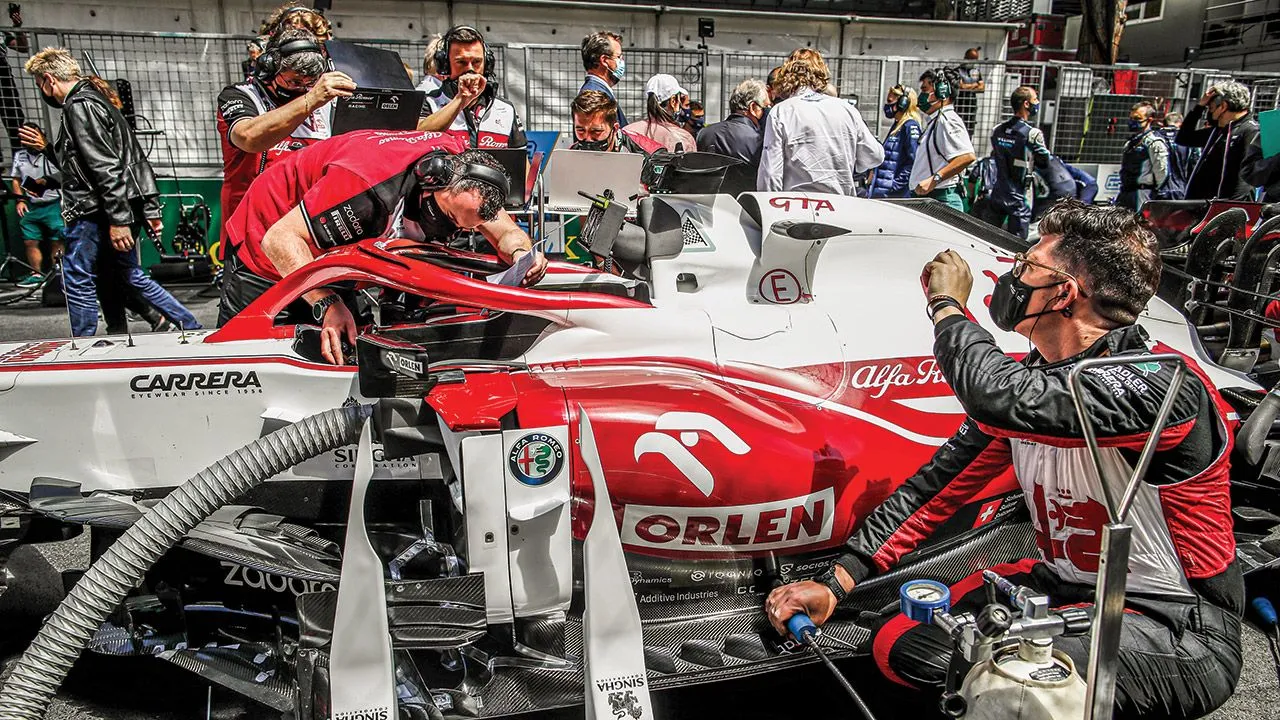
One could argue that this is a good thing because there is a constant turnover of people and that means new ideas, but there are still many engineers who aren’t really interested in going back into mainstream engineering because things happen too slowly for them. F1 provides a challenge that is tested every 10 days (or so). Meanwhile, they would have to wait for years to see something they’ve designed or developed appear on a road car or a plane. In engineering terms, F1 is exciting and this year, in particular, is more interesting than most, because, while racing the 2021 cars (which are largely the same as in 2020, with some important aerodynamic changes and a few engine developments), the teams are also working on the design and development of completely new cars for 2022. If all goes to plan – and we can only hope – the new cars will be both more dramatic to look at and will make overtaking easier. Simulations indicate a big improvement in overtaking potential.
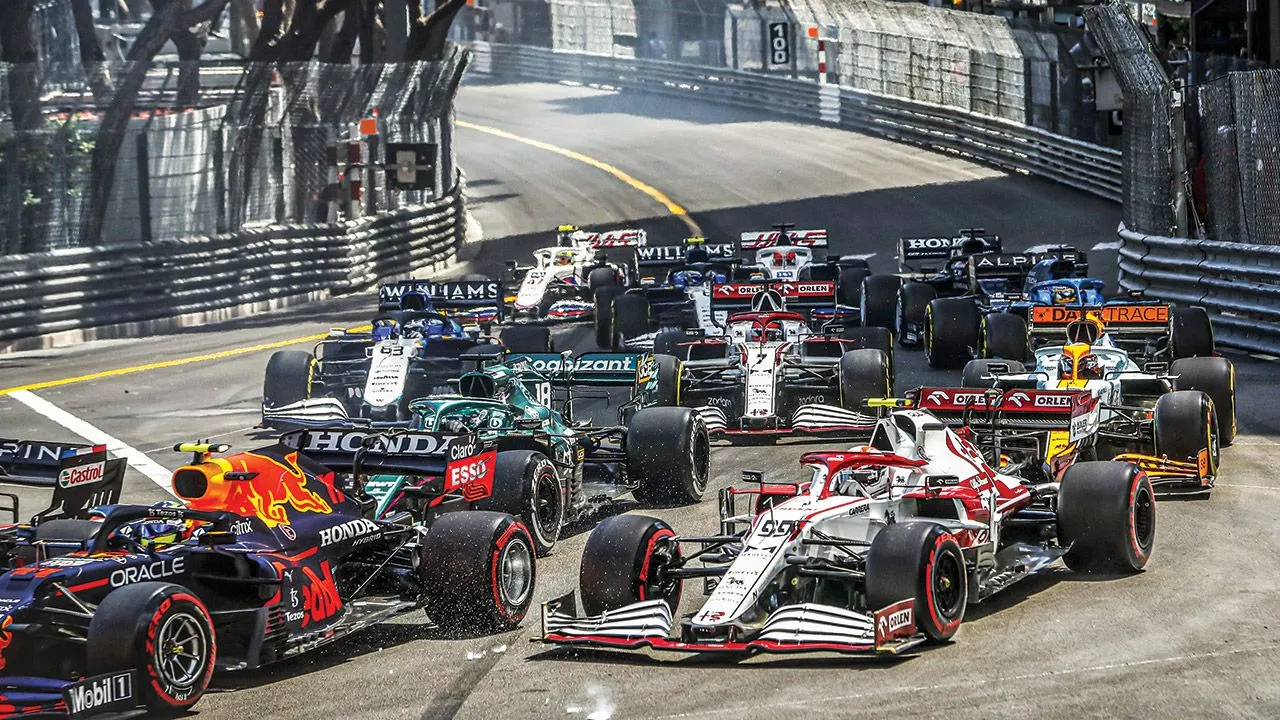
The recent Monaco Grand Prix was a dull affair because no one could overtake and, while that is not unusual on the streets of the Principality, it is clear that the 2021 cars are part of the current problem. There are things that could be changed on the track itself, but it needs careful studying before changes are made. In the modern age, however, the simulation tools are getting better and better, and so perhaps such things will allow changes to be made only if they are proven to work. If that is the case, F1 will no longer need to make educated guesses about circuit design – and that will improve the show.
But, having said that, we have been talking about simulation technologies taking over wind tunnels for more than a decade, and although computational fluid dynamics has improved enormously, teams still need their wind tunnels. When you stop and think about it, a wind tunnel is a daft thing. They cost $40 million to construct and in reality, they are just very big tools that eat electricity. And teams these days are only allowed to use them on a very limited basis, and can only build models up to 60 per cent in scale. All of this means that they make no sense at all, and it would be better for F1 to be forced to work more on the development of CFD technology than continuing with technology that isn’t really going to change the world...
But, as F1 has proved in the pandemic, such challenges can be overcome. It’s just a matter of energy, ambition and clever thinking.
Joe Saward has been covering Formula 1 full-time for over 30 years. He has not missed a race since 1988.
Read more: