Yamaha XSR 155 Review - Old Soul, New Suit
On paper, it seems like the most approachable way to enjoy Yamaha’s excellent 155cc motor — but does the XSR 155 deliver beyond the spec sheet?
By Aakash S Paul
Photography By Sunil Chauhan
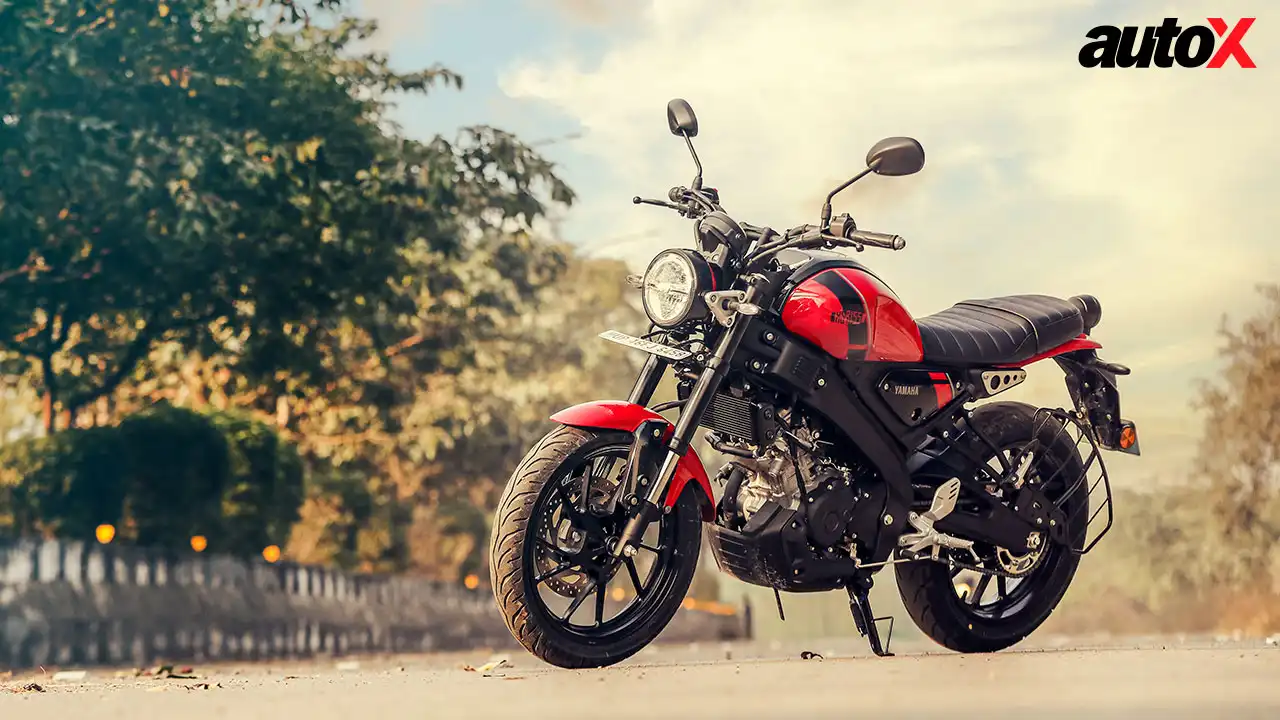
Yamaha’s 155cc liquid-cooled engine needs no introduction. We’ve already seen it in the much-loved R15 and the MT-15. Now, Yamaha has equipped the same motor in a new, dapper attire, and the result is the XSR 155. The idea behind it is rather simple – take a proven, rev-happy engine and drape it in a modern-retro package that also promises comfort and everyday usability. On paper, it’s an attractive combination – one that seems to be more accessible, both in terms of usability and price. Spend some time with the bike, though, and it becomes clear that while the ingredients are spot on, the final dish is not entirely free of compromises.
Yamaha XSR 155 Design & Styling: Modern-Retro Done Right
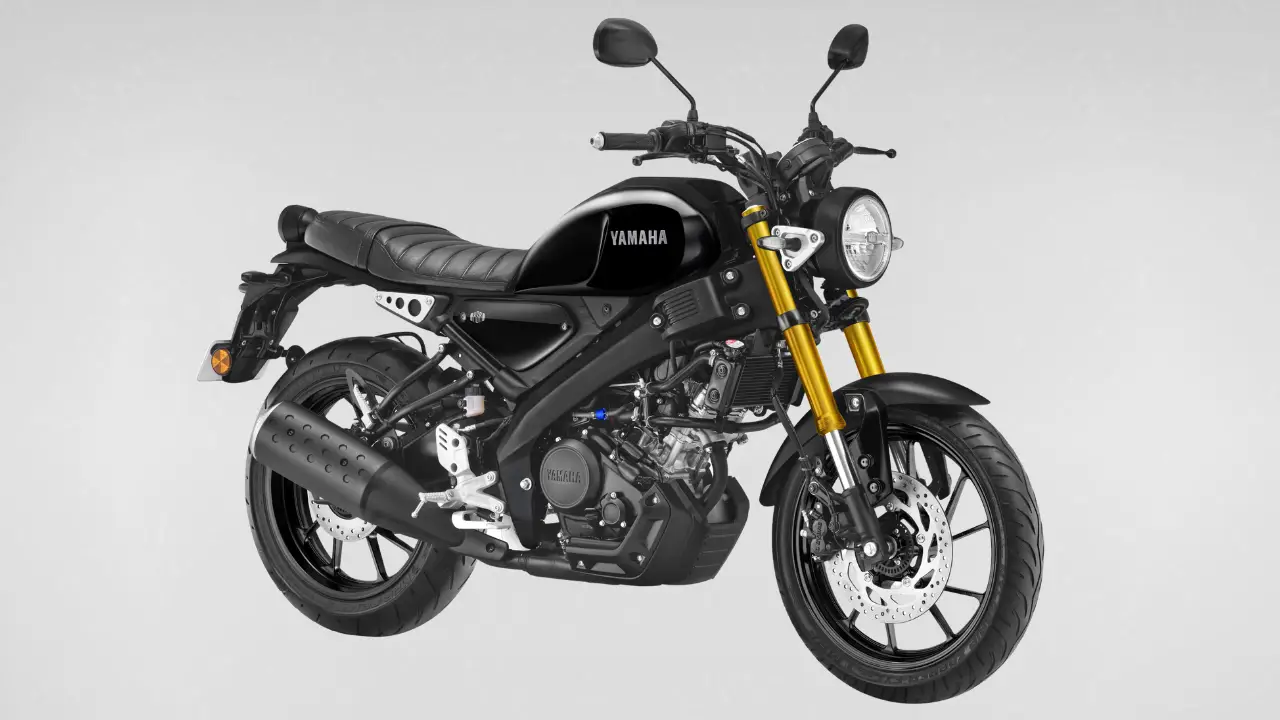
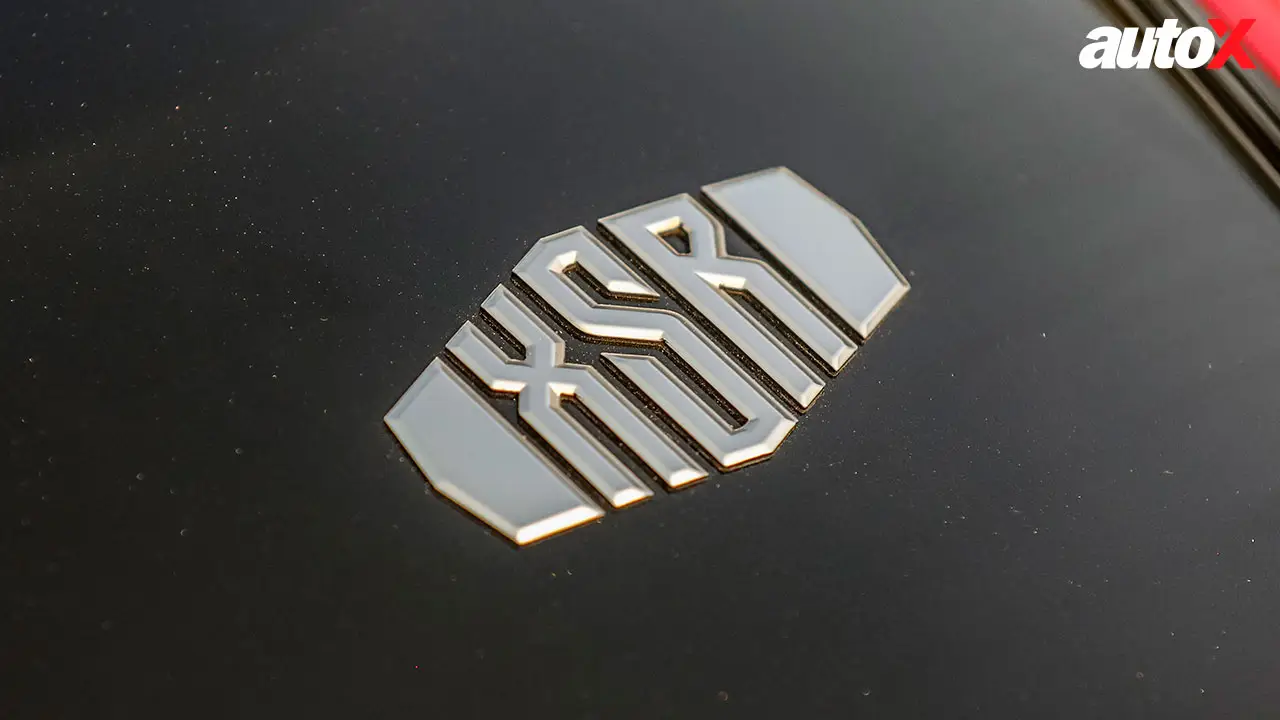
Visually, Yamaha has simply nailed the brief. The design is clean, tasteful, and well-finished, with just the right mix of old-school cues and modern elements. The LED lighting, aluminium footpegs, and circular digital instrument cluster blend in beautifully, and the overall quality feels premium. Small details, like the little XSR motif on the fuel tank and inside the headlight, add character and reinforce the feeling that it’s a thoughtfully designed motorcycle with great attention to detail.
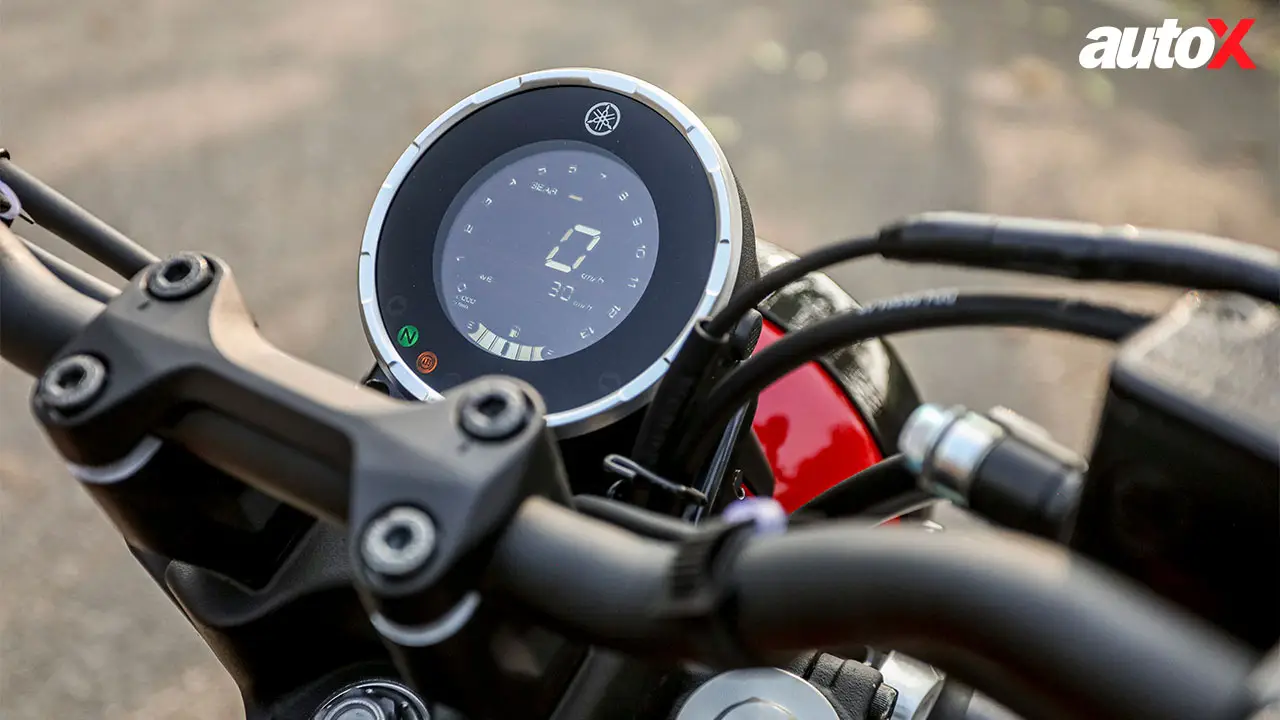
The quality of switchgear is good, and the quirky placement of controls on either side of the instrument cluster is quite clever – something that I personally like. These buttons allow you to navigate through the menu and reset certain data. The single pod LCD instrument cluster keeps things refreshingly simple and effective – it’s easy to read, neatly laid out, and free of unnecessary visual noise. That said, the placement of the horn switch is frustrating. It sits between the indicator and the light switch, forcing you to glance down to locate it – something that you shouldn’t have to do in traffic.
In terms of proportion, the bike looks a bit compact, but that works to its advantage. It feels unintimidating and approachable, especially for newer riders. Taller riders – those over six feet – may find it a bit snug, but the footpeg position is not as cramped as that of the MT-15. Now, while I usually avoid discussing accessories, here I must. Yamaha offers a range of add-ons that can transform the XSR into either a scrambler or a cafe racer. For those who like their bikes with a little visual flair, the XSR clearly ticks the right boxes.
Yamaha XSR 155 Engine Performance & Refinement: Familiar, Yet Flawed
Now, coming to the 155cc liquid-cooled engine – on paper, it produces the same output as the R15, but out on the road, the bike does not feel as impressive. Yes, it’s decently fast, and even with a pillion passenger on board, you can get through the city without a hiccup. However, it lacks top-end performance, something you notice more clearly on the highway or when chasing speed.
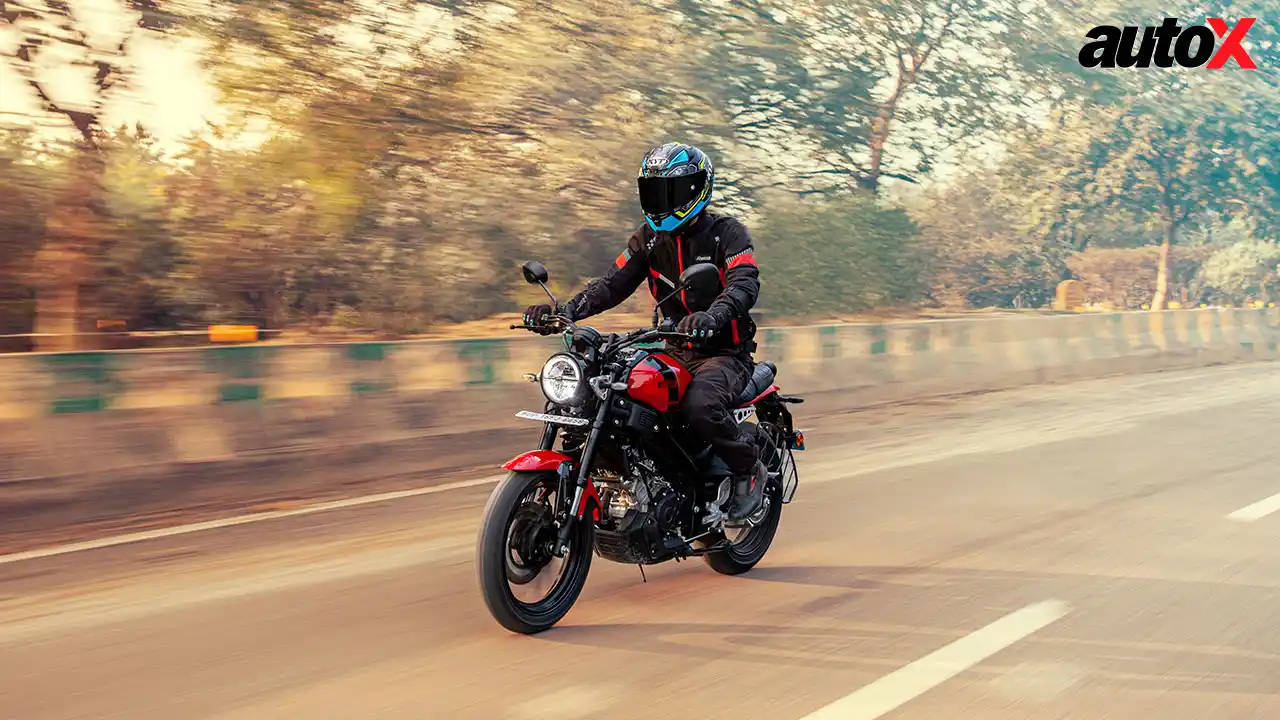
Push the bike harder, and the shortcomings in terms of refinement become quite evident. Once you cross 4,500rpm, vibrations start creeping in through the handlebars and footpegs. The mirrors, too, begin to buzz to the point where they are barely usable. Considering how smooth and engaging the same engine feels in the other bikes, its performance here is quite disappointing.
The exhaust note also fails to match the bike’s visual promise. It lacks the bass and character you expect from a modern-retro motorcycle. Fuel efficiency, however, is a strong point. This is one trait that has carried over from the R15 and the MT-15, with real-world figures hovering between 50 and 55km/l in city traffic. This makes the XSR an easy and economical daily companion.
Yamaha XSR 155 Ride Comfort, Ergonomics & Everyday Usability
At just 137kg, the bike feels featherlight, making it a breeze in city traffic, easy to manoeuvre at parking speeds, and generally stress-free to live with. The mirrors are large, well-positioned, and actually useful most of the times – a rarity in this segment. However, comfort is a sore point. The tuck-and-roll seat looks the part but feels rock hard. A few kilometres on the saddle, and you’ll find yourself shifting around just to stay comfortable.
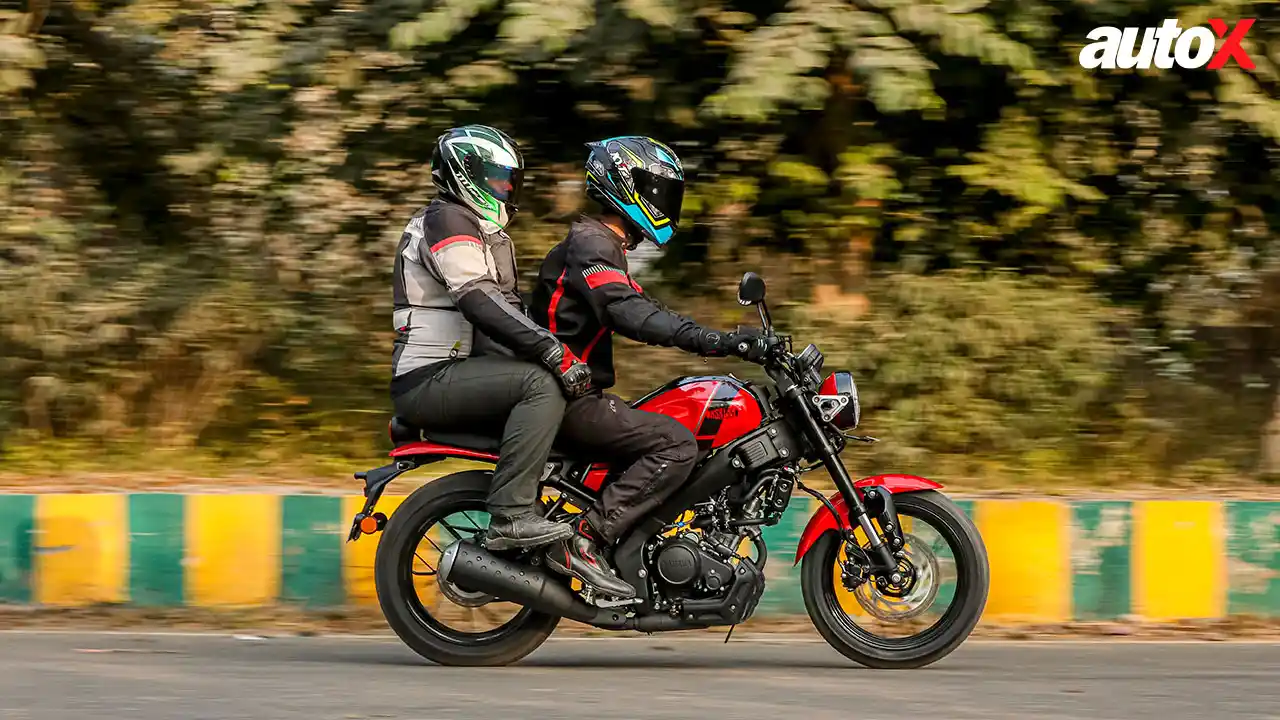
While the flat seat doesn’t allow the pillion passenger to tower over the rider, it’s not very spacious. The rear suspension feels overly stiff, especially for lighter riders, and the front brake lacks bite despite the hardware on offer.
Yamaha XSR 155 Price, Rivals & Verdict: Where the XSR 155 Stands
Pricing is where things get complicated. Compared to the R15 and MT-15, the XSR 155 seems to offer good value. After all, you get the same engine in a more relaxed, rider-friendly package at a lower price point. But line it up against rivals like the Royal Enfield Hunter or TVS Ronin, and the narrative shifts drastically. Those bikes offer larger engines, better exhaust notes, and comparable performance for similar money.
That said, Yamaha’s fit and finish and overall quality do justify part of the premium. Even so, a slightly more aggressive price tag could have made the XSR far more compelling. It is, in fact, very close to being the ideal modern-retro 155. It looks fantastic, offers excellent fuel economy, and is genuinely easy to live with. But vibrations, comfort issues, and a few dynamic limitations hold it back. It’s a charming motorcycle – just not the flawless one it had the potential to be.
Engine: 155cc Single-Cylinder
Transmission: 6-Speed
Power: 18.1bhp
Torque: 14.2Nm
Fuel: Petrol
Price: ₹1.50 Lakh ex-showroom
X-Factor: One of the best-looking neo-retro bikes!
|
Pros |
Cons |