2025 Hyundai Venue First Drive Review - New Gen, New Vibe
The second-generation Venue gets a complete overhaul, inside and out. Does it still have what it takes to rule a highly competitive segment? Read on and find out.
By Kingshuk Dutta
Photography By Sunil Chauhan

The second-generation Hyundai Venue has been a long time coming, and at first glance, it feels familiar. But is it genuinely new, or just a smartly repackaged update? In this review, we take a closer look to find out exactly how much has changed.
New Hyundai Venue: Design & Dimensions
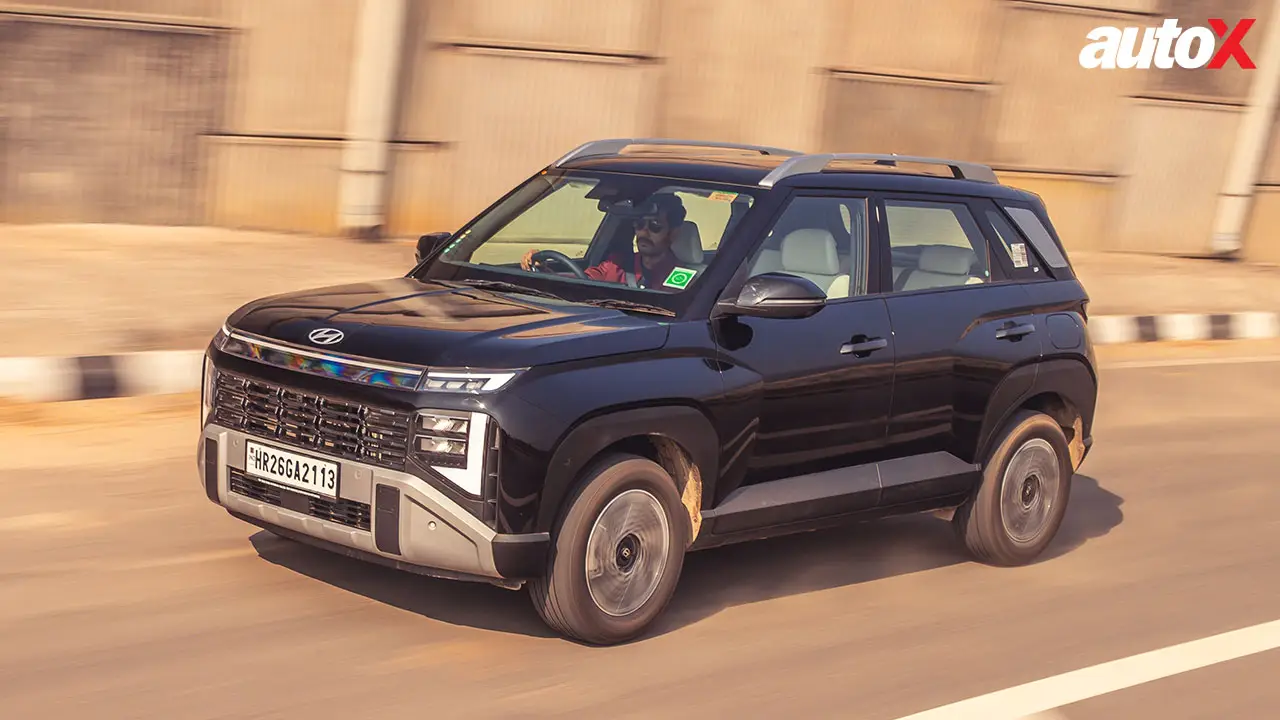
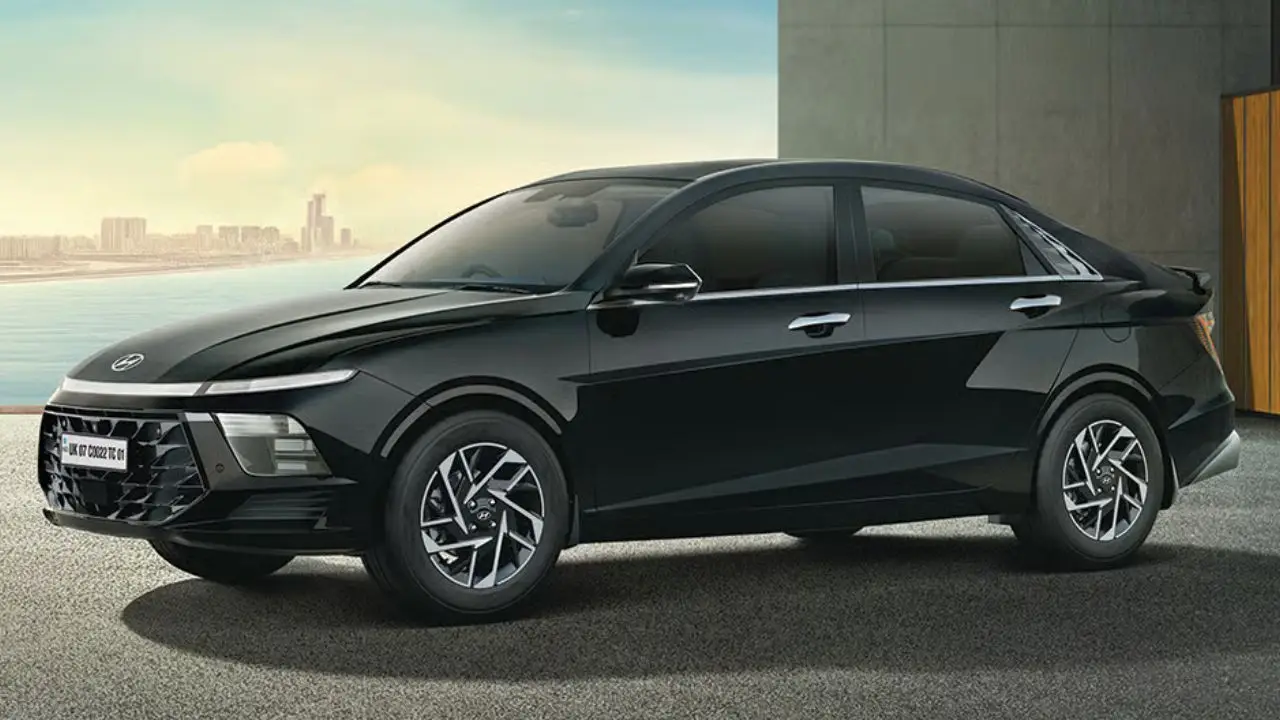
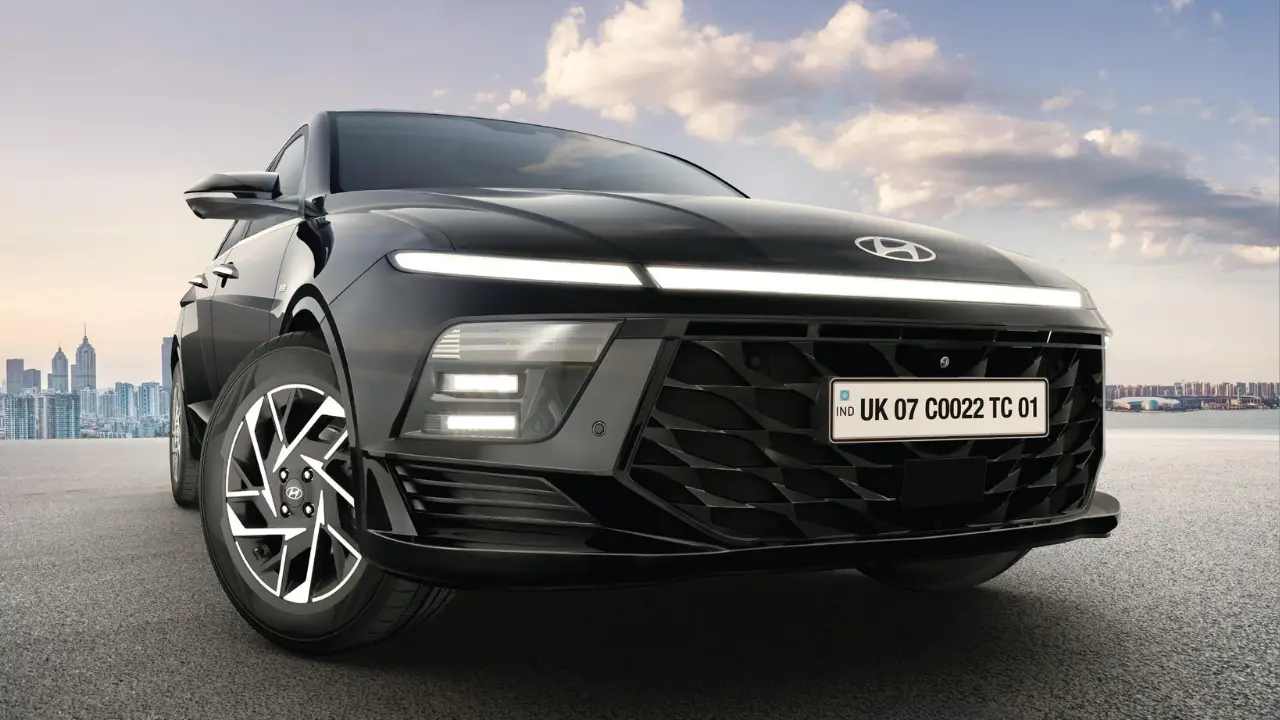
Right away, the new Venue greets you with a sharper, more geometric design. The front is bold and upright, anchored by a sleek LED light bar that stretches across the nose before flowing into the new quad-beam LED headlamps. The beefier bumper and sculpted bonnet further amp up its road presence.
Also Read: New-Gen Hyundai Venue N Line Revealed

From the side, the squared-off wheel arches and newly designed 16-inch alloys add muscle, giving the Venue a confident, almost butch stance. Move to the rear and the connected LED light bar continues the theme, clean, modern, and visually wider. The chunky rear bumper completes the look, reinforcing its SUV chops.
And speaking of size, the new Venue is now 48mm taller and 30mm wider than before. The wheelbase grows by 20mm to 2520mm, so yes, it’s roomier and gets slightly bigger now.
New Hyundai Venue: Interior Comfort & Features
Step inside and this is where Hyundai really flexes. The cabin feels brand new thanks to this curved, connected dual-screen layout - a digital driver’s display seamlessly paired with the touchscreen infotainment. It’s Hyundai’s new Connected Car Navigation Cockpit interface, powered by NVIDIA, and it looks and feels futuristic.
Also Read: 2025 Hyundai Venue Launched In India

You get wireless Apple CarPlay, Android Auto, OTA updates - the works. There are more physical buttons this time, which is great for usability, and the rotary drive selector feels premium. The electronic parking brake is a nice touch too. Hyundai’s loaded the Venue up with a bunch of creature comforts. There’s an 8-speaker Bose system, ventilated front seats, a 360-degree camera, and voice recognition for infotainment that understands five languages. Plus, a wireless charger, powered driver’s seat, blind-spot monitor, and an electric sunroof. All of these of course on the top trim.

From the driver’s seat, the new steering wheel immediately grabs your attention. It feels chunky and features Hyundai’s unique ‘4 dots’ logo representing ‘H’ in Morse code, a design element previously seen only on Hyundai’s EVs, now making its debut on an ICE model. The front seats offer good support, and the driver’s seat gets 4-way electric adjustment. Move to the rear seats, and Hyundai claims the wheelbase has grown by 20mm. But that doesn’t necessarily translate into noticeably more space. Rear knee room and headroom are decent, but legroom remains tight, and seating more than two passengers will feel cramped.
New Hyundai Venue: Powertrains
Under the hood, Hyundai’s sticking to its tried-and-tested formula - the same 1.2-litre petrol, 1.0 turbo petrol, and 1.5 diesel. The 1.2 gets a 5-speed manual, the turbo petrol comes with a 6-speed manual or 7-speed DCT, and for the first time, the diesel gets a 6-speed torque converter automatic - a welcome addition for those who have a long commute and need good efficiency.
New Hyundai Venue: Performance
Performance feels familiar and that’s because we drove the 1.0-litre turbo-petrol paired with the 7-speed DCT. The engine offers a strong, versatile torque band and feels lively in the lower and mid-range. There is a slight bit of turbo lag, so you’ll need to plan quick overtakes, but refinement is solid and the DCT stays smooth for the most part.

Gear ratios are well-spaced, though downshifts can occasionally feel a bit abrupt. Still, build-up of speed is brisk, and turbo-petrol fans won’t be disappointed. N Line or not, the 1.0-litre turbo remains fun whether you are darting through the city or stretching the car's legs on the highway. We were hoping to sample the new 1.5-litre diesel with the 6-speed automatic, but that review will have to wait.
New Hyundai Venue: Ride & Handling
When it comes to driving dynamics, the big highlight is the ride quality. It’s noticeably more supple than before, soaking up bumps and potholes with ease, especially at low speeds, which came in handy on the post-monsoon roads of Goa. The suspension strikes a good balance between comfort on broken surfaces and stability on smooth, fast stretches. Handling is predictable, and while the steering isn’t the most communicative, it does offer enough feedback to keep things engaging.
New Hyundai Venue: Pricing, Rivals & Trim
Hyundai has also introduced a new variant nomenclature for the Venue, called ‘HX’. It stands for ‘Hyundai Experience’, a bit cheesy, sure, but that’s the official line. Prices for the new Venue start at ₹7.90 lakh for the 1.2 petrol with the 5-speed manual and go up to ₹15.51 lakh for the top-spec 1.5 diesel automatic. At the time of this review going live, Hyundai hasn’t yet announced prices for the updated N Line.

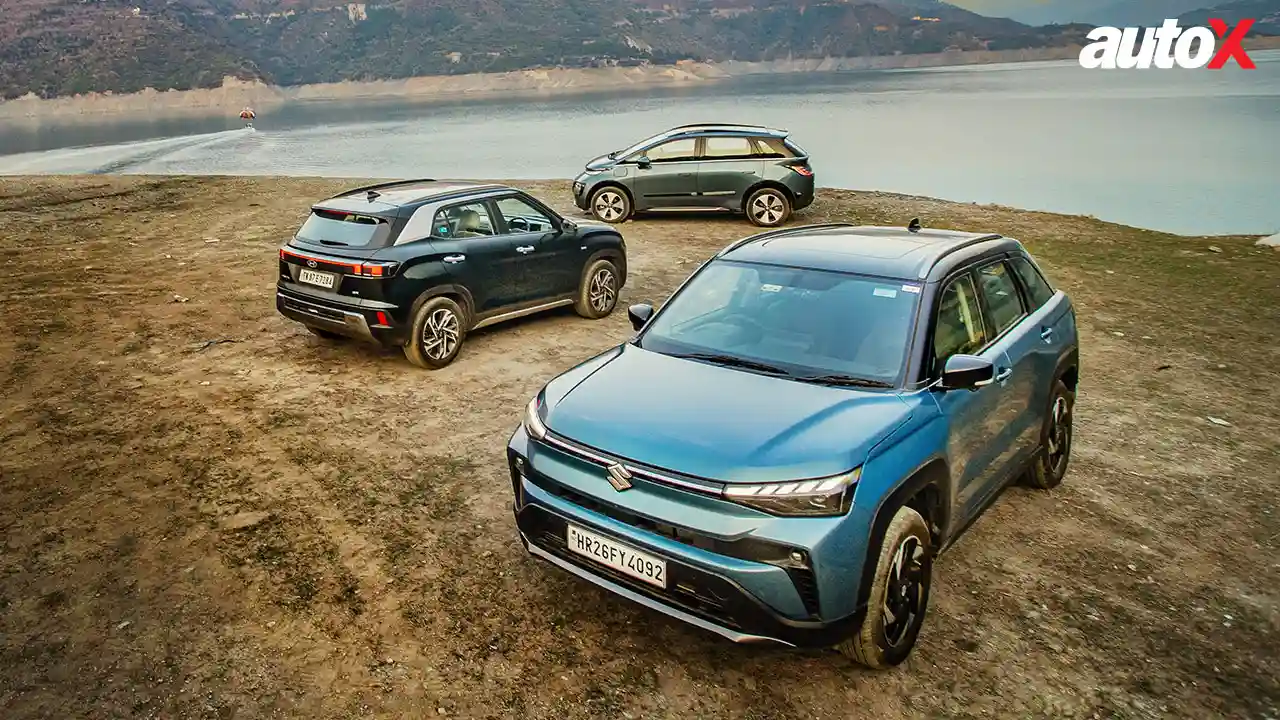
The Venue enters a highly competitive segment, going head-to-head with the Kia Sonet, Tata Nexon, Nissan Magnite, Renault Kiger, Skoda Kylaq, Maruti Suzuki Brezza, and more. It certainly has its work cut out, but with its sharper design, updated tech, and a new diesel automatic powertrain, Hyundai has clearly come prepared for the fight.
New Hyundai Venue Review Verdict
So yes, the engines are familiar, but the experience feels fresh. The design is sharper, the cabin is far more high-tech, and the feature list is longer than ever.

The only real drawback is the rear seat space, which still feels tight despite the slight wheelbase increase. The second-gen Hyundai Venue doesn’t reinvent the formula, but it definitely refines it to near-perfection in the subcompact SUV segment.
Engine: 998cc / 4-cylinder Turbocharged
Transmission: 7-Speed DCT / FWD
Power: 118bhp
Torque: 172Nm
Fuel: Petrol
Price: ₹7.90 Lakh - ₹15.51 Lakh, Ex-showroom
X-Factor:The New-Gen Venue is good-looking and scores high on features.
|
Pros |
Cons |