Diesel vs Hybrid vs EV - Mileage King
For decades, diesel has been the undisputed mileage king. But with hybrids and EVs gaining ground, a 700km real-world test asks if its reign is finally over.
By Shivank Bhatt
Photography By Sunil Chauhan
Is it the end of the road for diesel? Have hybrids or electric vehicles replaced diesel as the new mileage king? Or is it all a hoax, and diesel is simply irreplaceable? There are many ways to find the answer. The easiest would be to run to your favourite AI bot – it’ll give you a vague yet pleasant answer depending on the prompt you put in. Or there’s a more trustworthy, albeit tedious, way to get to the truth – a real-world test across virtually all the driving conditions that Indian roads could throw at you and your car. Guess which testing method we chose? Yes, you guessed it right – so much for AI replacing our jobs…
700km Real-World Mileage Test: Diesel vs Hybrid vs EV
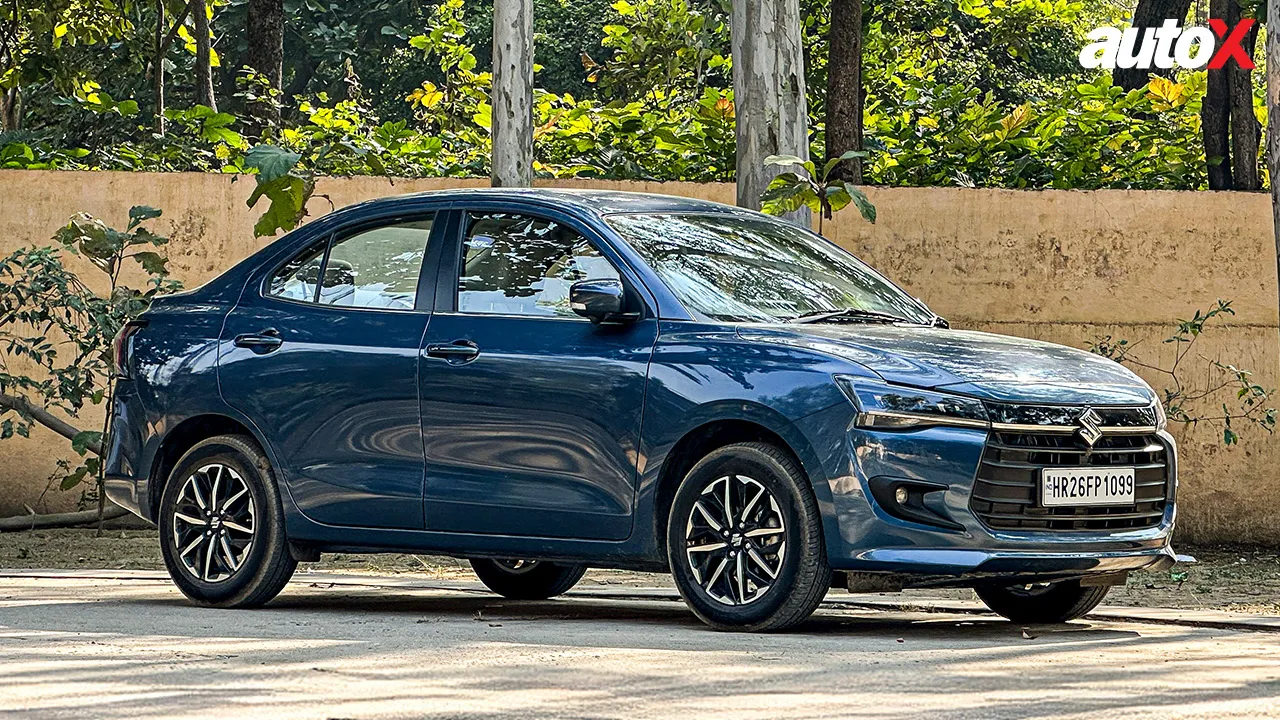
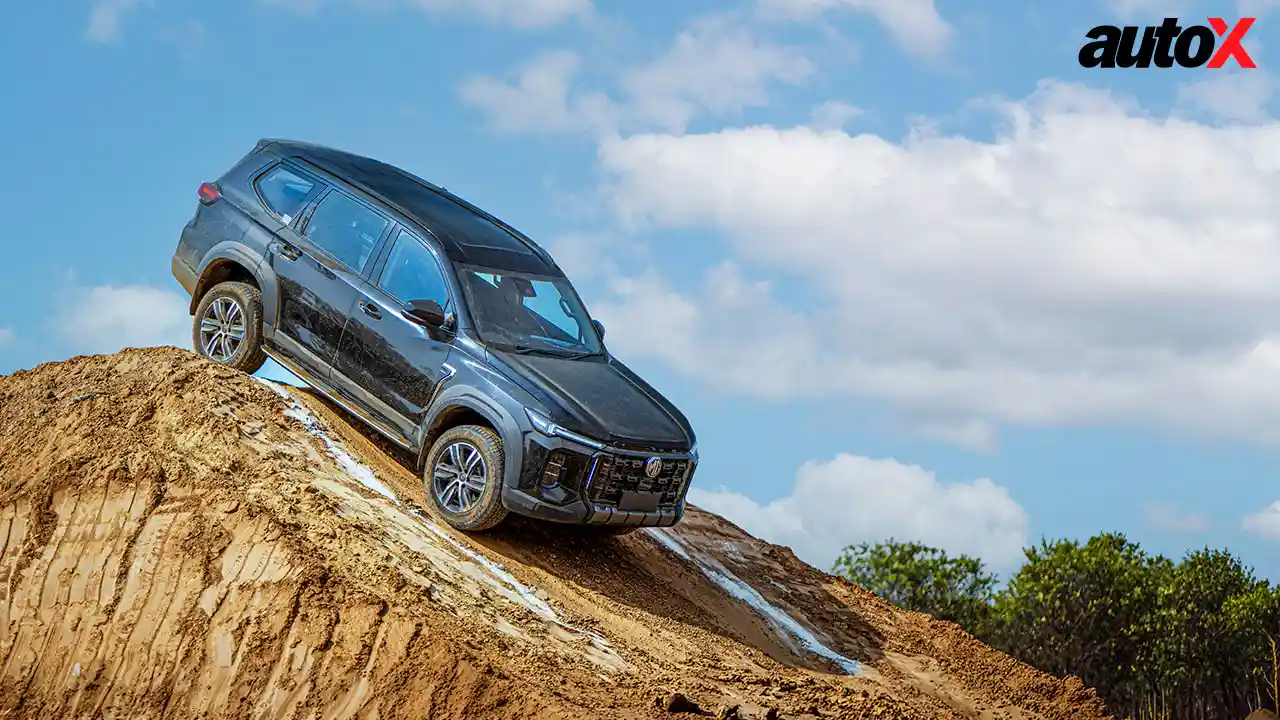
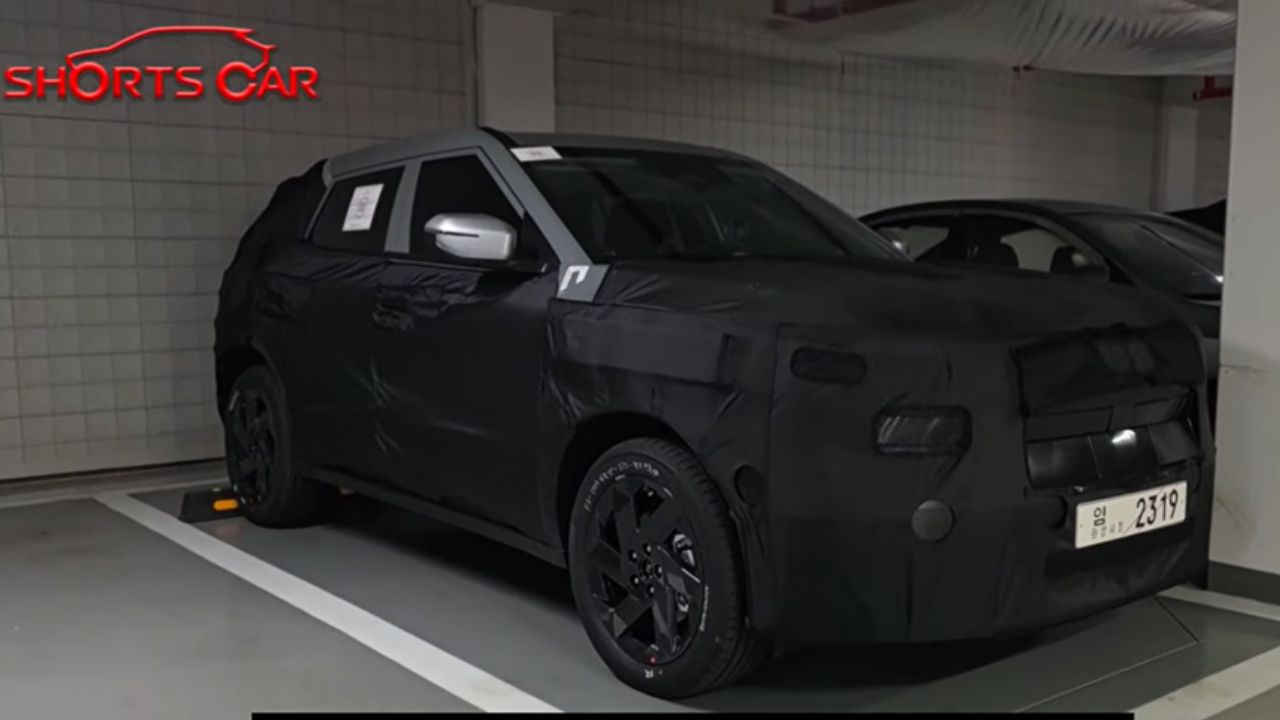
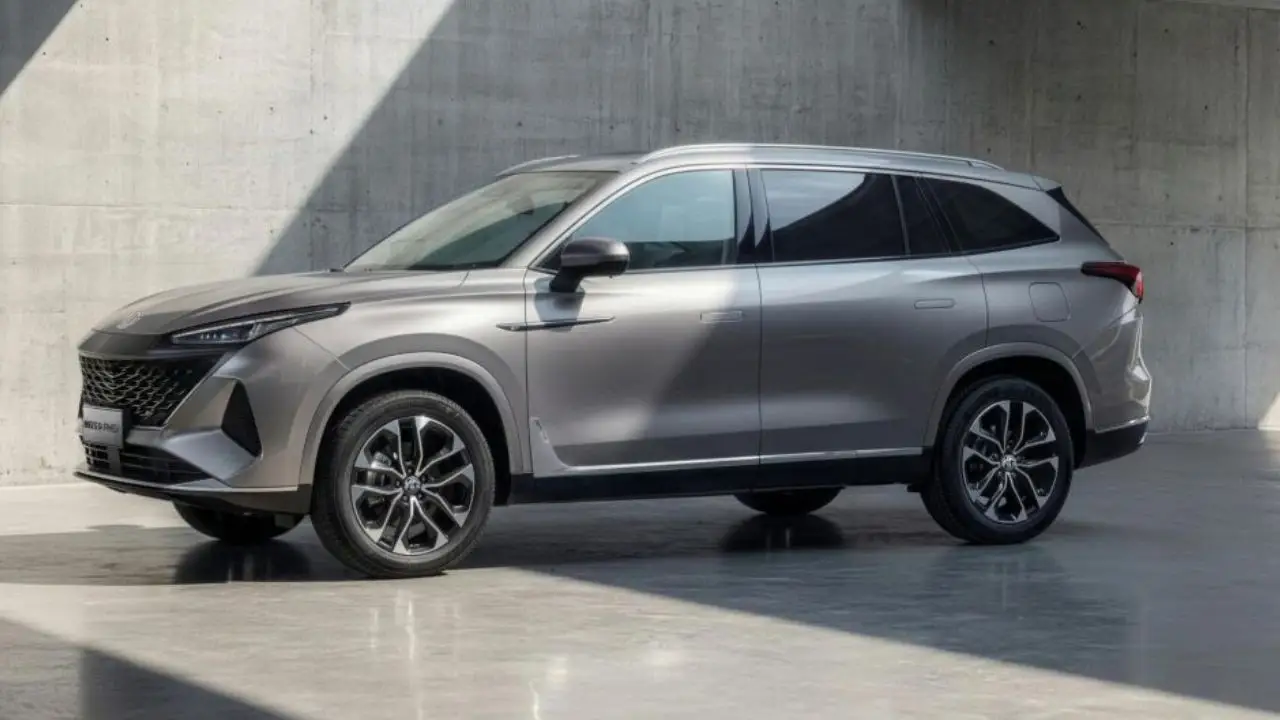
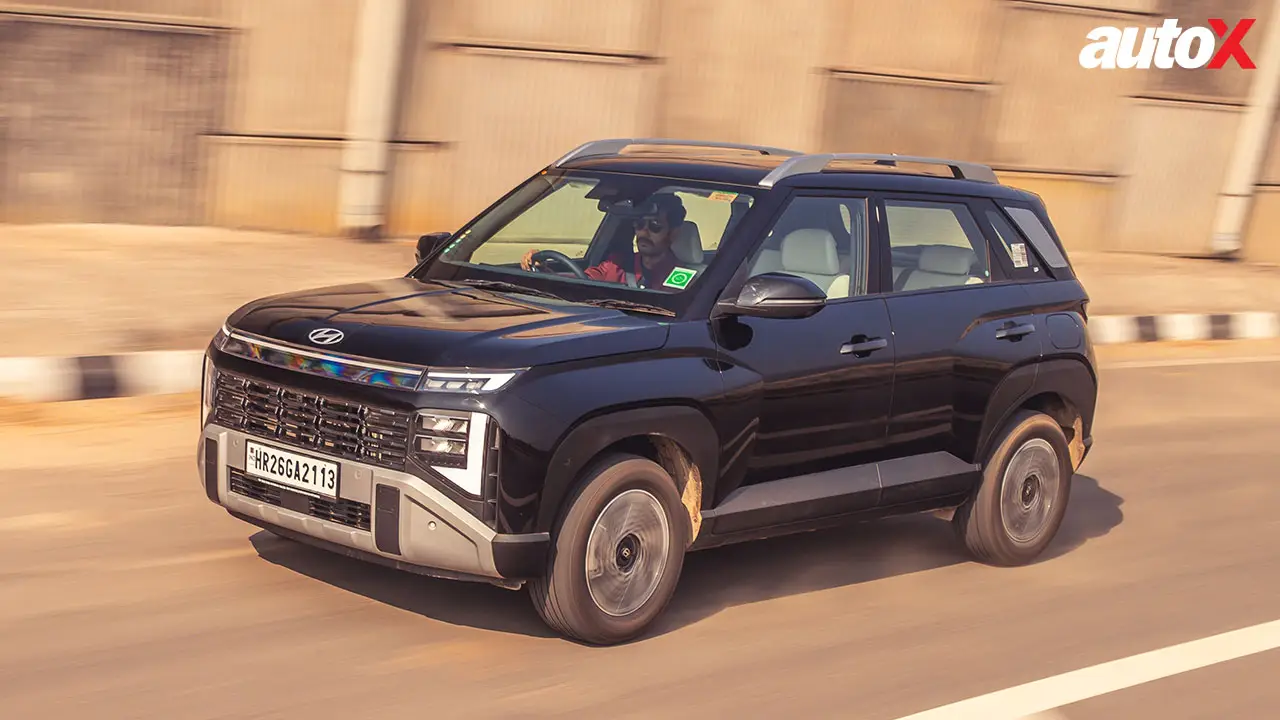
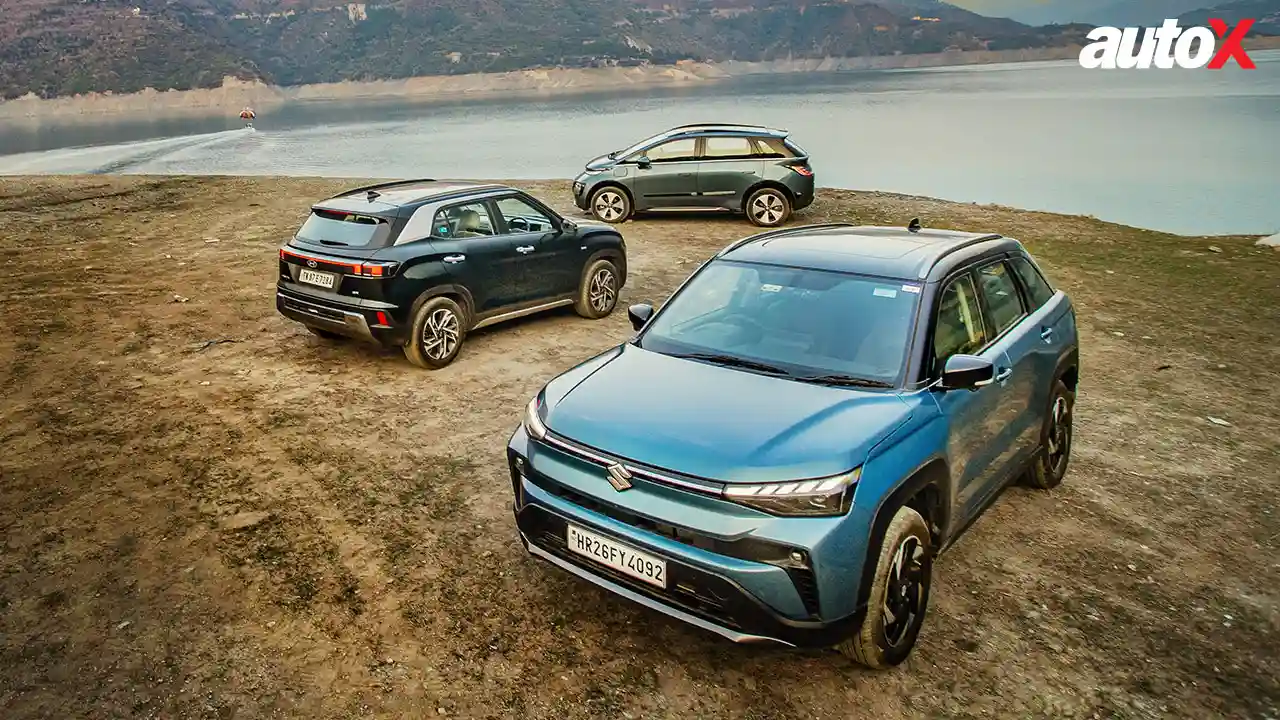
For this activity, we drove a Maruti Suzuki Victoris hybrid, a Hyundai Creta diesel, and an MG Windsor EV simultaneously under identical driving conditions – in the city, on arrow-straight highways, and along the twisting, turning mountain roads. Our aim behind this road test was simple – to crown the new mileage king. You see, for aeons, diesel has reigned supreme when it comes to fuel efficiency and running costs. However, the onslaught of frugal hybrids and energy-efficient electrics in recent years has made diesel’s life tougher than it already was (thank you, stringent emission norms).
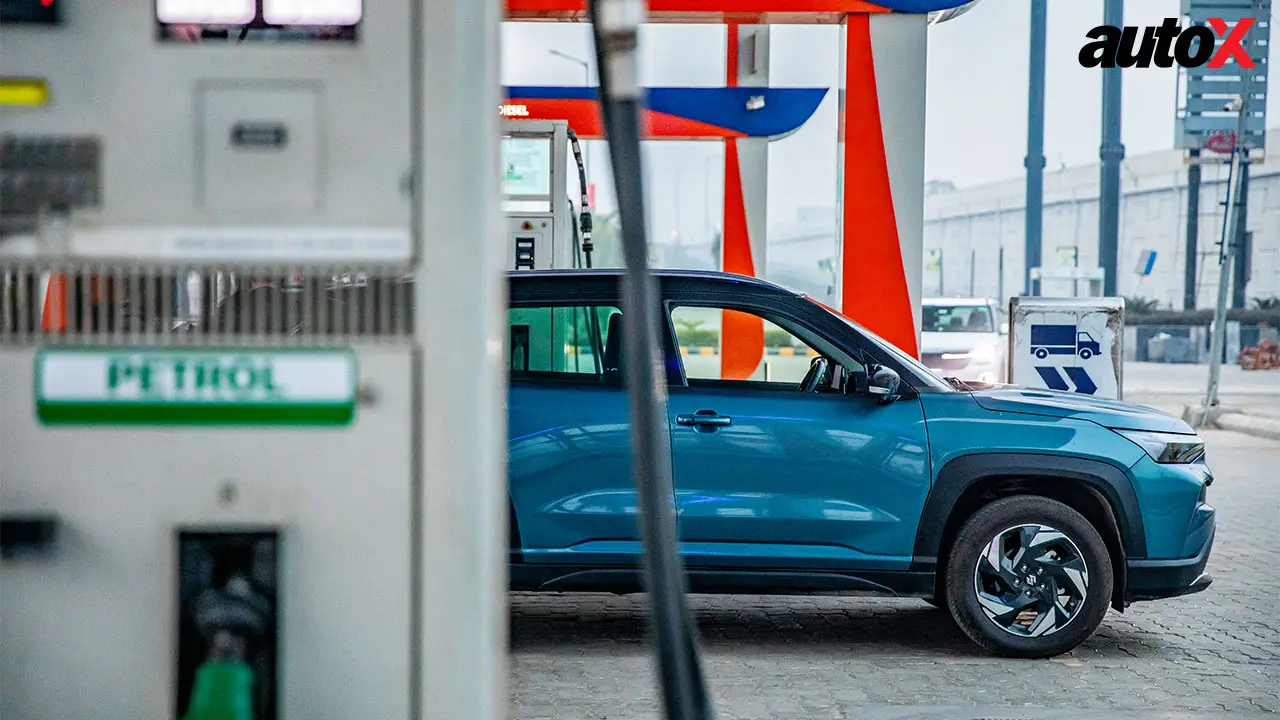
The question is, are hybrids and electrics really as efficient to run as a diesel when you’re doing high annual mileage? To find the answer, we conducted a tank-to-tank fuel-efficiency test for the diesel and hybrid, as it is considered the most reliable real-world test. You fill the tank to the brim (auto-cut level), reset the trip metre, drive for a set distance, fill the tank to auto-cut level again, note the reading, calculate the fuel consumed, and you have your km/l reading. For the EV, calculating efficiency is a little more complicated vis-à-vis an ICE vehicle. So, to keep it simple and comprehensible for you, readers, we decided to stick to the SoC % reading for each driving cycle, convert the consumption to km/kWh, and then calculate the running cost per km for all contenders.
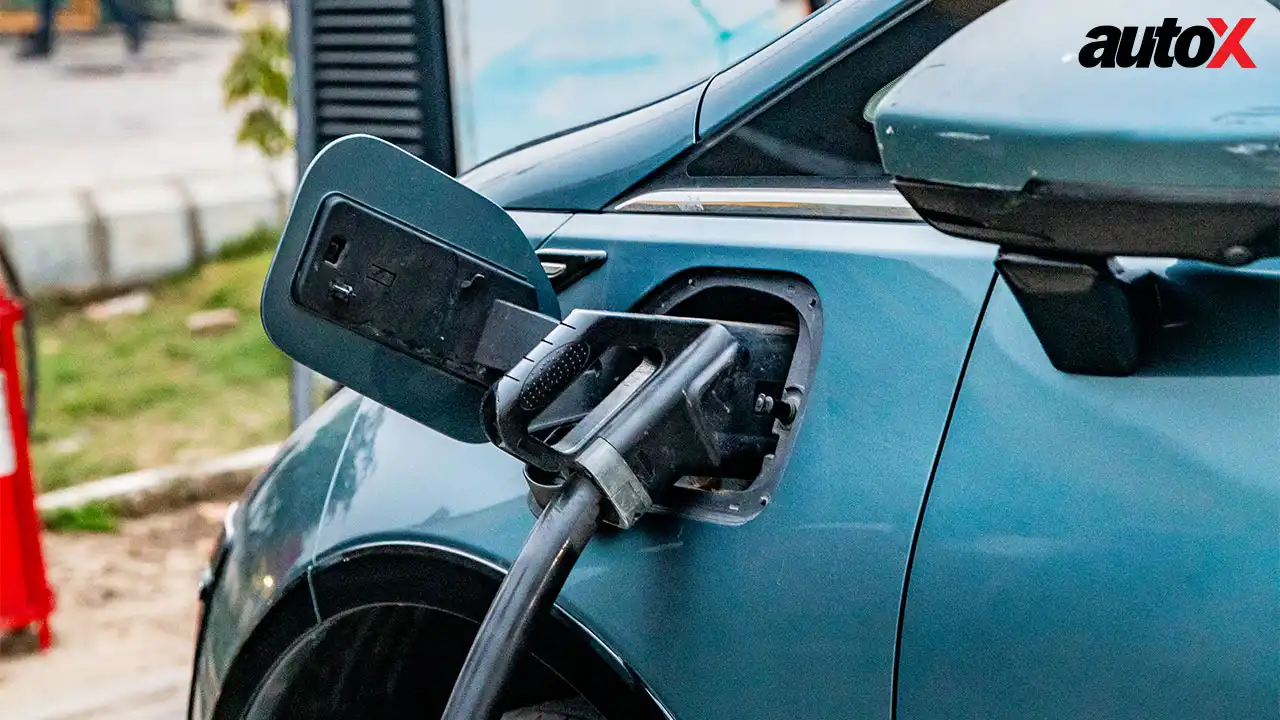
Driver duties in each car were shared between Aakash, Karan and me. We took turns and swapped cars during each driving cycle to offset the effects on efficiency losses caused by different driving styles. There were certain ground rules in addition – air-conditioning set to 22 degrees in all cars, and tyre pressure set to OEM recommendations.
City Mileage Test: Diesel vs Hybrid vs EV in Stop-and-Go Traffic
Noida-Delhi-Gurgaon – an average Delhi-NCR motorist’s worst nightmare. So, at bang 9 am during rush hour on a working day, we juiced up all the contenders with their respective fuel and drove them for what was an astoundingly tedious commute in chock-a-block traffic. It took us nearly three hours – and a heck of a lot of mental agony, it goes without saying – to cover a total distance of 103km before stopping for refuelling.
We will get to the numbers in a bit, but before that, I want to talk about the distinct driving styles of each drivetrain. I started with the Windsor EV first. Now, I very well know that every old-school purist and their grandma has an axe to grind with EVs, but as someone who drives cars day in and day out for a living, I have to say I enjoy driving an EV most in a city. There’s instantaneous torque for you to exploit gaps, the refinement levels are undoubtedly the best, and despite their size – the MG in this particular instance is the largest vehicle of the trio – they are wieldy and fun. The fact that it costs virtually nothing to run an EV daily adds the proverbial cherry on top.
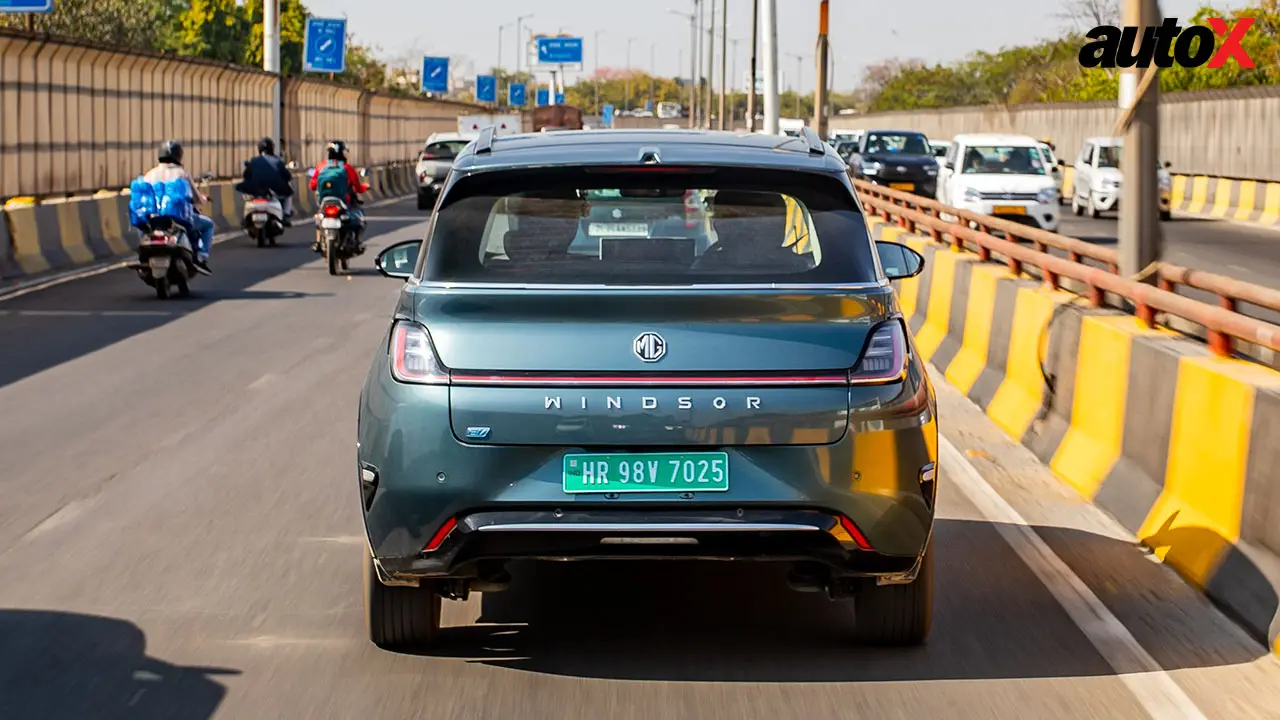
The Windsor is one of the most rounded EVs under the Rs 20 lakh budget, and that shows not only in the way it drives but also on its sales chart. Unlike many other EVs, the ride isn’t jittery, the regen is well-calibrated, there are acres of space, and it feels like a quality product overall. The only downer is its overreliance on a massive touchscreen, which packs almost all the basic controls, including headlamps, ORVM adjustments, and so on, which can be overwhelming at times. The screen also suffers from occasional lag, which adds to the frustration.
Switching from an EV to a diesel may sound like you’re getting back to the medieval age. But that’s so not the case when it’s the Creta. Sure, the diesel engine is clattery at idle, and it’s nowhere as refined or responsive as the Windsor, but there’s a certain charm to driving a diesel. Despite the ever-tightening emission norms, modern-day diesels still remain undefeated with their locomotive-like midrange – the feeling of riding the torque wave is unmatched. At low rpms, the 1.5 diesel does feel a bit strangled and laggy, though. The 6-speed torque converter is a smooth operator with its seamless shifts, but we noticed it hangs on to the second gear for way too long while picking up pace – the NVH levels go up substantially.
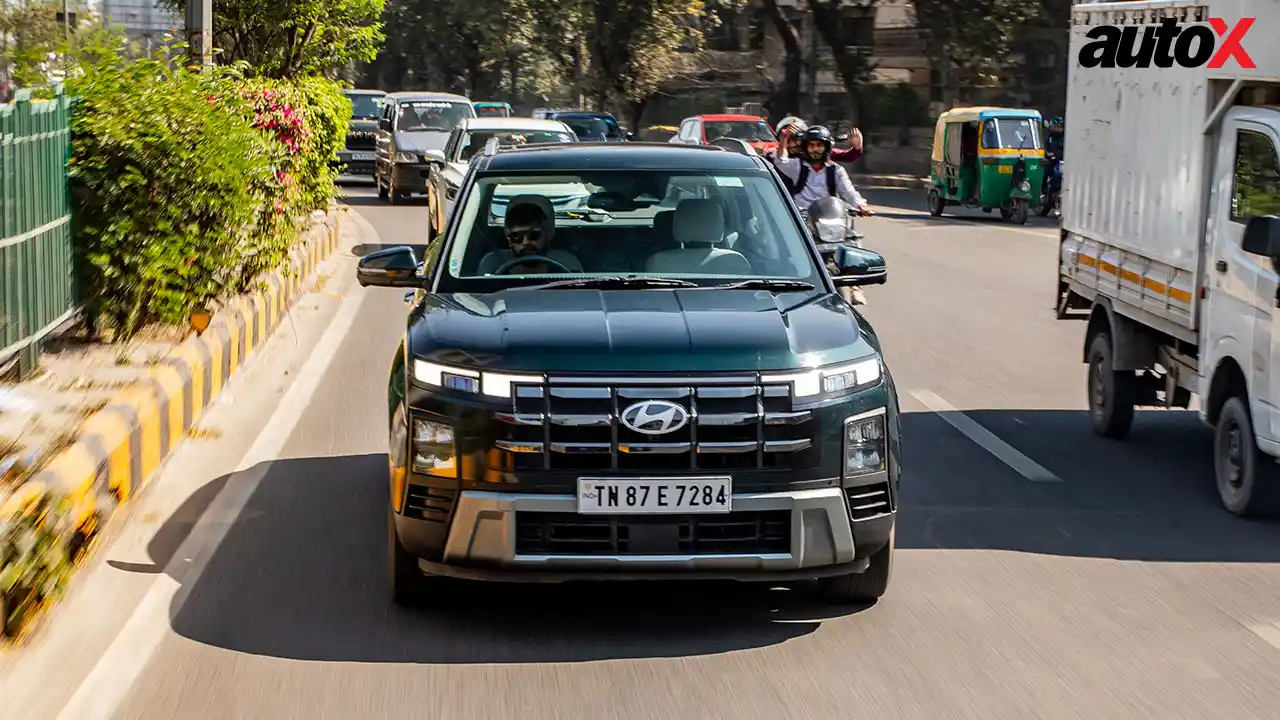
That said, the Creta’s ride quality, ergonomics, fit and finish, and overall effortless nature are what make it such a complete package. Its brake pedal has the most progressive feel, too, resulting in a smooth drive in bumper-to-bumper traffic. If there’s one thing that we sorely missed, it was wireless Apple CarPlay/Android Auto. However, the biggest concern with driving a modern-day diesel at low speeds over short distances is a choked DPF over time – this is something that’s dented the reputation of diesel engines in the BS6 era.
The uncertainty around diesels and the unpredictability of electrics nicely paves the way for a hybrid, for they bring the best of both worlds. So, how true does the Victoris hybrid stay to the claim? It’s very close. Driving in slow-moving traffic, the Victoris behaves more like an EV. Of course, it doesn’t have the outright acceleration of a purely electric vehicle, but when all you’re doing is trundling in traffic, it doesn’t really matter.
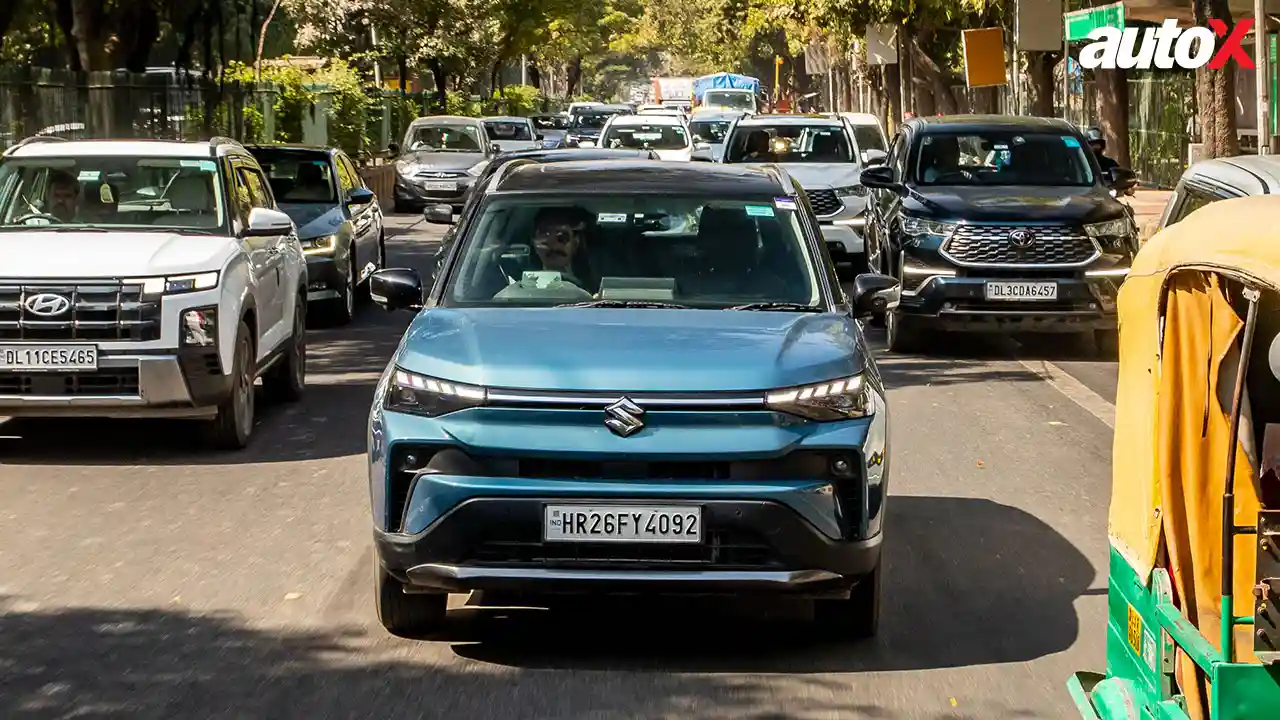
After a certain threshold, though, the engine does kick into action – this is a parallel-hybrid system where both the electric motor and petrol engine work in conjunction – and that’s when it gets a little clunky. The transition isn’t the smoothest, and the vibrations from the three-pot motor are always noticeable. The NVH levels rise when you attempt an aggressive overtake, and while there’s no dearth of performance, it does get quite loud inside the cabin compared to even the Creta diesel, let alone the Windsor.
But the party piece of the hybrid is its fuel efficiency in city driving. And that brings us to the numbers. Over a distance of 103km, the hybrid consumed just 4.41 litres of fuel, translating to an impressive 23.35km/litre.
The Creta Diesel, on the other hand, used significantly more fuel. It consumed 7.27 litres to cover the same distance, which translates to 14.17km/litre in daily city driving conditions. The EV, however, delivered phenomenal efficiency thanks to regenerative braking and the stop-and-go nature of city traffic. It returned around 8.4km/kWh, with a cost of Rs 2.6/km vs Rs 4/km for the hybrid & Rs 6/km for the diesel.
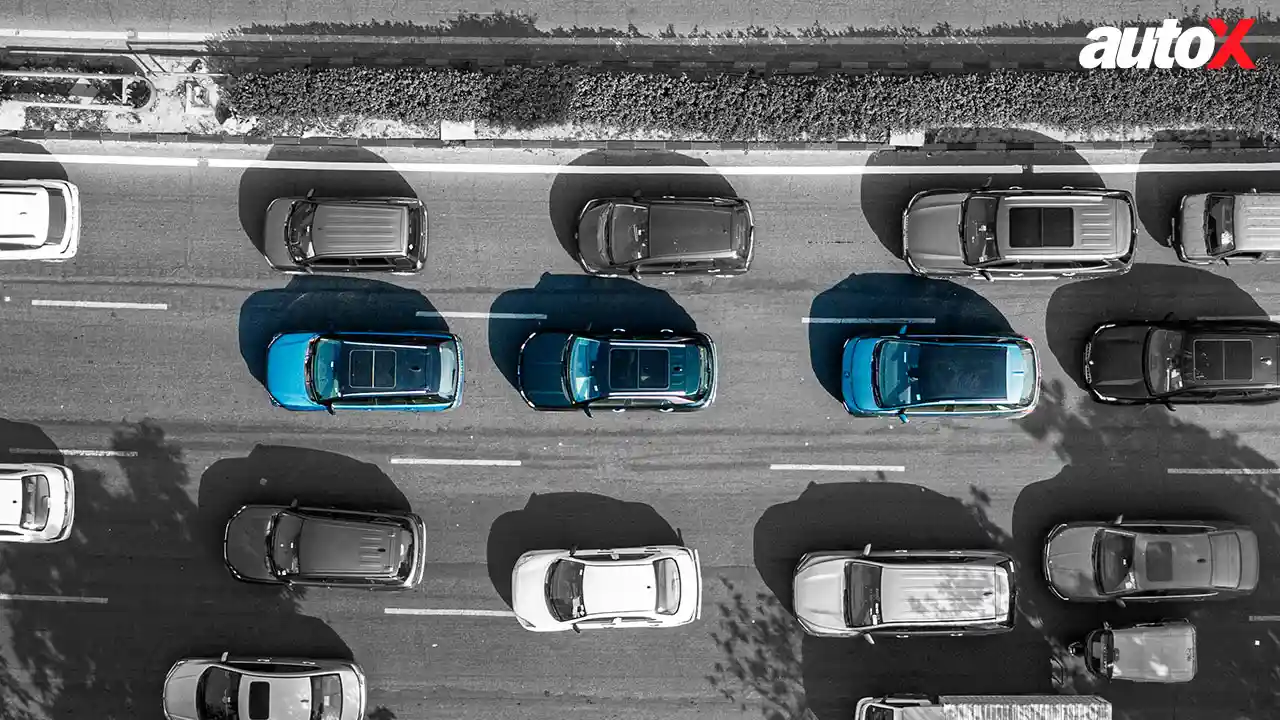
In terms of running costs, the EV is definitely the most economical, especially if most of your driving is in the city. However, if you don’t want to worry about charging and aren’t confident about the charging infrastructure in your area, a hybrid makes the most sense, because it brings the best of both worlds – electric efficiency in traffic and the convenience of a conventional fuel car. The diesel, on the other hand, doesn’t make a lot of sense in city conditions. It returned the lowest efficiency numbers and, on top of that, increasingly strict emission norms mean the future of diesel cars is uncertain. Add to that potential DPF issues in stop-and-go traffic, and the possibility of a ban on diesels in metro cities altogether, and it becomes a less compelling option for urban buyers.
Highway Efficiency Test: Diesel vs Hybrid vs EV at 80–120km/h
Next, we took all three contenders out onto the highway, and this is where diesel traditionally shines. You see, when you’re doing long-distance driving, what matters most is efficiency and ease of use. That’s exactly what has made diesel cars so popular among the masses in India. But, with hybrid and electric cars now in the mix, does diesel still make sense? To find out, we divided the efficiency test into two parts.
First, we drove on regular Indian highways, cruising at speeds between 80 and 100km/h. We started this journey from Delhi and drove all the way to Dehradun. This route is a mix of expressways and busy state highways, with plenty of traffic and occasional stop-and-go sections. Overall, the journey took around five hours – thanks to the MG needing a charging session in between – and we covered approximately 235km.
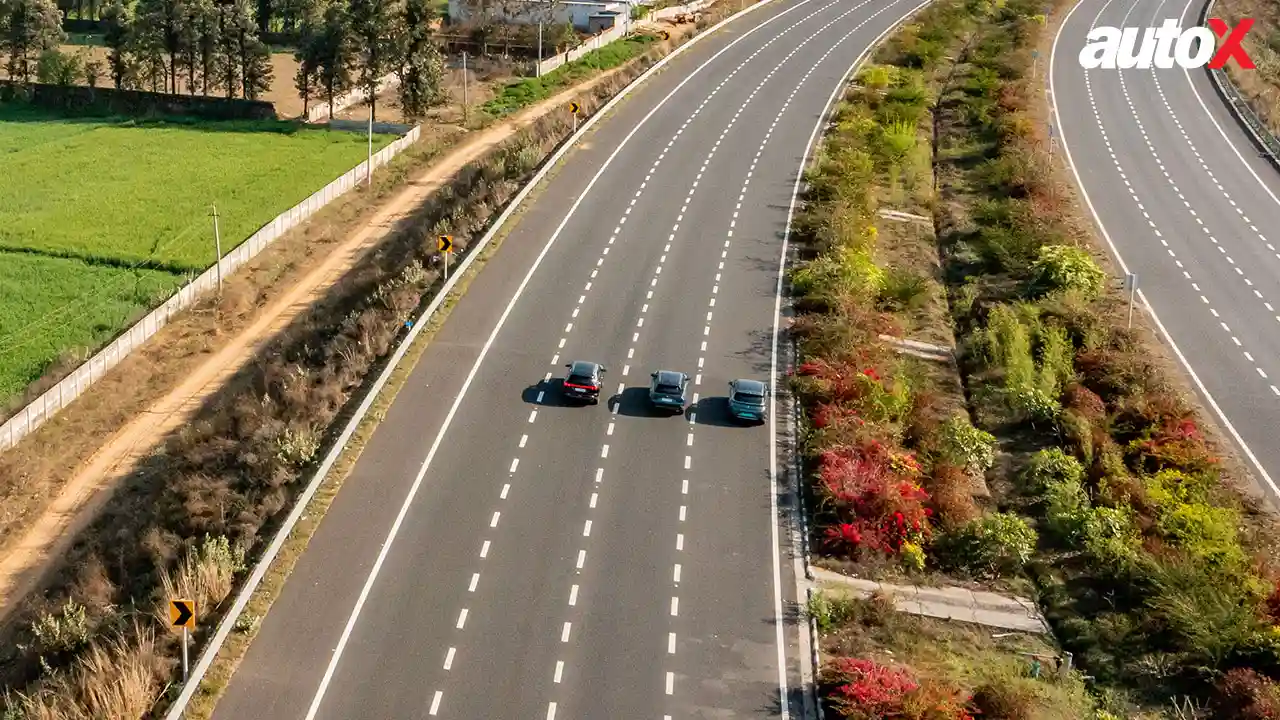
For the second part, we headed to the Delhi–Mumbai Expressway, where we maintained a constant 120km/h – which is the speed most modern expressways in India allow. Here, we covered a total distance of 180km with cruise control engaged in all three to see which one was the most efficient under sustained high-speed load.
Let’s first talk about the driving experience, because each car felt very different again. Starting with the Creta diesel, it felt the most relaxed and comfortable. At 120km/h, the engine was barely stressed, thanks to its strong torque and six-speed gearbox. It felt refined, effortless, and extremely comfortable for long-distance cruising. The Victoris hybrid, in comparison, felt slightly more strained. The combination of a three-cylinder petrol engine and an electric motor meant that at 120 km/h, the engine worked harder. It remained comfortable, but refinement levels weren’t quite as good as the diesel. We also noticed more wind noise inside the cabin, which became more noticeable during long highway runs. Another drawback is that the hybrid version of the Victoris misses out on ADAS, particularly Adaptive Cruise Control, which is available in the diesel Creta and makes long expressway drives far easier.
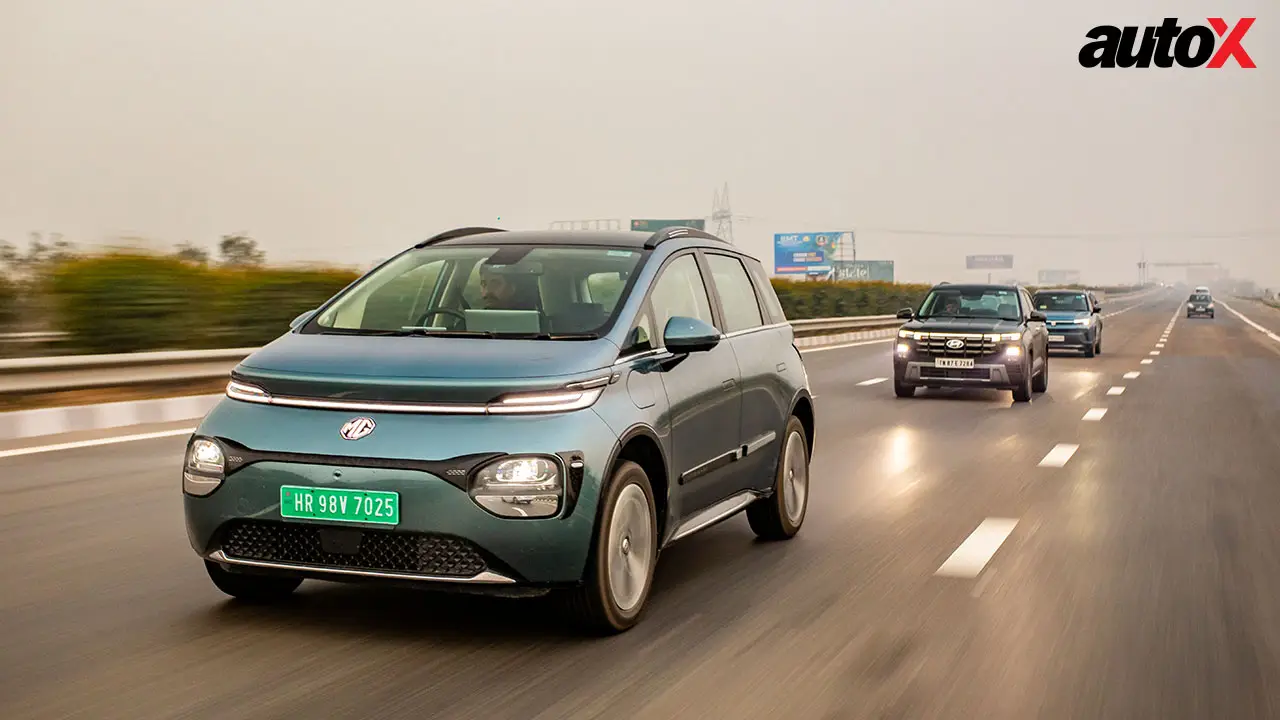
Now coming to the EV – the Windsor. This is where electric cars struggle the most. At a sustained 120km/h, the range dropped like a stone in the MG – the battery was draining much faster than expected! Another interesting observation was that because EVs are otherwise extremely quiet, wind noise becomes far more noticeable at high speeds. Also, the Windsor we had didn’t feature Adaptive Cruise Control – it’s available in the Pro version. So, overall, the whole experience isn’t as chill as it was in the Creta or even the Victoris, for that matter.
Let’s talk about the numbers now. When we stopped for a refill and calculated the consumption over 180km, we realised this was a much closer battle than expected between the hybrid and diesel. The diesel Creta consumed 11.8 litres, which translates to 15.3km/l, but the Victoris hybrid, despite feeling more strained, managed to beat it by a whisker, returning 15.6km/l. That’s staggering – because traditionally, diesel has always had the advantage on highways. The EV, however, was the biggest loser here. At a constant 120 km/h, Windsor’s range dropped significantly compared to what it did in the city – based on our calculations, it used 105% SoC to cover 180km, which is basically a range of just 171km on a full charge!
This highlights one of the biggest limitations of EVs for long-distance travel. Under sustained load, electric motors have to work harder, especially since most EVs use a single-speed transmission. Cutting through aerodynamic drag at high speeds drains the battery much faster. And since there’s no regen, they bleed even more.
Plus, more importantly, if you’re not sure about the charging network on your long drive, an EV can quickly change from being a companion to a liability. This is something that we faced first-hand during this test – we had originally planned to cover over 200km, but because several chargers on the route weren’t working or were out of service, we had to cut the run short at 180km.
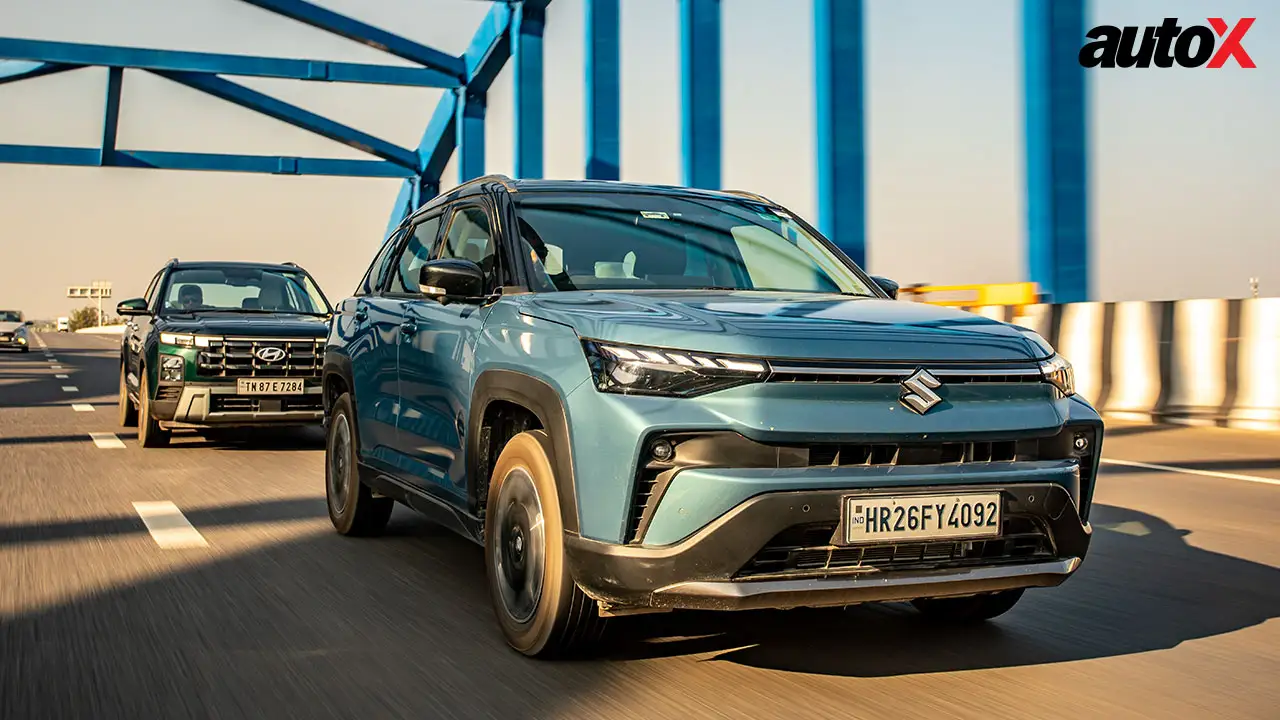
On regular highways where speeds average 80–100 km/h, things changed slightly as both the hybrid and EV could recover energy through regenerative braking. However, there was a significant bump in the Windsor’s range as it improved to around 230km per charge, about 60km more than it achieved during the 120km/h expressway run.
The diesel, meanwhile, relies solely on fossil fuel, so it didn’t benefit from any energy recovery, but it still saw a bump in fuel efficiency (17km/l). The hybrid also beat the diesel again, returning 19.5km/l on the highway.
Mountain Mileage Test: Diesel vs Hybrid vs EV in the Hills
Finally, it was time for a scenic drive through the mountains. For this leg, we did Dehradun-Tehri-Rishikesh, covering a total distance of roughly 190km, which we split into two parts - climbing uphill and descending downhill. Why? Because climbing obviously requires more energy, while descending allows EVs and hybrids to recover energy through regenerative braking, giving them an unfair advantage over the diesel. Plus, we wanted to see how much fuel they consume at max drivetrain load vs min load in the hills.
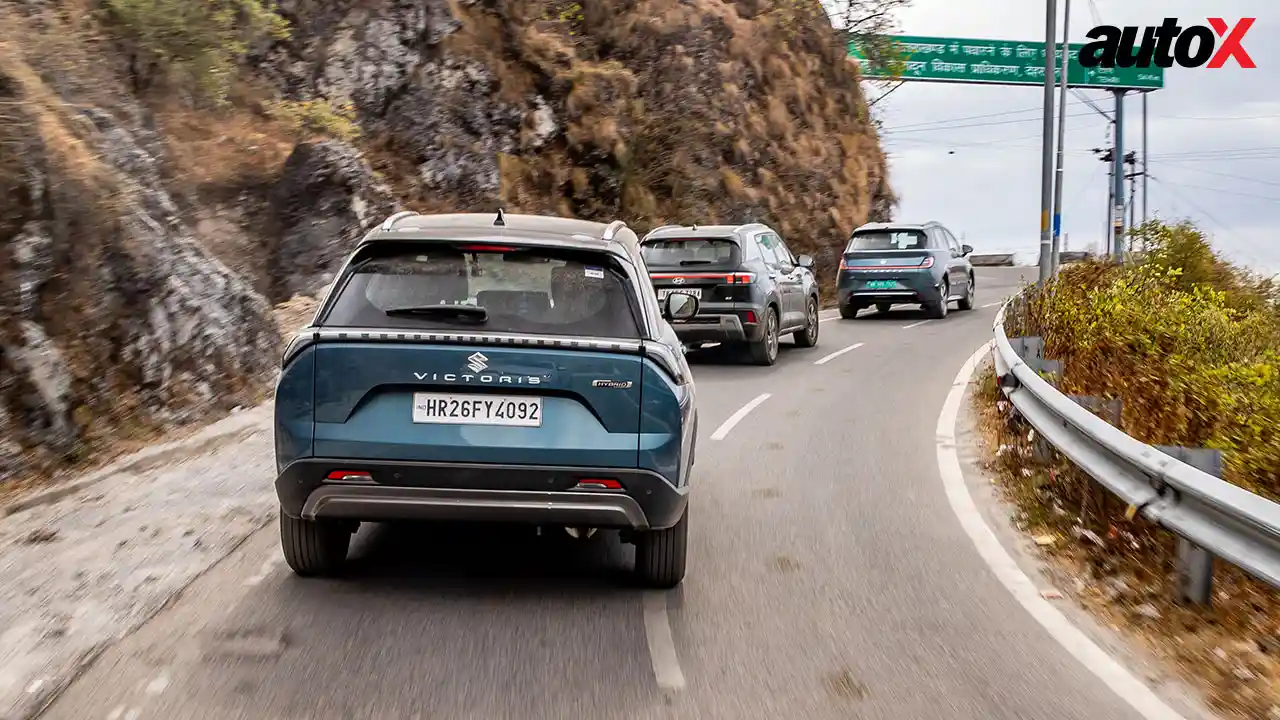
Before we jump to efficiency figures, let’s quickly discuss how each vehicle fared in terms of handling, ride quality, and overall driving feel in the hills. The Victoris felt light and easy to drive, as most Maruti Suzukis do. However, on steep inclines, the three-cylinder engine again felt slightly strained, and the drone of the CVT transmission made it more noticeable. The ‘clunky’ transition between EV mode and petrol mode was also prominent during climbs.
The Creta, in comparison, felt effortless. The strong torque meant it pulled out of corners easily and climbed steep sections without feeling stressed. It was predictable, comfortable, and very confidence-inspiring – it ebbed and flowed. That’s not to say it’s a corner carver or a fun tool in the mountains, but there’s a certain charm in its easy-going and effortless nature that makes it so hard to fault the Creta objectively.
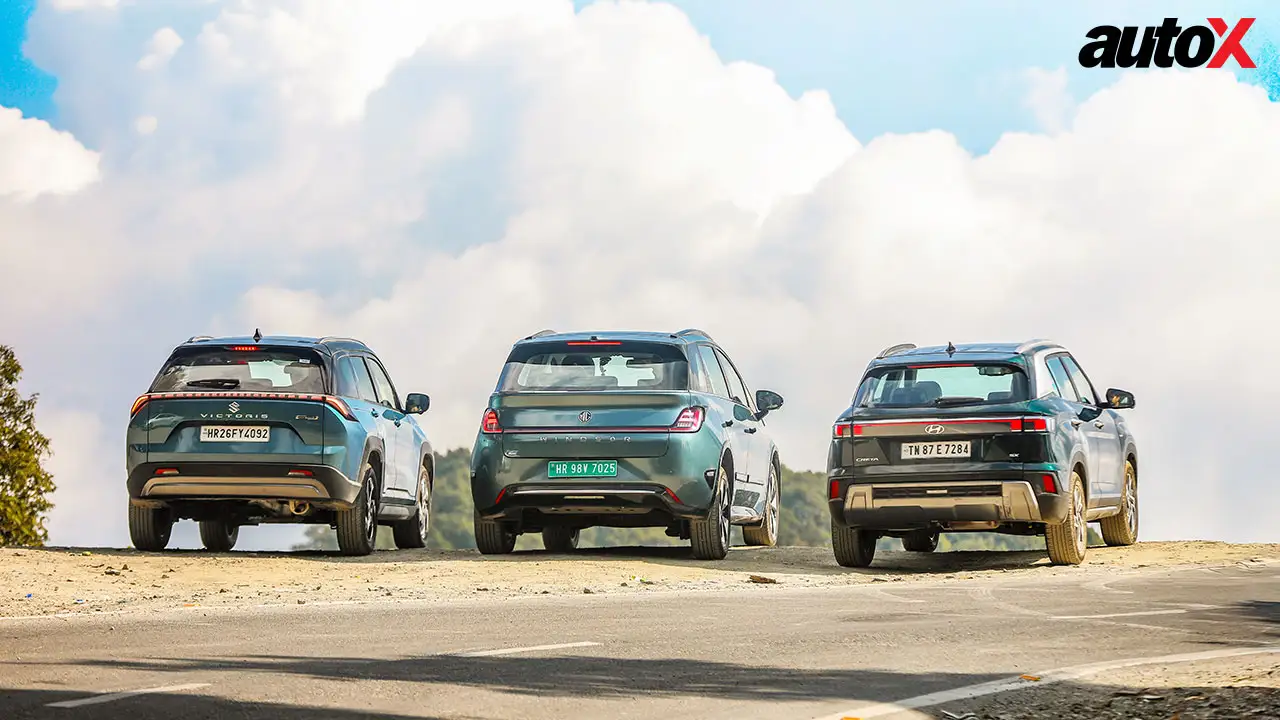
Surprisingly, the most fun car to drive in the hills was the Windsor EV. Despite being the longest, widest, and heaviest car, it was incredibly responsive thanks to its low centre of gravity and electric power delivery. The steering felt direct, and the instant torque made climbing hills effortless. The only drawback was perhaps the slightly jittery ride over bad and broken patches compared to the other two.
Back to the numbers game, then. While climbing uphill (108km), the diesel consumed 10.21 litres of fuel, whereas the hybrid used just 5.7 litres – almost half as much! That was the biggest surprise of the test. The Windsor, on the other hand, used 52% of charge (with regen set to normal). However, going downhill, and in its most aggressive regen mode (heavy), the EV consumed just 30% to cover 80km. At one point during the downhill run, the EV actually gained about 3% of its charge, thanks to regenerative braking – one of the biggest advantages of electric cars in mountain driving. The Creta was thirstier going downhill (18km/l), but it was still no match for the Victoris’ hybrid powertrain (25.7km/l).
Diesel vs Hybrid vs EV: Which Powertrain Is the Real Mileage King?
The demise of diesel may not be imminent, but it has been steadily falling out of favour in recent times. Yet, despite increasing regulatory pressure, diesel continued to stand its ground because there was no real replacement. The times, however, are changing, and as our test just proved, both hybrid and electric powertrains have bettered diesel’s long-standing reign as the mileage king.
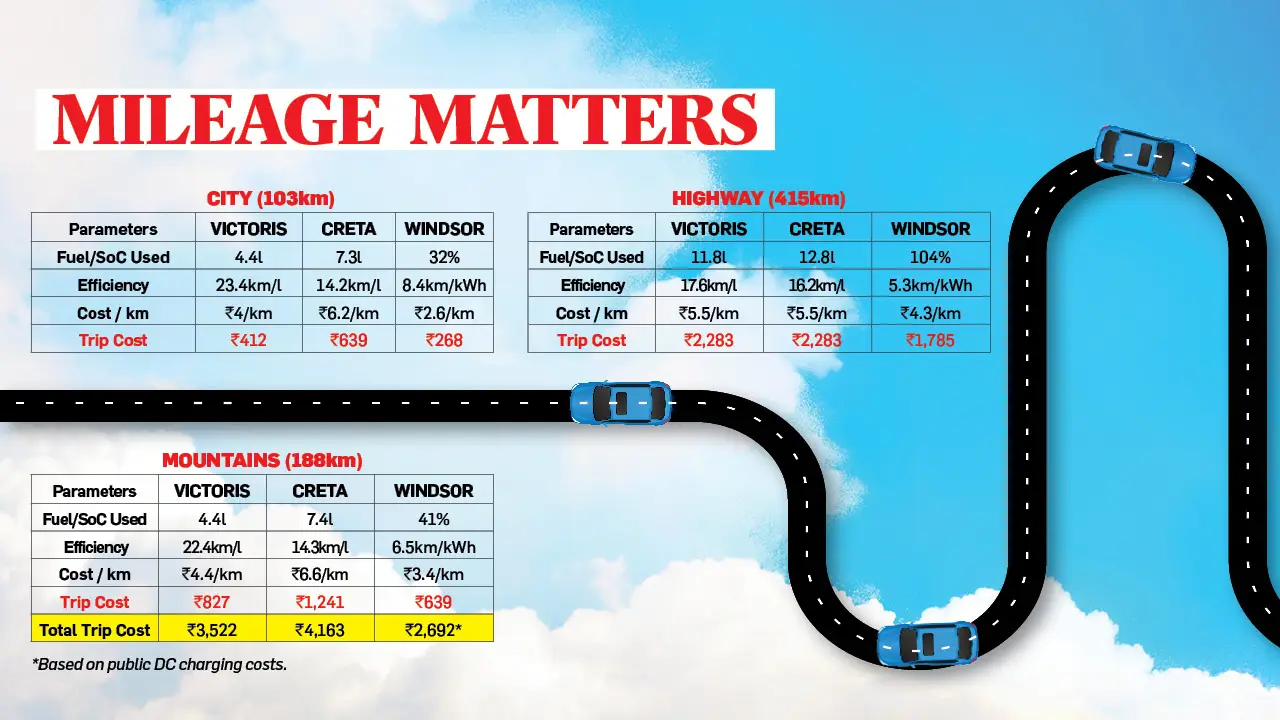
As you can see on the table above, the EV beats both diesel and hybrid in terms of outright efficiency and running costs. What’s even more impressive is that these figures are based on public DC charging costs (Rs 22/kWh). Use home charging & the cost/km will drop to 1/3rd of what you see here! However, the biggest limitation of an EV is the charging infrastructure – or the lack of it – especially when you’re covering long distances, which is exactly why people buy diesel cars in the first place. Long story short, an electric powertrain still isn’t a true alternative to a diesel in that respect.
The real battle, then, is between diesel and hybrid. In terms of outright efficiency and running costs, hybrids clearly have the upper hand. Add to that the fact that they run cleaner and quieter, and the case for hybrids becomes even stronger. Where hybrids still fall short, however, is in driver involvement – the brute force and grunt of the diesel are unmatched, and it is still slightly cheaper than petrol (Rs 87.6/litre vs Rs 95/litre in Delhi). However, in the larger scheme, these two factors don’t really count.
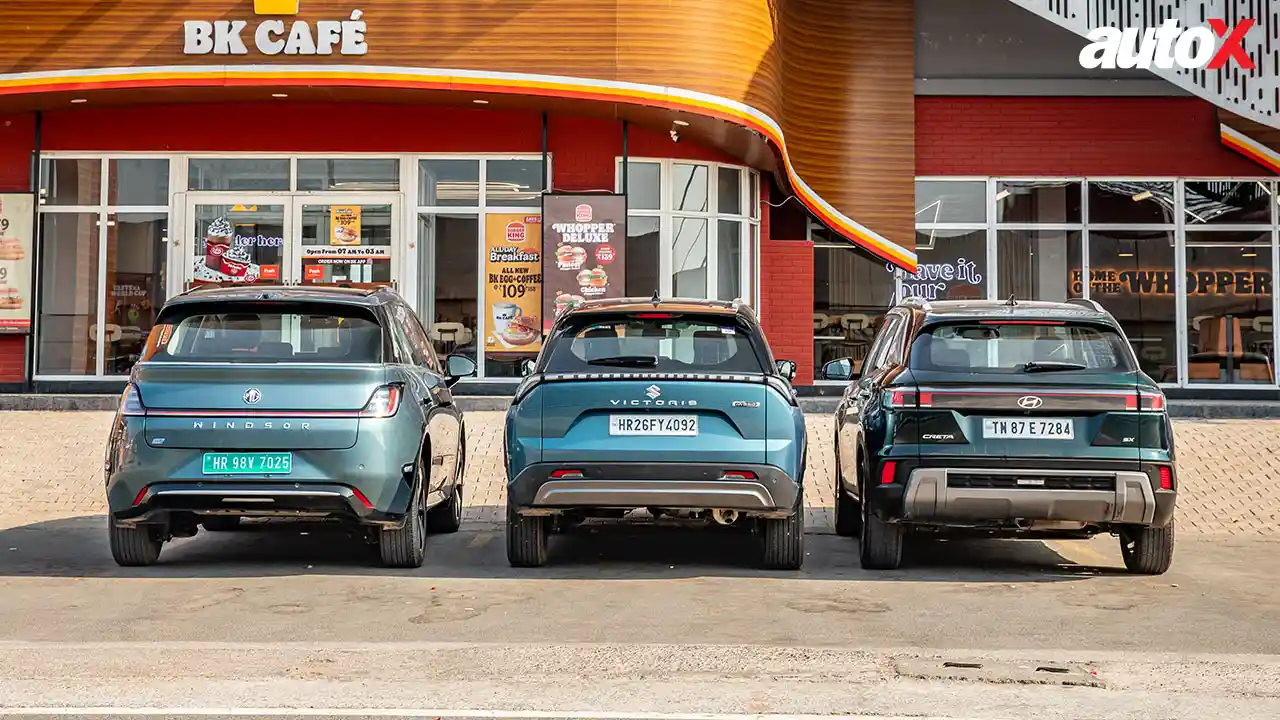
Ultimately, most buyers in India still ask just one question – kitna deti hai? And in that regard, hybrid is the new diesel – and then some.
Engine: 1,497cc Inline-4
Transmission: 6-Speed AT
Power: 114bhp
Torque: 250Nm
Fuel: Diesel
Price: Rs 19.45 Lakh, ex-showroom
X-Factor: The effortless nature, comfort, & refinement of the Creta diesel make it an ideal long-distance cruiser.
|
Pros |
Cons |