Maruti Suzuki Victoris Long Term Report: End of Term - Win Some, Lose Some
After spending just over six months with us, our long-term Maruti Suzuki Victoris has finally bid adieu to the autoX garage
By Shivank Bhatt

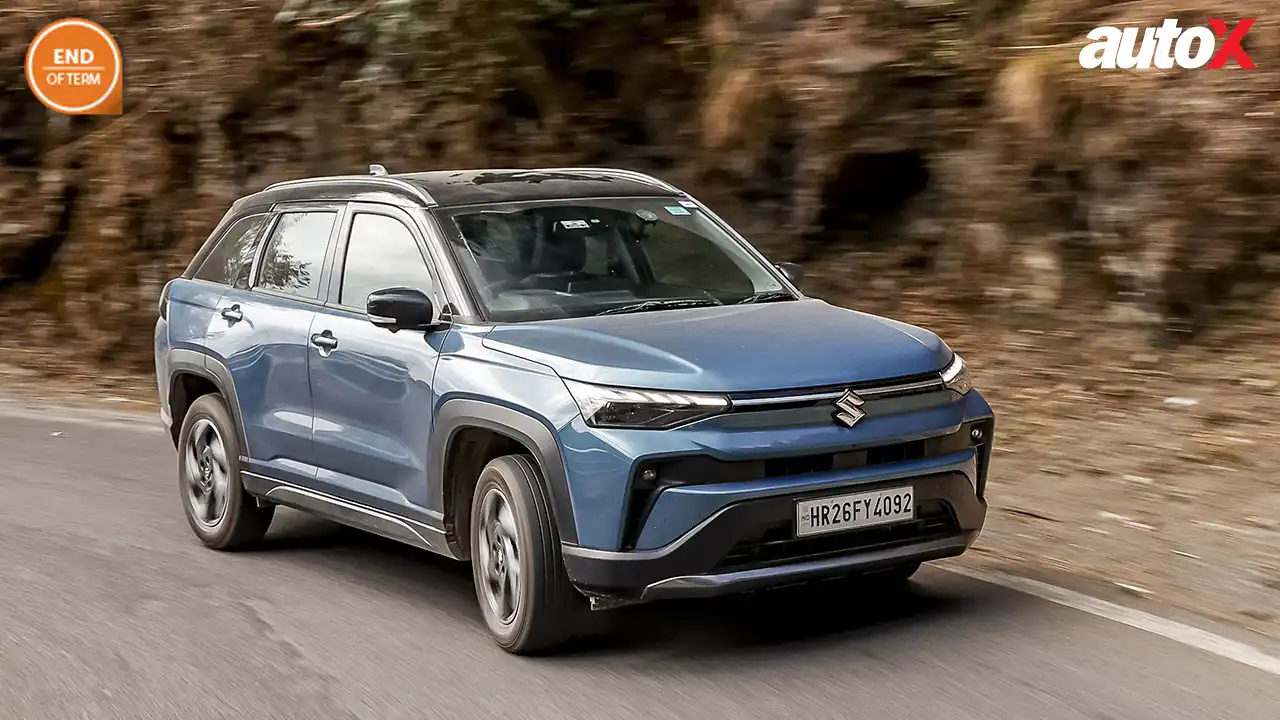
After spending just over six months with us, our long-term Maruti Suzuki Victoris has finally bid adieu to the autoX garage. During its time here, it quickly became our default support vehicle for outstation shoots – thanks to its stellar fuel efficiency, spacious cabin, and all-round practicality. In fact, these very traits make it excel as a well-rounded family car, too.
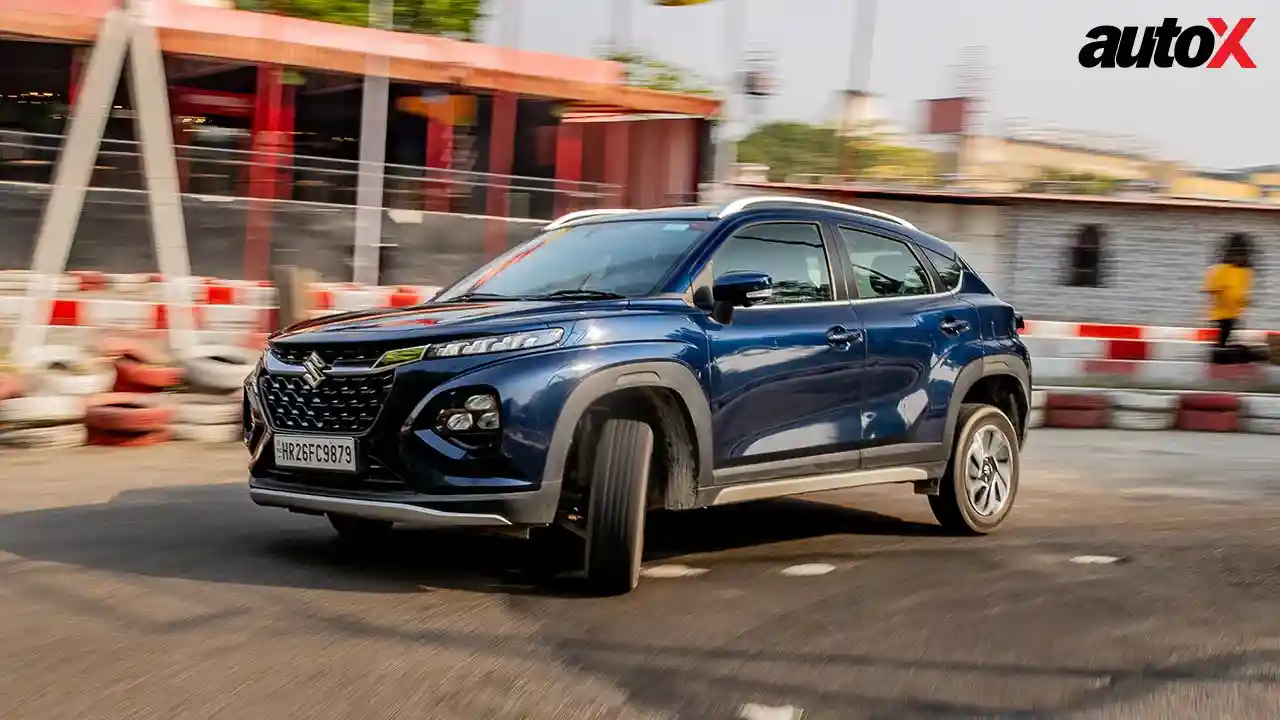
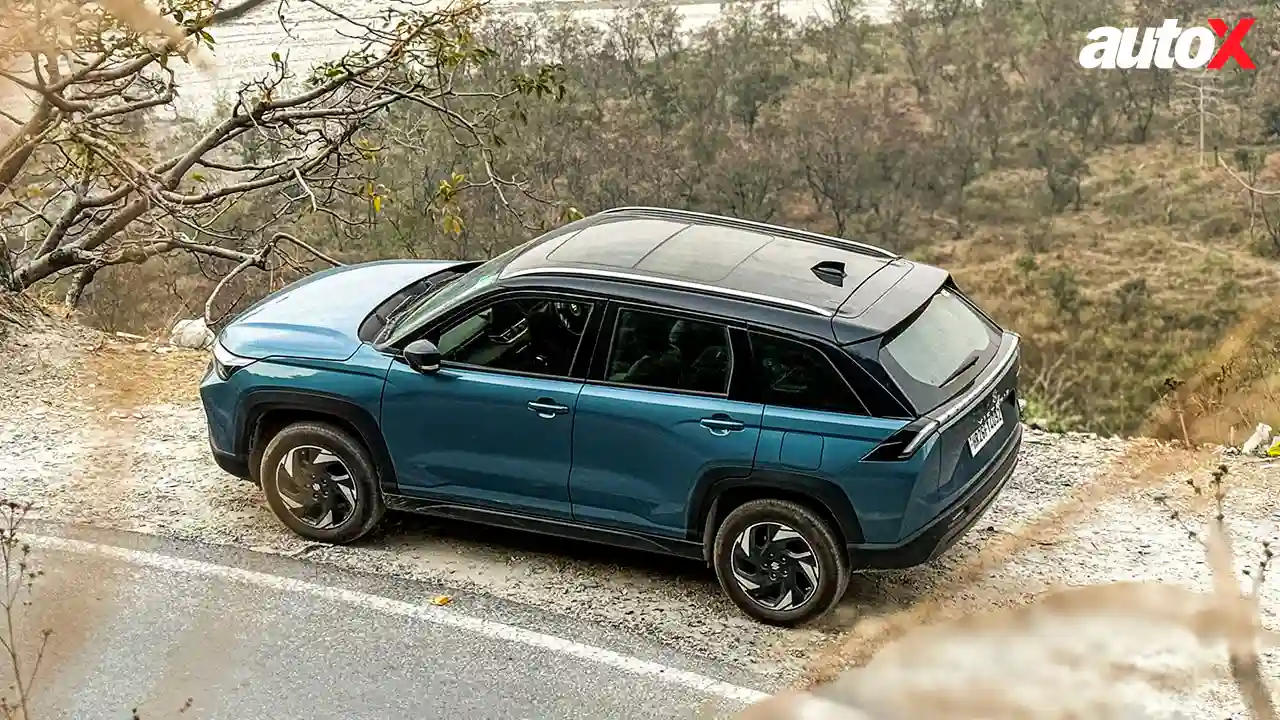
On the face of it, the Victoris isn’t a revolutionary product – it’s essentially a heavily updated Grand Vitara. Despite that, the Victoris feels distinctly different from its Nexa sibling. The driving dynamics are sharper, the feature list is exhaustive, and the design is, well, even more divisive. Initially, I wasn’t a fan of its estate-like proportions. However, over time, the design has grown on me. I’ve also spotted a few Victoris models fitted with upsized tyres and larger aftermarket alloy wheels, and to my eyes, they look far more butch and SUV-like; The standard alloys feel a bit too plain-Jane.
The biggest differentiator between the Grand Vitara and the Victoris lies in the ride and handling. The latter feels noticeably sharper – the steering is tauter, and body movements are better controlled. As a result, the low-speed ride does feel slightly firm, but it’s far from uncomfortable. You get used to it quickly, and honestly, it feels like a fair compromise.
Then there’s the extensive feature list. 6-way electrically-adjustable and ventilated front seats, a panoramic sunroof, head-up display, and a wireless phone charger – which, notably, is among the fastest we’ve experienced – are just some of the highlights.
The real party trick, however, is its fuel efficiency. The strong hybrid version is a true fill-it-shut-it-forget-it machine. In the city, it comfortably delivered over 23km/l. In fact, in our recent comparison test against a Creta Diesel, the Victoris didn’t just keep up – it outperformed the diesel across a variety of conditions, including city runs, highways, expressways, and even mountains.
Of course, it isn’t without its flaws. For starters, the lack of ADAS in the top-spec strong hybrid is a miss – especially when it’s offered in the mild hybrid AT variant. The sound system, too, feels average compared to rivals. Practicality takes a slight hit as well. The sloping roofline compromises rear headroom, and the battery pack eats into the boot space. Lastly, while the hybrid setup is incredibly efficient, it doesn’t quite match the outright grunt or refinement of a conventional petrol or diesel engine.
Overall, the Victoris delivers where it matters most. It may not be perfect, but it nails its brief – a reliable, frugal, and feature-loaded SUV that’s easy on the wallet.
When it came: October 2025
Current odo reading: 7,677km
Mileage this month: 674km
Fuel efficiency: 23.8km/l
What’s good: Efficiency, features, practicality
What’s not: Refinement, firm ride