2026 Bajaj Chetak Launched with Integrated Google Maps and Higher Top Speed
2026 Bajaj Chetak gets integrated Google Maps and an 80 km/h top speed, bringing better navigation and improved daily usability to Bajaj’s electric scooter.
By Divyam Dubey

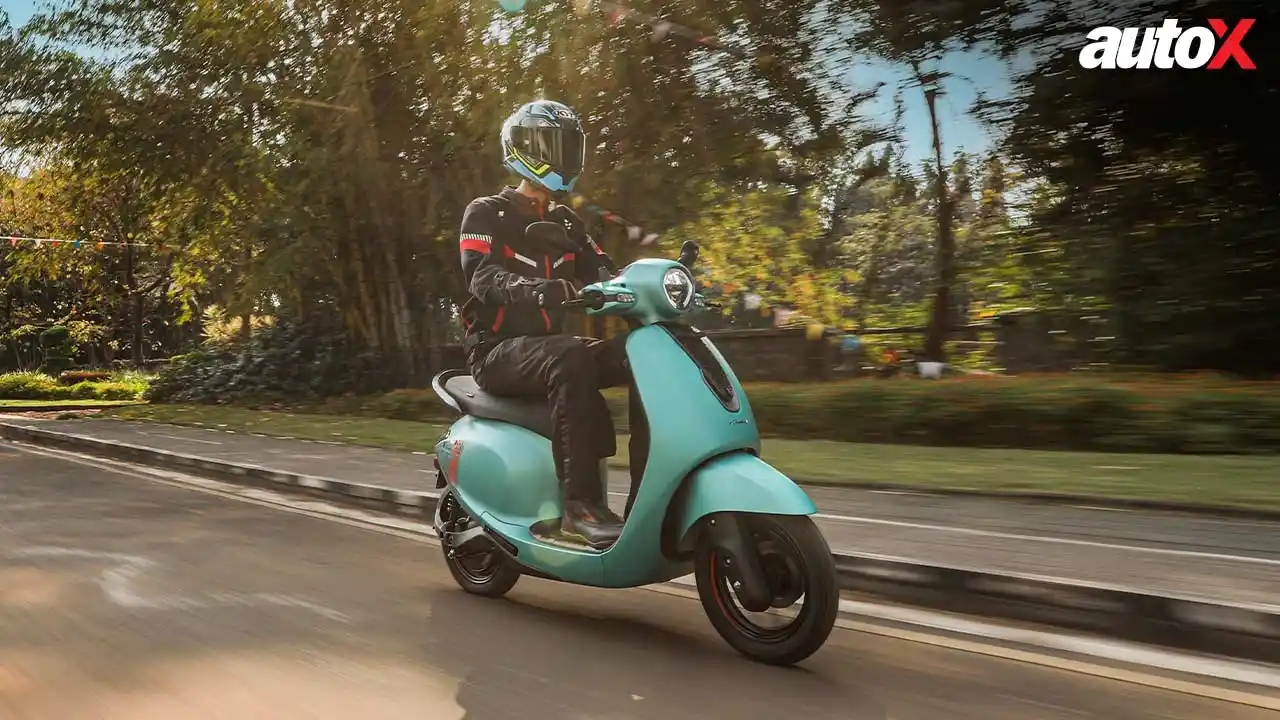
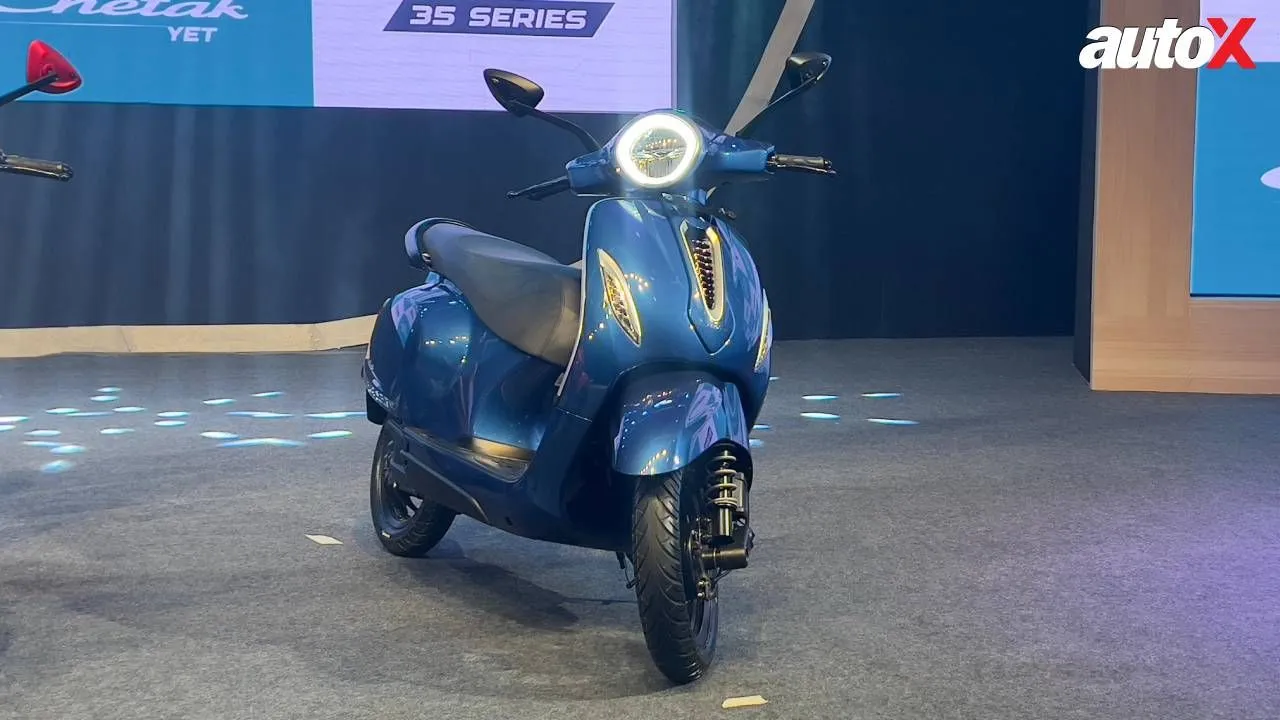
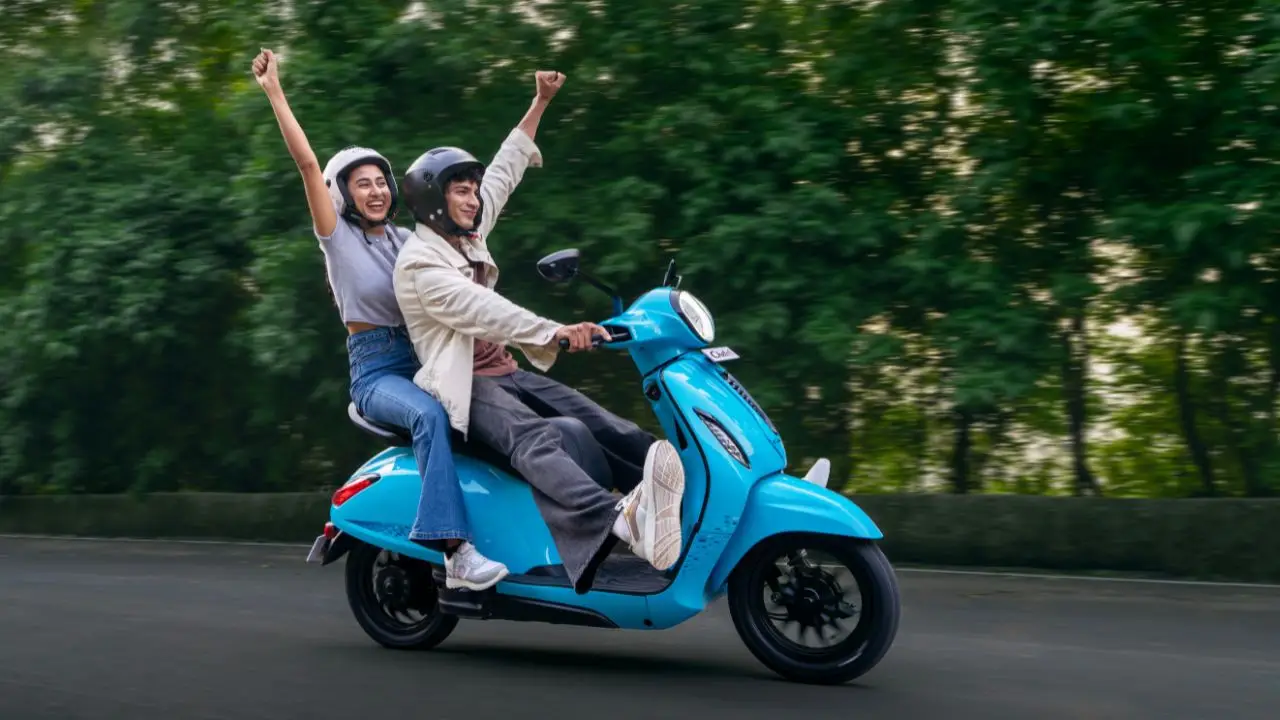
Bajaj Auto has updated the Chetak electric scooter range for 2026 with changes that focus on performance, features, and everyday usability. The company has also introduced a new naming structure, which now divides the lineup into C25, C30, and C35 families. Variants like C2501, C3001, and C3501 make the range simpler to understand. For buyers looking at the Chetak lineup, this new format makes choosing the right variant more straightforward.
2026 Bajaj Chetak EV: What's New?
The biggest change comes in performance. Bajaj has increased the top speed across the range, making the Chetak more usable for daily commutes and city riding. The C2501 now reaches 60km/h, up from 55km/h. The C3001 and C3503 now do 70km/h, while the C3501 and C3502 top out at 80km/h.
Also Read: Bajaj Chetak C25 First Ride Review: Easy Come, Easy Go
Ride modes have become more practical as well. Eco and Sport modes, along with hill-hold assist, are now standard on the C30 and C35 range. Earlier, these features required extra payment. Their inclusion as standard equipment adds better value to the package. These numbers may look small on paper, but for regular riders, the extra speed should make a difference in traffic flow and shorter highway stretches.
Bajaj has also worked on technology. The C3501 now gets integrated Google Maps through the Chetak app, replacing the previous navigation system. This brings a more familiar setup for riders who depend on navigation every day. The C3501 and C3502 also get over-the-air updates, which means software improvements can be added without visiting a dealership.
2026 Bajaj Chetak EV: Faster Charging
Charging speed has improved too, especially on the C3001. Bajaj says charging from 0 to 80 per cent now takes two hours and 55 minutes, compared to the earlier three hours and 50 minutes. For daily users, this faster charging time should make top-ups easier to manage.
Prices for the C30 and C35 variants have increased by around Rs 3,000 to Rs 5,000, depending on the model. Even so, Bajaj seems to be strengthening the Chetak’s position in India’s electric scooter market.
-1768393796514.webp "New Bajaj Chetak C25 Launched at Rs 91,399; Claims 113 Km Range")