BMW Motorrad Celebrates 50 Years of RS Sport-Tourers with R 1300 RS
BMW Motorrad celebrates 50 years of RS bikes, as the BMW R 1300 RS with 145bhp leads a seven-generation sport-touring legacy across boxer and four-cylinder models.
By Divyam Dubey

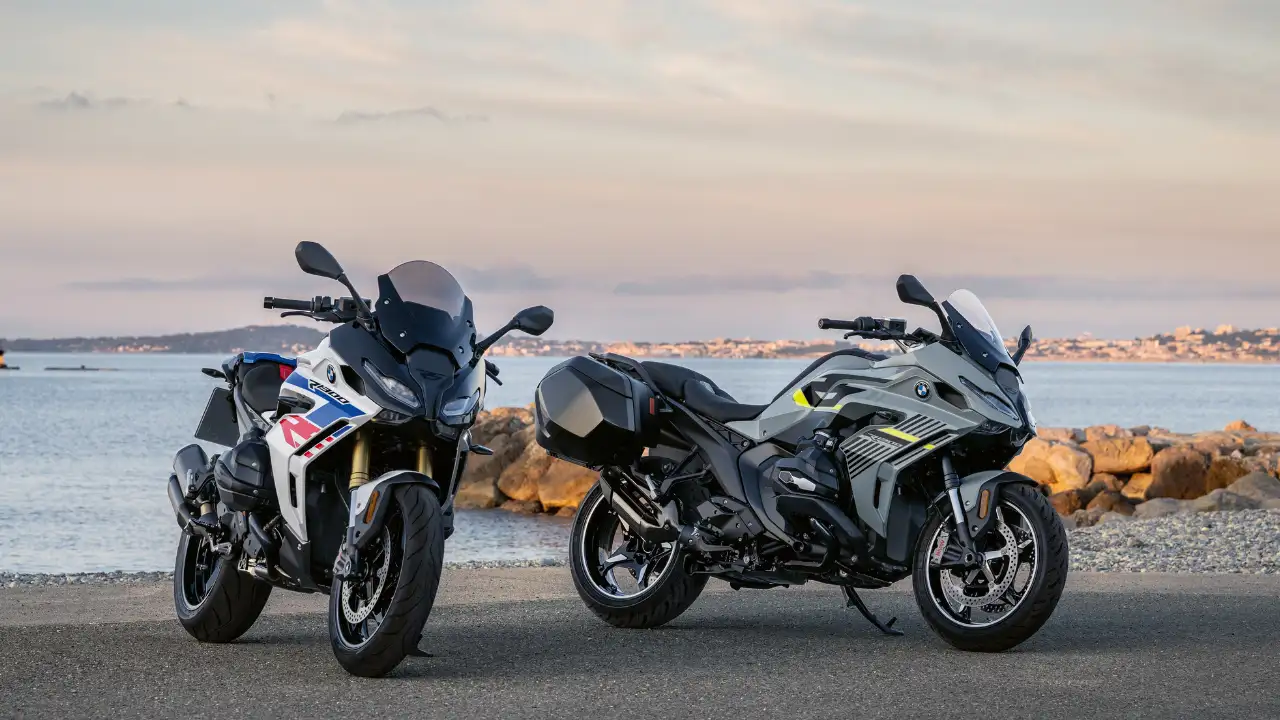
BMW Motorrad didn’t just celebrate 50 years of the RS badge, it reminded everyone why the sport-tourer still matters. Spend a day on something like the BMW R 1300 RS and you get it immediately. It’s quick when the road opens up, calm when you settle into a long stretch, and built to do both without drama. That idea goes all the way back to 1976 and the BMW R 100 RS, the bike that turned RS from a racing term into something riders could actually live with.
Also Read: BMW M 1000 R Launched in India at Rs 33.50 Lakh
Let’s start with the present, because the R 1300 RS sets the tone for what RS means today. The 1300cc boxer puts out 145bhp and pushes on to 240km/h, but numbers only tell half the story. The chassis feels tighter, the aero works better at speed, and the electronics actually add to the ride instead of getting in the way.
Riding modes, traction control, optional automated shifting, it’s all there, but the core idea hasn’t changed. It still feels like a fast bike you can ride all day.
BMW R 100 RS
Now rewind to where it all began. The original R 100 RS didn’t just arrive, it made a point. BMW got Pininfarina involved to shape that full fairing, and the result worked. Proper wind protection, better stability, and a bike that didn’t wear you out at speed. The 980cc boxer made 70bhp and touched 200km/h, which was serious pace in the late 1970s.
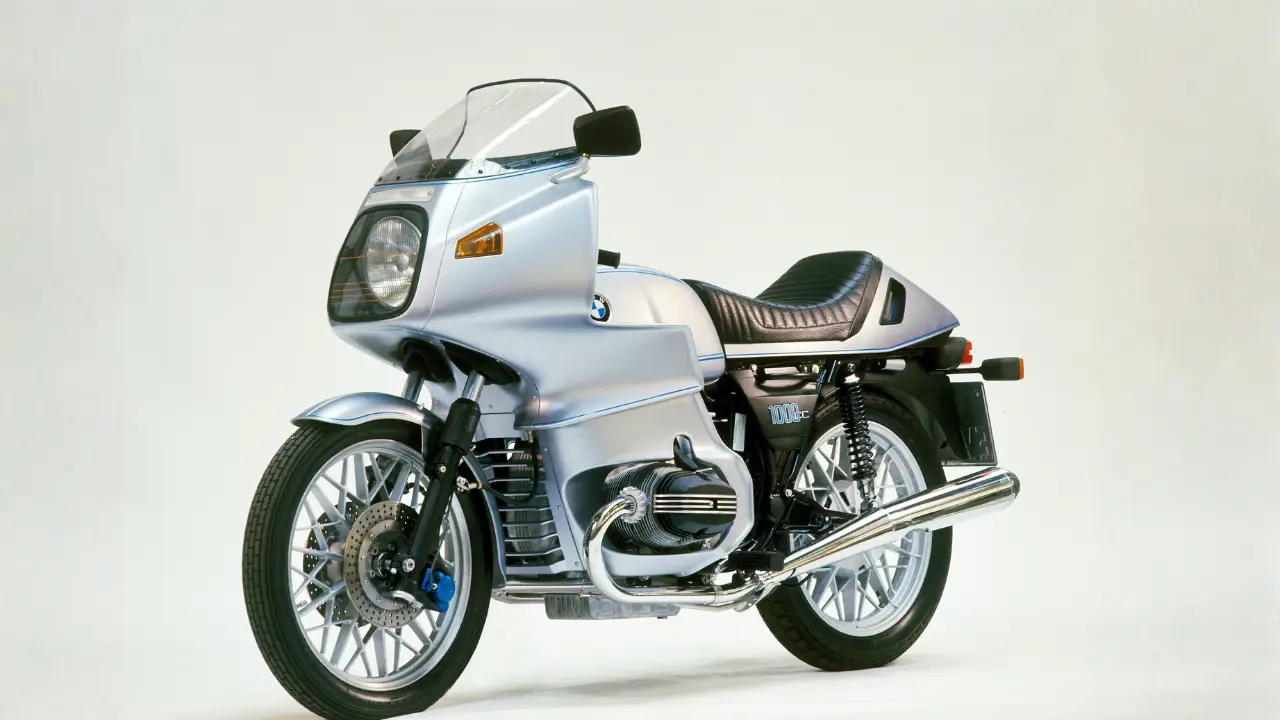
And then BMW went racing with it, in its own way. A tuned R 100 RS ran at Nardo in 1977, crossed 220km/h, and set five world records. That wasn’t just for headlines, it showed the RS idea had real depth. It stayed in production until 1984 and built a reputation that still holds up.
BMW R 100 RS Monolever
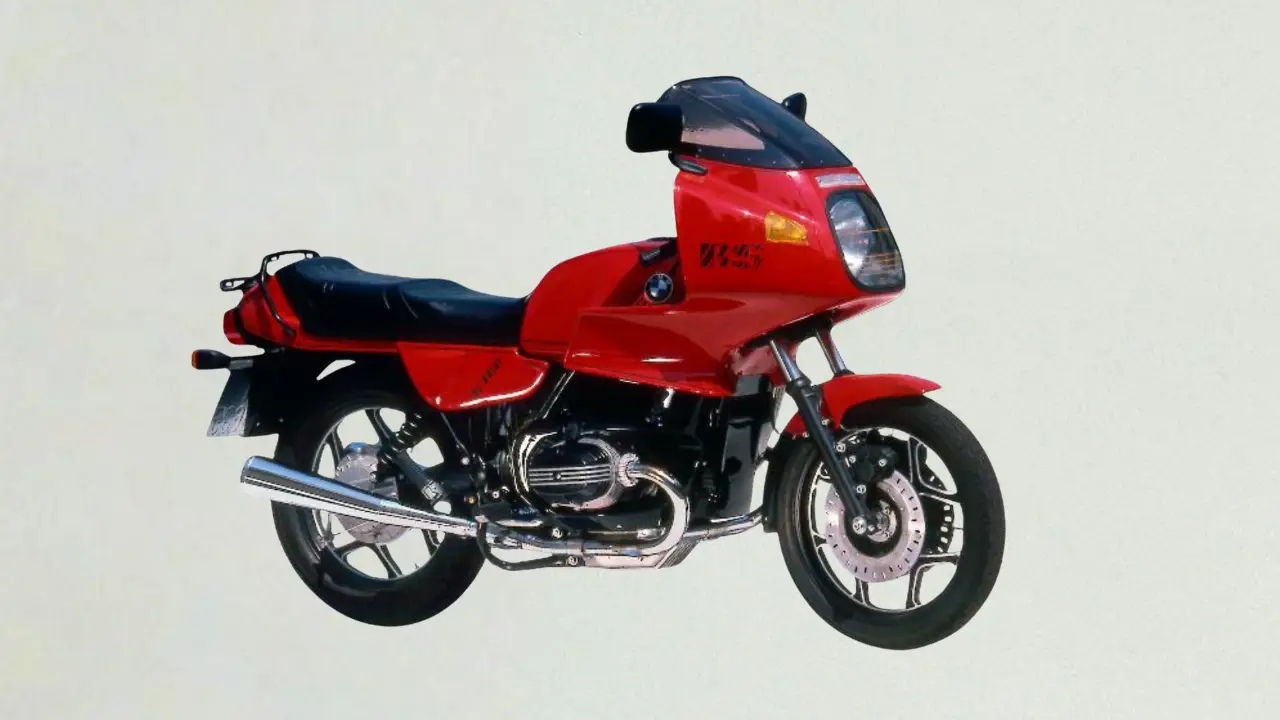
The BMW R 100 RS Monolever came back in 1986 because riders wanted it back. Simple as that. It was supposed to be limited, but demand kept it going till 1992. Same 980cc boxer, now at 60bhp, plus the Monolever rear end. It didn’t try to reinvent anything, it just kept the RS formula alive.
BMW R 1100 RS
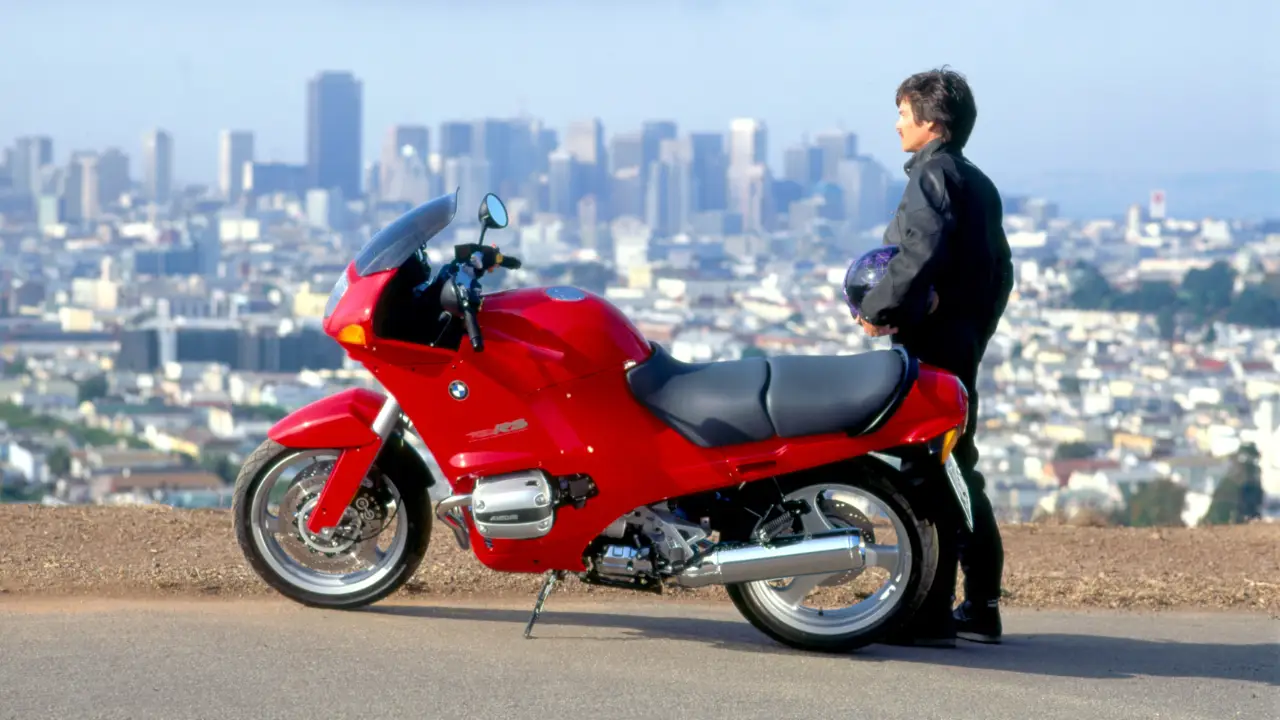
Then came the BMW R 1100 RS, and this is where things started to feel modern. Four-valve heads, fuel injection, and that Telelever front end changed how the bike behaved under braking and through corners. With 90bhp, it had the pace to match its touring ability, and it felt like a proper step forward.
BMW R 1150 RS
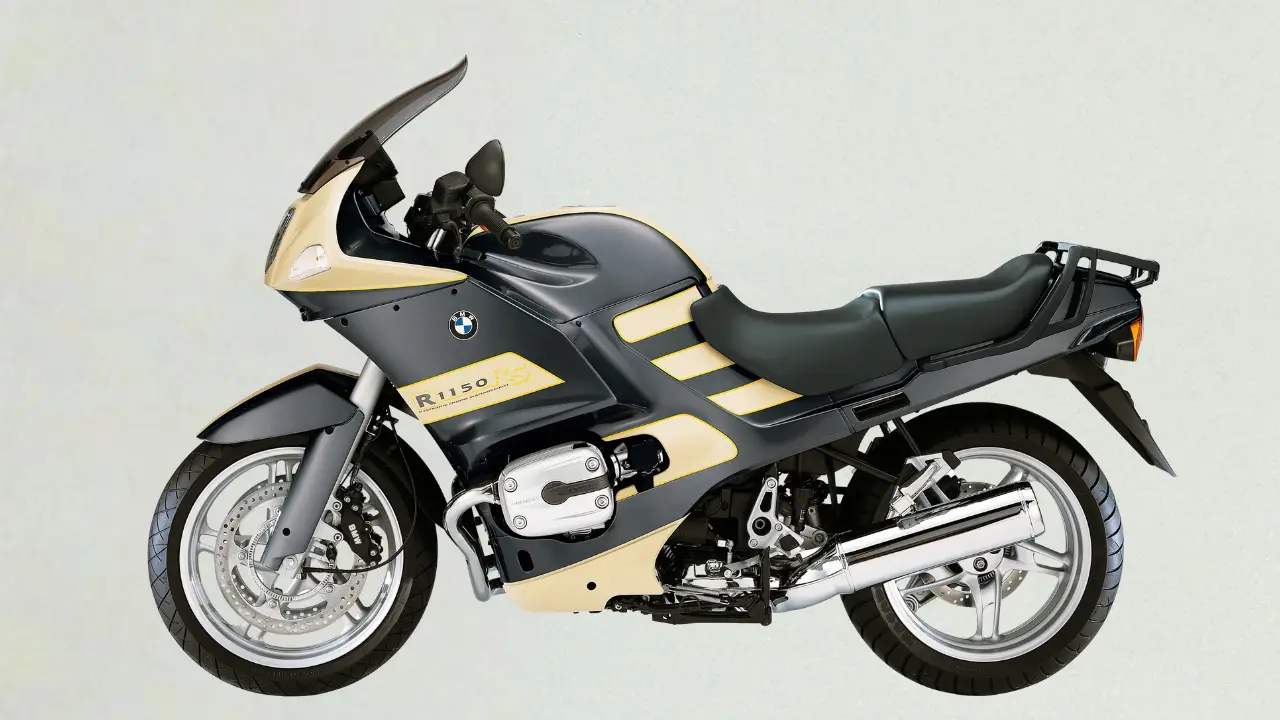
The BMW R 1150 RS didn’t mess with the formula too much, but it didn’t need to. The 1130cc engine pushed out 95bhp, refinement improved, and it stayed true to what RS riders expected. It was more of a solid evolution than a big leap.
BMW R 1200 RS
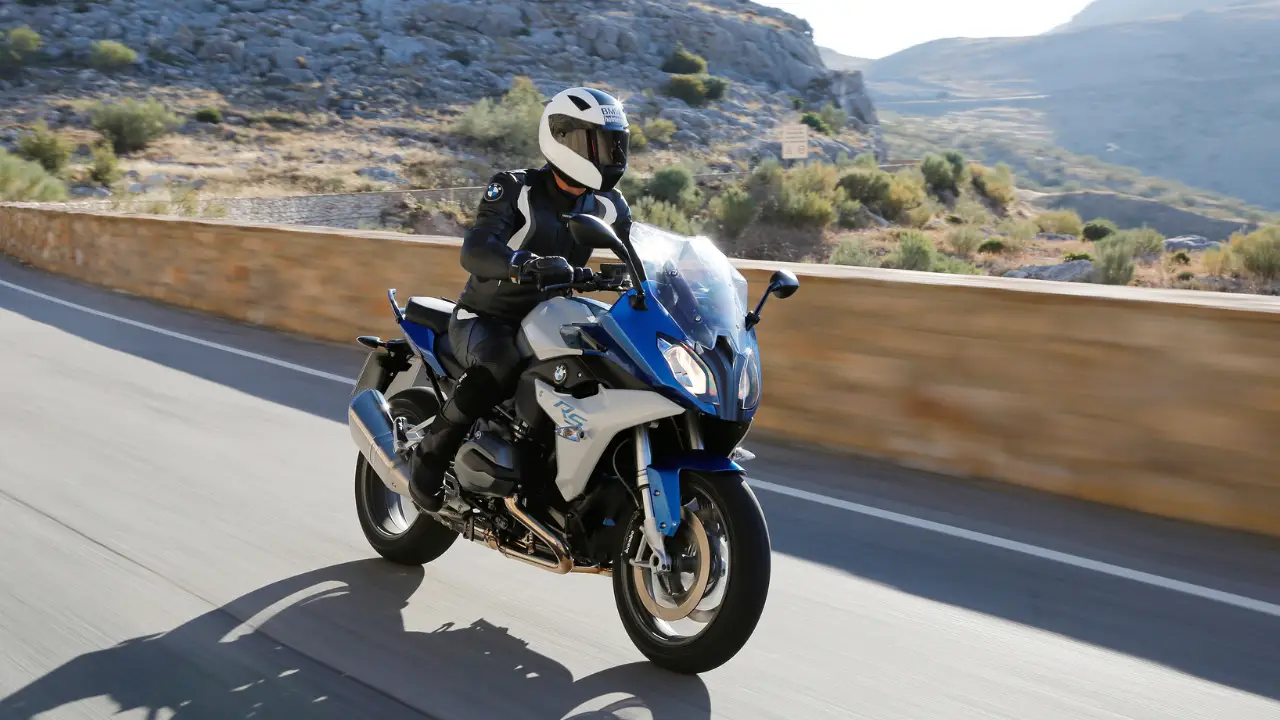
Things shifted with the BMW R 1200 RS. Liquid cooling came in, along with semi-active suspension. For the first time, the bike could adjust itself depending on how and where you were riding. It still felt like an RS, just sharper and more adaptable.
BMW R 1250 RS
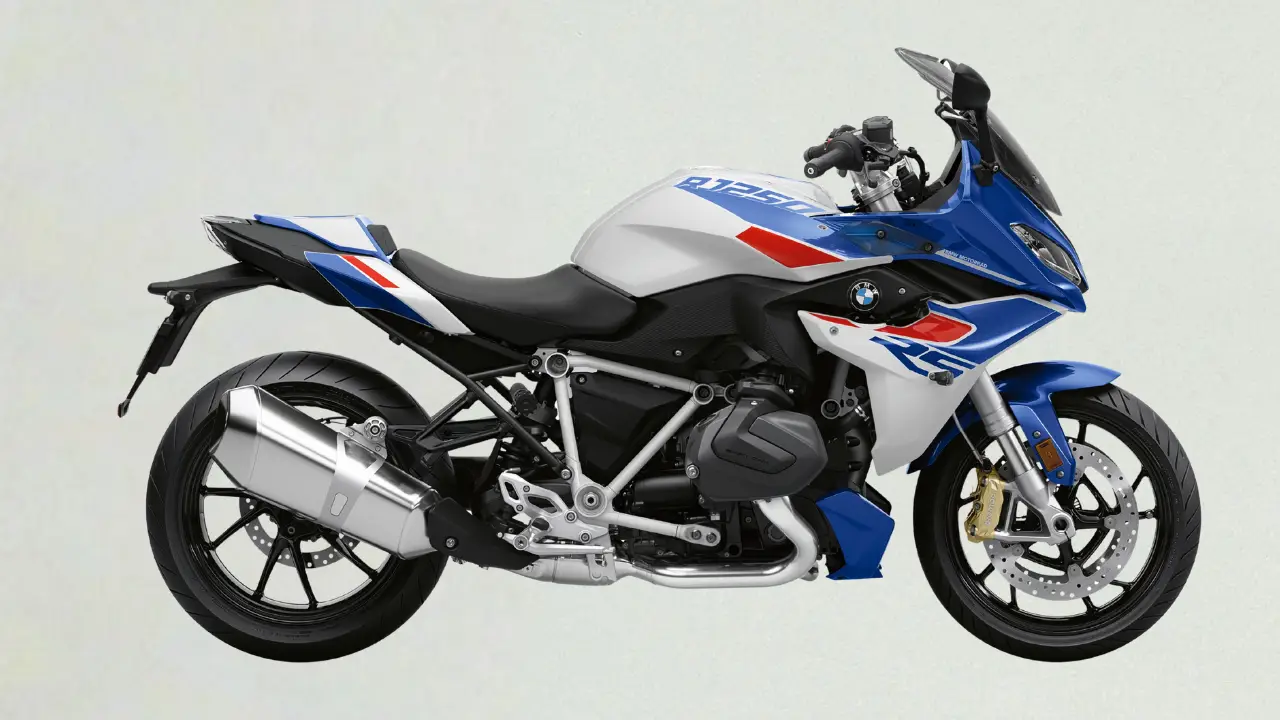
Then the BMW R 1250 RS brought in ShiftCam. That tech made a real difference on the road, especially in the mid-range where you actually ride. With 136bhp from the 1254cc motor, it had both flexibility and performance, along with a full set of modern electronics.
Fifty years in, the RS badge still means the same thing. A bike that can cover ground quickly, handle a proper road when you find one, and keep you comfortable while doing both. The numbers have changed, the tech has moved on, but that core idea hasn’t gone anywhere.
-1762317924611.webp "BMW F 450 GS Pre-Bookings Open Ahead of India Launch on 23 April")