Hero Vida VX2 Electric Scooter Launched in India at Rs 59,490 with BaaS Option
The Hero Vida VX2 is offered in two variants: Go and Plus. The top-spec Plus variant, with its dual motor setup, offers a reduced underseat storage of 27.2 litres, while the base Go variant, with a single battery, has a storage of 33.2 litres.
By Sanorita

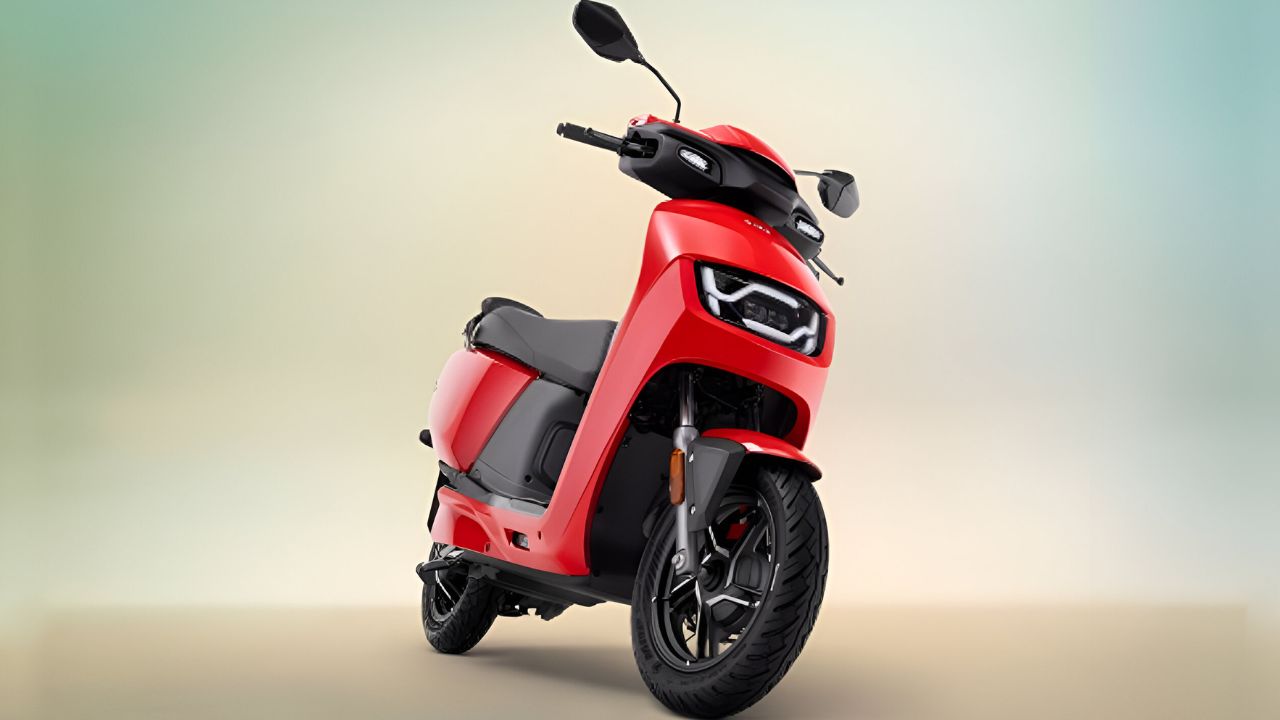
Hero MotoCorp’s electric arm, Vida, has finally launched the much-anticipated VX2 electric scooter in India, with two pricing options. The first is a popular Battery-as-a-Service (BaaS) plan, which brings the starting price of the EV down to Rs 59,940 for the base Go variant. Under the BaaS plan, the Hero Vida VX2 offers an estimated running cost of Rs 0.96 per kilometre. As a part of the subscription, Vida guarantees a free battery replacement if its performance dips below 70%.
The second option is an outright purchase, including the cost of batteries, which is Rs 99,490 (ex-showroom). This is the full price for the entry-level Go variant. Here's a complete breakdown of prices and other features.
| Variants | BaaS Price (ex-showroom) | Full Price (ex-showroom) |
| Go | Rs 59,490 | Rs 99,490 |
| Plus | Rs 64,990 | Rs 1.10 lakh |
Hero Vida VX2: Design and Features
The VX2 is a more family-centric offering with a flatter, more spacious, and continuous seat that stretches from front to back, making it easier for both rider and passenger to have a comfortable experience. It also comes with a backrest for the pillion.
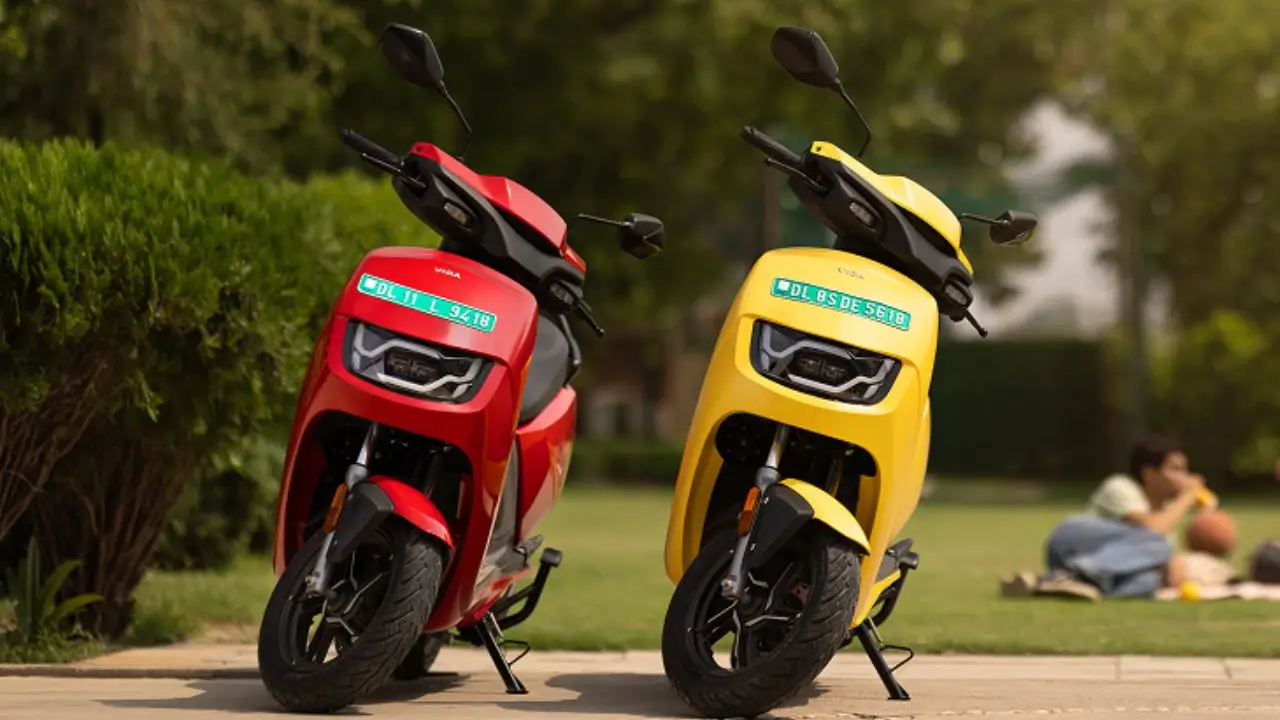
The electric scooter borrows some lighting parts, such as headlight and taillight, from the V2, but stands out with a storage option in the form of a front frunk made of plastic. As for the colours, the EV offers seven options.
Also Read: Hero MotoCorp Announces India Pricing for 2025 Harley-Davidson Motorcycles
In terms of features, the Hero Vida VX2 has a 4.3-inch TFT/LCD display, two riding modes (Eco and Ride), a sport mode, and smartphone integration. Other highlights include remote immobilisation and cloud connectivity, 12-inch wheels, and turn-by-turn navigation. It's worth noting that these features vary based on the variant selected.
Hero Vida VX2: Battery and Range
The EV offers different battery and performance options, based on the variant selected. The entry-level Go model has a single 2.2kWh battery and a range of up to 92 kilometres, while the top-spec Plus variant uses two batteries for a combined 3.4kWh capacity, enabling a range of up to 142 kilometres. Notably, both batteries are removable. They are powered by an 8.04bhp direct-drive permanent magnet motor. The top speeds stand at 70km/h for the Go and 80km/h for the higher-spec Plus variant. The base model accelerates from 0 to 40km/h in 4.2 seconds, while the Plus covers the same distance in a faster 3.1 seconds.
Also Read: Kawasaki KLX230 vs Hero XPulse 210 Spec Comparison: What's Different?
The model supports fast charging, with battery fuelling up to 80% in just an hour. However, the full charging times with the standard 580W charger are 3 hours and 53 minutes for the Go and 5 hours and 39 minutes for the Plus.