Honda Click 125 Patent Filed in India, Could Rival Aprilia SR, Hero Xoom and More
The Honda Click 125 is already available in international markets such as Thailand and the Philippines. In India, it is expected to carry a starting price of around Rs 95,000.
By Sanorita

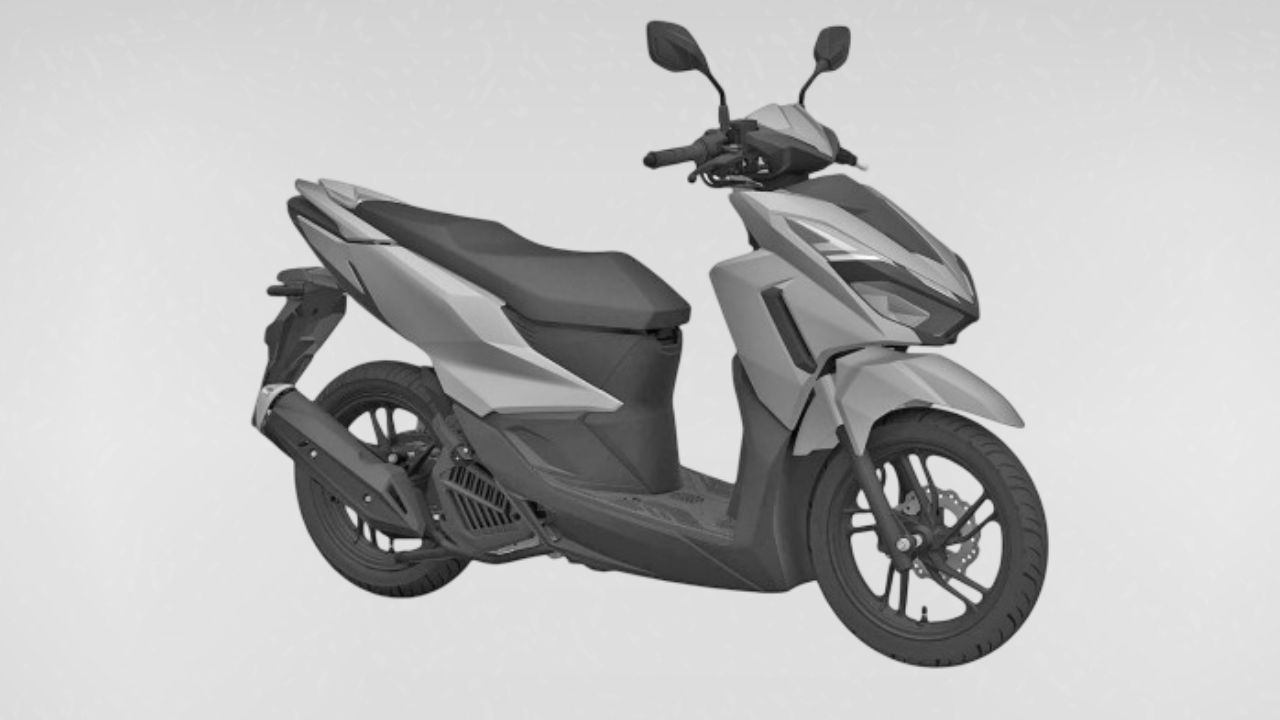
The design of the Honda Click 125, which is currently sold in international markets, has been patented in India, suggesting that the popular two-wheeler manufacturer is looking to expand its footprint in the crowded scooter segment. In India, the Click 125 could be a strong competitor to models such as the TVS Ntorq 125, Hero Xoom 125, and Suzuki Burgman Street 125. Honda Motorcycle and Scooter India has not made any official announcement regarding the scooter’s launch, but it is anticipated that the Honda Click 125 could carry a starting price of around Rs 95,000.
Notably, HMSI had patented the Honda NS125 LA in India last year, which is yet to go on sale. At this stage, the Click 125 could remain just a patent filing and may not necessarily indicate an imminent launch. Nonetheless, we take a closer look at its design and features to understand what it could offer.
Honda Click 125: Design and Features
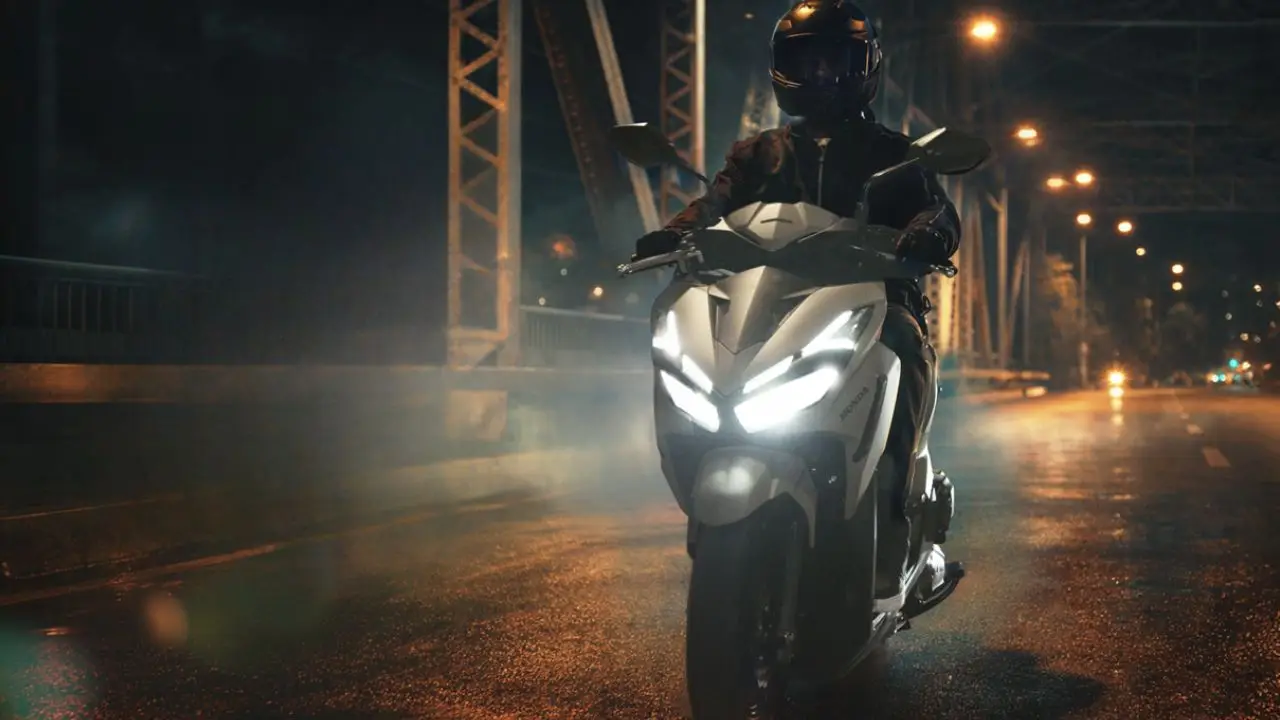
The Honda Click 125 stands out with its sharp, sporty, and aggressive styling cues, including angular body panels. It has an apron-mounted LED headlamp, a stepped single-piece seat, and a grab rail at the rear for the pillion.
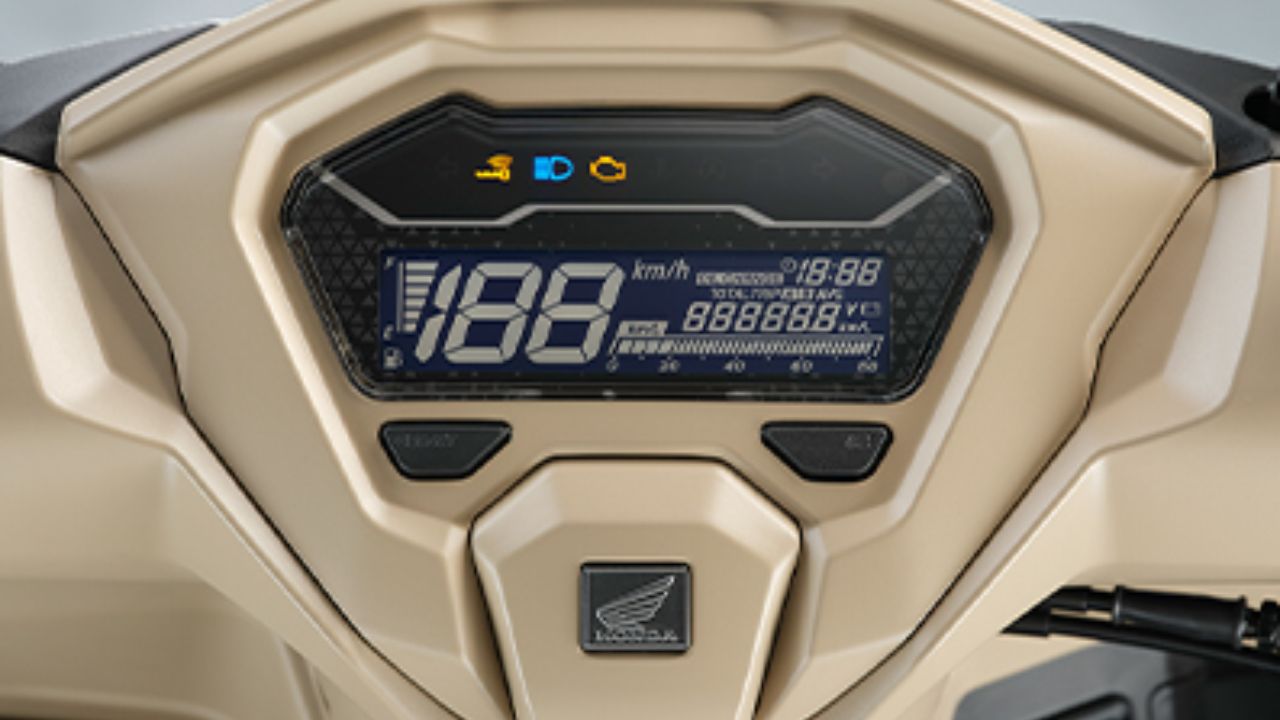
The scooter comes packed with an array of modern amenities, including a smart key with keyless start and anti-theft system, 14-inch alloy wheels, a digital console, and a full LED setup. As for convenience, the scooter offers 18 litres of underseat storage, and a fuel tank of 5.5 litres. It measures 1,919mm in length and has a 1,280mm wheelbase. The seat height stands at 769mm, while the kerb weight is 111 kg.
Honda Click 125: Engine
The standard-spec Honda Click sold in the Philippines uses a 125cc, single-cylinder, liquid-cooled, SOHC engine with Honda’s eSP technology to produce 11.07bhp at 8,500rpm and 11Nm of torque at 5,000rpm. The unit comes paired with a CVT automatic transmission. Hardware-wise, the scooter uses telescopic front suspension and a unit swing rear setup. Stopping power comes from a front disc and rear drum with a combi-brake system.