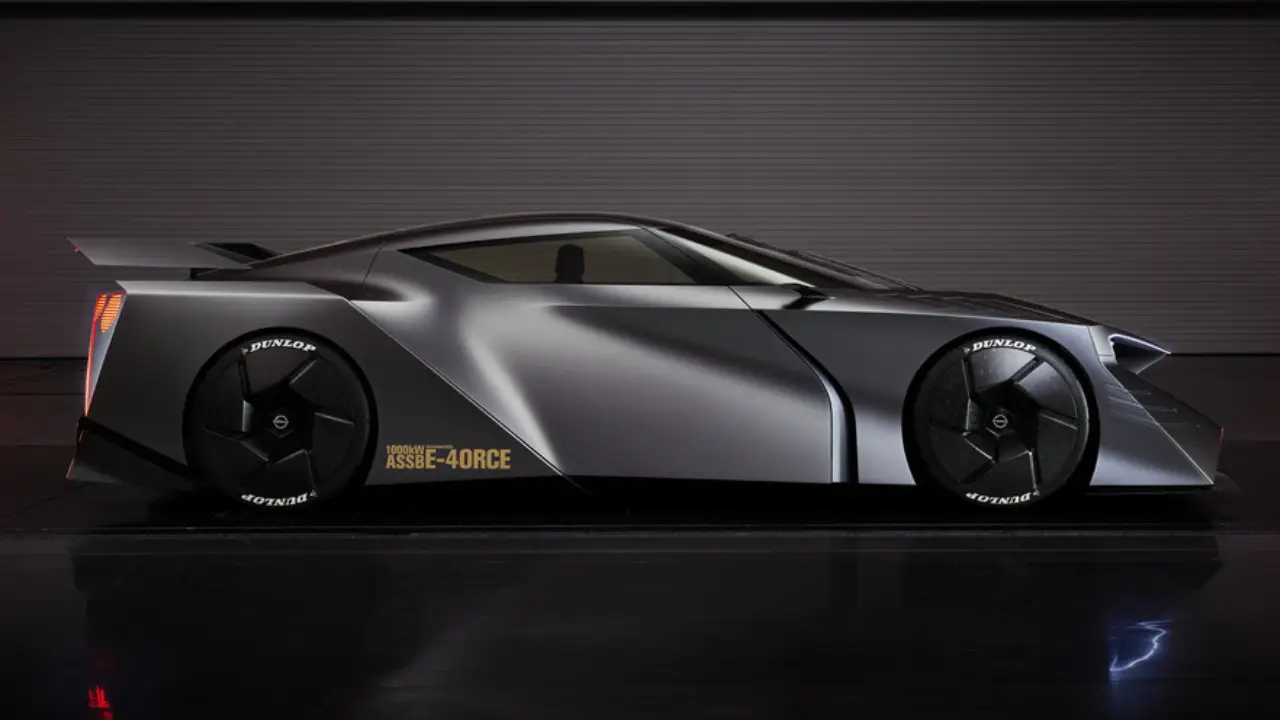
Nissan Open to Honda Tie-Up in India; Renault Alliance to Continue?
Nissan is open to exploring a partnership with Honda in India to share technology, lower costs and improve future product plans.
By Divyam Dubey

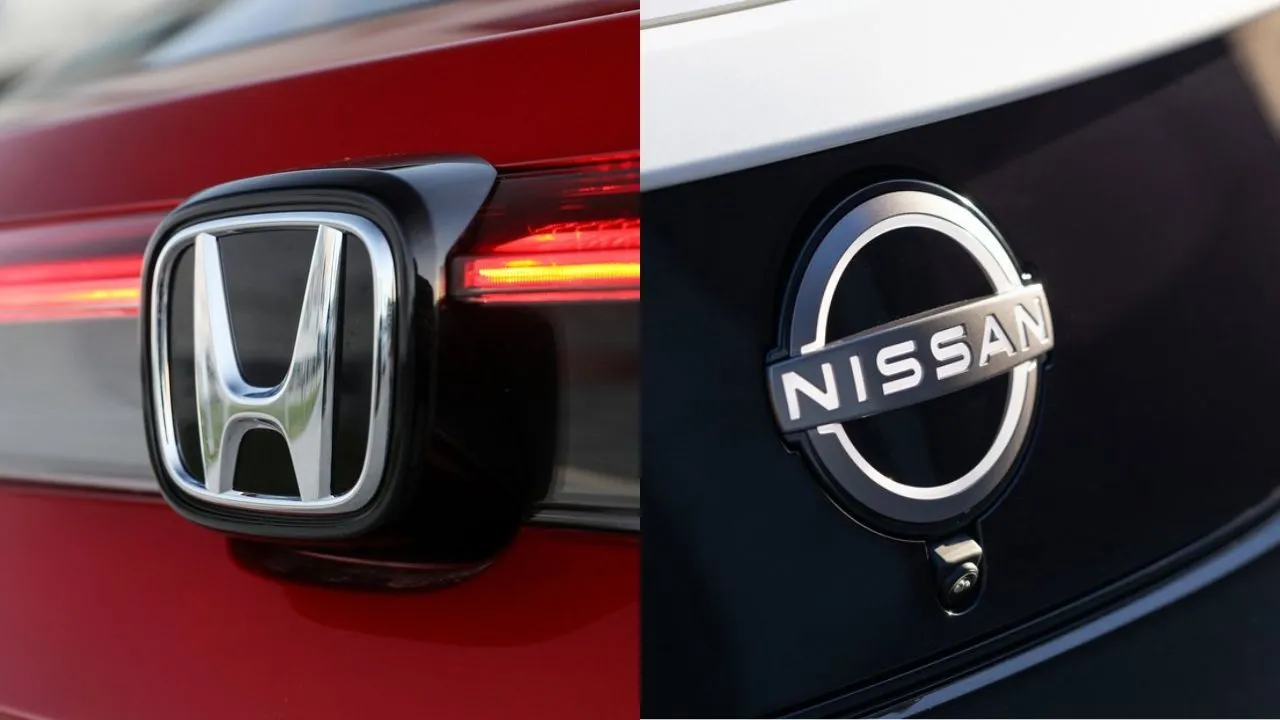
Nissan Motor Corporation may finally be looking at a way to get back into the fight in India, and a possible partnership with Honda Motor Company could be the move it needs. This renewed interest follows the collapse of a proposed global partnership in early 2025, which fell through after both companies failed to agree on a final governance structure. The big focus is now expected to be on EV platforms, shared technology, software systems, and lower production costs. For Nissan, which currently has a small portfolio in India, working with Honda could mean faster launches of new SUVs, petrol cars, and affordable EVs.
Also Read: New Nissan X-Trail Debuts Globally with Hybrid e-Power System
Speaking to the media, Ivan Espinosa, Nissan President and CEO, said the company is open to expanding its partnership with Honda as buyer preferences in India continue to change, though he noted there are no specific India-centric projects underway yet. Sharing components, standardising software and jointly sourcing parts could help both companies cut costs and improve efficiency.
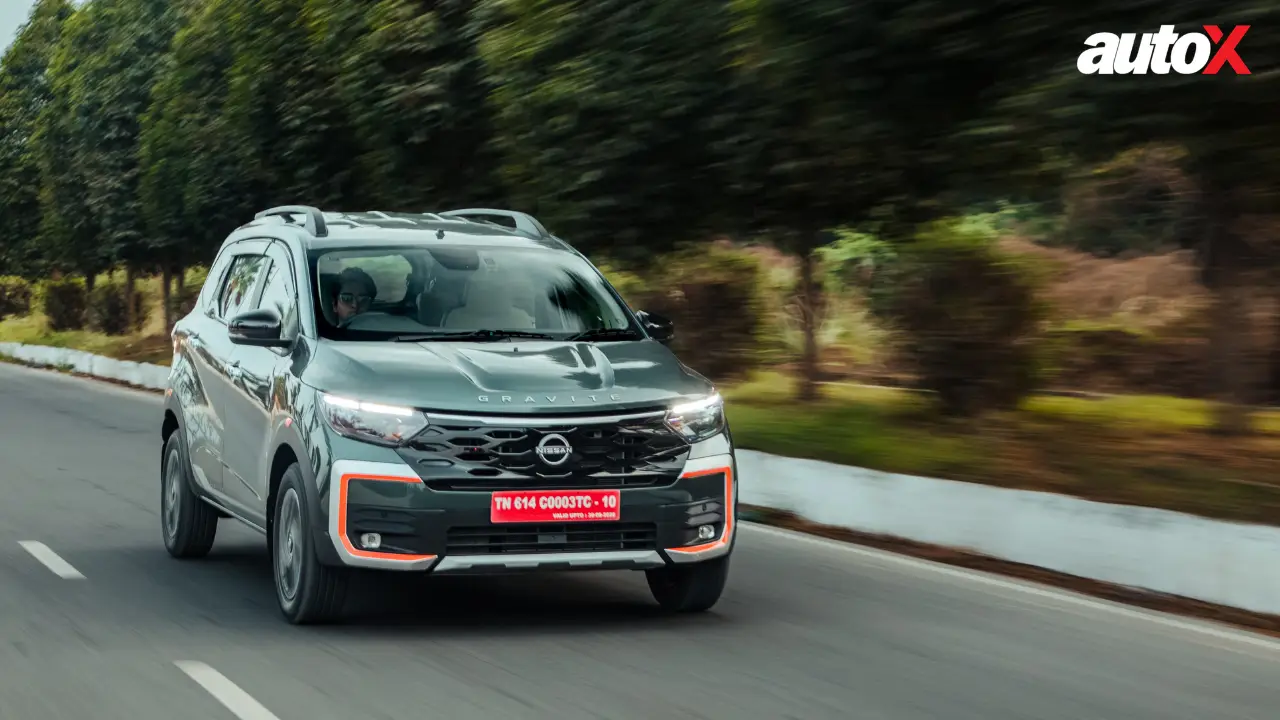
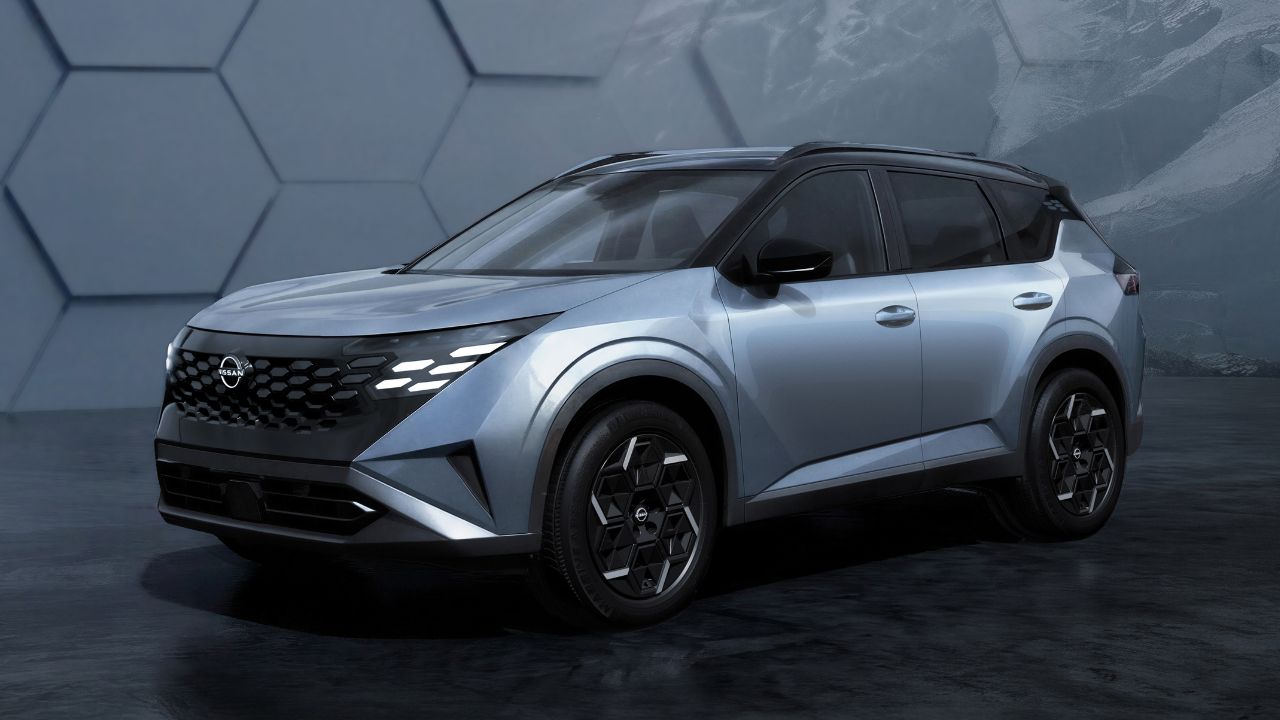
For Nissan, this could be more than just another alliance. The company has struggled to build momentum in India in recent years, and Honda’s stronger presence and manufacturing network could help Nissan get new products to market quicker. That matters because Nissan is planning to expand its line-up with new SUVs like the Tekton and affordable EVs, while still keeping internal combustion engine models like the Gravite in the mix.
The talks are not limited to products alone. Nissan and Honda are also exploring the possibility of working together on autonomous driving tech and artificial intelligence. Developing these systems independently is expensive, so a shared approach could help both brands save money and speed up development for future models.
Industry analysts believe a formal Nissan-Honda tie-up could change the balance among Japanese carmakers in India and the wider South Asian market. Nissan already maintains a deep-rooted alliance with Renault, sharing a global CMF-B platform that underpins the upcoming Tekton and Gravite models.
While the Chennai manufacturing plant became a wholly-owned Renault subsidiary in 2025, it continues to produce Nissan vehicles under contract. Any new deal with Honda would sit alongside this existing partnership, providing Nissan the scale it needs to compete harder in India’s value-driven market.